Your Guide to Salmonella Safety Basics for Backyard Eggs (Practical, Not Paranoid)
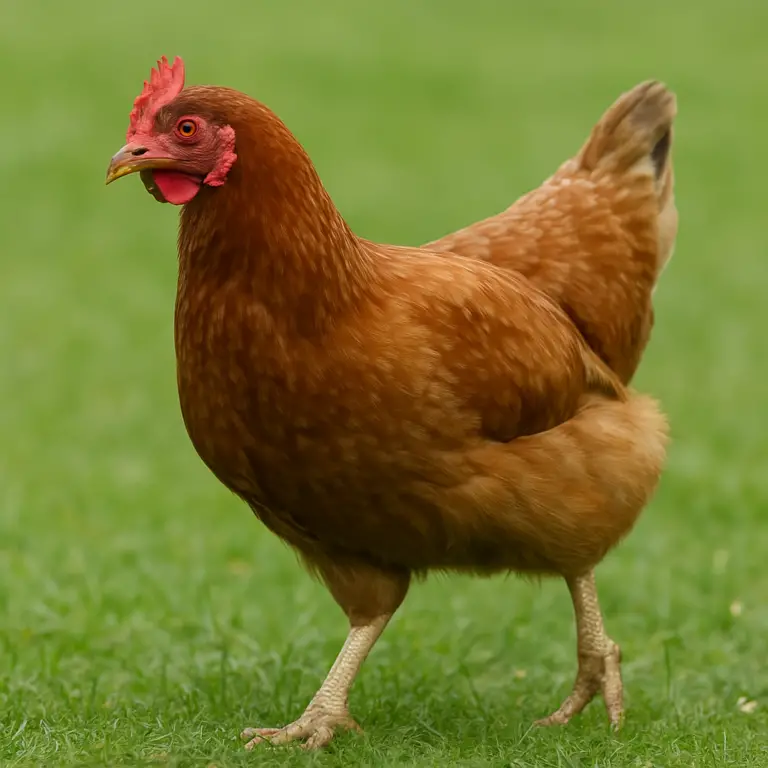
You love your backyard hens, and you want their eggs on your breakfast plate without a side of anxiety. Good news: you can keep Salmonella out of your morning scramble without a hazmat suit. A little know-how, a few habits, and you’ll feel confident cracking those beauties. Let’s keep this practical—not paranoid—and get you the basics that actually matter.
What Salmonella Actually Is (And Isn’t)
Salmonella is a bacteria that can make you sick, usually with stomach stuff you’d rather not discuss at dinner. It can live in chicken intestines and sometimes makes its way onto eggs. Not every chicken or egg carries it—far from it—but the risk exists.
Here’s the reality: you can dramatically reduce your risk with a few simple steps. No need to bleach your soul or boil your eggs into rubber. Just treat eggs like raw chicken: with respect and a bit of common sense.
Keep the Nest Clean, Keep the Eggs Clean
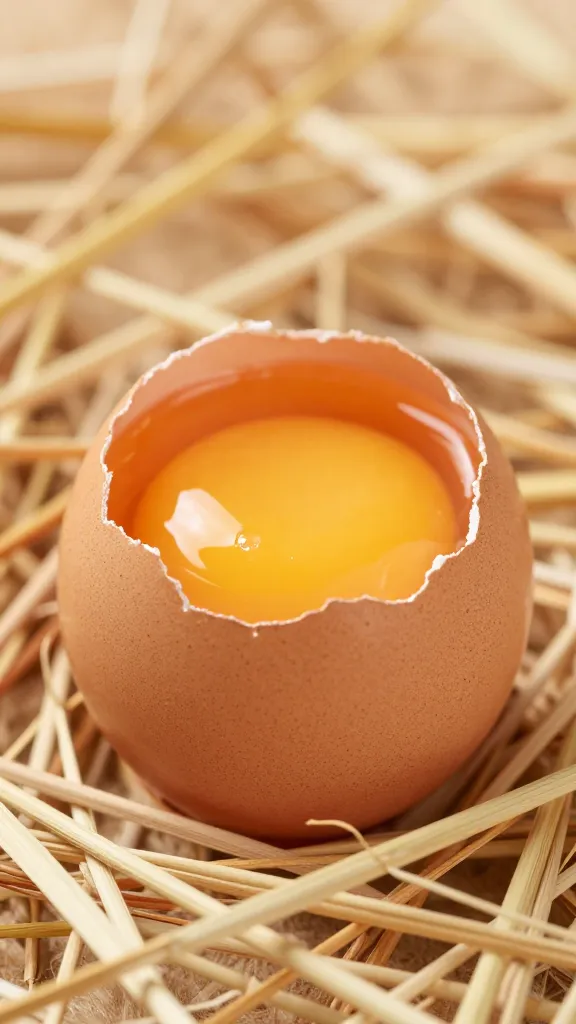
Clean environment = cleaner eggs = fewer headaches. Most contamination happens on the shell, not inside the egg, so prevention starts in the coop.
- Fresh bedding and dry nests: Replace nesting material regularly. Wet or poopy bedding spreads bacteria.
- Collect eggs daily (twice in hot weather): The longer eggs sit, the more chances they touch mess.
- Boots and tools: Keep a pair of coop shoes and wash hands after handling birds or bedding.
Should You Wash Backyard Eggs?
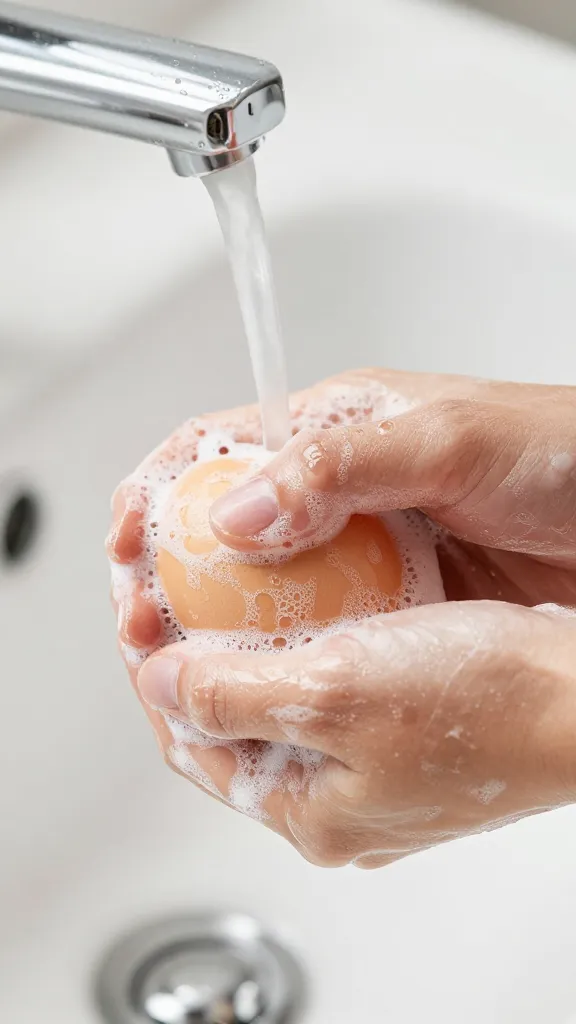
Short answer: only if they’re dirty. Dry brushing with a clean cloth or paper towel preserves the egg’s natural protective coating (the “bloom”). If an egg has gunk you can’t brush off, wash under warm running water, dry completely, and refrigerate. Don’t soak—soaking invites bacteria through the shell.
Store Smart: Fridge or Counter?
Backyard keepers love this debate. Here’s the practical answer: you can keep unwashed eggs at room temp for about a week if your kitchen stays cool. Once washed, they need the fridge. Refrigeration slows bacterial growth and extends shelf life, full stop.
- Best practice: Refrigerate all eggs within a day or two. IMO, it’s the simplest safe route.
- Temperature matters: Keep the fridge at or below 40°F (4°C).
- Pointy side down: Store eggs pointy end down to keep the yolk centered and the air cell stable.
- Label the carton: Write the date collected so you rotate first-in, first-out like a pro.
How Long Do Backyard Eggs Last?
In the fridge, 3–5 weeks is a solid window for quality. They often last longer, but flavor and texture fade. At room temperature, plan for up to 7 days unwashed. If in doubt, do the float test (more on that below) or just cook thoroughly.
Cracking, Cooking, and Cross-Contamination
This is where most people slip up. You don’t need a PhD. You just need habits.
- Designate a “raw egg zone” on your counter and wash it after.
- Wash hands after handling eggshells. Yes, even “clean-looking” ones.
- Don’t reuse raw egg bowls for cooked food or salad ingredients.
- Separate utensils for raw and cooked—tongs, spatulas, cutting boards.
Cooking Temperatures That Actually Matter
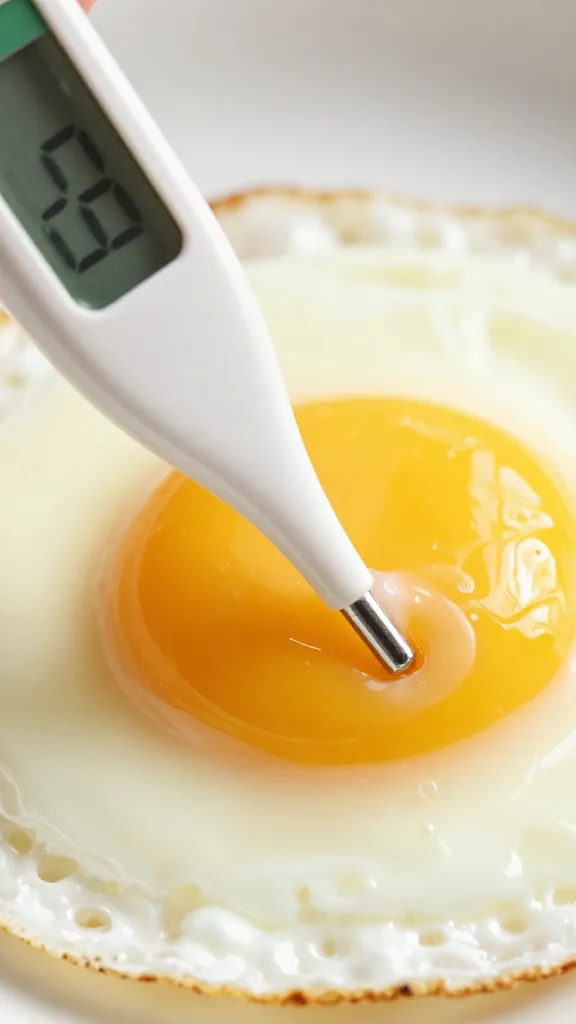
If you want certainty, use heat. Cook eggs until both the whites and yolks are firm. For dishes like custard, quiche, or sauces, aim for 160°F (71°C) internally. If you adore runny yolks (same), you can lower risk by using fresh, well-handled eggs and keeping everything else clean—but recognize the trade-off.
Testing Freshness Without Drama
You don’t need to crack every egg in fear. Use simple checks:
- Visual check: Cracks or slimy shells? Toss them.
- Sniff test: Rotten eggs smell like regret. You won’t miss it.
- Float test: Place the egg in a bowl of water.
- Sinks and lays flat: fresh
- Sinks but stands upright: still OK; use soon
- Floats: not safe enough for me—discard
FYI, the float test checks age, not Salmonella, but fresher eggs crack and cook better and reduce risk when you like soft-set yolks.
Flock Health: Prevention Starts With the Birds
Healthy hens make safer eggs. You don’t need to run a lab—just keep basic health practices.
- Clean water, clean feed: Replace water daily. Store feed in sealed containers.
- Rodent control: Rats and mice carry pathogens. Block entry points and clean spills.
- Biosecurity lite: Limit new birds, or quarantine newcomers for a couple of weeks.
- Watch for illness: Lethargy, diarrhea, poor feathers—call a poultry-savvy vet if you see trends.
Nesting Box Hacks
You want eggs, not egg omelets in the straw. Use enough boxes (about 1 box per 3–4 hens), keep them shaded and calm, and add soft bedding to reduce cracks. Fewer cracks = fewer contamination routes.
When to Choose Pasteurized Eggs
You can buy shell eggs that have been pasteurized (heated just enough to kill Salmonella without cooking the egg). Use them for:
- Homemade mayo, hollandaise, Caesar dressing
- Tiramisu, mousse, custard
- Anyone at higher risk: pregnant people, young kids, older adults, or anyone immunocompromised
If you want backyard flavor in those recipes, you can pasteurize in-shell at home with careful temperature control, but IMO store-bought pasteurized eggs are easier and safer.
Common Myths That Need to Retire
- “Salmonella only lives inside factory eggs.” Backyard eggs can carry it too. Good handling beats wishful thinking.
- “If the shell looks clean, it’s safe to lick.” Please don’t. Bacteria don’t send calendar invites.
- “Room-temp eggs are dangerous.” Not automatically. Unwashed eggs can sit out briefly. But refrigeration extends shelf life and safety.
- “Washing eggs with cold water is best.” Use warm running water so the contents don’t contract and pull bacteria in.
FAQ
Can Salmonella be inside the egg, not just on the shell?
Yes, but it’s less common. Bacteria can reach the forming egg inside the hen. That’s why thorough cooking and good flock health matter, not just clean shells.
Is a cracked egg safe to use?
If you find a crack right after collecting and the interior looks clean, cook it fully the same day. If you discover a cracked egg later from storage—or it’s dirty or leaking—toss it. Cracks open the door for bacteria.
Do I need to sanitize eggs with chemicals?
No. For backyard use, dry clean first, then warm water if needed. If you sell eggs, follow your local regulations, which may require washing and refrigeration. For home kitchens, chemicals add hassle without much benefit.
How do I handle eggs after a broody hen sits on them?
Assume they’ve been warm and possibly exposed to bacteria. Collect, dry clean, and refrigerate immediately. If any smell off, float high, or look questionable, skip them.
What if someone in my house is pregnant or immunocompromised?
Use pasteurized eggs for any undercooked or raw preparations. Cook all other eggs until yolks are firm. Keep fridge temps tight, practice strict handwashing, and avoid cross-contamination. Safety first beats bragging rights.
Can I safely eat runny yolks from my own hens?
Many people do, and the risk is lower with fresh, well-handled eggs. But it’s not zero. If you choose runny yolks, keep everything else spotless, use the freshest eggs, and know who shouldn’t take that risk. Your call, your tummy.
Bottom Line: Practical, Not Paranoid
You don’t need to fear your hens’ eggs—you just need a routine. Collect often, keep nests clean, refrigerate promptly, cook smart, and wash your hands. That’s 95% of the battle. Enjoy those golden yolks, share a dozen with a neighbor, and let the safety habits run quietly in the background while you eat like a backyard royalty. IMO, that’s the sweet spot.
Share this content: