What Vegetables to Plant in Spring for a Thriving Garden Now
Spring doesn’t wait. The soil warms, daylight stretches, and suddenly your garden begs for action. Ready to plant a patch that actually thrives—not just survives? Let’s talk veggies that love spring, the timing that matters, and a few tricks that make you look like you’ve done this for years (even if you haven’t).
Know Your Frost Dates (So You Don’t Cry Later)
Before you buy twelve tomato starts and a victory hat, check your local last frost date. That date tells you when your tender plants can safely move outside. Plant too early and frost turns them into mush. Plant too late and you lose precious growing time.
Quick plan:
- Cold-hardy crops: sow 4–6 weeks before last frost.
- Cool-season crops: sow 2–4 weeks before last frost.
- Warm-season crops: plant after frost when nights stay above 50°F (10°C).
Soil Check 101
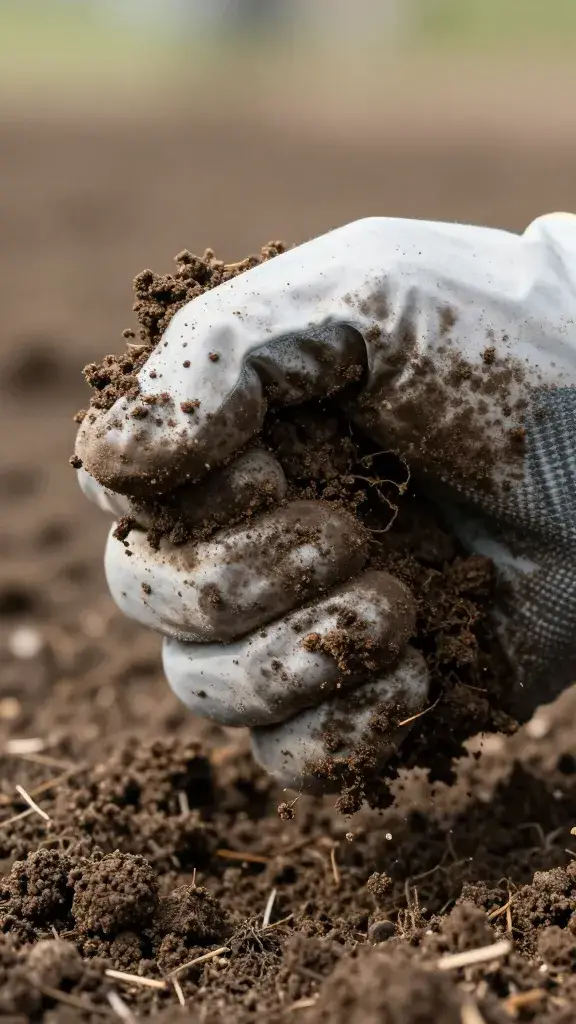
Grab a handful of soil and squeeze. If it forms a muddy brick, wait. If it crumbles, game on. Cold, wet soil slows germination and rots seeds—IMO, patience beats replanting.
Cold-Hardy All-Stars You Can Plant First
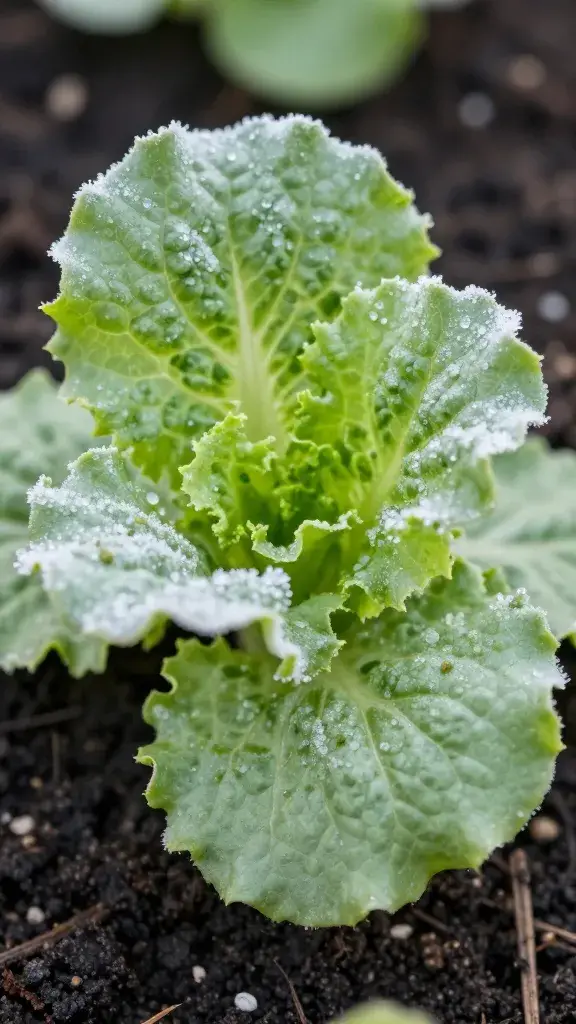
These champs shrug at chilly nights and even light frosts. They jumpstart your garden while everyone else stares out the window.
- Peas: Sugar snaps, snow peas, shelling peas—pick your vibe. Sow as soon as the soil thaws. Give them a trellis; they love to climb and it saves you from pea-jungle chaos.
- Spinach: Loves cold soil and bolts in heat. Sow thickly and harvest baby leaves early. FYI, fall-sown spinach often overwinters and pops in spring.
- Kale: Dinosaur, curly, red Russian—kale doesn’t care. Transplant or direct sow early. Cold sweetens the flavor, which feels like nature’s apology for winter.
- Radishes: Fastest payoff ever—about 25–35 days. Sow every 1–2 weeks for steady harvests. Don’t overthink it.
- Onions (sets) and Shallots: Pop them in early. They root in cool temps and swell up as days lengthen.
Micro-Tip: Protect with Fleece
A simple row cover keeps frost off leaves and bugs off your salad. It’s like a light jacket for your plants. Add hoops if you’re fancy (or just use sticks, I won’t judge).
Cool-Season Veggies That Love Spring’s Sweet Spot
These handle chill but prefer not to freeze. Plant them 2–4 weeks before your last frost for best flavor and fewer pests.
- Lettuce: Looseleaf types (Green/Red Salad Bowl, Oakleaf) grow fast and resist bolting. Sow in waves. Mix butterheads for that tender crunch.
- Beets: Edible roots and greens—two crops, one plant. Soak seeds overnight for quicker germination. Thin to 3–4 inches apart and use the thinnings in salads.
- Carrots: Sow directly, keep the top inch of soil moist until sprouting. Choose early varieties like ‘Napoli’ or ‘Adelaide’ for spring success.
- Broccoli and Cauliflower: Transplant young starts early. Consistent moisture and a little shade during sudden heat spells help prevent stress and bolting.
- Cabbage: Tough as nails. Give them space and steady water. Excellent for slaws, stir-fries, and impressing neighbors.
Spacing and Timing Matter (Like, A Lot)
Don’t cram everything. Overcrowded beds breed disease and floppy, leggy plants. Follow the seed packet spacing or use a grid: 4-inch for radishes, 6-inch for beets, 12–18 inches for brassicas. Your future self will thank you.
Warm-Season Favorites You’ll Plant After Frost
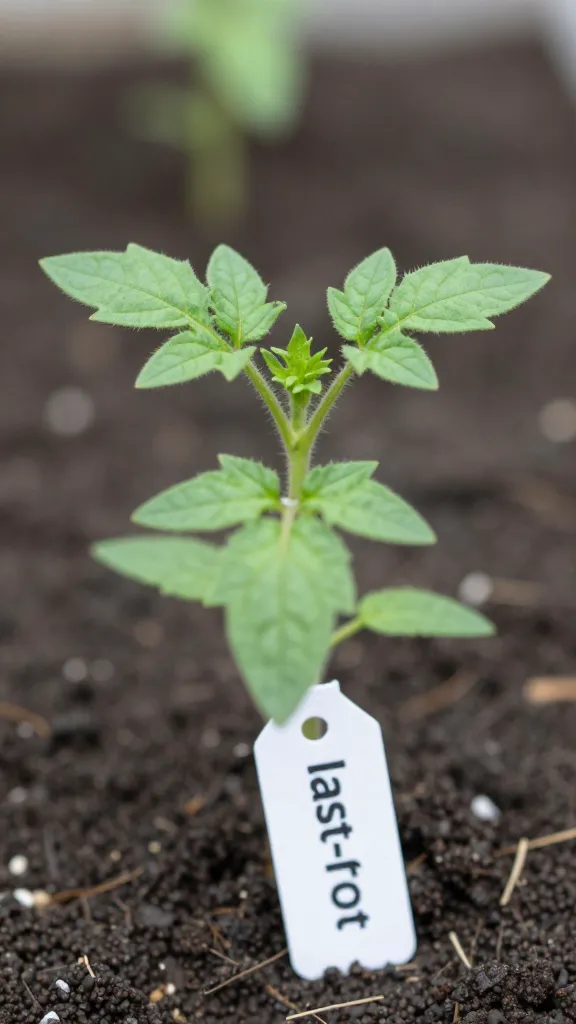
These drama queens demand warm nights. Rush them and they pout. Time it right and they explode.
- Tomatoes: Wait for warm soil and steady 50°F+ nights. Plant deep, burying stems to root along the buried part. Stake early and prune lightly for airflow.
- Peppers: Bells and chilies need heat. Black plastic mulch or a warm microclimate boosts growth. Don’t overfertilize; you’ll get leaves instead of fruit.
- Cucumbers: Fast growers. Direct sow or transplant after frost. Trellis to save space and reduce disease.
- Squash and Zucchini: Direct sow after frost. One or two plants usually feed an army. Consider bush varieties for small spaces.
- Bush Beans: Reliable and easy. Sow in late spring for fast harvests and follow with a second sowing midsummer.
Pro Move: Succession Planting
Stagger sowings every 1–3 weeks for lettuce, radishes, and beans. When one row finishes, pop in the next crop. Spring turns into a conveyor belt of food instead of a one-hit wonder.
Soil Prep That Actually Pays Off
Healthy soil makes average gardeners look brilliant. Spring is prime time to set the table.
- Add compost: 1–2 inches over beds, gently worked in. It improves drainage and feeds microbes.
- Test pH: Most veggies like 6.0–7.0. Lime raises pH, sulfur lowers it. No guesswork—use a test kit.
- Balanced fertilizer: Use a slow-release organic mix at planting, then side-dress heavy feeders (tomatoes, brassicas) mid-season.
- Mulch wisely: Straw or shredded leaves around cool crops. Wait to mulch warm-lovers until soil’s hot; otherwise you trap cold.
Water Like You Mean It
Aim for 1 inch per week, including rain. Water deeply and less often to train roots to dig down. Morning watering = fewer diseases and fewer “why are my leaves spotty?” moments.
Smart Pest and Disease Moves (Without Going Nuclear)
Spring brings life and, annoyingly, bugs. Keep it simple and consistent.
- Row covers: Block flea beetles, cabbage moths, and aphids from day one.
- Crop rotation: Don’t plant brassicas in the same spot as last year. Mix it up to dodge soil-borne issues.
- Companions: Flowers like calendula, alyssum, and nasturtium draw beneficial insects and look cute. Win-win.
- Scout weekly: Flip leaves, check undersides, squish small infestations by hand. Early action beats sprays.
Slugs, The Villains
They love tender spring greens. Use beer traps, iron phosphate pellets, or ring plants with crushed eggshells or diatomaceous earth. Also, remove hiding spots like boards and dense mulch right next to stems.
Quick Spring Planting Lists by Goal
Fast harvest (under 40 days):
- Radishes, baby lettuces, arugula, baby spinach, green onions
Reliable staples:
- Peas, carrots, beets, kale, broccoli, cabbage
Warm-weather crowd-pleasers:
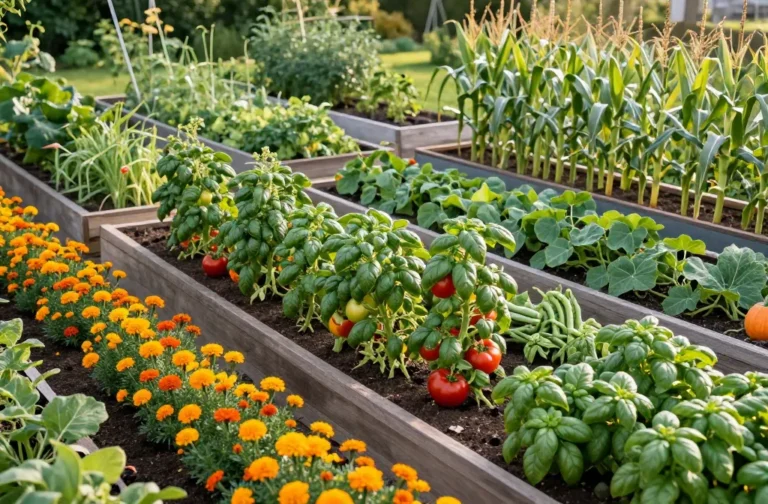
- Tomatoes, peppers, cucumbers, zucchini, bush beans, basil
Small-space champs:
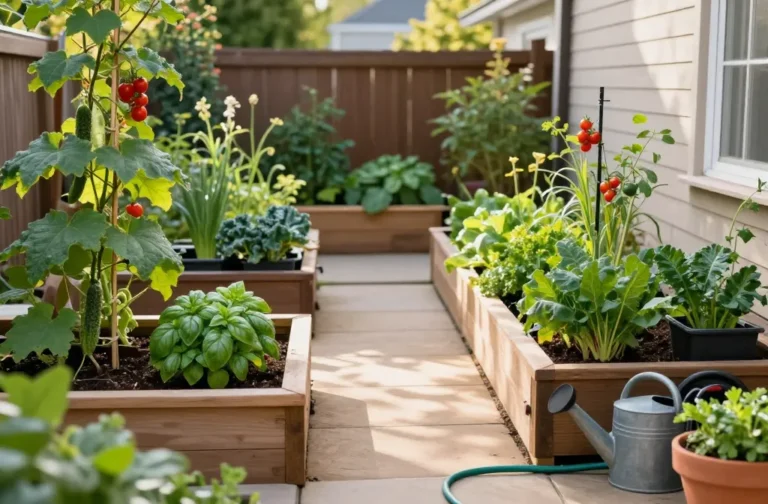
- Looseleaf lettuce (cut-and-come-again), radishes, bush cucumbers, patio tomatoes, dwarf kale
FAQ
When should I start seeds indoors for spring planting?
Start cool-season transplants like broccoli, cabbage, and lettuce 4–6 weeks before your last frost, then harden them off for a week. Start warm-season stars—tomatoes 6–8 weeks before, peppers 8–10 weeks before. Don’t start too early or you’ll get leggy, sulky seedlings that hate transplanting.
What can I plant if I’m already late to the spring party?
Go for quick wins: radishes, baby greens, spinach, beets, bush beans, and transplants of tomatoes or cucumbers. Choose early or compact varieties. IMO, a “late” garden still beats no garden.
How do I keep lettuce from turning bitter?
Plant early, give partial afternoon shade, and keep soil consistently moist. Harvest often—baby leaves taste best. Switch to heat-tolerant varieties or sow again in late summer for fall.
Do I need raised beds for a successful spring garden?
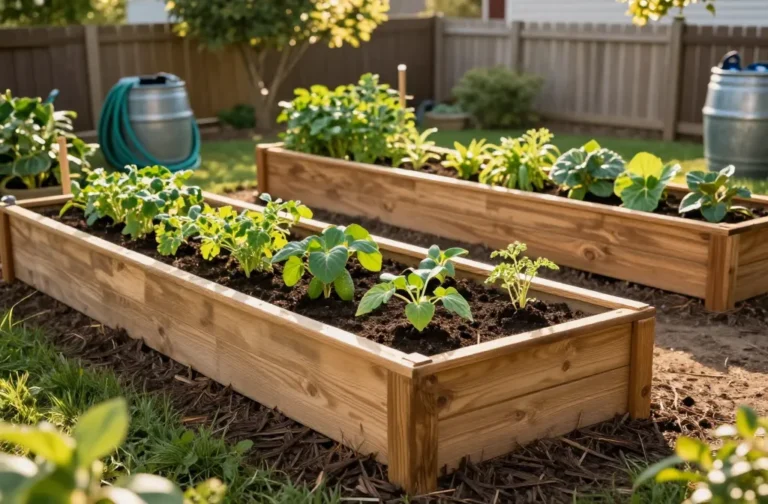
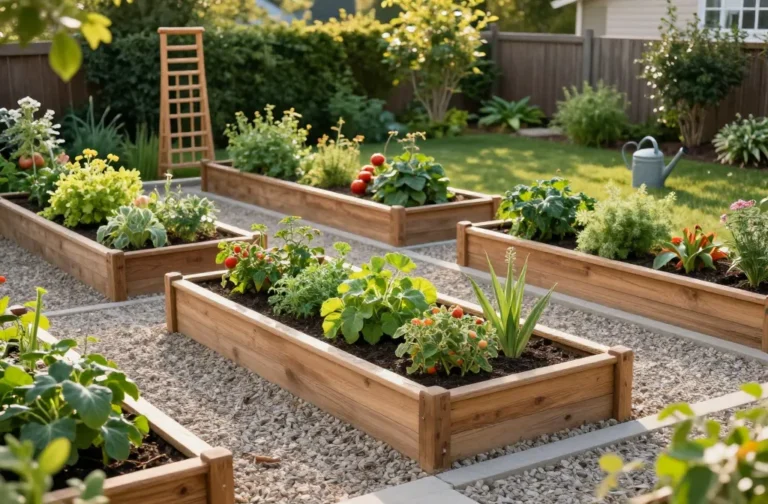
Nope. Raised beds warm faster and drain better, but in-ground beds can crush it too. Focus on good soil structure, compost, and avoiding compaction. If your soil stays soggy, raised beds help a ton.
What’s the easiest spring crop for beginners?
Radishes and looseleaf lettuce. They germinate fast, forgive mistakes, and reward you in weeks. Peas and kale also rank high for low drama and big payoff.
How do I protect against a surprise late frost?
Keep frost cloth, old sheets, or even cardboard boxes ready. Cover plants before sunset and secure edges. Uncover in the morning. For extra-sensitive plants, add jugs of water for thermal mass under the cover—DIY greenhouse vibes.
Wrap-Up: Your Spring Garden, But Easier
Spring rewards action. Plant the cold-hardy crew first, follow with cool-season staples, then drop in warm-weather divas after frost. Layer in compost, water smart, and toss on a row cover when in doubt. Do that, and you’ll eat like royalty by early summer—FYI, nothing beats a salad you grew yourself, except maybe that first sun-warm tomato. Happy planting!
Share this content: