What to Plant in April for a Thriving Summer Garden Now
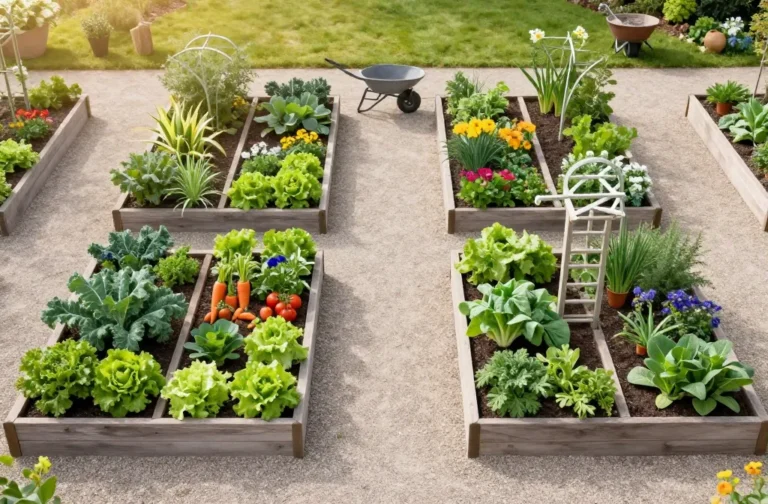
April doesn’t wait for indecisive gardeners. The soil warms, the sun lingers, and your empty beds side-eye you like, “You in or what?” Plant smart this month and you’ll feast all summer—tomatoes that taste like sunshine, cucumbers that crunch like a dream, and flowers that make your neighbors text you for “just one more bouquet.” Let’s load your garden with winners while the season’s on your side.
Know Your Frost Date (So You Don’t Cry Later)
Before you start tossing seeds around like confetti, check your average last frost date. Planting too early can nuke tender seedlings. Planting too late leaves you playing catch-up all season.
General rule:
- Cool-season crops? Plant them now almost everywhere.
- Warm-season crops? Plant after your last frost—or use protection like cloches, hoops, or row cover.
Quick Zone Guide (IMO the cheat sheet you need)
- Zones 3–5: Focus on cool crops outdoors; start warm-lovers indoors or under cover.
- Zones 6–7: You can direct-sow many warm crops late April; still watch the forecast.
- Zones 8–10: Go wild—most summer veggies can go in the ground now.
Cool-Season Workhorses You Should Plant Now
These tolerate chill, grow fast, and get you bragging rights early.
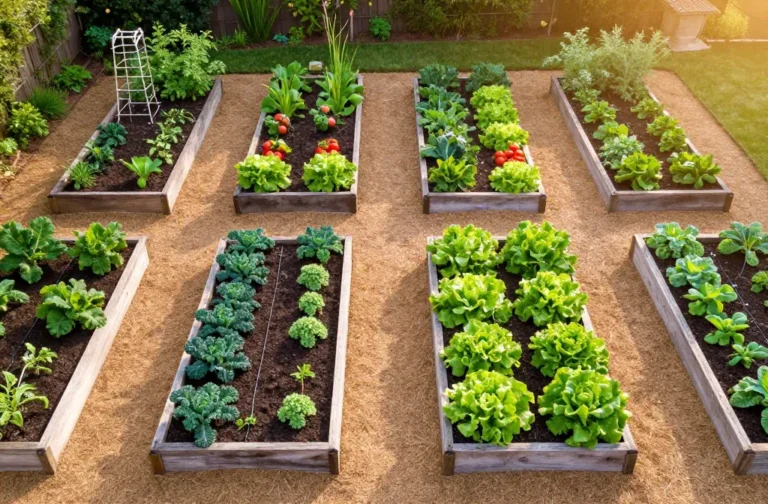
- Lettuce and Salad Mixes: Direct-sow every 2 weeks. Cut-and-come-again blends keep salads happening without drama.
- Spinach and Arugula: Love cool temps. Water consistently or they’ll bolt and taste like lawn clippings.
- Peas (snap, snow, shelling): Soak seeds for a few hours, then plant. Give them a trellis and they’ll climb faster than your to-do list.
- Radishes: 25–35 days to harvest. Instant gratification in root form.
- Carrots: Direct-sow only. Keep the top inch of soil moist until germination. Thin without mercy.
- Beets: Roots and greens both shine. Space properly so bulbs actually bulb.
- Kale and Swiss Chard: Start now for steady harvests through summer, especially chard—it laughs at heat.
Soil Prep for Cool Crops
- Compost: Add 1–2 inches and mix lightly. Don’t bury seeds too deep in fluff.
- pH: Aim for 6.0–7.0. Most greens forgive, but don’t push your luck.
- Mulch: Use a light layer (straw or shredded leaves) to keep soil cool and moist.
Warm-Season Headliners to Start (or Plant) in April
If frost still threatens, start indoors. If your frost date passed, into the ground they go.
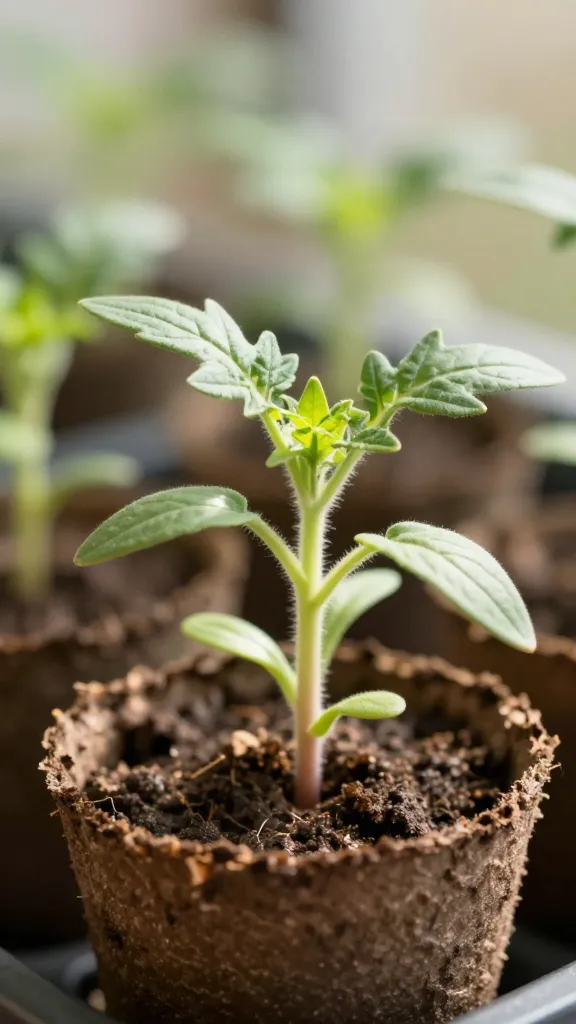
- Tomatoes: Cherry types produce quickly; slicers need more time. Plant deep—bury stems to encourage extra roots.
- Peppers: Need warmth. Black plastic mulch or fabric keeps soil toasty. Stake early to avoid the “sprawling regret” phase.
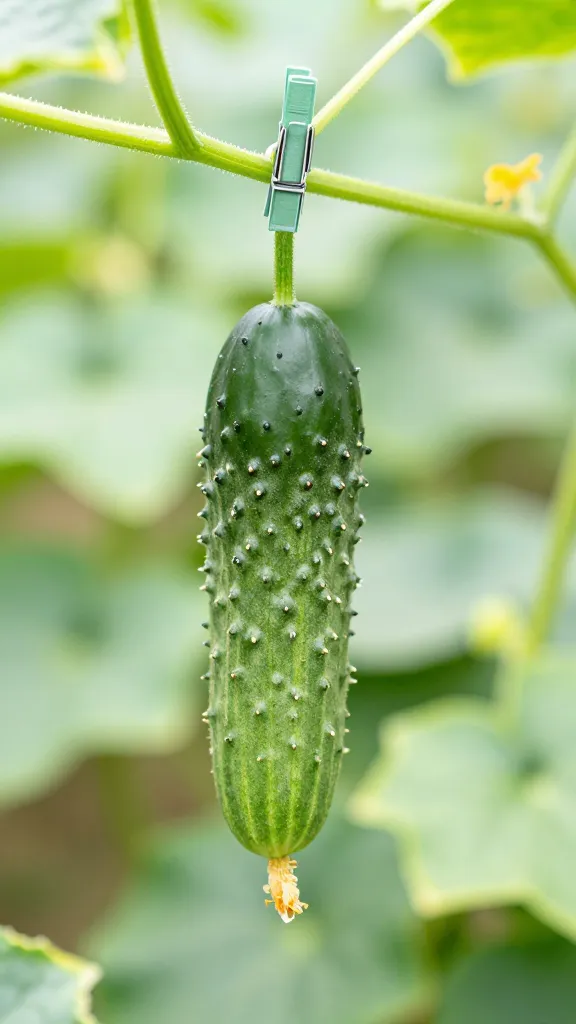
- Cucumbers: Direct-sow after frost or start in biodegradable pots. Trellis for straighter fruit and fewer slug bouncers.
- Squash and Zucchini: Two plants feed a family…and probably your block. Sow late April in many zones.
- Beans (bush or pole): Direct-sow. Pole beans save space and look charming on a teepee trellis.
- Corn: Needs blocks, not rows, for good pollination. Plant at least 4×4 short rows. IMO, mini blocks beat one sad line every time.
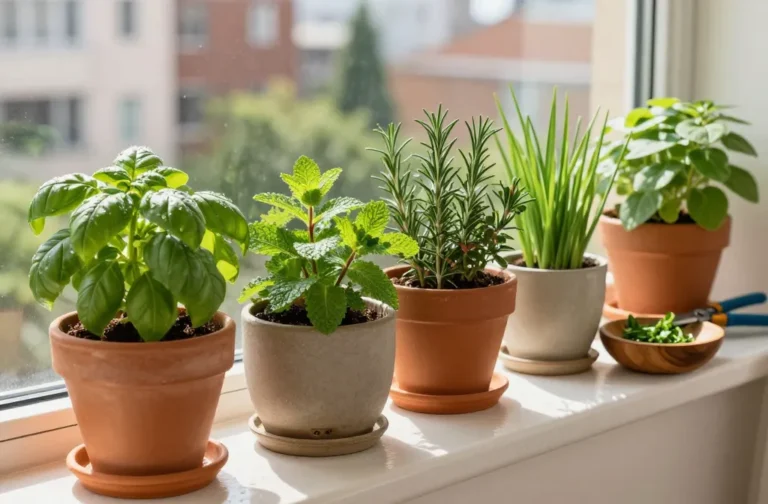
- Herbs (Basil, Dill, Cilantro): Basil wants warmth; plant after frost. Cilantro prefers cooler weather—succession sow now.
Transplant Tips for Warm Crops
- Harden off: Give seedlings 7–10 days outdoors in shade, then partial sun, before planting.
- Warm soil: Aim for 60–70°F for tomatoes/peppers; use a soil thermometer. FYI, your finger guess is usually wrong.
- Spacing: Follow tags. Overcrowding = disease and puny yields.
Flowers That Feed Pollinators (and Your Soul)
You want bees and butterflies working overtime? Plant these now and thank me in July.
- Sunflowers: Direct-sow. Stagger plantings every 2–3 weeks for continuous bloom and instant cheer.
- Zinnias: Heat lovers that bloom like crazy. Great for cutting—deadhead and they’ll keep going.
- Cosmos: Forgiving, drought-tolerant, and ridiculously pretty. Direct-sow after frost.
- Marigolds: Support tomatoes by deterring pests. Plus, they smell like childhood gardens.
- Nasturtiums: Edible flowers with peppery leaves. Trailing types spill beautifully over beds and containers.
Native and Perennial Picks
- Echinacea, Black-eyed Susan, Milkweed: Start now for future seasons. They feed pollinators and return stronger each year.
- Lavender and Sage: Prefer well-drained soil. Don’t coddle—overwatering kills them faster than neglect.
Succession Planting: Your Secret to Nonstop Harvests
Why harvest once when you can harvest all summer?
- Every 2 weeks: Sow lettuce, radishes, cilantro.
- Every 3–4 weeks: Sow bush beans and carrots.
- Plan swaps: After peas finish in early summer, replant with cucumbers or bush beans.
- Stagger tomato types: Early, mid, and late-season varieties = tomatoes from June to frost.
Interplanting Combos That Actually Work
- Radishes under cucumbers: Radishes mature before cukes shade them out.
- Lettuce between tomatoes: Lettuce loves the partial shade while tomatoes size up.
- Basil with tomatoes: Classic duo; helps airflow and flavor vibes (scientific? Debatable. Delicious? Yes).
Soil, Water, and Mulch: Set It and Chill (Sort Of)
Great plants start with great soil. No, the fertilizer fairy won’t fix junk dirt.
- Add organic matter: Compost, aged manure, or leaf mold. Aim for crumbly, dark soil that drains but holds moisture.
- Fertilize smart:
- Leafy greens: Higher nitrogen (fish emulsion, blood meal).
- Fruit crops: Balanced or slightly higher phosphorus/potassium (tomato-tone, composted manure).
- Watering: Deep and infrequent beats daily spritzing. Early morning wins. Drip irrigation = fewer diseases and more sanity.
- Mulch: Straw, wood chips (for paths/perennials), or shredded leaves. Mulch holds moisture and stops weeds from throwing a party.
Pest and Disease Prevention (Because Something Always Wants a Bite)
You can’t avoid every pest, but you can stack the deck.
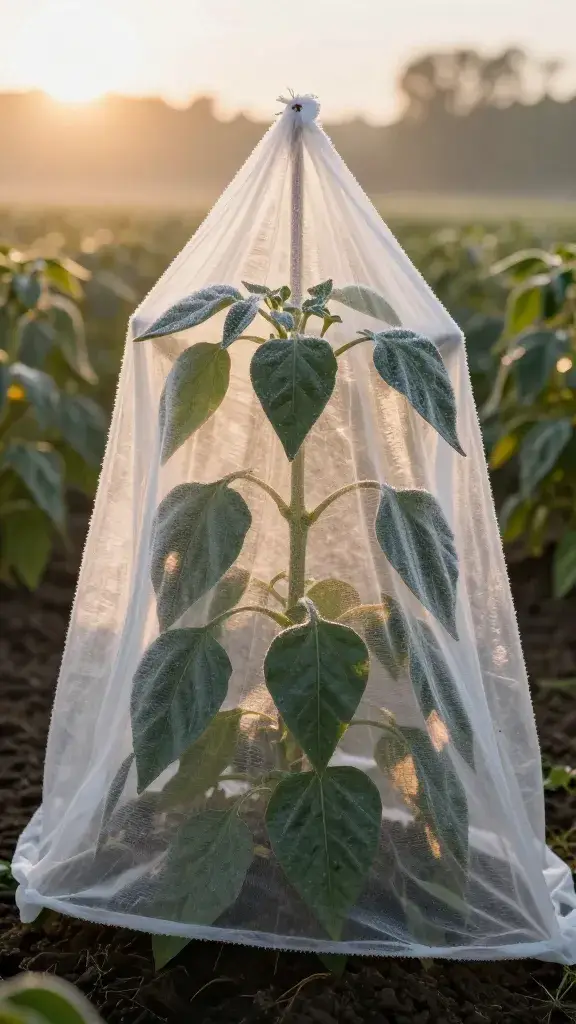
- Row covers: Block cucumber beetles, flea beetles, and cabbage worms. Remove for pollination on squash/cukes when flowers open.
- Crop rotation: Don’t plant tomatoes/peppers in the same spot as last year. Nightshades hog nutrients and spread diseases.
- Airflow: Space plants, prune lower tomato leaves, water at the base. Mildew hates fresh air.
- Hand-pick early: Squish squash bug eggs, pluck hornworms (chickens think they’re candy).
April Garden FAQ
Can I plant tomatoes in April?
Yes—if your last frost passed and your soil sits above 60°F. If not, start indoors or plant under a low tunnel with row cover. Cold snaps stunt tomatoes, and stunted tomatoes sulk all season.
What can I plant in April if I still get frost?
Stick to cool-season champs: peas, carrots, beets, radishes, lettuce, spinach, kale, and onions. You can also plant potatoes now. Save tomatoes, peppers, squash, and basil for after frost or keep them covered.
How do I warm up my soil faster?
Lay down black plastic or landscape fabric a week or two before planting. Raised beds warm quicker than ground-level beds. FYI, clear plastic warms fastest but can also sprout weeds—choose your fighter.
Is it too late to start seeds indoors?
Not at all. Start basil, cucumbers, squash, and even a late round of tomatoes. Choose faster-maturing varieties and you’ll still harvest in summer.
Which flowers should I plant with veggies for better pollination?
Sunflowers, zinnias, cosmos, calendula, nasturtiums, and marigolds. Plant them at bed ends or as borders. They attract beneficial insects and make your garden look like it has its life together.
How do I stop my lettuce from turning bitter in summer?
Grow heat-tolerant varieties, keep soil evenly moist, and provide afternoon shade. Harvest often and don’t let plants bolt. IMO, a 30% shade cloth works wonders in hot spells.
Wrap-Up: April’s Your Launchpad
April gives you a head start and a second chance—cool crops now, warm stars soon after frost. Mix quick wins like radishes and salad greens with heavy hitters like tomatoes, peppers, and beans. Add flowers for pollinators (and vibes), mulch like you mean it, and keep sowing every couple of weeks. Do that, and your summer garden won’t just survive—it’ll flex.
Share this content: