Viral Guide to Common Health Problems in Silkie Chickens (with Signs & Solutions)
Silkies might look like walking pom-poms, but under all that fluff they’re chickens with quirks, needs, and a few drama-prone health issues. If you’ve ever watched your Silkie sneeze into her beard and wondered “is that normal?”—you’re in the right place. Let’s run through the most common health problems in Silkie chickens, what to watch for, and how to handle them without spiraling into a Google rabbit hole at 2 a.m.
Why Silkies Need a Little Extra TLC
Silkies bring the vibes: sweet temperaments, broody personalities, and that insane fluff. But that fluff changes the game. Their feathers lack the barbicels that latch together, so they don’t shed water well, they can’t see great if the crest overgrows, and mud sticks like glue. Add in feathered feet and black skin that hides issues, and you’ve got a breed that needs some specific care.
Bottom line: Silkies stay healthier when you manage moisture, vision, footing, and fluff. Easy enough, right?
Respiratory Troubles: Sniffles, Sneezes, and Noisy Breathing
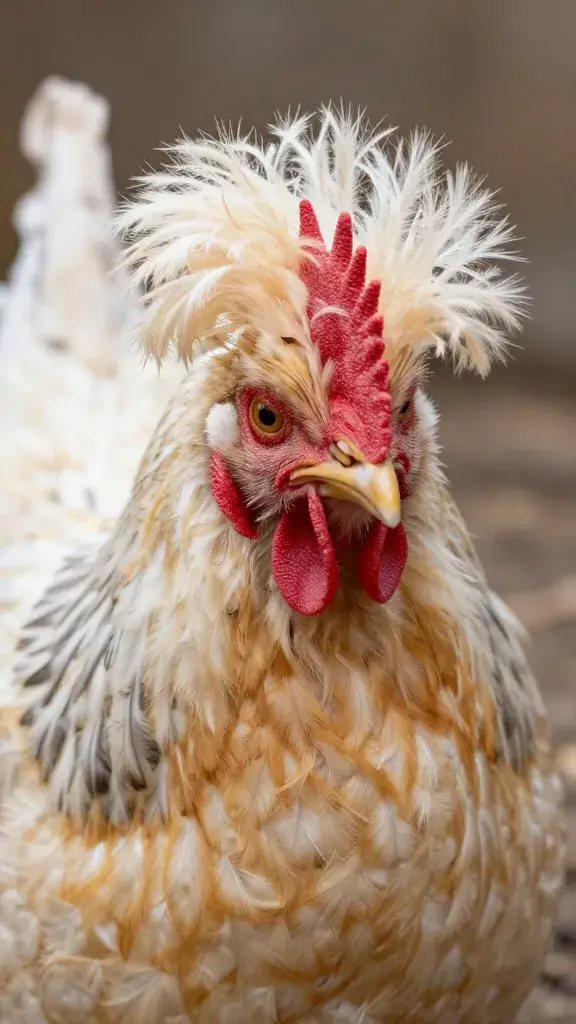
Silkies can struggle with respiratory infections, especially in damp, dusty, or drafty coops. Think of their fluffy faces like air filters—they trap dust and dander right where they breathe.
Common signs:
- Frequent sneezing or coughing
- Raspy breathing, wheezing, or open-mouth breathing
- Watery eyes, nasal discharge, swollen sinuses
- Lethargy, reduced appetite, or suddenly not laying
What to do:
- Improve ventilation without causing drafts. Fresh air in, stinky air out.
- Keep bedding dry and low-dust. Pine shavings beat dusty straw, IMO.
- Isolate sick birds fast to protect the flock.
- Hydrate and support with electrolytes and easy-to-reach feed.
- Call a vet if breathing sounds harsh, eyes swell, or symptoms last more than a day or two; bacterial infections may need antibiotics.
Prevention tips that actually work
- Trim overgrown crests slightly so they can see feeders and skip face-planting in dust baths.
- Clean coop weekly; deep-clean monthly. Yes, I know, but it helps.
- Quarantine all new birds for at least 2 weeks. FYI: It’s worth it.
Foot and Leg Issues: Feathered Feet, Mud, and Bumblefoot
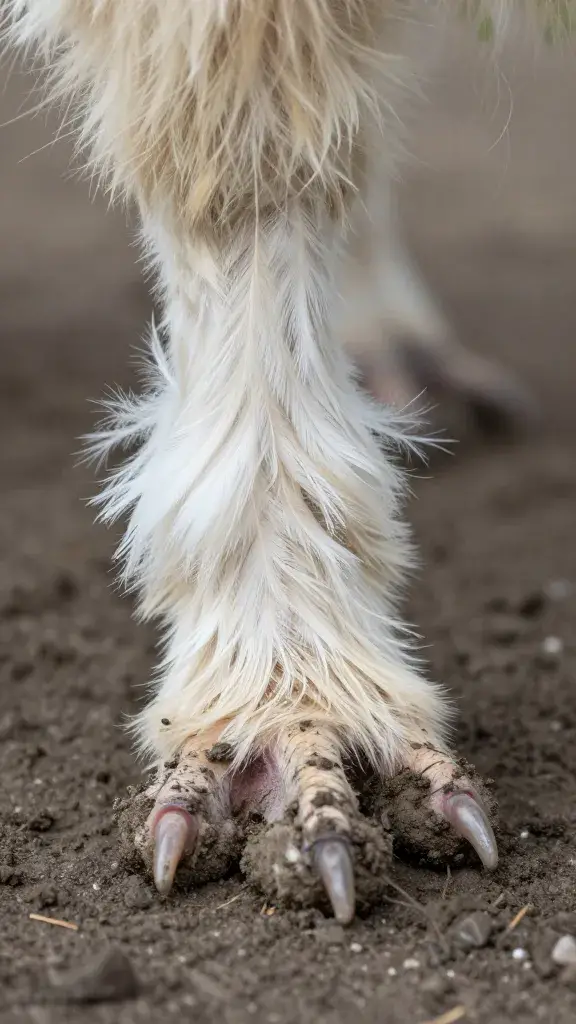
Feathered feet look adorable. They also collect mud, ice, and poop like a magnet. That mess can rub the skin raw and invite infection.
Watch for:
- Swollen, hot, or painful foot pads
- Dark scab on the bottom of the foot (classic bumblefoot)
- Broken or missing toe feathers with irritated skin
- Limping or reluctance to perch
Solutions:
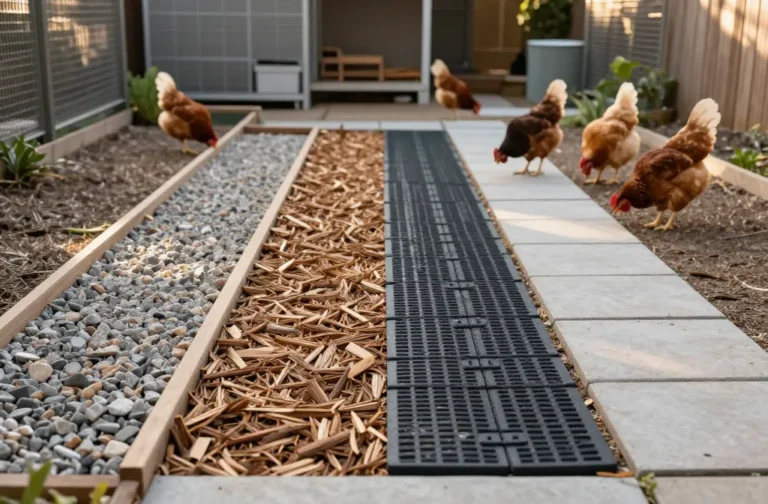
- Keep run floors dry with gravel, sand, or deep litter that drains well.
- Check feet weekly—especially after rain or snow.
- Trim long toe feathers just a bit to reduce snagging.
- Treat bumblefoot with Epsom soaks, disinfecting, and vet care for severe cases. Don’t delay if swelling spreads.
Winter caution
Wet feathers freeze. Give Silkies covered runs in winter and skip slushy free-ranging. Frostbite likes damp toes.
Eye and Crest Problems: Can They Even See?
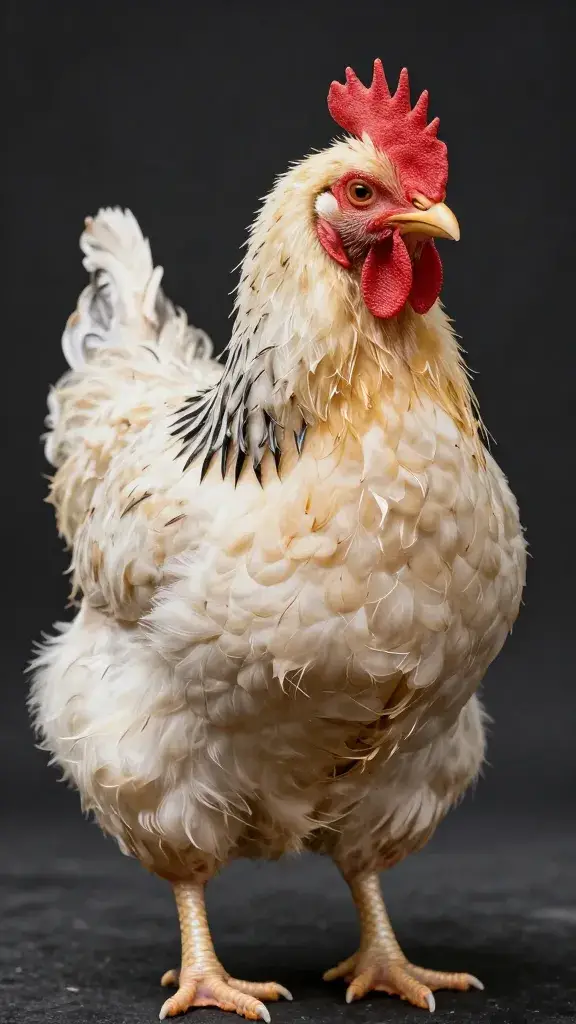
That massive pom-pom crest? It’s cute until it blocks their vision and traps gunk. Silkies can bump into things, miss food, and get eye infections from irritation.
What you’ll notice:
- Head shaking, squinting, or rubbing eyes on feathers
- Crusty or foamy eyes
- Reluctance to move or eat because, well, they can’t see
Fix it:
- Trim the crest around the eyes with small scissors. Go slow. Treat it like bangs, not a buzz cut.
- Keep faces clean—wipe gently with warm water if sticky.
- Separate bullies; pecking at poofy crests happens, and it’s not cute.
When to worry
If eyes swell, cloud, or ooze, or if the bird keeps one eye closed, consult a vet. Corneal ulcers or respiratory-linked eye issues need treatment.
Broodiness and Reproductive Headaches
Silkies go broody like it’s their full-time job. That can be adorable—and also risky if they stop eating and drinking enough.
Broody signs:
- Refuses to leave the nest and growls (yes, they growl)
- Puffs up and tucks eggs under like a dragon hoarding gold
- Poops giant, terrifying broody bombs
Management:
- Let her hatch if you want chicks—Silkies are elite moms.
- Break broodiness if you don’t: use a wire-bottom “broody breaker” crate with food, water, and airflow for a few days.
- Monitor weight and hydration. Broodies can run themselves down fast.
Egg binding (rare but serious)
Watch for straining, penguin stance, or hanging around the nest looking miserable. Give a warm, quiet space, provide calcium, and call a vet if no egg passes within hours. This one’s urgent, FYI.
External Parasites: Mites, Lice, and Itchy Drama
Fluffy feathers create a five-star resort for mites and lice. These pests cause anemia, weight loss, and cranky chickens.
How to spot it:
- Restless preening, feather loss, or scabby skin
- White clumps (lice eggs) at feather bases, especially near the vent
- Red mites crawling on roosts at night (fun surprise!)
What works:
- Inspect monthly, more often in warm weather.
- Treat birds and the coop with an appropriate poultry-safe product per label directions.
- Refresh bedding and clean roost cracks where mites hide.
- Provide a dry dust bath area with clean sand or soil.
Pro tip
If one bird has parasites, assume they all do. Treat the whole flock and repeat as directed. Otherwise, you’re just giving the bugs a spa day.
Scaly Leg Mites and Skin Issues
Those cute feathered legs can hide scaly leg mites burrowing under the leg scales. Not fun.
Signs to watch:
- Raised, crusty leg scales
- Thickened toes or lameness in advanced cases
Action plan:
- Soak legs in warm, soapy water to loosen debris.
- Dry and apply an occlusive oil to smother mites; repeat weekly until new smooth scales grow in.
- Sanitize perches and bedding.
Nutritional Gaps and Fluffy-Bird Weight Checks
Silkies can’t compete with bigger breeds at the feeder, and their fluff hides weight loss. They also need balanced nutrition for strong feathers and immune health.
Keep them fueled:
- Feed a complete ration (starter/grower for chicks, layer for active layers, or an all-flock feed with free-choice oyster shell).
- Offer multiple feeding stations so shy Silkies get their share.
- Limit treats to around 10% of diet. Mealworms are snacks, not a lifestyle.
- Handle and weigh monthly. Feel the keel bone; it should feel padded, not sharp.
Vitamin support
Chicks with wry neck or weakness may benefit from vitamin E and selenium support per vet guidance. If a chick’s neck curls and they struggle to stand, address it fast.
General Prevention: The Silkie Success Checklist
Want fewer meds and fewer meltdowns? Build good habits.
- Dry, draft-free housing with excellent ventilation
- Clean water at all times; elevate waterers to keep fluff out
- Regular grooming: crest trims, foot checks, and quick health scans
- Quarantine new birds for at least 14 days
- Predator-safe, mud-managed runs so they don’t live in a swamp
- Know a poultry-savvy vet before an emergency hits
FAQ
Do Silkies handle rain and snow well?
Not really. Their feathers don’t repel water, so they soak through fast and chill easily. Give them covered spaces during bad weather and towel-dry any drenched bird, then move her to a warm, draft-free area.
Can I let Silkies free-range?
Yes, but supervise. Their vision can be limited by crests, and they move slower than most breeds. Keep sessions short, avoid muddy areas, and watch for hawks—Silkies don’t exactly blend in.
How often should I trim a Silkie’s crest?
Every 4–8 weeks, depending on growth. Aim for a tidy window around the eyes so they can see food, water, and you waving the treat cup like a dork.
What’s the best bedding for Silkies?
Use dry, absorbent options like pine shavings. Avoid dusty material and soggy straw. In runs, sand or fine gravel helps drain water and keeps foot feathers cleaner.
Are Silkies more prone to Marek’s disease?
All chickens can get Marek’s, but small, ornamental breeds sometimes get hit hard. Vaccinate chicks if possible and avoid mixing vaccinated with unvaccinated birds from unknown sources. Quarantine remains your best friend, IMO.
How do I tell if a Silkie is underweight under all that fluff?
Feel the keel bone along the chest. If it feels sharp with little muscle on either side, that bird needs more calories and maybe a private dinner table. Weigh regularly to catch changes early.
Conclusion
Silkies come with extra fluff and a few extra chores, but nothing wild. Keep them dry, keep their faces tidy, watch those feet, and feed them well. Do that, and your little pom-poms will strut, coo, and brood their way into your heart—and not your emergency fund. FYI: a tiny pair of scissors and a good sense of humor solve half of Silkie problems.
Share this content: