Viral Guide 7 Easy Plants for a Beginner Flower Bed That Looks Full Fast
Your flower bed can look lush in weeks, not months. You just need the right cast of overachievers. These plants grow fast, fill space like pros, and shrug off newbie mistakes. Ready to plant once and then bask in compliments?
1. The MVP: Supertunia Petunias For Instant Bloom Blankets
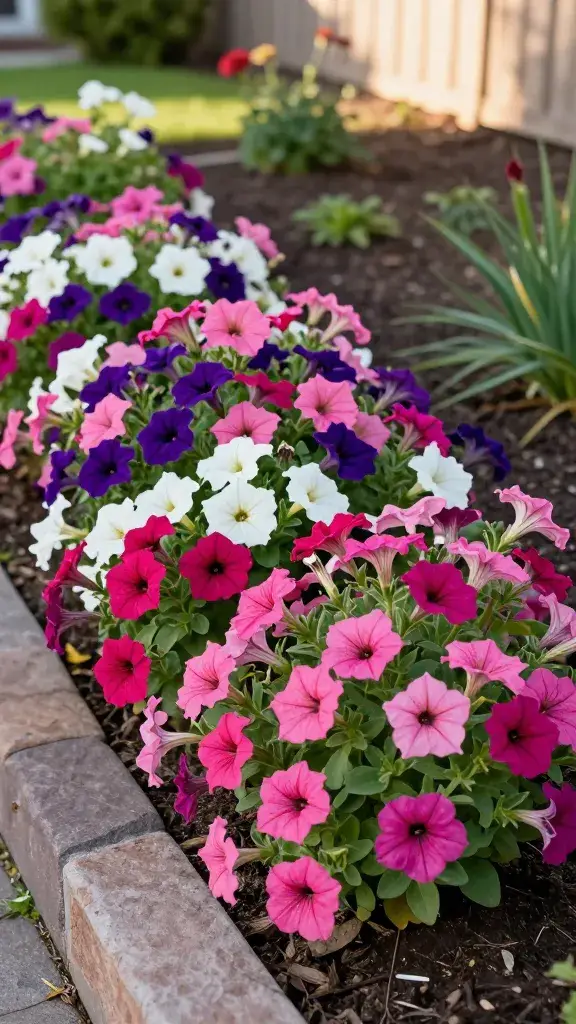
Want color that spills over edges and covers bare soil fast? Supertunia petunias spread like a colorful carpet and bloom from spring to frost. They don’t sulk when you forget a watering (within reason), and they love full sun.
Why They’re Awesome
- Vigorous spreaders that quickly cover open patches
- Nonstop flowers without deadheading
- Come in punchy colors that play nicely with almost anything
Plant them along the front edge or let them cascade from raised beds. Give them decent soil, sun, and a little fertilizer and they’ll do the most. Use them when you need immediate curb appeal and zero drama.
2. The Fuzzy Filler: Lamb’s Ear For Soft, Silvery Contrast
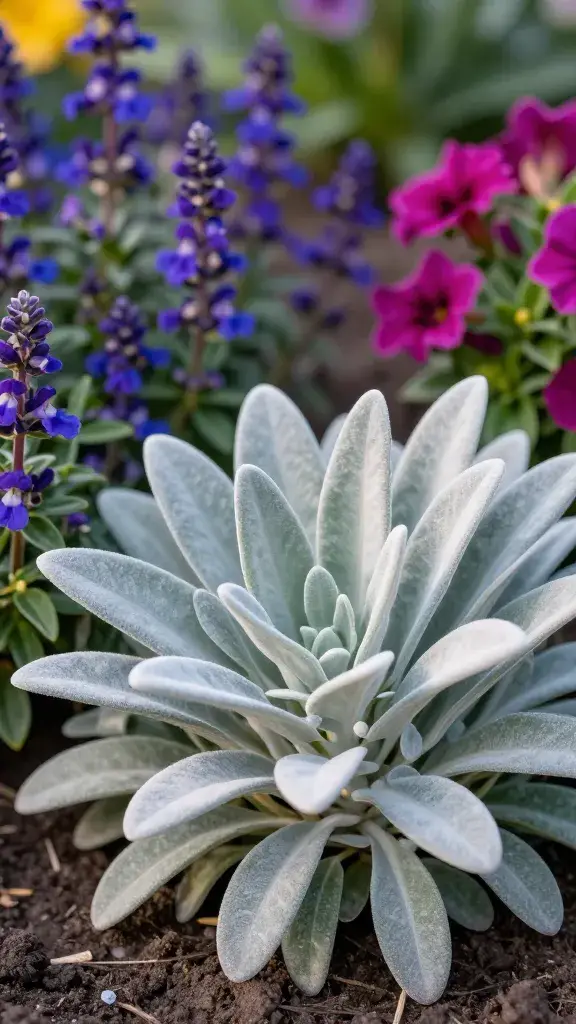
Every vibrant bed needs a chill friend for balance. Enter lamb’s ear with its velvety, silver leaves that make bright blooms pop. It spreads politely, fills gaps, and looks designer-level with almost zero upkeep.
Tips
- Full sun to light shade works; avoid soggy spots
- Trim flower spikes if you prefer a tidy, all-foliage look
- Pair with purples, blues, and magentas for instant wow
Use lamb’s ear as a soft edging or clustered mid-bed to break up color chaos. It’s perfect when your bed needs texture and “I planned this” energy.
3. The Height Hack: Russian Sage For Airy, Tall Drama
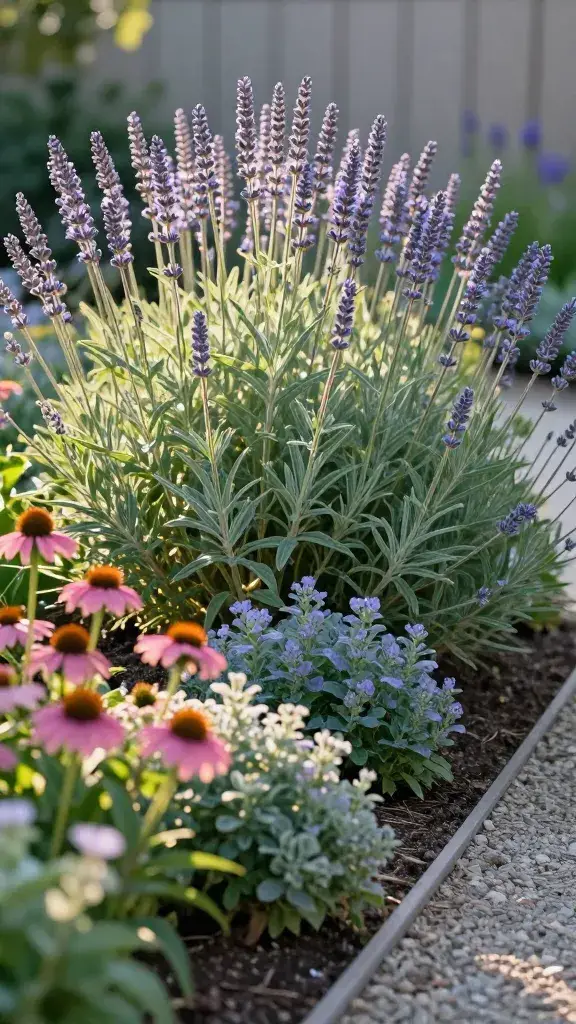
If your bed looks flat, add Russian sage and watch the whole scene level up. Tall, wispy stems with lavender-blue blooms create a dreamy haze that screams “expensive garden.” It’s drought-tolerant and thrives on neglect—seriously.
Key Points
- Full sun and well-drained soil are non-negotiable
- Give it room; it can hit 3–4 feet tall and wide
- Cut back in late winter to keep it tidy
Tuck it behind lower bloomers to get instant layers. Use when you want height fast without staking or fuss.
4. The Pollinator Magnet: Black-Eyed Susans For Golden, Carefree Color
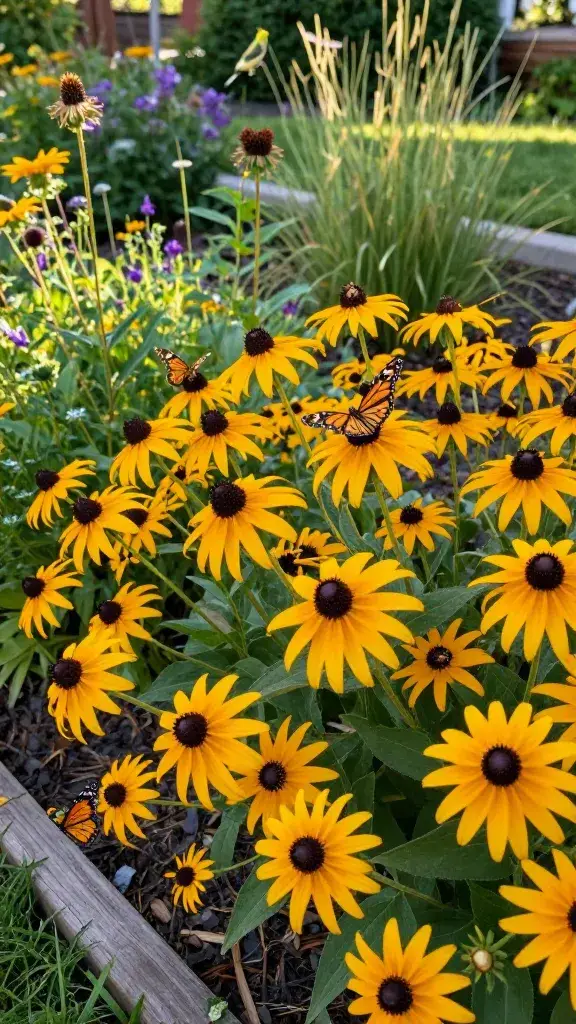
Black-eyed Susans bring cheery gold blooms and a whole lot of butterflies. They’re hardy, forgiving, and spread enough to make a bed look full without going feral. They bloom mid-to-late summer right when some plants take a nap.
Planting Notes
- Full sun gives the best bloom show
- Divide every few years to keep clumps fresh
- Leave some seed heads for birds and self-seeding (free plants!)
Use them as mid-bed anchors that unify your palette. Perfect for beginners who want easy color and legit wildlife street cred.
5. The Shade Saviour: Hosta + Heuchera Combo For Lush Layers
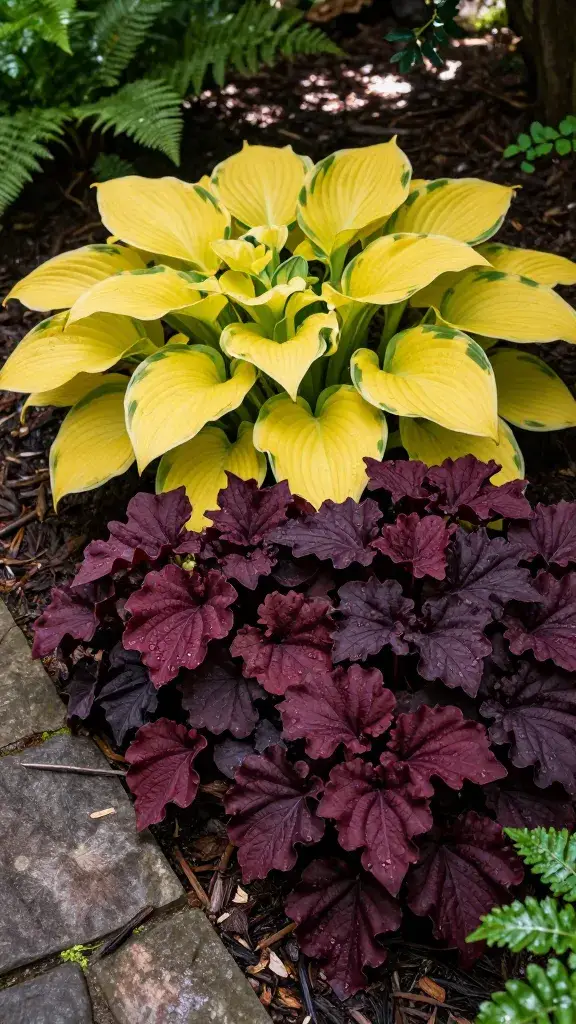
Got part shade? This duo delivers fast fullness without drama. Hostas bring big, bold leaves, while heuchera adds glossy, ruffled foliage in colors from caramel to near-black. Together they create instant depth and look like you hired a stylist.
Design Moves
- Layer hosta (back) and heuchera (front) for quick volume
- Mix leaf colors—chartreuse hosta + deep burgundy heuchera = chef’s kiss
- Keep soil moist but not swampy; mulch helps
Use this combo when sun is patchy and you want “lush woodland chic” fast. IMO, it’s the easiest way to make a shady bed look rich and full.
6. The Evergreen Backbone: Boxwood (Or Compact Inkberry) For Year-Round Structure
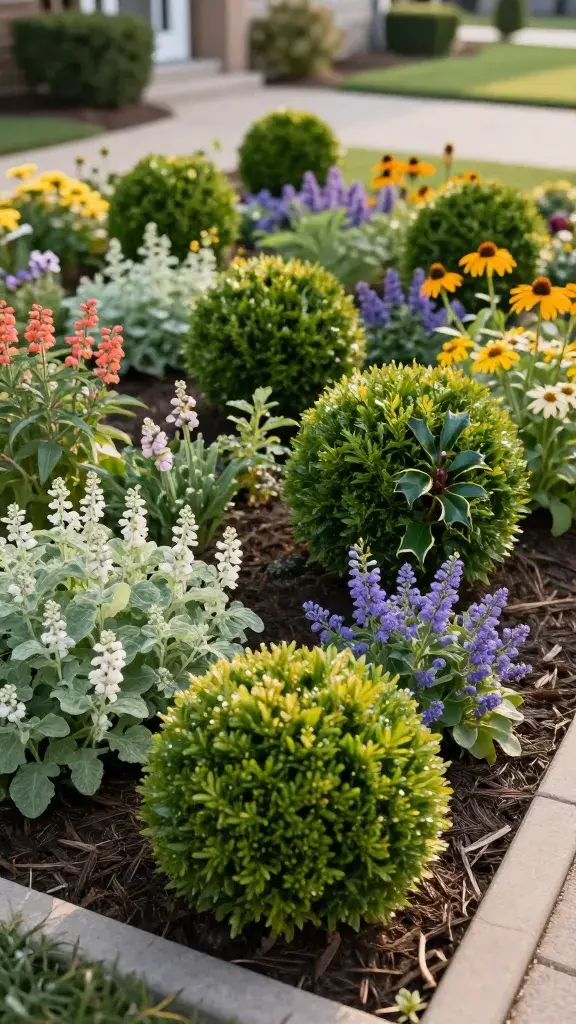
Flowers come and go, but structure holds your bed together. Small boxwood balls or compact inkberry hollies give you evergreen bones that make everything else look intentional. They’re basically the frame that flatters your entire arrangement.
How To Use
- Plant in odd numbers to avoid the “marching soldiers” look
- Choose dwarf or compact varieties to keep pruning minimal
- Mix with perennials to anchor the chaos
Stick a few at corners or as repeating accents. Use them anytime your bed feels floppy and formless—these guys say, “Yes, I meant to do that.”
7. The Scented Show-Off: Catmint (Nepeta) For Clouds Of Color And Bees
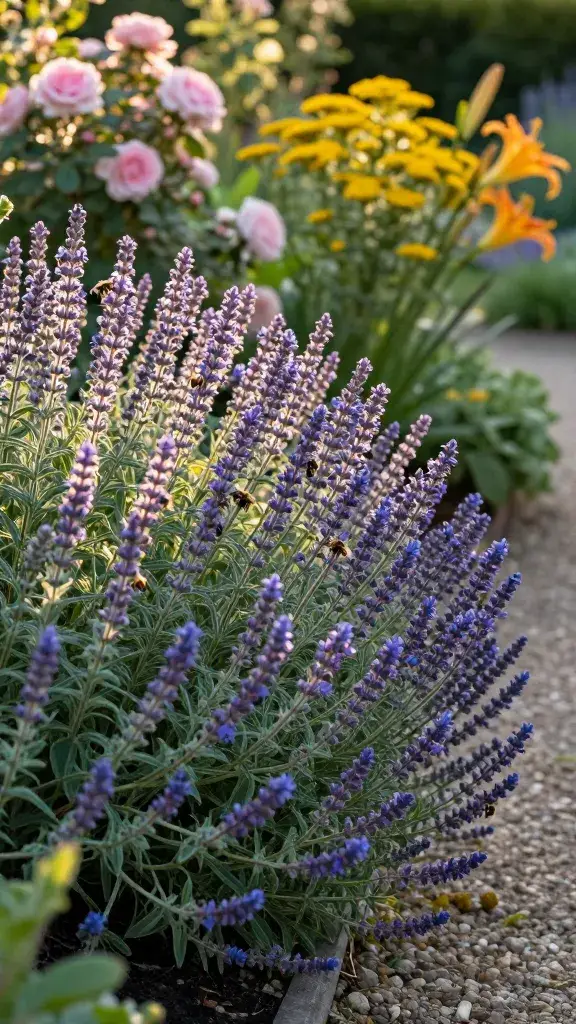
Catmint throws soft mounds of purple-blue blooms for months and laughs at heat and drought. It fills space quickly, smells lovely, and attracts pollinators like it’s hosting a block party. Cut it back midseason and it rebounds with fresh flowers. FYI, it’s not the same as catnip—less cat chaos, more garden glory.
Quick Guide
- Full sun for best bloom
- Great along paths and bed fronts for a soft edge
- Pairs beautifully with roses, daylilies, and yarrow
Use catmint when you want that blown-out, cottage-garden vibe fast. It’s the ultimate filler that makes everything around it look better.
Putting It All Together
- Back row: Russian sage + a few evergreens for height and structure
- Middle: Black-eyed Susans + hosta (if you’ve got shade nearby)
- Front/edges: Supertunia petunias + catmint + lamb’s ear for texture and spill
- Pro move: Repeat colors—purples and golds—so the bed feels cohesive
Ready to dig in? Pick three or four of these, repeat them in clusters, and boom—full, fabulous, and low-stress. Plant once, water well the first few weeks, and let these overachievers do their thing. Trust me, your neighbors will think you hired a landscaper.
Share this content: