Viral Guide 10 Easy Vegetables to Grow in Containers for Beginners
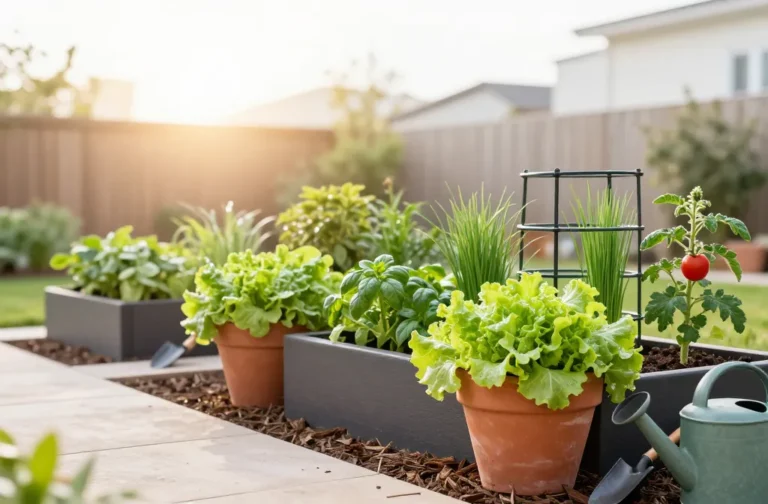
Craving fresh veggies but only have a balcony, windowsill, or patio? You’re in luck—containers turn tiny spaces into mini farms fast. These beginner-friendly picks forgive missed waterings, laugh at small pots, and still taste amazing. Ready to harvest without yard drama? Let’s plant smart and eat better.
1. Cherry Tomatoes That Won’t Quit
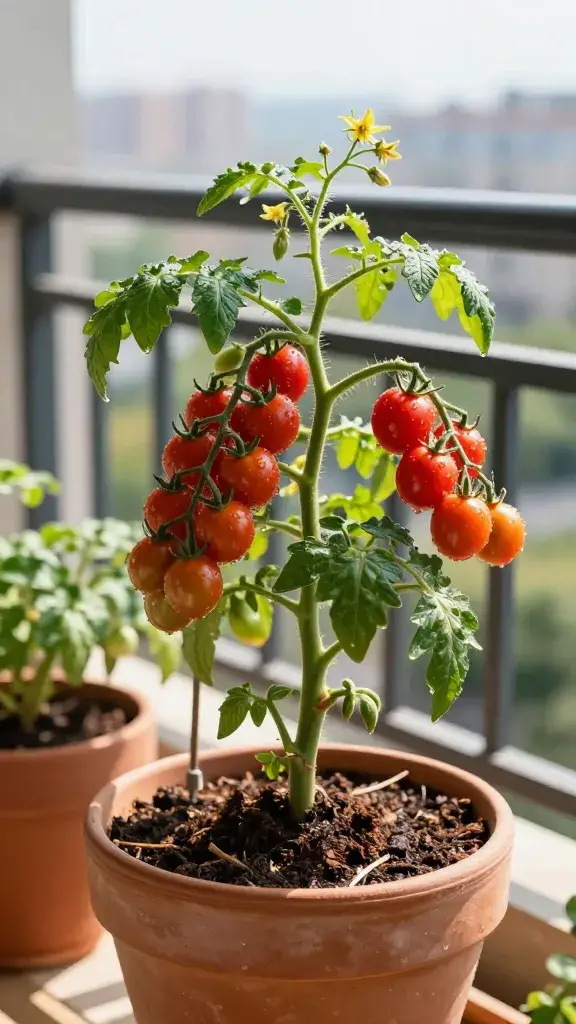
Cherry tomatoes are the overachievers of the container world. They set fruit like crazy, look adorable on a balcony, and make every salad taste like summer. Plus, smaller fruits mean fewer problems with splitting and pests.
Container & Setup
- Pot size: 5 gallons minimum (bigger = happier)
- Support: Cage or stake at planting
- Soil: High-quality potting mix with compost blended in
Use a sunny spot—6 to 8 hours of direct light—because tomatoes love heat. Water deeply when the top inch dries out and feed every 2 weeks with a balanced liquid fertilizer.
Best for: Snacking, quick pasta sauces, and anyone who wants instant garden wins.
2. Leafy Lettuces For Fast, Crunchy Wins
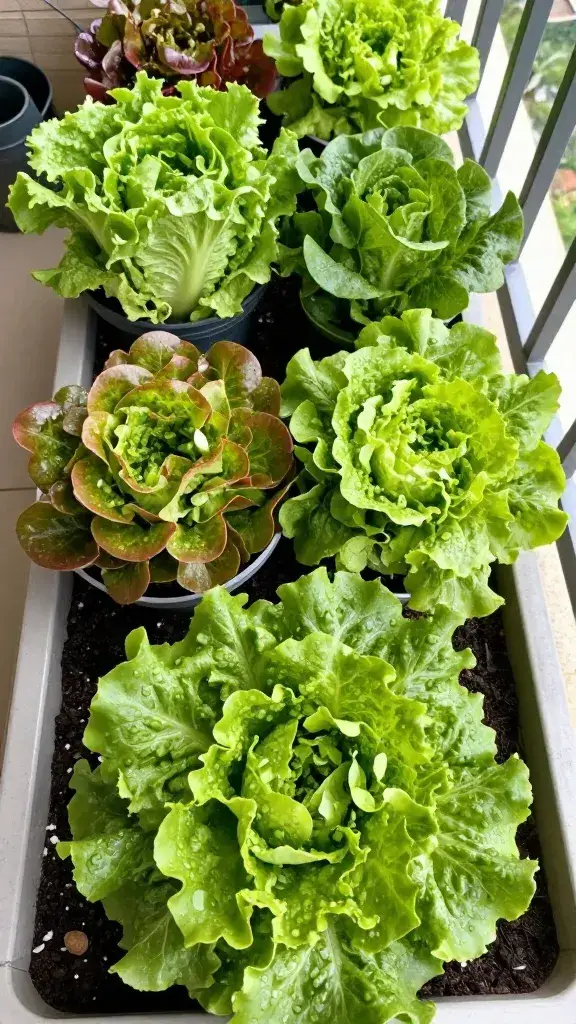
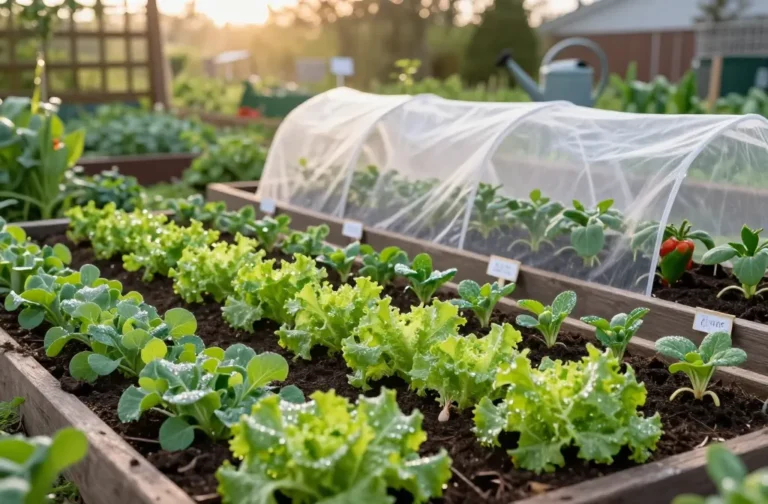
Lettuce grows fast, doesn’t need deep pots, and looks lush. You can harvest baby leaves in three weeks, which is basically instant gratification in plant time. Cut-and-come-again varieties keep salads flowing for months.
Tips
- Pot size: 6–8 inches deep; wide bowls work great
- Shade tolerance: Partial sun is fine, especially in hot climates
- Water: Keep evenly moist to prevent bitterness
Plant multiple types—romaine, butterhead, and looseleaf—for flavor and texture. FYI, they don’t love heat, so give them afternoon shade in summer.
Best for: Beginners who want quick harvests and zero fuss.
3. Bush Beans That Thrive In A Tub
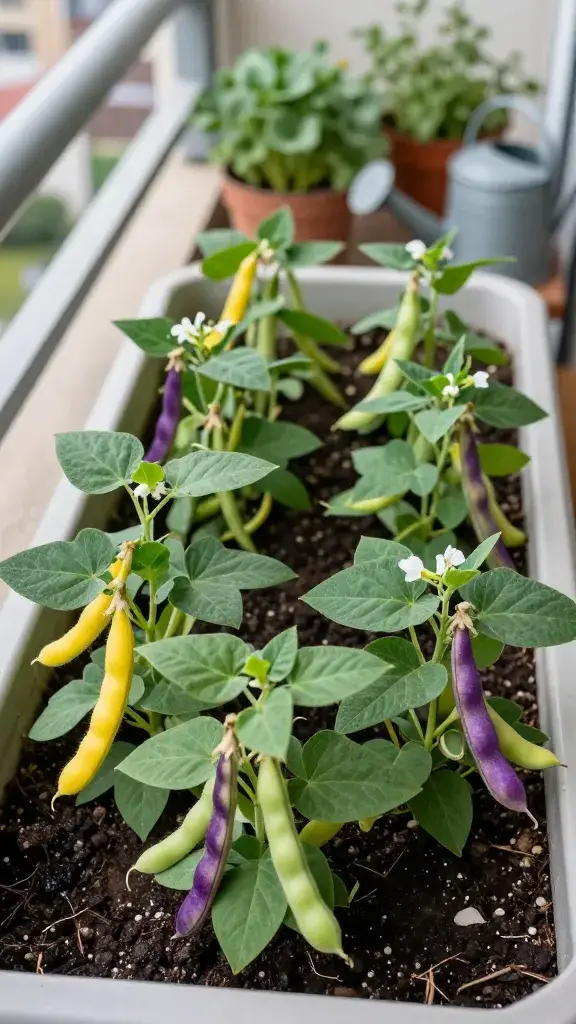
Bush beans don’t need trellises, they germinate reliably, and they give you steady harvests. They pull nitrogen from the air, which helps keep soil healthy—little green wizards, honestly.
How To Nail It
- Pot size: 10–12 inches deep; long window boxes work
- Spacing: 4–6 inches apart
- Water: Consistent moisture during flowering
Pick often to keep the plant producing. Try green, yellow, or purple beans for fun colors that actually taste different (purple turns green when cooked—science!).
Best for: Crunchy snackers and weeknight stir-fry heroes.
4. Peppers That Love The Heat (And Pots)
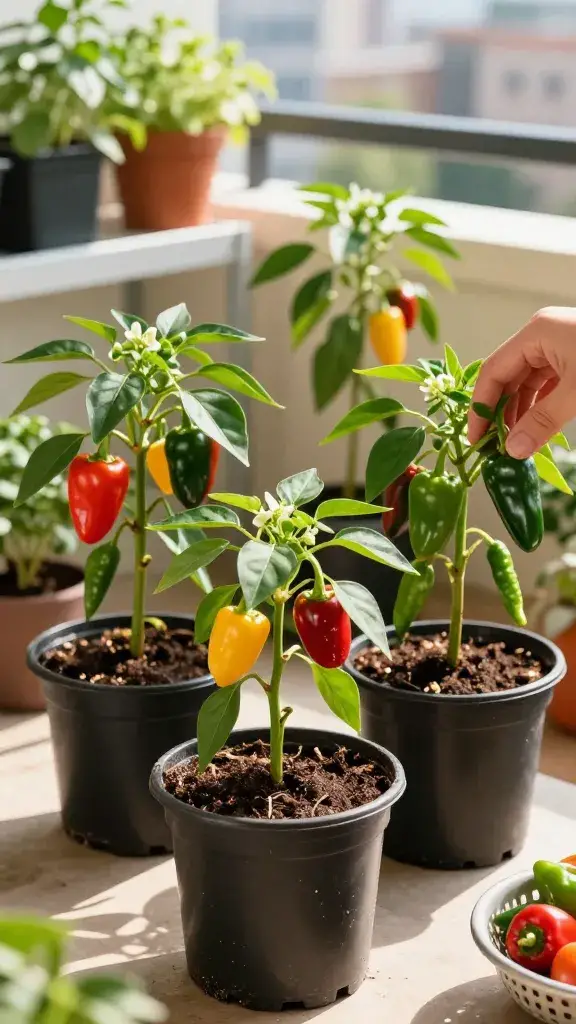
Peppers adore warm containers—those black pots are basically spa day. Whether you go sweet or spicy, the plants stay compact and good-looking. They also shrug off occasional neglect like champs.
Key Points
- Pot size: 3–5 gallons per plant
- Sun: 6–8 hours, the hotter the better
- Feeding: High-potassium fertilizer once fruit sets
Don’t overwater; soggy soil = sulky peppers. Choose compact types like mini bell, jalapeño, or shishito. Harvest often for more fruit—yes, it really works.
Best for: Salsa fans, patio cooks, and anyone who likes a little drama in their dinner.
5. Radishes For Lightning-Fast Satisfaction
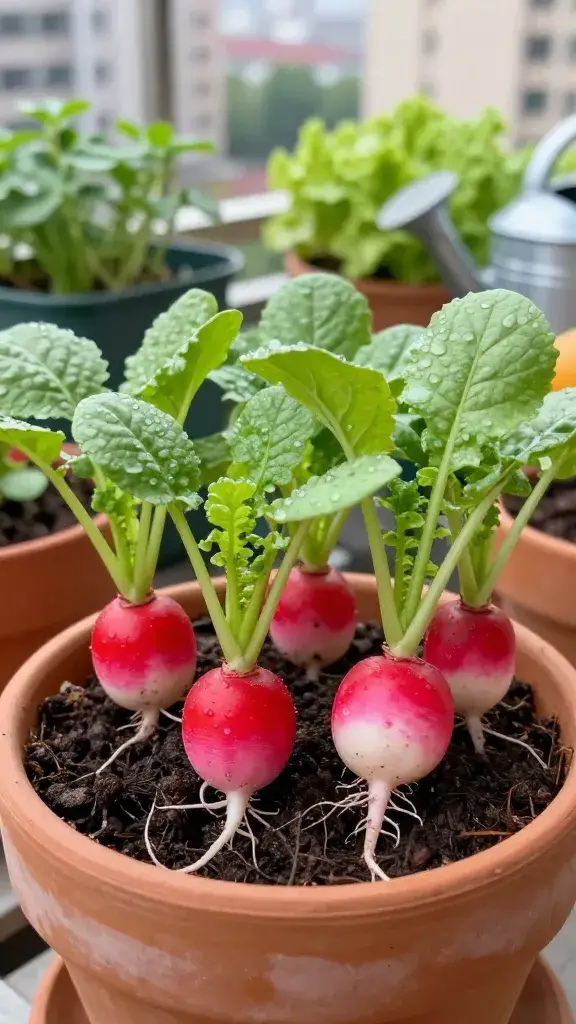
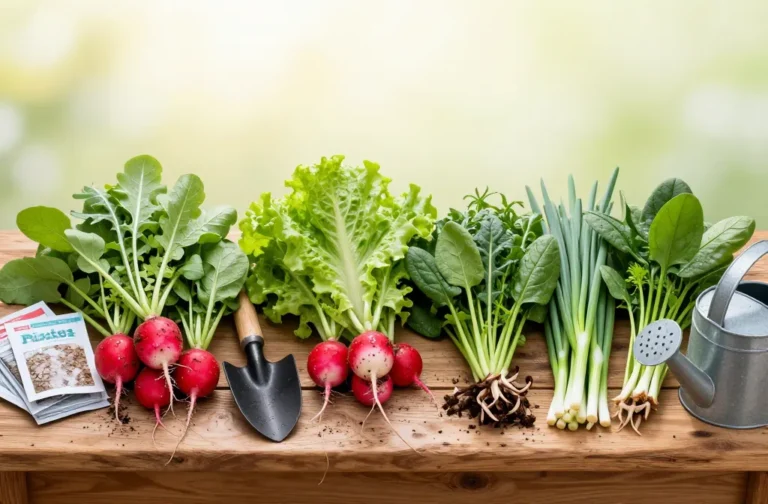
Radishes are the speed demons of container gardening. You can go seed to crunch in 25–35 days. They don’t need deep soil, and they forgive uneven watering better than most root crops.
Quick Start
- Pot size: 6–8 inches deep
- Sow: Directly, 1/2 inch deep, thin to 2 inches apart
- Water: Keep consistent to avoid spicy-hot roots (unless you like that, IMO)
Try French Breakfast or Cherry Belle for consistency. Bonus: their leafy tops are edible—sauté them with garlic and a squeeze of lemon.
Best for: Impatient gardeners and crunchy-topping enthusiasts.
6. Green Onions You Can Cut Forever
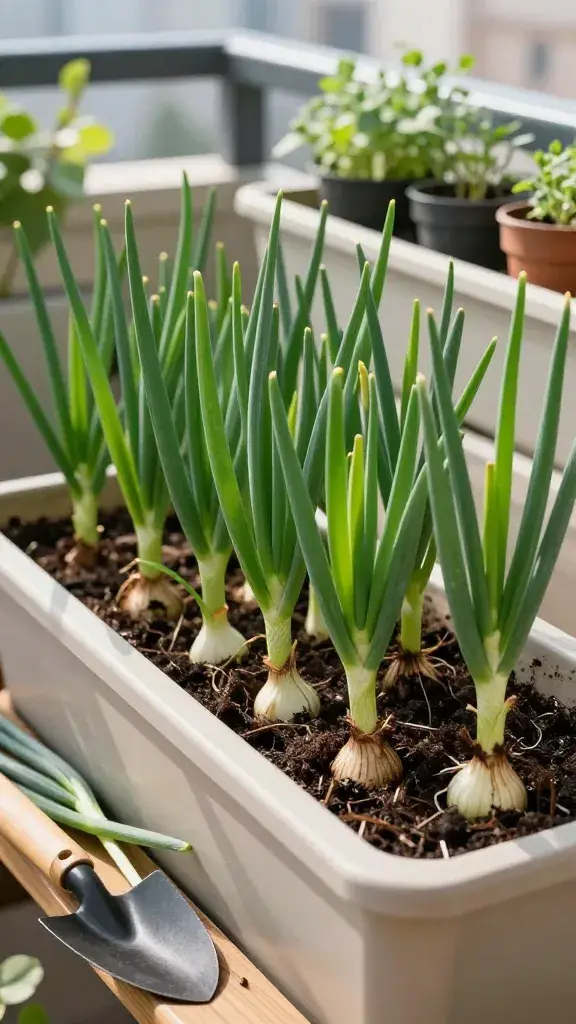
Scallions basically print flavor. They don’t need much space, they regrow after cutting, and they make everything taste fancier. Plus, a pot of green onions looks like you have your life together.
How To Grow
- Pot size: 6 inches deep; long rectangular planters are ideal
- Planting: Sow thickly, thin and eat as you go
- Light: 4–6 hours works, more is better
Trim outer stalks and let centers keep growing. You can even plant store-bought root ends—stick them in soil and act like a wizard when they sprout.
Best for: Meal preppers, ramen upgraders, and garnish addicts.
7. Spinach That Powers Through Cool Days
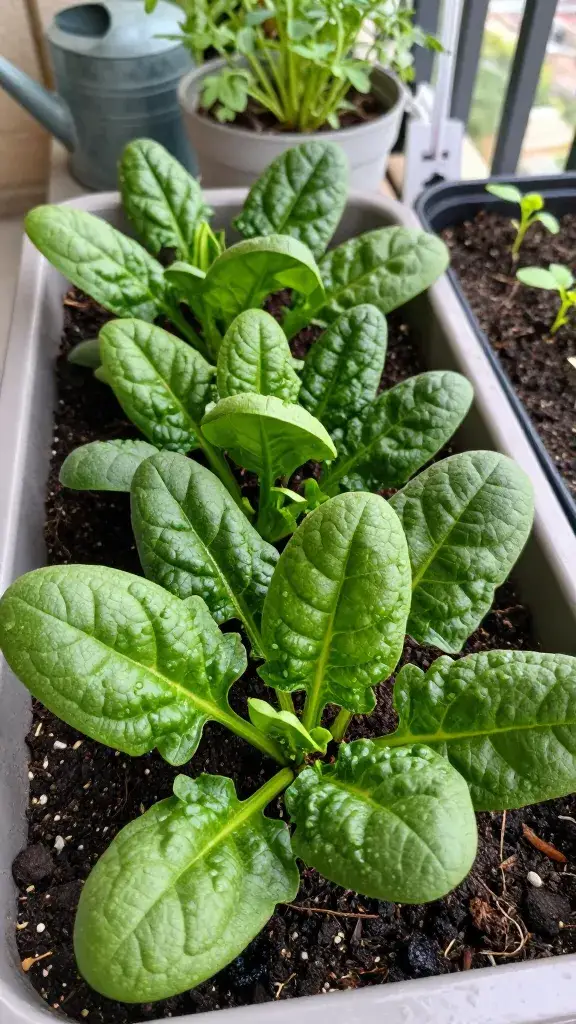
Spinach laughs at chilly weather and loves containers. It grows fast, packs nutrients, and tastes way better fresh. If your summers scorch, grow it spring and fall for peak flavor.
Care Essentials
- Pot size: 6–8 inches deep; wide surface area is best
- Water: Keep evenly moist to prevent bolting
- Shade: Light afternoon shade in warm weather
Harvest outer leaves and let the center keep producing. Plant every 2–3 weeks for a steady salad-and-smoothie pipeline, seriously.
Best for: Smoothie people, omelet lovers, and iron-seeking humans.
8. Zucchini (Yes, Really) In A Big Pot
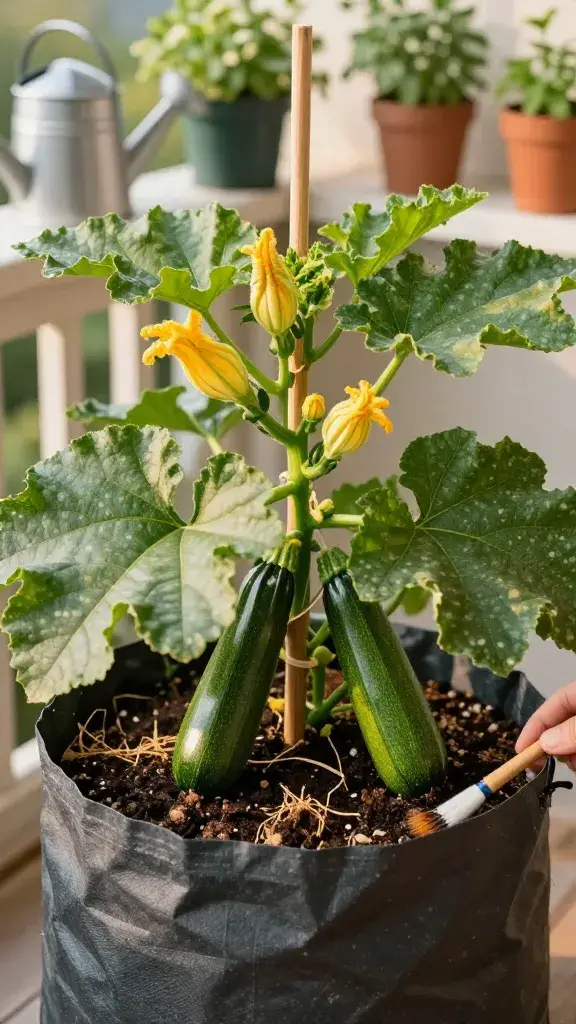
Zucchini in containers? Absolutely—just choose compact or bush types. You’ll get a steady stream of glossy squash without letting the plant take over your life. Bees optional; you can hand-pollinate if needed.
Setup
- Pot size: 10–15 gallons (go big or it sulks)
- Soil: Rich, well-draining, with extra compost
- Support: A short stake helps keep stems upright
Water deeply, then let the top inch dry. Harvest when fruits are 6–8 inches for peak texture. You’ll swear they grow while you blink—because they do.
Best for: Grill nights, fritters, and sneaking veggies into everything.
9. Cucumbers That Climb, Not Sprawl
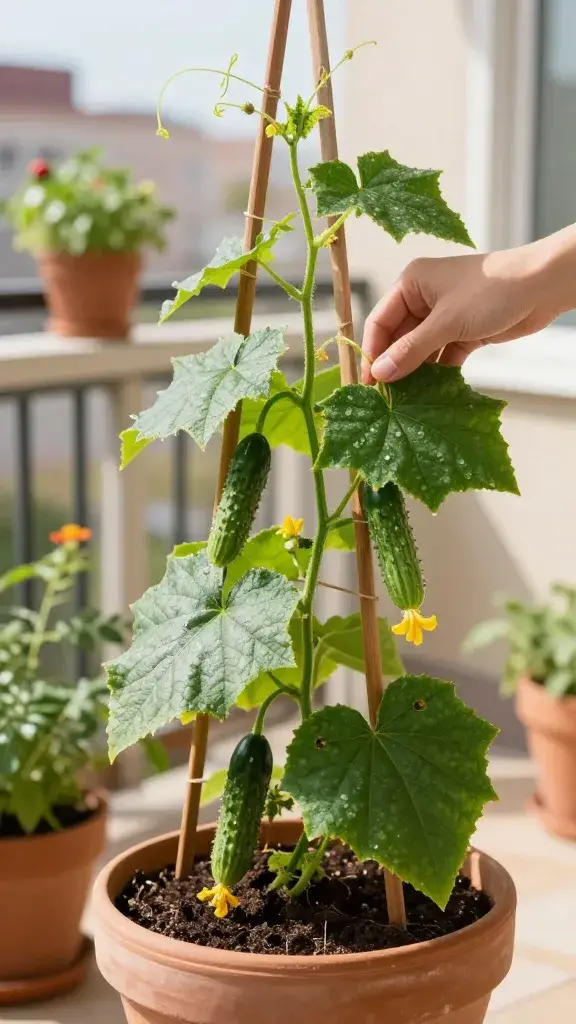
Cukes love warm roots and vertical life. In containers, they stay tidy if you give them a trellis. The vines look charming, and the harvest shows up fast once they get going.
Grower’s Notes
- Pot size: 5–7 gallons
- Type: Bush or patio varieties for compact growth
- Support: Trellis, obelisk, or a simple string setup
Keep soil consistently moist to avoid bitterness. Feed with a balanced fertilizer every 2 weeks. Pick young for best crunch and more production—don’t let them turn into baseball bats.
Best for: Snack plates, pickles, and spa-water people who know vibes matter.
10. Herbs That Do The Heavy Lifting (Basil, Parsley, And Mint)
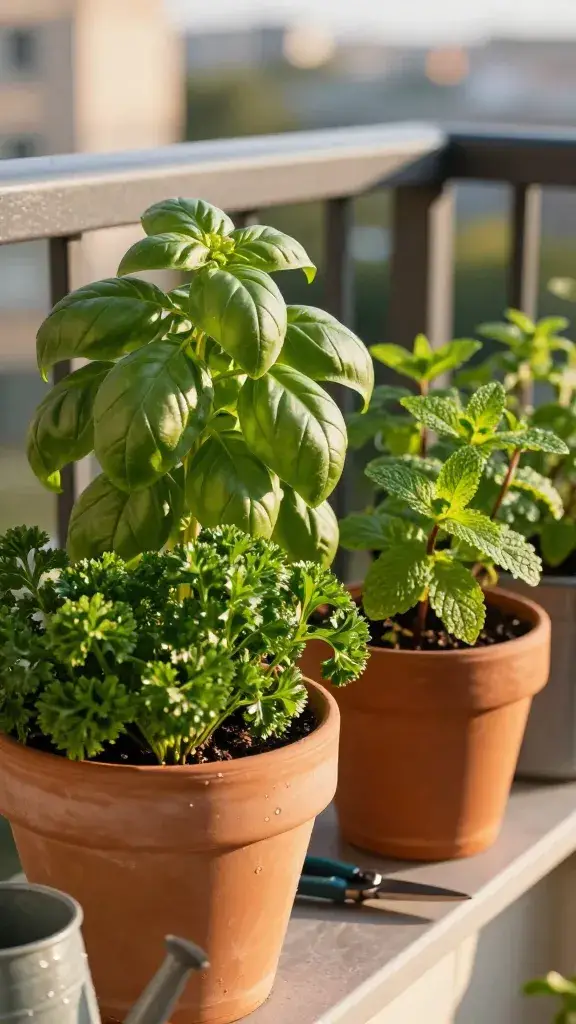
Technically not “vegetables,” but let’s be real: herbs make everything taste better and grow like champs in pots. Basil loves warmth, parsley keeps going for months, and mint… spreads aggressively, so a container is perfect jail. Your cooking jumps levels overnight.
Smart Planting
- Pot size: 8–10 inches for single herbs; 12–14 inches for mixed planters
- Sun: 4–6 hours minimum (basil wants more)
- Water: Regular, but let mint dry slightly between drinks
Pinch basil tips often to keep it bushy and prevent flowering. Grow mint in its own pot unless you want it to evict everyone else—consider this your friendly warning. Harvest small, often, and your plants will repay you with nonstop flavor.
Best for: Weeknight cooks, pesto hoarders, and cocktail artists.
Container Garden Basics So You Actually Succeed
Before you sprint to the nursery, a few universal truths will save you money and heartbreak. Containers change how plants behave compared to garden beds—faster growth, faster drying, and more control. Master these and you’ll feel unstoppable.
Soil & Drainage
- Only use potting mix, not garden soil—it drains better and reduces disease.
- Ensure drainage holes and elevate pots slightly so water escapes.
- Mix in compost or slow-release fertilizer at planting for steady nutrition.
Watering That Works
- Check daily in hot weather; water when the top inch feels dry.
- Water deeply until it runs from the bottom—shallow sips = weak roots.
- Mulch with shredded leaves or straw to hold moisture.
Sun & Placement
- Most veggies need 6–8 hours of direct sun. South-facing spots win.
- Rotate pots every week for even growth if sun hits one side.
- Shield from harsh winds; balconies can be gusty.
Set reminders for feeding and watering. Containers move—chase the sun like a plant DJ and you’ll get bigger harvests.
Choosing The Right Containers (Without Overthinking It)
Plastic, ceramic, fabric, or metal—spoiler: plants care more about space and drainage than aesthetics. Pick the right size, add holes if needed, and you’re golden. Want budget-friendly? Buckets with drilled holes = instant planters.
Quick Picks
- Fabric grow bags: Light, breathable, great root health.
- Glazed ceramic: Pretty, holds moisture, heavier.
- Plastic: Affordable, warms quickly, easy to move.
Match container size to crop demand. Big fruiting plants want big pots; greens and herbs are chill. Your back will thank you if you use saucers with wheels.
Fertilizer Without The Headache
Container plants burn through nutrients faster. If you’ve ever wondered why growth stalls, it’s usually food—or lack of it. Luckily, feeding can be low-lift.
Simple Plan
- Mix a slow-release fertilizer into soil at planting.
- Top up with a liquid feed every 2 weeks for heavy feeders (tomatoes, peppers, cukes).
- Greens prefer a nitrogen-leaning fertilizer; fruiting crops like higher potassium.
Go gentle; overfeeding causes leafy growth with no fruit. Read labels, then adjust based on how your plants look—yellow leaves = likely hungry.
Pests, Problems, And Easy Fixes
Container gardens dodge many soil problems, but pests still crash the party. The good news? Small space = easy monitoring. Catch issues early and you’ll barely notice a blip.
Common Culprits
- Aphids/whiteflies: Blast with water, then spray soapy water or neem oil.
- Powdery mildew: Improve airflow, water soil not leaves, prune lightly.
- Blossom end rot (tomatoes/peppers): Keep watering consistent; add calcium if needed.
Scout leaves weekly—front and back. One minute now saves your harvest later, trust me.
Planting Calendar Cheat Sheet
Timing matters, but you don’t need a degree to figure it out. Work with your local last frost date, then plant accordingly. Containers warm up quicker, so you often start a smidge earlier.
General Guide
- Cool-season (early spring/fall): Lettuce, spinach, radishes, green onions, parsley.
- Warm-season (after frost): Tomatoes, peppers, zucchini, cucumbers, basil, mint.
- Succession plant: Re-seed lettuce, radishes, and spinach every 2–3 weeks.
If weather flips out, move pots to shelter. Containers = mobile resilience. That’s your secret weapon.
Space-Saving Tricks For Tiny Balconies
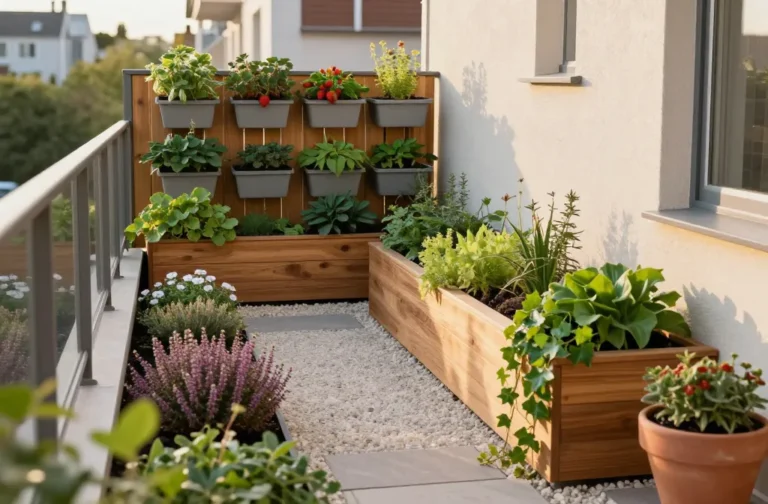
No yard? No problem. Think vertical, stackable, and multi-use. Every railing, wall, and corner can work harder.
Ideas
- Tiered shelves for greens and herbs.
- Hanging baskets for cherry tomatoes or strawberries.
- Trellises for cukes; tuck lettuce at the base in partial shade.
Group plants with similar water needs so you don’t overthink it. Your balcony turns into a tiny jungle that feeds you—vibes and veggies, the dream combo.
Water Hacks So You Don’t Babysit
Life gets busy; plants get thirsty. You can set yourself up so they stay hydrated without you hovering.
Easy Options
- Self-watering containers for tomatoes and peppers.
- Ollas or water spikes to slow-release moisture.
- Morning watering to reduce evaporation and fungal risk.
Mulch the top with straw or bark to lock in moisture. Your weekends just got freer, and your plants look perky—not resentful.
Harvest Like A Pro (And Keep It Coming)
The more you pick, the more your plants produce—wild, right? Harvest small and often to keep flavors sweet and textures tender. Waiting “one more day” usually means “oops, too big.”
Quick Harvest Cues
- Tomatoes: Fully colored, slight give.
- Peppers: Glossy and firm; green or fully colored based on variety.
- Lettuce/spinach: Outer leaves when hand-sized.
- Radishes: Bulb visible at soil line, 1 inch across.
- Cucumbers: Firm, uniform color, before seeds get chunky.
Use clean shears and harvest in the morning for peak flavor. Then brag about your haul—pics or it didn’t happen.
Mix-And-Match Container Combos
Want a container that looks good and tastes better? Combine plants that share needs. You’ll save space and get layered harvests.
Winning Trios
- Tomato + Basil + Parsley: Sun lovers, same watering rhythm, instant caprese energy.
- Cucumber + Dill + Lettuce: Trellis up, greens down in shade, pickle dreams.
- Pepper + Green Onions + Marigolds: Pest-deterring flowers with two edible MVPs.
Avoid mixing bullies like mint with delicate herbs. Keep thirsty plants together so your watering can stays on autopilot.
Budget Starter Kit (No Fancy Gear Needed)
You can start small and still get big results. Don’t let a gear list scare you off—this can be simple and affordable.
Minimal Must-Haves
- Two 5-gallon pots (tomato, pepper)
- One 10-gallon grow bag (zucchini or cucumber with trellis)
- Two shallow planters (lettuce/spinach, green onions/radishes)
- Quality potting mix + compost
- Slow-release fertilizer + liquid feed
- Watering can or hose with gentle spray
Start here, learn your sun and schedule, then scale up. Your taste buds will push you to add more, FYI.
Final Thoughts: Your Tiny Farm Starts Now
You don’t need acres to grow food you’re proud of—you just need a few good pots and the right plants. Start with one or two from this list and build momentum. By the time you’re tossing homegrown cherry tomatoes into everything, you’ll wonder why you waited.
So grab a bag of potting mix, pick your veggie heroes, and get planting. Your future self (and your dinner) will send thank-you notes.
Share this content: