Viral 12 Companion Planting Ideas for a Healthier Vegetable Garden
Some plants just vibe together. Others? They throw shade (literally) and start drama with your tomatoes. Companion planting helps you build a low-maintenance, high-yield veggie garden by pairing crops that support each other with nutrients, pest control, and better growth. Ready to stack the deck in your favor? Let’s matchmake your garden like a boss.
Why Companion Planting Works (and Isn’t Just Folklore)
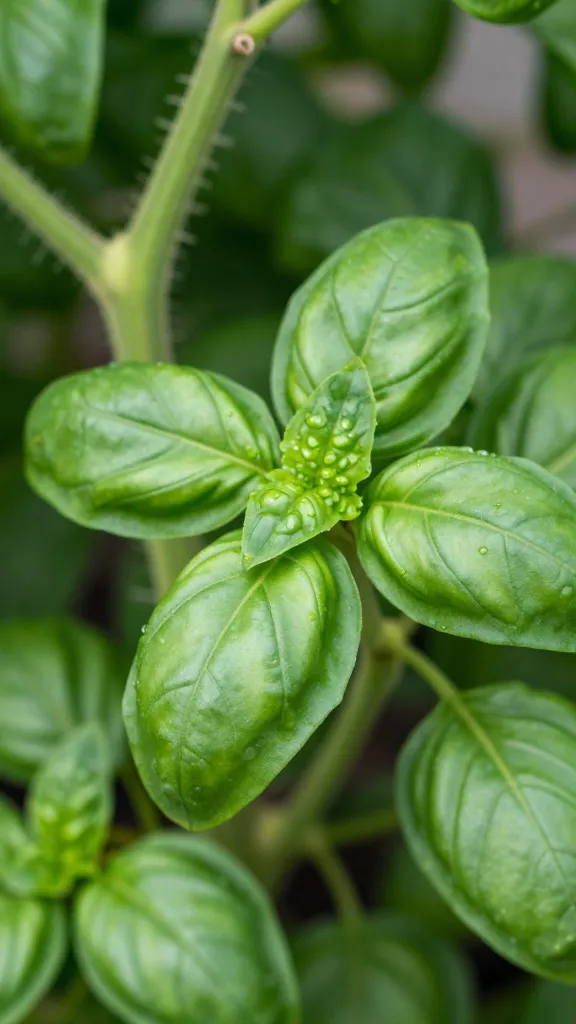
Plants communicate with scents, root exudates, and structure. Wild, right? When you pair the right neighbors, you can repel pests, attract pollinators, save space, and even improve flavor. Plus, you reduce the need for chemical sprays. That means happier plants, healthier soil, and less work for you. Win-win-win.
12 Companion Planting Combos That Actually Deliver
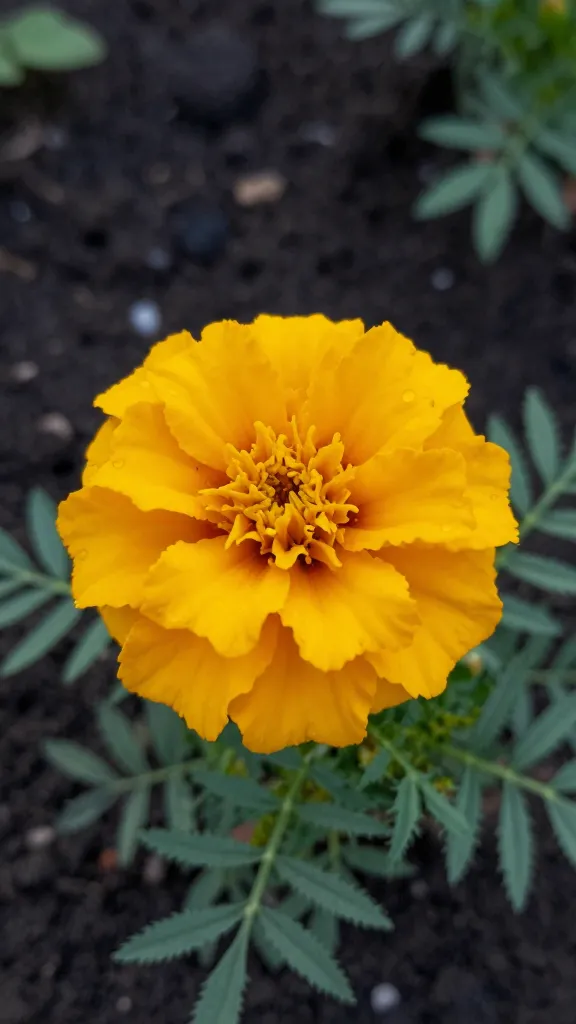
1) Tomatoes + Basil + Marigolds
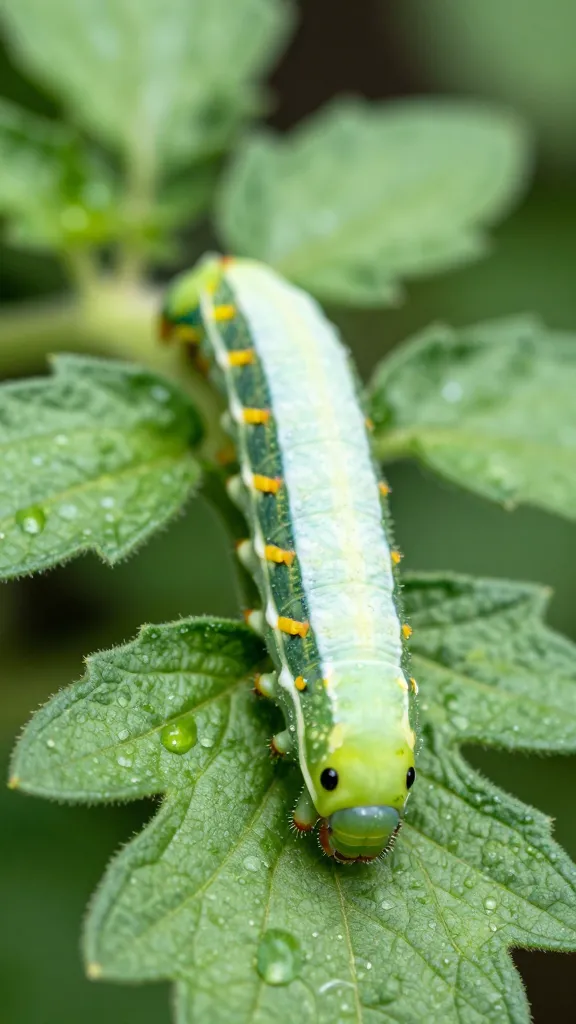
Tomatoes and basil belong together, and not just on pizza. Basil can help deter thrips, mosquitoes, and possibly tomato hornworms. Marigolds (French varieties especially) add a pest-repelling forcefield and bring in pollinators.
- Planting tip: Tuck basil 8–12 inches from tomato stems; ring beds with marigolds.
- Bonus: Basil may boost tomato flavor. Science is mixed, but my taste buds say yes.
2) Corn + Beans + Squash (The Three Sisters)
This Indigenous combo remains iconic for a reason. Corn gives beans a trellis. Beans fix nitrogen for their friends. Squash sprawls on the ground and shades out weeds.
- Spacing: Plant corn in a block, beans at the base, squash around the edges.
- Pro move: Choose bush beans if your space runs tight.
3) Carrots + Onions (or Leeks, Shallots)
The carrot fly hates onion scent, and onion pests don’t love carrot aroma. Together, they confuse each other’s enemies. Garden espionage at its finest.
- Staggered rows: Alternate rows of carrots and alliums for maximum effect.
- FYI: Keep soil loose for straight carrots and easy onion bulb expansion.
4) Cucumbers + Dill + Nasturtiums
Dill attracts beneficial wasps and hoverflies that prey on pests. Nasturtiums act as a trap crop for aphids and cucumber beetles. Cucumbers return the favor by providing a little shelter.
- Timing: Let dill flower near cucumbers for predator support.
- Extra: Nasturtiums also add edible, peppery blossoms to your salads. Fancy.
5) Peppers + Basil + Oregano
Peppers love warmth and a little shelter. Basil helps repel pests, while oregano forms a low, fragrant groundcover that suppresses weeds.
- Spacing: Keep herbs on the sunny side so they don’t shade peppers.
- IMO: This combo makes the garden smell like a pizzeria, which is a mood.
6) Lettuce + Radishes + Chives
Radishes grow fast and break crusty soil so lettuce roots can chill. Chives may deter aphids and add a mild oniony companion without the bulk.
- Interplanting: Drop radish seeds between lettuce starts; harvest radishes first.
- Shade hack: Tall lettuce varieties can give partial shade to keep radishes crisp.
7) Brassicas (Cabbage, Kale, Broccoli) + Aromatic Allies
Brassicas get hammered by cabbage moths and aphids. Plant them with strong-scented herbs like thyme, sage, and rosemary to throw pests off the trail.
- Trap crop: Nasturtiums and mustard greens lure pests away from your main crop.
- Barrier: Ring beds with dill or cilantro to attract beneficial insects.
8) Potatoes + Horseradish + Beans
Horseradish at row ends can help deter potato beetles. Beans help with nitrogen and fill space without choking potatoes.
- Note: Keep beans a bit away from hills to avoid crowding tubers.
- FYI: Don’t plant potatoes near tomatoes; they share diseases and pests.
9) Beets + Garlic + Mint (Container Mint, Please)
Beets appreciate garlic’s pest control vibes. Mint can repel flea beetles and ants, but it spreads like gossip—keep it in a pot.
- Row logic: Alternate beets and garlic; position potted mint at bed corners.
- Watering: Beets like steady moisture for tender roots—mulch lightly.
10) Squash + Borage + Calendula
Borage brings in bees and may repel tomato hornworms and other pests. Calendula invites beneficial insects and gives you cheerful blooms.
- Spacing: One borage plant per 3–4 squash hills; dot calendula between.
- Soil perk: Borage roots loosen soil; chop and drop as a green mulch mid-season.
11) Eggplant + Catnip + Marigolds
Flea beetles adore eggplant. Catnip can deter them (also your cat may move in—plan accordingly). Marigolds support pollinators and help with nematodes.
- Placement: Catnip on bed edges; keep a little distance from eggplant stems.
- Backup plan: Use row cover early until plants beef up.
12) Melons + Sweet Alyssum + Sunflowers
Alyssum draws hoverflies that demolish aphids. Sunflowers act as living posts for light trellising and lure pollinators from across the block.
- Climate hack: Sunflowers offer dappled shade during brutal heat waves.
- IMO: Melons taste better when the garden looks happy. Zero science, 100% vibes.
Companion Planting Rules of Thumb
Think Layers
Stack heights and timings. Tall crops (corn, sunflowers) host climbers (beans). Fast growers (radishes) share space with slowpokes (carrots, onions). No one wastes sunlight or soil.
Mix Scents
Herbs repel pests and attract predators. Scatter basil, dill, thyme, and cilantro across beds, not just in a dedicated herb corner.
Feed the Soil, Not Just the Plants
Legumes fix nitrogen. Dynamic accumulators like borage and comfrey mine nutrients. Chop and drop spent plants for a living mulch. Your worms will send thank-you notes.
Avoid Known Frenemies
– Keep fennel away from most vegetables (allelopathy central).
– Don’t pair potatoes with tomatoes or peppers (shared diseases).
– Separate onions/garlic from peas and beans (can stunt legumes).
Planting Layout Tips That Make Life Easier
- Use blocks, not rows: Better pollination and easier interplanting.
- Pathway herbs: Line paths with thyme, oregano, or chamomile to attract beneficials you bump into constantly.
- Color code stakes: One color per “guild” so you remember who belongs with who.
- Succession plan: After early radishes and lettuce, slide in basil or bush beans.
- Mulch smart: Straw or chopped leaves keep moisture steady and reduce weed drama.
Seasonal Tweaks and Microclimate Magic
Spring
Start with cool-season pairs: peas + spinach; carrots + onions; lettuce tucked near chives and dill. Use row cover to protect brassicas while beneficials build up.
Summer
Bring the heat lovers: tomatoes + basil + marigolds; peppers + oregano; cucumbers + dill. Add shade cloth or taller companions to protect tender greens.
Fall
Sow cilantro, arugula, and radishes with leftover marigolds still blooming. Toss in garlic next to beets for a head start. Keep alyssum for predator support until frost.
FAQ
Does companion planting really work, or is it just garden lore?
It works, but manage expectations. You’ll see fewer pests, better pollination, and smarter use of space. It won’t replace good soil, water, and timing, but it definitely stacks the odds in your favor.
How close should I plant companions?
Close enough to interact, not so close they wrestle. Aim for 8–12 inches between herbs and main crops, with more space for big sprawlers like squash. Watch for shading, and thin if someone gets too pushy.
Can I use companion planting in containers?
Absolutely. Pair a cherry tomato with basil and trailing nasturtiums in a large pot. In smaller pots, try peppers with oregano or lettuce with chives. Just feed and water consistently—containers dry out fast.
What about flowers—are they necessary?
Short answer: yes, please. Flowers like calendula, alyssum, and marigolds attract beneficial insects and keep the ecosystem humming. You get fewer pests and more pollinators. Also, they’re pretty. That counts.
Any quick fixes for pest outbreaks even with companions?
Spot them early. Hand-pick offenders, blast aphids with water, or use insecticidal soap as needed. Add more flowering herbs to recruit predators, and consider row cover for tender crops. Companion planting plus vigilance beats panic sprays.
Do I need to rotate crops if I use companions?
Yes. Rotate plant families yearly to reduce disease buildup. Companions help, but they don’t erase soil-borne issues. Think: tomatoes follow beans, brassicas follow legumes, roots after heavy feeders.
Conclusion
Companion planting turns your garden into a team sport instead of a solo act. Mix heights, scents, and growth habits, and let plants do some of the work for you. Start with a few pairings, watch what clicks, and tweak as you go. Your veggies will grow harder, your pest problems will shrink, and your garden will look like it knows exactly what it’s doing—even if, IMO, we’re all just pleasantly winging it.
Share this content: