Ultimate Complete Chicken Feeding Guide: Chicks to Layers
Chickens don’t read feed labels. They just eat what you give them—and your choices either build egg-laying machines or feathered freeloaders. Want steady eggs, bright combs, and zero mystery health problems? Feed them right from day one. Let’s go step by step, from tiny fluff balls to confident layers, without the guesswork.
Start Strong: Feeding Baby Chicks (0–6 Weeks)
Baby chicks grow fast. Like, superhero fast. Their bones, muscles, and tiny organs need premium fuel, not kitchen scraps.
What to feed:
- Chick starter feed at 18–20% protein for the first 6 weeks
- Choose medicated starter (with amprolium) if you expect coccidiosis pressure; go unmedicated if they received a coccidiosis vaccine
- Provide fresh, clean water 24/7—no exceptions
How much and how often:
- Keep feed available at all times—chicks self-regulate
- Refill water 1–2 times daily; chicks kick fluff and poop into everything, because of course they do
Grit and treats for chicks
If you offer anything besides starter feed—tiny greens, scrambled eggs, or mealworms—add chick-sized grit. No grit = poor digestion. Keep treats to under 10% of total intake. Yes, they’ll beg. Yes, you should resist.
Transition Phase: Growers and Pullets (6–16 Weeks)
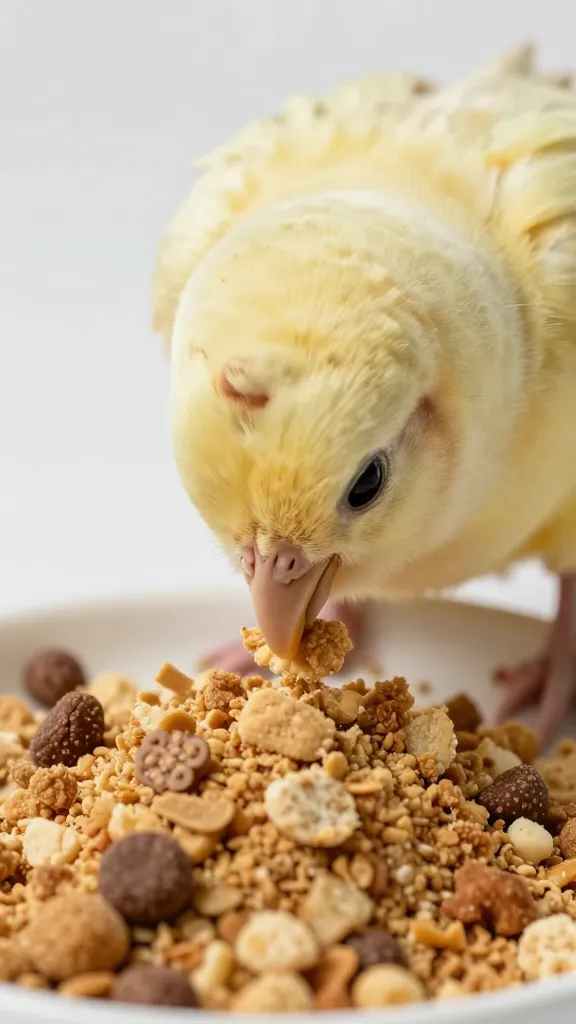
At six weeks, your fluff balls turn into awkward teens. They need steady protein but not the calcium levels for layers yet.
Feed switch:
- Move to grower feed at 15–16% protein
- Stick with grower until they hit 16–18 weeks or you see first eggs
Why not layer feed yet? Too much calcium too early can damage kidneys and stunt growth. No one wants a pullet with long-term issues because you jumped the gun, IMO.
Managing roosters and mixed flocks
If you keep roosters, grower feed works perfectly through maturity. Roos don’t need layer-level calcium—ever. More on that in a sec.
Prime Time: Feeding Layers (16+ Weeks or First Egg)
Congrats—your girls hit laying age. Time to flip the switch to layer nutrition.
Feed choice:
- Layer feed at 16–18% protein with 3.5–4.5% calcium
- Choose crumble or pellet based on preference; pellets reduce waste, crumbles suit picky eaters
Calcium matters:
- Offer free-choice oyster shell in a separate dish
- Don’t mix it into the feed; hens self-regulate based on need
- Skip oyster shell for chicks or roosters
Eggshell quality fixes
Thin shells? Try:
- Fresh oyster shell access, always
- Daily light: 14–16 hours helps maintain laying
- Check for hidden treats or too much scratch diluting nutrition
Water, Snacks, and the 90/10 Rule
Water sits at the top of the pyramid. Chickens drink more than you think, especially in heat.
Water tips:
- Keep it clean and cool
- Add electrolytes during heat waves or stress (short-term only)
Treats without trouble:
- Stick to the 90/10 rule: 90% complete feed, 10% snacks
- Good choices: chopped greens, black soldier fly larvae, squash, pumpkin, berries
- Limit scratch grains to small handfuls per flock member, a few times a week
Foods to avoid
- No moldy or spoiled foods—chickens aren’t compost bins
- Skip salty, sugary, or greasy leftovers
- Raw beans (kidney/soy) = toxic; cook thoroughly or don’t feed
- Avocado skin/pit and chocolate: hard no
Free-Range Birds: Balancing Forage and Feed
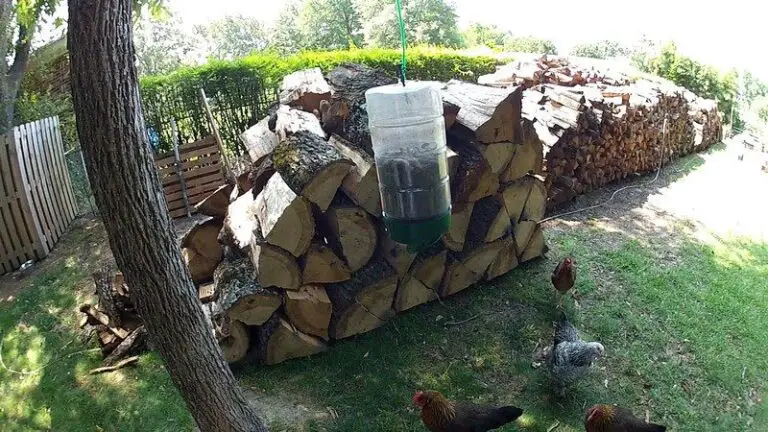
If your birds free-range, awesome—they’ll hunt bugs like tiny dinosaurs. But don’t ditch the feeder.
Why keep feed out?
- Forage quality changes with seasons, weather, and time of day
- Balanced feed ensures steady protein, energy, vitamins, and minerals
- Egg production drops fast if hens fill up on grass and air
Practical setup:
- Keep a feeder accessible all day
- Offer grit if they lack natural pebbles or if they’re penned
Special Situations: Molt, Broodies, and Seniors
Chickens don’t live on autopilot. Seasons and hormones change their needs—just like us, FYI.
Molt (usually fall)
Feathers are protein hogs. For 6–8 weeks:
- Switch to a higher-protein feed (18–20%) or offer a protein boost
- Keep calcium available but don’t force layer feed if they stop laying
Broody hens
A determined broody might forget to eat and drink. Encourage:
- High-quality layer or all-flock feed nearby
- Electrolytes for the first few days
- Short daily breaks off the nest (you may need to nudge)
Older hens and mixed-age flocks
If you mix roosters, retired layers, and pullets:
- Use an all-flock or grower feed at 16% protein for everyone
- Offer oyster shell separately so only laying hens take it
Reading the Flock: Signs You’re Feeding Right
Your birds will tell you how you’re doing—sometimes louder than you asked for.
Good signs:
- Bright red combs, clear eyes, shiny feathers
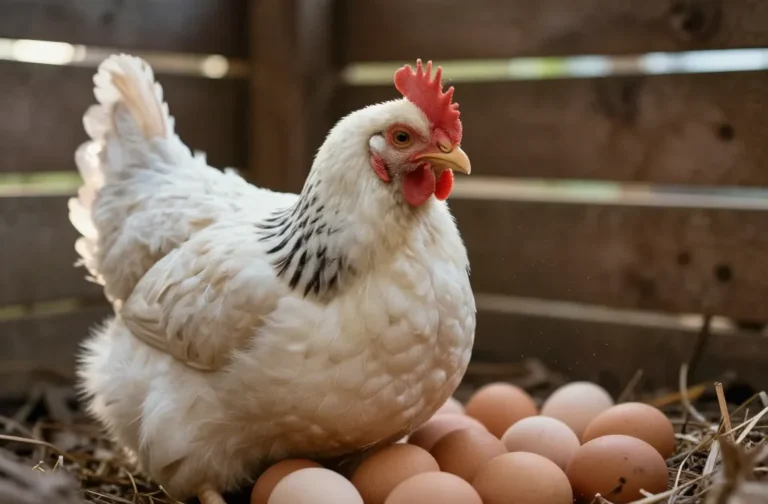
- Firm, well-formed eggshells
- Steady weight and energy (yes, they should jog for treats)
Red flags:
- Soft or thin shells = low calcium or poor absorption
- Feather pecking = boredom, low protein, or overcrowding
- Runny droppings = too many treats, bad feed, or illness
Storage and freshness
Feed goes stale, then vitamins degrade, then problems snowball.
- Buy what you’ll use in 4–6 weeks
- Store in a sealed bin in a cool, dry place
- Check for mold, clumps, or funky smells before filling the feeder
FAQ
Can I grind eggshells for calcium instead of oyster shell?
You can, but don’t rely on it entirely. Crushed eggshells help, but oyster shell provides a consistent, slow-release calcium source. Bake shells to dry them, crush well, and offer alongside oyster shell for best results.
Do I need different feed for bantams?
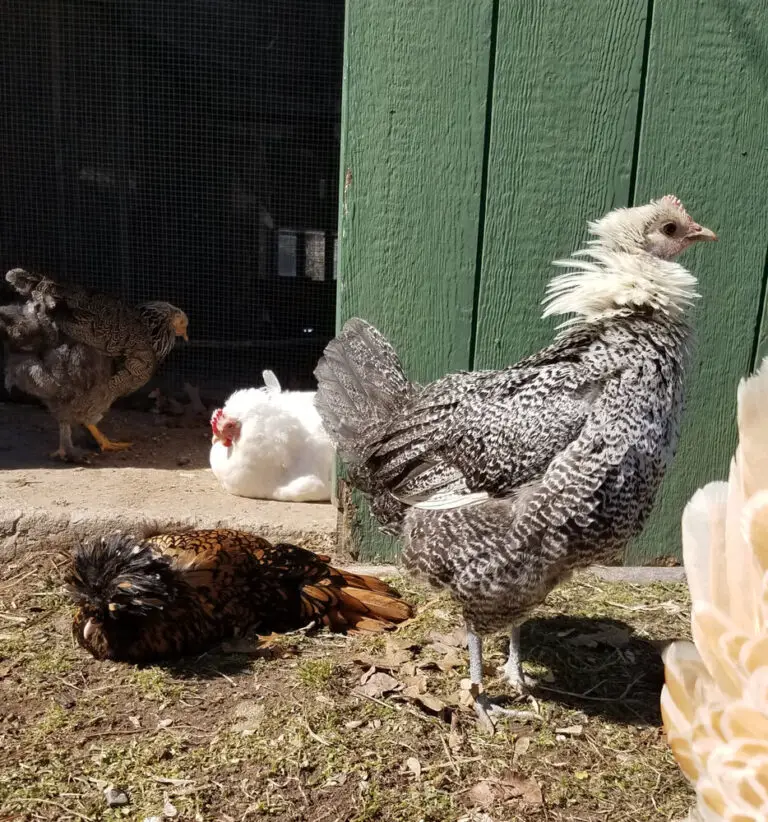
Usually no. Bantams thrive on the same age-appropriate feed as standard chickens. Just use smaller feeders and watch for weight gain—bantams turn into butterballs fast on too many treats.
What’s the difference between crumble and pellets?
Same nutrition, different shape. Pellets reduce waste and mess; crumbles suit picky eaters and younger birds. If your birds sling pellets like confetti, try crumbles. If they powder crumbles, switch to pellets—easy.
My hens stopped laying—should I change feed?
First, check daylight hours, stress, molt, and age. If they still lay occasionally, stick with layer feed and oyster shell. If they fully pause (like during molt), you can use a higher-protein all-flock and keep oyster shell on the side until laying resumes.
Can I ferment chicken feed?
Yes, many keepers swear by it. Fermented feed can boost nutrient absorption and reduce waste. Keep it clean, use non-chlorinated water if possible, and only ferment what they’ll eat in 24 hours to avoid spoilage.
How much should each hen eat daily?
Most layers eat about 1/4 pound (roughly 1/2 cup) of feed per day, more in winter, a bit less if they free-range effectively. Always free-choice feed layers—micromanaging portions usually backfires.
Conclusion
From chick starter to layer rations, you control every bite that builds a healthy, productive bird. Keep it simple: age-appropriate feed, clean water, oyster shell on the side, and treats in moderation. Watch your flock, adjust when seasons or hormones shift, and don’t overthink it. Give them the right fuel, and they’ll return the favor—one beautiful egg at a time.
Share this content: