Top 4 Chickens for Surviving and Thriving in Arizona Heat Unleashed
Arizona summers don’t politely knock. They kick down the door with 110°F heat and a side of dust devils. If you’re raising backyard chickens here, you need birds that handle blast-furnace weather without melting into a feathered puddle. Good news: some breeds not only survive—they strut right through July like it’s no big deal. Let’s talk the top four, plus how to keep any flock chill when the desert cranks the thermostat.
What Makes a Chicken Heat-Hardy?
Heat-tough birds share a few traits. You’ll spot them easily once you know what to look for.
- Large combs and wattles: These act like radiators and help shed heat. Big floppy comb? That’s a plus.
- Lightweight bodies: Less mass = less heat trapped. Heavier meat birds struggle more in Arizona summers.
- Loose feathering and light plumage: Airflow matters. Dark, tight-feathered birds heat up fast.
- Active foragers: Heat-smart breeds find shade, dust bathe, and manage themselves like pros.
The Fab Four: Best Chickens for Arizona Heat
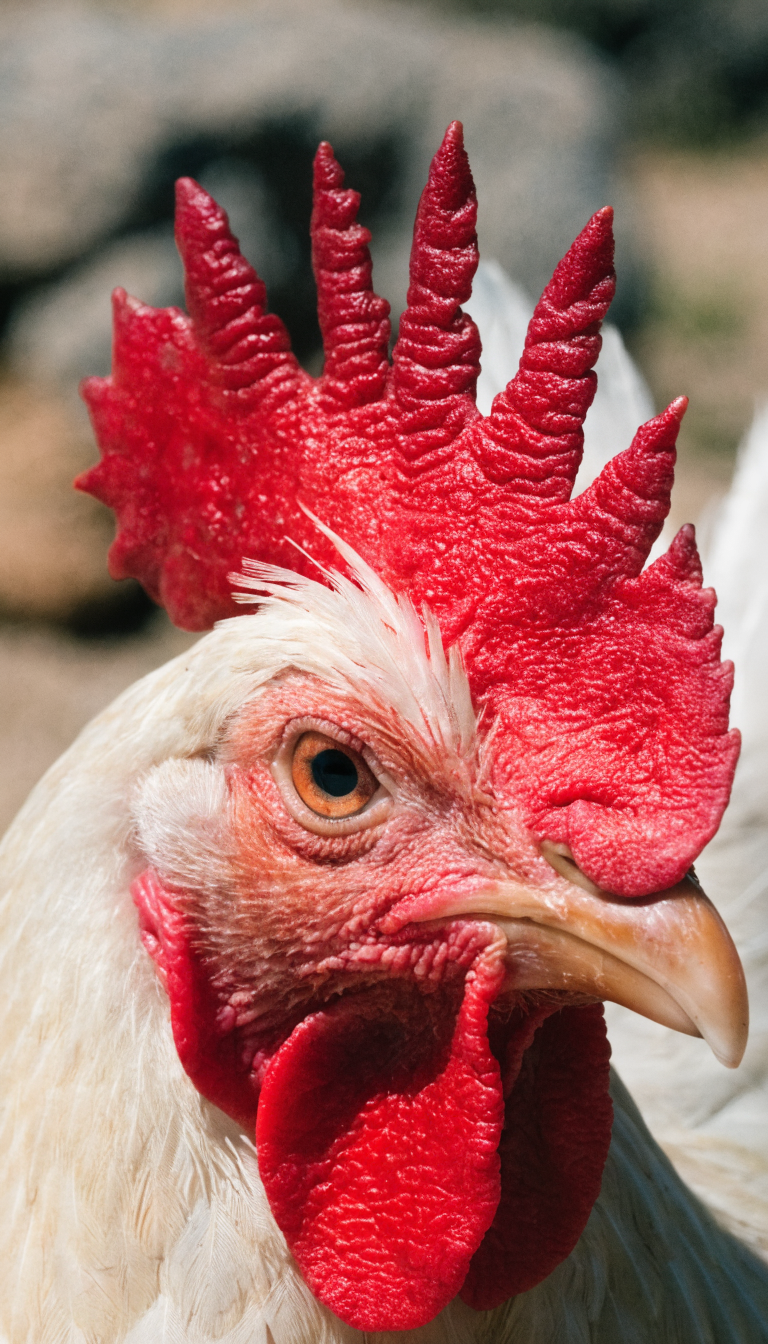
These breeds earned their spots by staying cool, staying healthy, and keeping eggs coming when the sun goes feral.
1) Leghorn
Classic, iconic, and wildly underrated in backyard flocks. Leghorns rock Arizona heat thanks to their light frames and huge single combs. They handle triple digits better than most and keep the eggs flowing.
- Eggs: Excellent layers of large white eggs
- Temperament: Active, alert, sometimes flighty (not cuddle bugs, FYI)
- Care tip: Provide extra shade and roosting height—they like space to move and cool off
2) Egyptian Fayoumi
These birds come from hot, dry climates originally, so Arizona feels like a familiar sauna. They mature early, forage hard, and resist disease like champs. Also, they look cool. Like “is that a tiny dinosaur?” cool.
- Eggs: Small to medium white eggs, steady layers
- Temperament: Independent and fast—catching one becomes cardio
- Care tip: Give them space and enrichment—they get bored in small, dull runs
3) Naked Neck (Turken)
Yes, they look weird. Yes, your neighbors will ask what happened to your chickens’ scarves. But that bare neck dumps heat fast, and the breed stays productive in extreme temps. IMO, they’re heat MVPs.
- Eggs: Medium brown eggs, good year-round layers
- Temperament: Friendly, calm, surprisingly sweet
- Care tip: Still give shade—they sunburn less than you think, but Arizona sun doesn’t play
4) White-Faced Black Spanish
Big drama energy with those white faces and glossy feathers. More importantly, massive combs and Mediterranean genetics mean great heat tolerance. They’ll keep pace when other breeds slow down.
- Eggs: Good layers of white eggs
- Temperament: Alert, sometimes aloof, but not mean
- Care tip: Watch that big comb for pecking or sun exposure—shade and gentle flockmates help
Great Alternates That Still Crush the Heat
Want options? These also handle desert life well:
- Andalusian: Sleek Mediterranean birds with stamina
- Ancona: Hardy, thrifty, and lay nicely through summer
- Brown Leghorn: All the Leghorn perks, plus camo coloring for free-rangers
- Sumatra and Phoenix: Lighter-bodied, heat-tolerant, but more ornamental
If you love dual-purpose birds, consider Australorp or New Hampshire, but keep extra close tabs on them in peak heat. They can manage, just not as effortlessly.
Arizona-Proofing Your Coop and Run
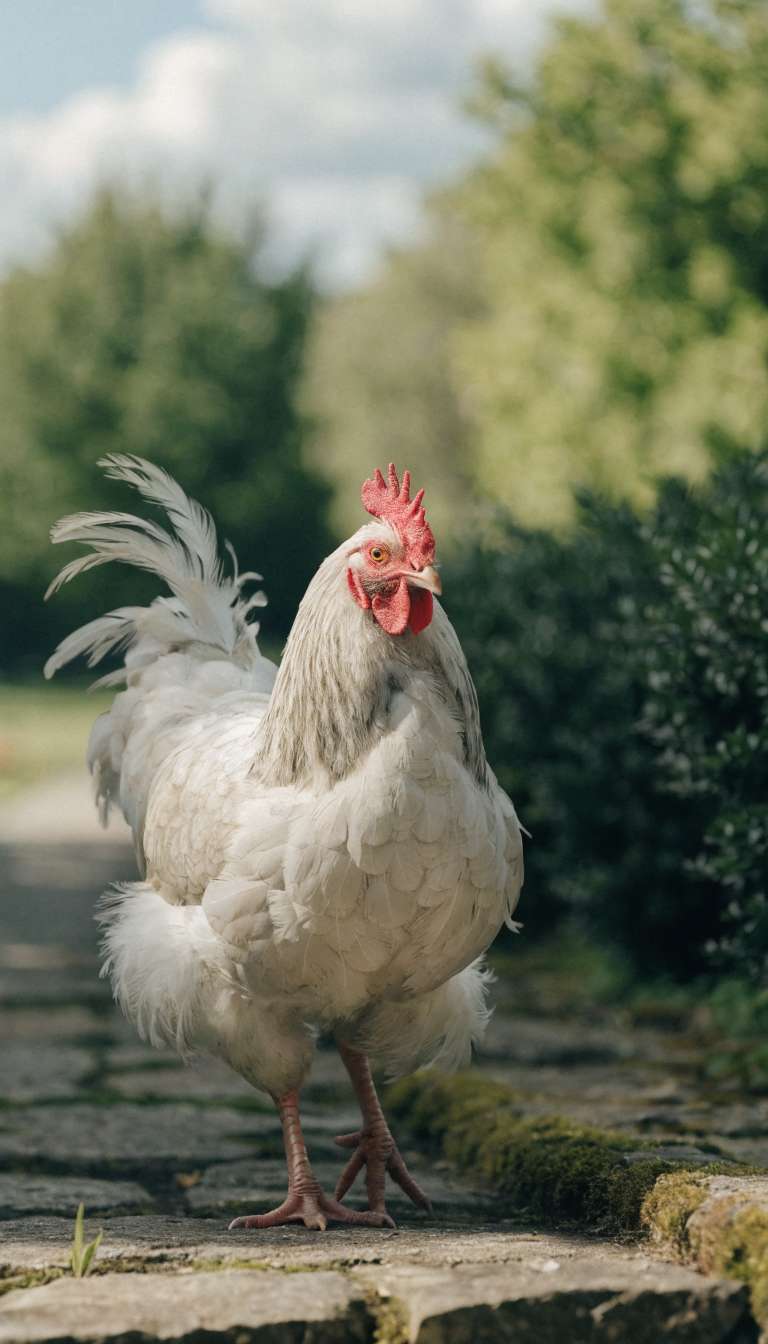
You can pick the right breeds and still lose birds if your setup traps heat. Let’s fix that.
Ventilation That Actually Moves Air
Cut in big vents high and low for a chimney effect. Cover with hardware cloth, not chicken wire. Add a cheap box fan for heat waves—point it across, not straight at the roosts.
Shade Like You Mean It
Use 70–80% shade cloth over the run. Plant fast growers like desert willow or add pergola slats. Metal roofs turn coops into ovens—insulate under them or switch to lighter materials.
Cool Zones and Water Tricks
– Provide multiple waterers in shade. Refresh often so it doesn’t hit “bathwater” temps.
– Freeze water bottles and drop them in waterers on brutal days.
– Create a dust bath with sand, dry soil, and a little food-grade DE.
– Put out a shallow pan for foot-soaking. Chickens love it when things get spicy outside.
Summer Feeding and Care: Keep It Light
Heat changes how birds eat and drink. Help them out.
- Feed in the cool hours: Early morning and near sunset work best.
- Hydration boosts: Add electrolytes a few days during heat spikes. Don’t use them nonstop.
- Treats that help: Watermelon, cucumber, frozen peas. Skip heavy corn buckets at noon—it warms them up.
- Grit and calcium: Keep both available, especially if egg shells dip in quality during heat waves.
Spotting Heat Stress (And What To Do Fast)
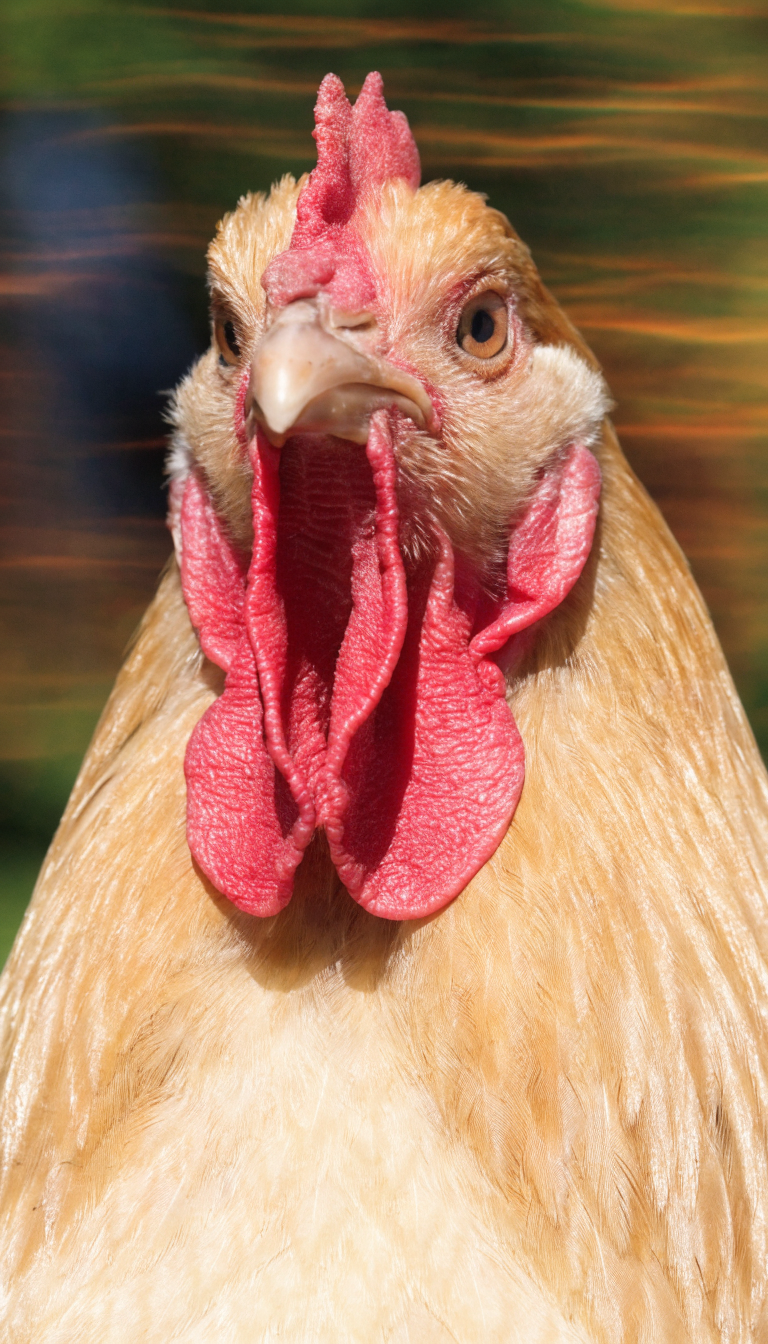
Know the signs, because the window to act can be short in Arizona.
- Early signs: Panting, wings held out, lethargy, pale comb.
- Serious signs: Staggering, closed eyes, refusing water, collapse.
Immediate Cool-Down Plan
– Move the bird to deep shade or an air-conditioned room, if available.
– Offer cool (not ice-cold) water with electrolytes.
– Mist the feet and legs, or gently wet the chest with cool water.
– Use a fan for airflow.
– If no improvement in 15–20 minutes, repeat and consider a vet. Heat stroke moves fast.
Breed Matchmaking: Personality, Eggs, and Looks
Let’s be honest—you want eggs, but you also want vibes. Quick cheat sheet:
- Best layers: Leghorn, White-Faced Black Spanish
- Most heat-adapted overall: Naked Neck, Egyptian Fayoumi
- Friendliest: Naked Neck (IMO), some Leghorns if handled young
- Most independent/foraging beasts: Fayoumi
- Best for small backyards: Leghorn or Naked Neck—efficient and light eaters
FAQ
Do I need misters or swamp coolers for my chicken run?
You don’t need them, but they help a lot during extreme heat spikes. Misters paired with shade can drop temps several degrees. Just avoid soaking the coop interior—damp litter plus heat equals ammonia and respiratory issues.
Can I keep heavy breeds like Orpingtons in Arizona?
You can, but expect extra work. Provide aggressive shade, fans, and watch them closely in July–August. If you’re new to chickens, start with heat pros like Leghorns or Naked Necks first, then add heavier birds once your setup proves itself.
Will my hens stop laying in summer?
Some slow down when the heat peaks, but heat-hardy breeds usually keep producing. Maintain hydration, keep feed consistent, and give them cool resting spots. Egg size might dip before production does—totally normal.
How many waterers should I have?
At least two, placed far apart and always in shade. Chickens play weird dominance games at the water station, and multiple options prevent bullies from gatekeeping hydration. Refill morning and late afternoon, and clean them often.
Do I need to trim combs to prevent sunburn?
Nope. Don’t trim combs. Provide shade and clean water, and the comb helps with heat regulation. If a bird gets a peck wound on the comb, treat it with a gentle antiseptic and isolate if needed until it heals.
What bedding works best in desert heat?
Large-flake pine shavings or sand work well. They dry fast and don’t trap heat like deep, damp bedding. Stir or rake daily in summer to keep things fresh and reduce ammonia.
Wrap-Up: Your Desert-Ready Dream Team
If you want birds that laugh at the sun, pick Leghorn, Egyptian Fayoumi, Naked Neck, and White-Faced Black Spanish. Set them up with shade, airflow, cool water, and smart feeding, and they’ll crank out eggs while the sidewalk sizzles. Arizona throws heat like a champ—but with the right breeds and a dialed-in setup, so will you. FYI: once you see a chicken happily foot-soaking at 4 p.m. in August, you’ll know you nailed it.
Share this content: