The Secret to How to Start a Vegetable Garden in a Small Backyard
You don’t need a sprawling homestead to grow crunchy lettuce and sun-warmed tomatoes. You can turn a tiny backyard into a productive veggie patch with a few smart moves and a little stubborn optimism. Ready to ditch sad store-bought herbs and harvest your own? Let’s map out a small-space garden that actually thrives—without becoming a weekend-eating monster.
Start with Sun, Space, and Reality
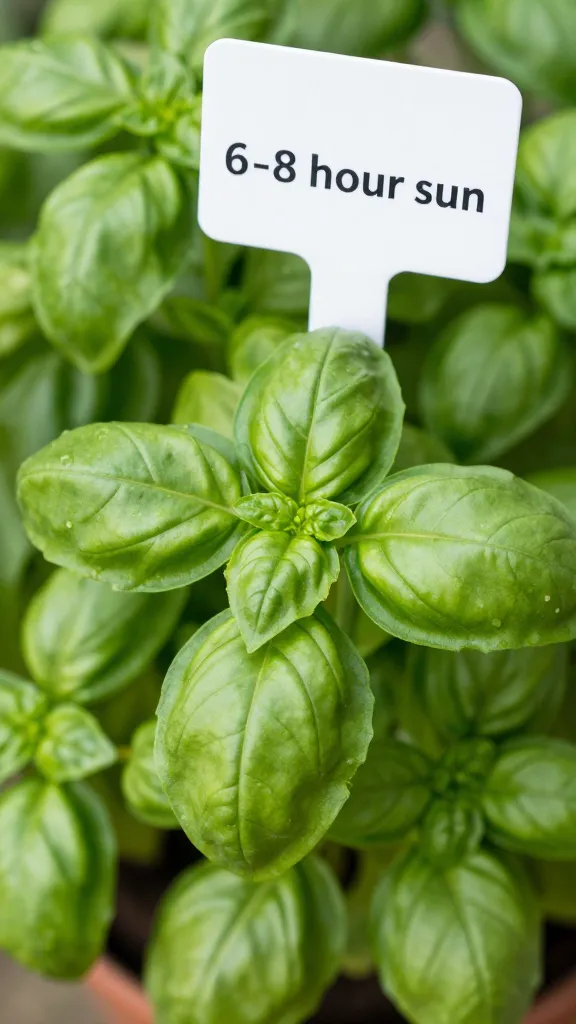
You can’t cheat the sun. Most vegetables need 6–8 hours of direct sunlight per day, especially fruiting plants like tomatoes and peppers. Watch your yard for a couple of days and note where the light lands. If you only get 4–5 hours, grow leafy greens and herbs—they don’t mind the shade.
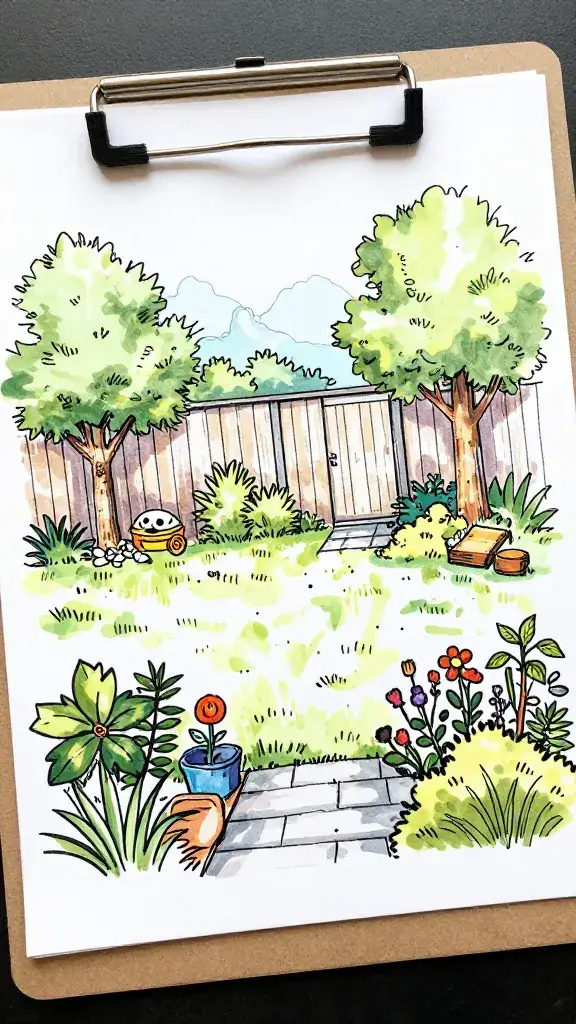
Measure your space next. Sketch a quick plan on paper. Keep pathways at least 18 inches wide so you don’t ankle-sprain your way to the basil. And be honest about time: if you’ve got 20 minutes a day, you’ll do great with a few containers and a raised bed, not a mini farm. IMO, small and tidy beats big and chaotic every time.
Microclimates: Your Sneaky Advantage
Warm brick wall? Great for peppers and tomatoes. Breezy corner that dries quickly? Plant thyme and rosemary. Shadier spot behind the fence? Spinach and lettuce will love it. Use these little pockets to match plants with their favorite conditions.
Pick a Garden Style That Fits Your Yard (and Life)
You’ve got options—none of them require a rototiller or an extra mortgage.
- Containers: Perfect for patios and renters. Use 10–20 gallon pots for tomatoes, 5–7 gallon for peppers and eggplants, and wide, shallow containers for greens. Drill drainage holes if your pots don’t have them—plants hate soggy feet.
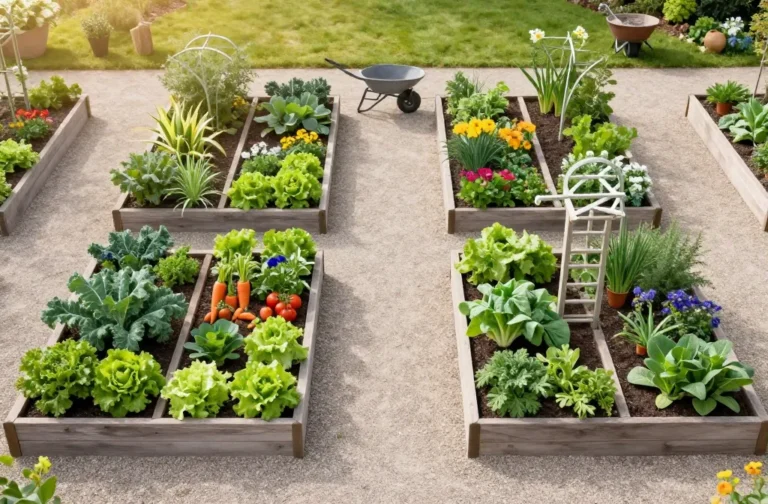
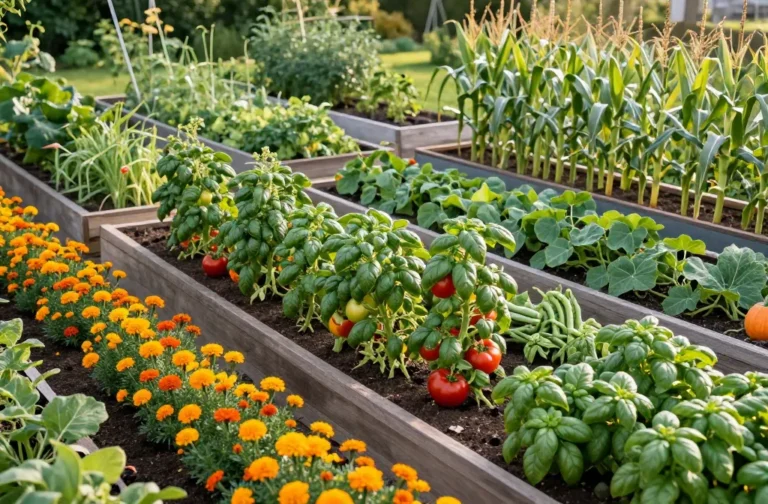
- Raised Beds: A 4×4 or 4×8 bed gives you structure, fewer weeds, and great soil. Keep it 10–12 inches deep. Wood, metal, or even cinder blocks all work. Line the bottom with cardboard to smother grass.
- Vertical Setups: Trellises, wall planters, and hanging baskets make magic in tight spaces. Grow up, not out—cucumbers, beans, peas, and small melons climb like champs.
- Mixed Approach: My fave. A raised bed for staples, containers for bullies like mint (keep it contained, trust me), and a trellis on the fence for climbers.
FYI: Avoid Heavy Soil
Don’t fill containers or raised beds with native clay-heavy soil. Use high-quality potting mix for containers and a raised bed mix or compost + topsoil blend for beds. Light, fluffy soil = strong roots and fewer headaches.
Choose Beginner-Friendly, High-Reward Veggies
Pick plants that love small spaces and actually pay rent in produce. Start with these:
- Leafy greens: Lettuce, spinach, arugula, kale. Fast, forgiving, and shade-tolerant.
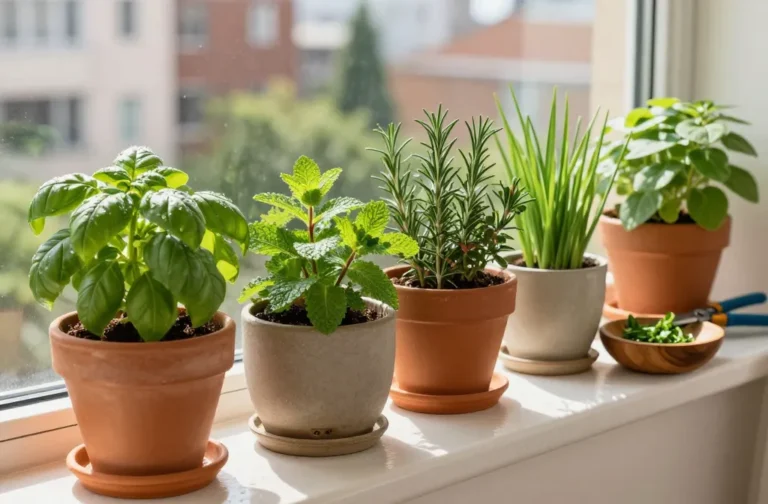
- Herbs: Basil, parsley, mint (in a pot!), thyme, chives. Huge flavor payoff with minimal effort.
- Tomatoes: Go for determinate or dwarf varieties in containers. Use cages or stakes.
- Peppers: Sweet or hot—both behave in pots. They like heat and patience.
- Cucumbers & beans: Climbing types love a trellis and save tons of space.
- Radishes & green onions: Quick wins. Great for confidence and salads.
Mix your list: a couple high-yield stars (greens, beans), a couple show-offs (tomatoes, peppers), and herbs to make everything taste better. FYI, if you only grow one thing, grow basil. It makes even a sad tomato taste like summer.
Smart Spacing in Small Beds
Try square-foot gardening to avoid chaos:
- 1 tomato per 2 square feet
- 9 bush beans per square foot (or climb them to free space)
- 4 lettuce per square foot
- 16 radishes per square foot
Crowding leads to disease and sad harvests. Give each plant breathing room and you’ll get more food, not less.
Soil, Fertilizer, and Mulch: The “Don’t Skip This” Trio
Healthy soil does the heavy lifting. Aim for a well-draining, compost-rich mix. For raised beds, a simple blend works:
- 40% high-quality topsoil
- 40% compost
- 20% coarse material (perlite, pine fines) for drainage
Fertilizer doesn’t need to be fancy. Use a balanced slow-release when planting, then top up with a liquid feed every 2–3 weeks once plants start growing fast. Tomatoes and peppers appreciate a bloom-boosting formula once they flower.
Mulch keeps moisture in and weeds out. Spread 1–2 inches of straw, shredded leaves, or fine bark around plants. Just don’t bury stems. Mulch basically buys you time between waterings—aka garden gold.
Compost: Your Backyard Superpower
Even a tiny bin helps. Toss in veggie scraps, coffee grounds, shredded paper, and leaves. Keep it moist like a wrung-out sponge and stir occasionally. In a few months, you’ll have free plant food. IMO, compost is the closest thing to a cheat code in gardening.
Watering Like a Pro (Without Babysitting)
Overwatering drowns roots. Underwatering stresses plants. The fix? Consistent, deep watering.
- Check before you water: Stick a finger 2 inches down. If it’s dry, water. If it’s damp, wait.
- Water at the base, in the morning: Keeps leaves dry and disease low.
- Soak, don’t sprinkle: Long, deep watering 2–4 times a week beats daily sips.
- Use a simple drip kit or soaker hose: Set a timer and enjoy your coffee while your garden hydrates.
Containers dry out faster, especially in heat. Consider self-watering planters or add a bit of coco coir to mixes to hold moisture.
Trellises, Cages, and Tiny-Space Tactics
Support plants and you instantly gain room and reduce disease. Easy wins:
- Tomatoes: Sturdy cages or a single stake + regular pruning.
- Cucumbers: Netting or a vertical frame; guide vines up.
- Beans & peas: String trellis, mesh, or bamboo teepees.
Want bonus harvests? Succession plant. After you pull radishes, pop in bush beans. After lettuce bolts in the heat, sow basil. Keep the party going.
Companion Planting (Without the Folklore)
Some pairs just make sense:
- Basil + tomatoes: Better flavor, shared water needs.
- Marigolds by peppers: Attract beneficial insects and look cheery.
- Beans near greens: Beans fix nitrogen; greens say thanks.
Skip complicated charts. Just mix herbs and flowers among veggies to attract pollinators and keep pests guessing.
Pest and Problem Solving (Fast, Simple, Non-Doomy)
No yard escapes pests, but you can stay ahead.
- Scout weekly: Flip leaves, look for holes, sticky residue, or clusters of bugs.
- Remove by hand: Aphids? Blast with water. Caterpillars? Relocate them to, uh, not your kale.
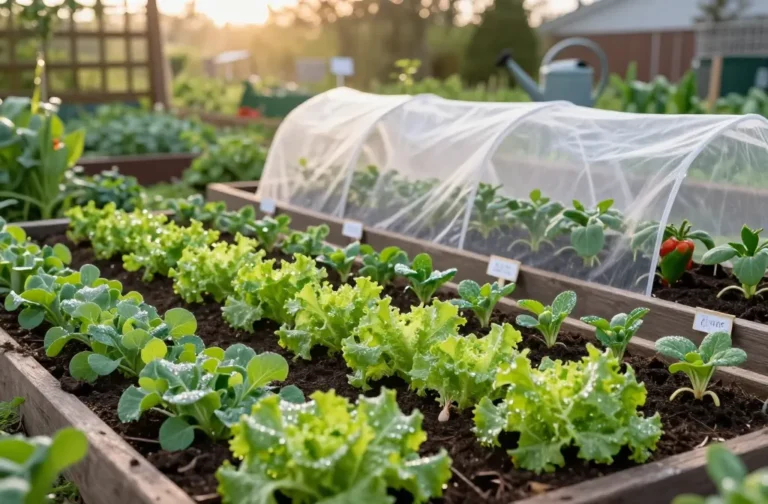
- Use barriers: Row covers over young plants stop many insects cold. Copper tape repels slugs on containers.
- Soapy water spray: A mild, fragrance-free soap mix handles soft-bodied pests. Rinse foliage after.
- Encourage allies: Ladybugs, lacewings, birds. Plant dill, alyssum, and calendula to invite them in.
See powdery mildew on squash leaves? Prune for airflow, water soil only, and consider resistant varieties next time. Not every leaf must look perfect; you’re growing food, not showroom plants.
Planting Calendar: When to Start What
Timing matters more than talent. Rough guide:
- Cool-season (early spring/fall): Lettuce, spinach, peas, radishes, kale.
- Warm-season (after last frost): Tomatoes, peppers, cucumbers, beans, basil.
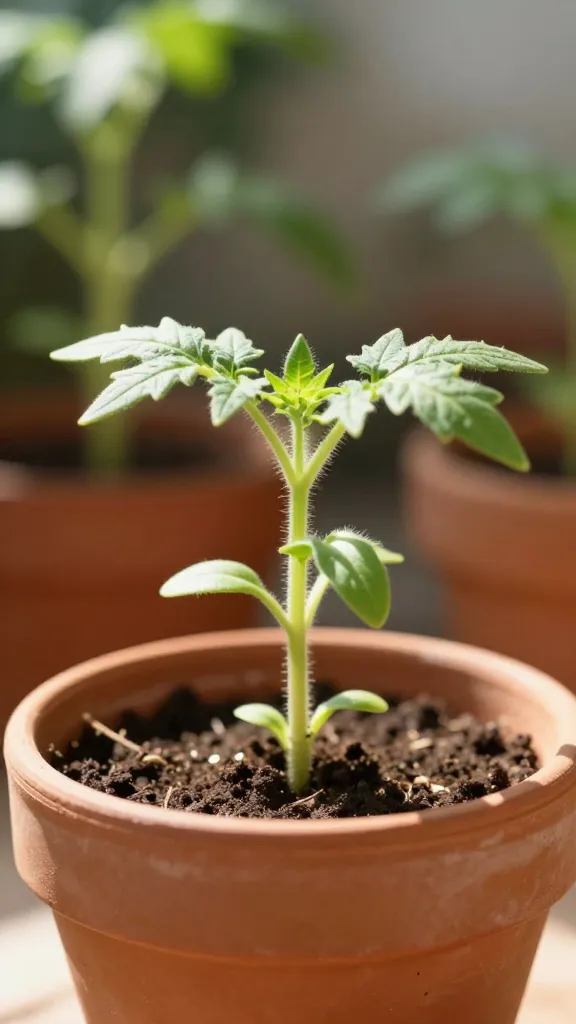
Check your local frost dates and count backward. Start some seeds indoors if you want (peppers and tomatoes), or buy healthy starts from a nursery. If starting stresses you out, skip it and plant nursery transplants—zero shame.
Quick Seed-Starting Tips
- Use a seed-starting mix, not garden soil.
- Give seedlings bright light (a sunny window or grow light 2–4 inches above).
- Harden off for a week before planting outside: shade, then gradual sun.
FAQ
How many plants do I need to feed a small household?
For a couple, try 2 tomato plants, 2–3 pepper plants, a pot of basil, a 4×4 bed filled with greens and radishes, and a trellis with beans or cukes. You’ll harvest salads all season and snag regular tomatoes and peppers without drowning in produce.
Can I grow veggies if my backyard only gets part sun?
Yes. Focus on leafy greens, herbs like parsley and mint, and root crops like radishes. Skip or minimize fruiting crops (tomatoes, peppers) unless you can place them in the sunniest microspot or use reflective surfaces to bounce light.
What’s the easiest way to water when I travel?
Install a basic drip kit with a battery timer, or use self-watering containers. As backup, mulch heavily and cluster pots together in light shade. Ask a neighbor to check once midweek—pay them in cucumbers and bragging rights.
Do I need fertilizer if I use compost?
Compost builds soil health, but vegetables—especially containers—often need extra nutrients. Use a slow-release fertilizer at planting and supplement with a balanced liquid feed every couple of weeks during peak growth.
How do I keep critters out without building a fortress?
For raised beds, add a simple 2–3 foot mesh fence. For containers, elevate them on stands and use cloches or row covers when plants are small. If squirrels raid tomatoes, pick them at first blush and ripen indoors. It’s petty, but effective.
Why do my tomatoes flower but not set fruit?
Heat stress or poor pollination often cause this. Shake the plant gently in the morning to move pollen, water consistently, and add mulch. When temperatures cool a bit, fruit set usually resumes.
Wrap-Up: Small Space, Big Flavor
You don’t need acreage—you need intention. Map the sun, pick a layout that fits your life, choose beginner-friendly plants, and keep soil, water, and support systems on point. Check your garden a few minutes a day, harvest often, and tweak as you learn. Before long, you’ll step outside, snip a handful of basil, and think: wow, that was easier than I expected—IMO, way tastier too.
Share this content: