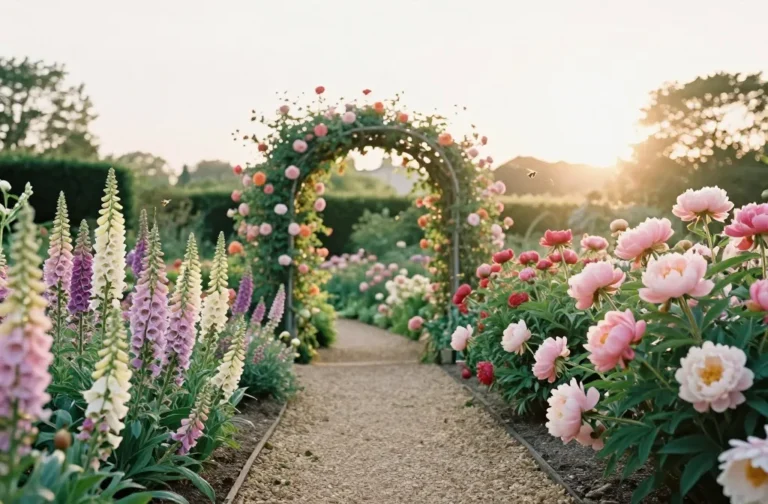
The Secret to How to Build a Low-Maintenance Garden That Still Looks Amazing
You want a gorgeous garden without spending every weekend weeding, pruning, and apologizing to dead plants? Totally doable. The trick: plan smarter, plant tougher, and let nature handle more of the hard work. You’ll still get color, structure, and those smug “yep, I grew that” moments—just with fewer blisters.
Start With a Lazy-Friendly Plan
You don’t need a blueprint worthy of Versailles. You just need a simple game plan that reduces chores from the start. Think long-term: how will this space look in three years when your plants grow up and stop acting shy?
- Group plants by water needs. Put thirsty guys together and drought-lovers together. Your hose will thank you.
- Go big on structure. Use shrubs, small trees, and ornamental grasses as your foundation. They deliver year-round interest without constant fussing.
- Design in layers. Tall in back, medium in the middle, groundcovers up front. Fewer gaps = fewer weeds.
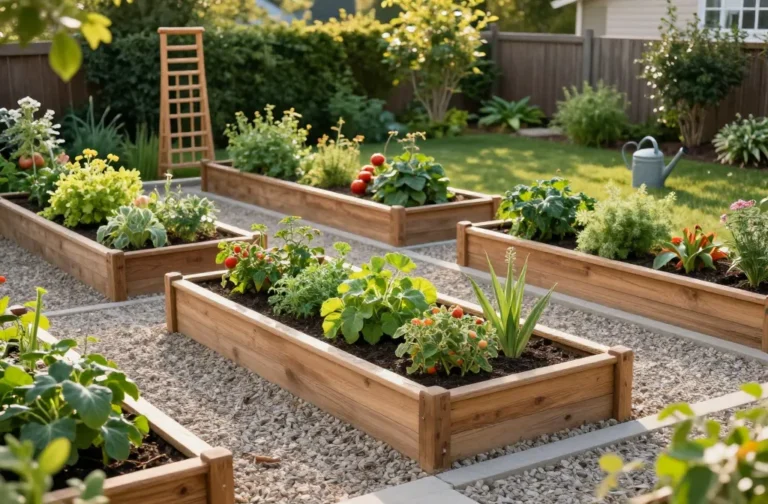
- Leave pathways. Mulch or gravel paths look sharp and keep you from stomping your beds to death.
Smart Shapes Win
Curved beds look lush and natural, but keep edges smooth and wide. Tight zigzags collect weeds and guilt. Also, keep bed depth manageable (4–6 feet). You’ll reach everything without acrobatics.
Choose Plants That Basically Raise Themselves
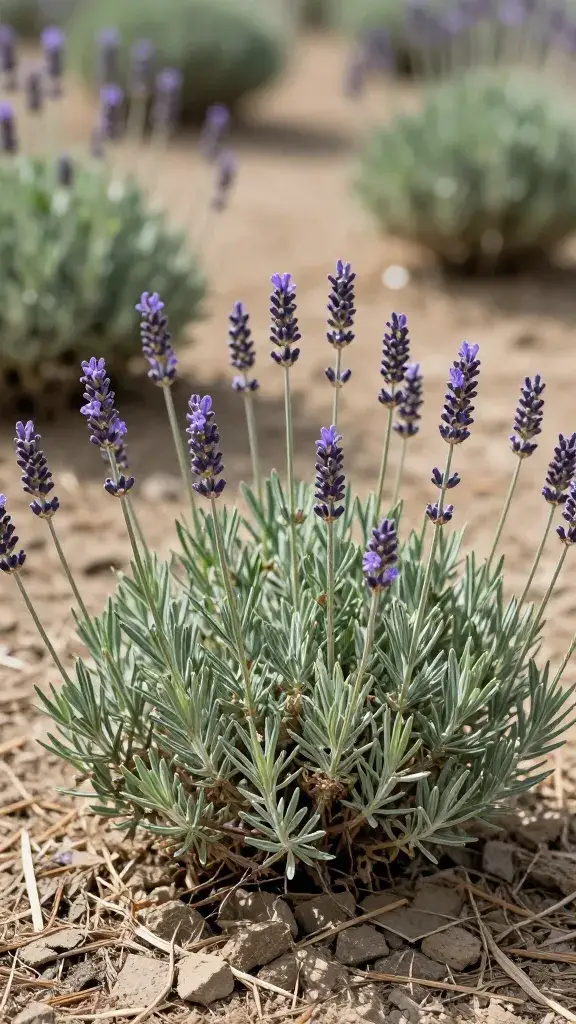
Plants that thrive on neglect? Yes, please. Pick tough, region-appropriate species that don’t need coddling or therapy.
- Native plants suit your climate and local soil, so they need less water and fewer treatments.
- Evergreens add structure year-round. Boxwood, holly, yew, or dwarf conifers keep things tidy.
- Perennials that rebloom or persist like salvia, catmint, daylilies, and coneflowers give color without annual replanting.
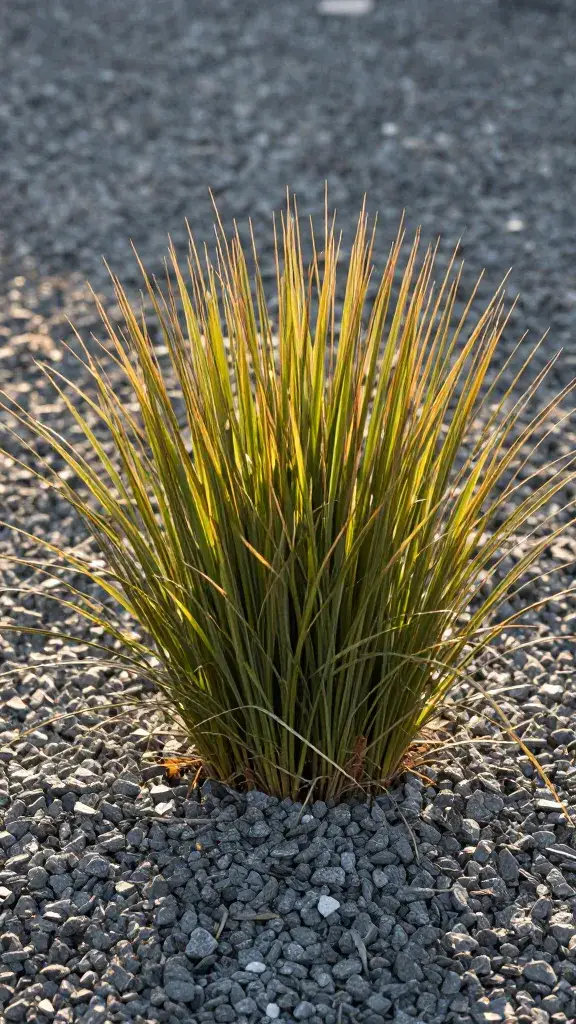
- Ornamental grasses (switchgrass, miscanthus, blue fescue) create movement and need a single haircut yearly.
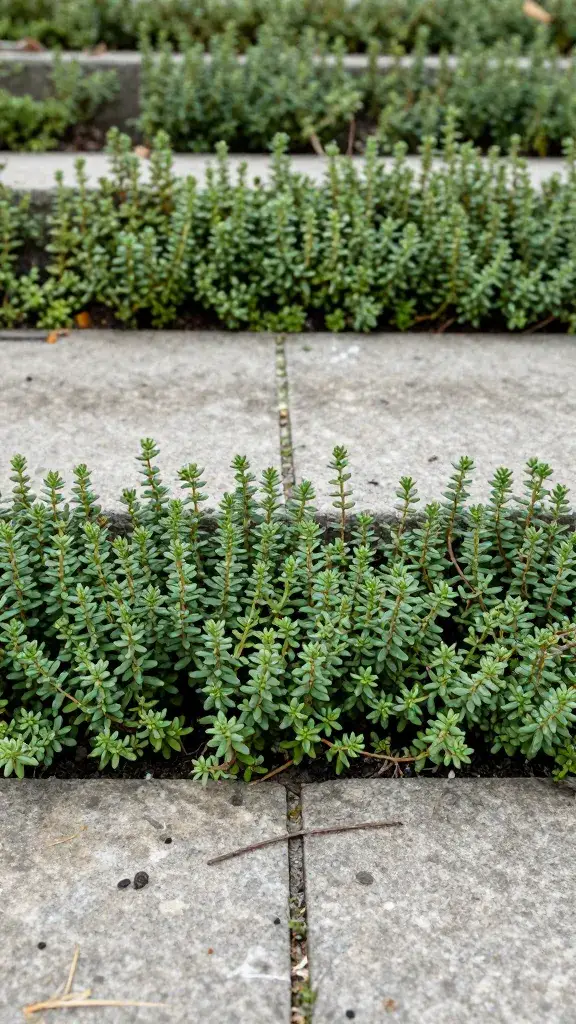
- Groundcovers like creeping thyme, ajuga, and mondo grass smother weeds and look intentional. Because they are.
Skip the Divas
If a tag says “requires staking,” “deadhead daily,” or “protect from life’s disappointments,” move on. IMO, avoid plants that mildew easily or demand perfect soil unless you enjoy drama.
Soil Prep That Saves You Years of Work
Great soil = healthier plants = less babying. One solid prep session reduces future headaches by a lot.
- Test your soil. A $20 kit tells you pH and nutrients. You’ll stop guessing and start planting smart.
- Add compost generously. Mix 2–3 inches into the top 8–10 inches of soil. That boosts drainage and fertility.
- Fix drainage early. If water pools after rain, create raised beds or add grit. Plants hate wet feet (FYI, same).
- Edge your beds. A crisp shovel-cut edge or steel edging blocks grass creep. It’s the “don’t cross this line” of landscaping.
Mulch Like You Mean It
Mulch checks three boxes: fewer weeds, better moisture retention, steadier soil temperature. Apply 2–3 inches of shredded bark, wood chips, or gravel (for xeric areas). Keep mulch a few inches away from trunks and stems so you don’t create fungus condos.
Watering That Doesn’t Own Your Weekend
Set up the right system once, then let it run while you sip something cold and admire your kingdom.
- Use drip irrigation or soaker hoses. They water roots, not leaves, which reduces disease and evaporation.
- Add a timer. Automatic schedules = consistent plants, no guilt. Water early morning to reduce loss.
- Prioritize deep, infrequent watering. Plants develop stronger roots and handle heat better.
- Collect rainwater if allowed. A simple barrel cuts bills and ups your eco-cred.
Drought-Tolerant All-Stars
Try lavender, sedum, rosemary, Russian sage, gaura, and yarrow. They thrive on sunshine and benign neglect. Just give them well-drained soil and don’t smother them with love.
Weeds, Pests, and Other Party Crashers
Let’s be honest: weeds and pests never RSVP. But you can make your garden not worth their time.
- Plant densely. Fewer gaps means fewer weeds. Groundcovers help a ton.
- Use pre-emergent in early spring. Corn-gluten meal (organic) or a synthetic option stops many weeds from sprouting. Read labels, always.
- Pull early, pull fast. Five minutes after rain beats one hour in July heat.
- Encourage predators. Ladybugs, birds, and lacewings love messy corners, water sources, and diverse plants.
- Spot-treat pests. Neem oil, insecticidal soap, or a strong hose blast. Don’t nuke the whole yard because one aphid looked at you funny.
Reduce Lawn, Reduce Work
Grass demands weekly therapy. Replace some with beds, gravel patios, or a micro-clover mix. You’ll mow less, water less, and relax more. Revolutionary, right?
Design for Four Seasons (With Minimal Effort)
You want interest year-round, not a spring fling that ghosts you by July. Build your palette for all seasons.
- Spring: Bulbs like daffodils and alliums pop through mulch without constant care.
- Summer: Perennials and grasses carry the show. Add a few tough annuals (angelonia, lantana) if you want extra color.
- Fall: Asters, sedums, and switchgrass get glowy. Seed heads look artsy and feed birds.
- Winter: Evergreens, red-twig dogwood, and grasses left standing keep the vibe alive. Frost does the decorating for free.
Hardscape = High Impact, Low Effort
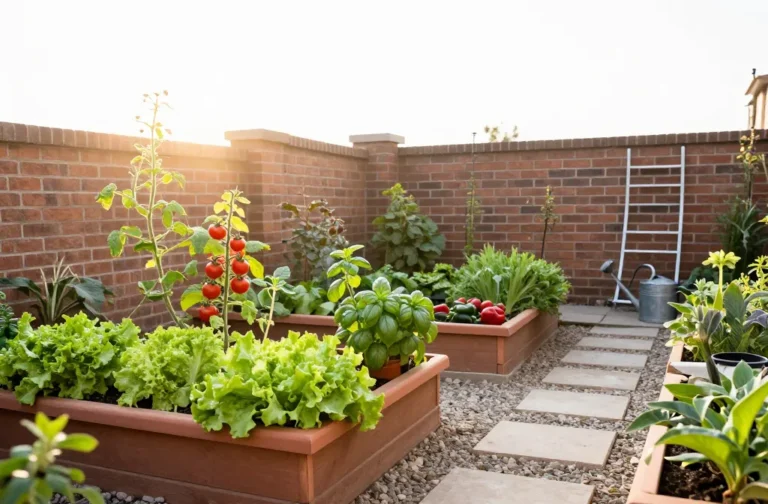
Patios, raised beds, big containers, trellises—these add structure without extra watering and weeding. Choose durable materials (stone, steel, composite). If it weathers well, it works well.
Maintenance You Can Actually Stick To
Set a tiny routine and watch your garden stay gorgeous with surprisingly little input.
- 10-minute weekly walk-through. Snip dead bits, yank baby weeds, check irrigation. Done.
- Seasonal chores: Spring: add mulch and divide overachievers. Late summer: light cutbacks for rebloomers. Winter: prune shrubs and trees that need it (check species timing).
- Fertilize sparingly. Compost or slow-release once or twice a year. Don’t turn plants into needy teenagers.
- Leave the leaves (strategically). In beds, they protect soil and help wildlife. On lawns and paths, not so much.
Containers Without the Drama
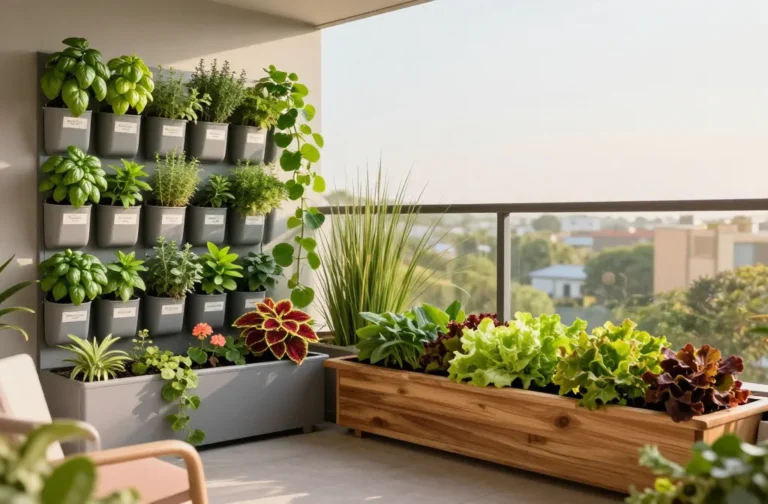
Use big pots (less drying out), high-quality potting mix, and drought-tough plants like succulents, herbs, and dwarf grasses. Add a drip line or self-watering insert if you forget to water. Happens to the best of us, FYI.
FAQ
How small can a low-maintenance garden be?
As small as a single raised bed or a trio of large containers. The principles stay the same: good soil, the right plants, mulch, and consistent watering. Compact doesn’t mean boring—layer heights and textures for instant depth.
Do I need to replace all my plants to go low-maintenance?
Nope. Start by editing. Keep the tough performers, relocate the divas to a “high-care” corner (or rehome them), and fill gaps with resilient perennials and groundcovers. You’ll cut work without a full overhaul.
What’s the easiest mulch to live with?
Shredded hardwood or bark works for most beds and looks tidy. In hot, dry gardens, consider gravel mulches around xeric plants to prevent rot. Reapply organic mulch annually or as it thins—quick job, big payoff.
Can I still have color without constant deadheading?
Absolutely. Choose long-bloomers like catmint, salvia, black-eyed susans, and daylilies. Add shrubs with colorful foliage (smoke bush, barberry) and flowers you don’t need to fuss over. Color that basically maintains itself? Chef’s kiss.
How do I keep it eco-friendly and low effort?
Use native plants, drip irrigation, and organic mulches. Skip broad-spectrum pesticides and encourage beneficial insects with plant diversity. Also, reduce lawn area—IMO, it’s the single biggest time and water saver.
What if my soil is terrible?
Build raised beds and import good soil, then work in compost annually. Or plant tough species that tolerate poor soil (ornamental grasses, sedums, lavender). You’re not married to your native dirt.
Conclusion
You don’t need a gardener on speed dial to have a stunning space. Plan with intention, pick resilient plants, mulch like a pro, and automate your watering. Then sit back and enjoy the compliments while your garden basically does its thing. Low-maintenance and high-impact? That’s the sweet spot.
Share this content: