Stop It Fast Dehydration in Chickens (Simple Skin Test + Recovery Steps)
Your chickens drink water like tiny dinosaurs, but they still dehydrate faster than you’d expect. Heat, stress, illness, or just a knocked-over waterer can send them downhill quickly. The good news? You can spot dehydration fast with a simple skin test and get them back on their scaly feet with a few easy steps.
Why Dehydration Hits Chickens Hard
Chickens run hot. Their little engines hum along at a higher temperature than ours, so they lose water quickly. Add summer heat, brooding, or a bully guarding the waterer, and you’ve got trouble.
They don’t show weakness until they must, so you often notice dehydration late. That’s why you should learn the signs and test for it early. It’s simple, quick, and IMO essential coop-keeping.
The Simple Skin Pinch Test
You don’t need a lab or fancy gadgets—just your fingers.
How to do it
- Pick a calm spot and gently hold the chicken.
- Pinch and lift the skin on the back of the neck (scruff) or over the breast.
- Release and watch how fast it snaps back.
What the results mean
- Snaps back instantly: Hydration looks good.
- Returns slowly (1–2 seconds): Mild dehydration—act now.
- Tents or stays up: Moderate to severe dehydration—treat urgently.
FYI, older birds and skinny birds may have slightly looser skin, so always pair the test with other signs.
Other Signs Your Chicken Needs Water—Like, Now
Dehydration rarely travels alone. Watch for:
- Lethargy: Bird moves less, stands fluffed up, or separates from the flock.
- Panting and wings held out: Classic heat stress sign.
- Sunken, dull eyes: Not the bright, curious stare you want.
- Dry comb and wattles: Look shriveled or pale.
- Reduced appetite and egg production: Eggs may have weaker shells.
- Scant, dry droppings: Sometimes greenish from bile.
Spot two or more of these? Move straight to recovery steps.
Quick Recovery: What to Do in the Next Hour
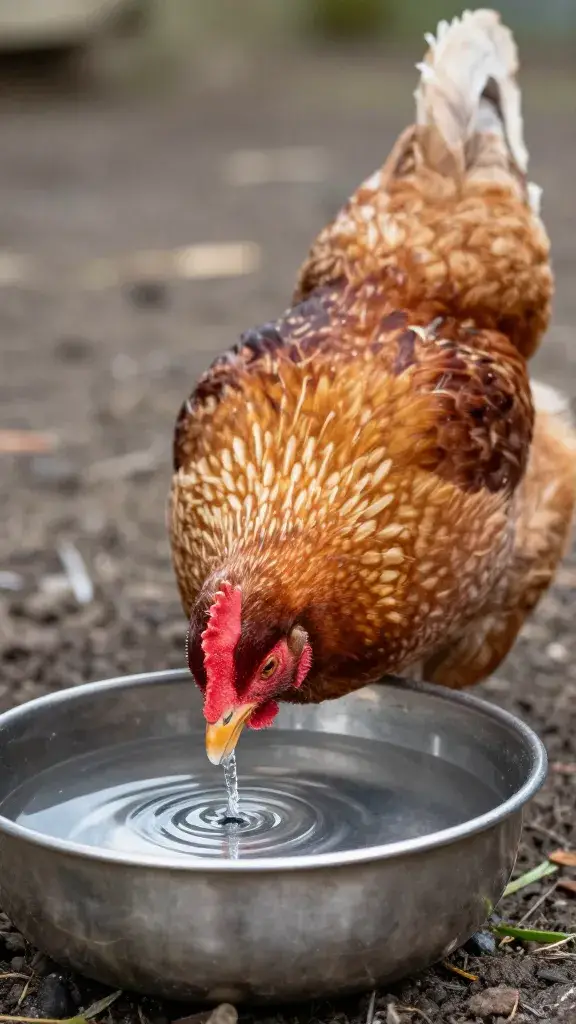
You can turn things around fast if you act quickly and keep calm. Your bird will handle the drama for both of you.
Step-by-step rescue plan
- Get them cool and quiet: Move the chicken to shade or a cool room (not cold). Aim for 70–80°F if possible.
- Offer cool (not icy) water: Slightly cool water rehydrates faster and doesn’t shock their system.
- Add electrolytes: Use a poultry electrolyte mix. No mix? Add 1 liter water + 1 tsp sugar + a pinch of salt + a pinch of baking soda. It’s not perfect, but it helps.
- Encourage sipping: Dip the beak gently into the water to prompt a drink. Do not force water down the throat.
- Reassess every 15 minutes: If the skin test improves and the bird perks up, keep offering fluids.
- For severe cases: If the bird can’t drink or keeps declining, contact an avian vet. Subcutaneous fluids may be necessary.
Never use very cold water or dunk the chicken. Rapid cooling can cause shock.
Prevent Dehydration Before It Starts
Prevention beats panic. You can make a few simple changes that save you messy emergencies.
Water setup that just works
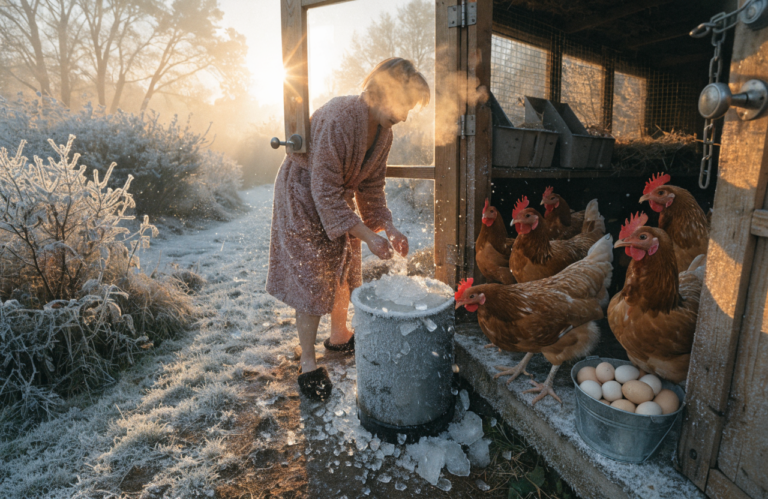
- Multiple waterers: Place 2–3 waterers in different spots so bullies can’t block access.
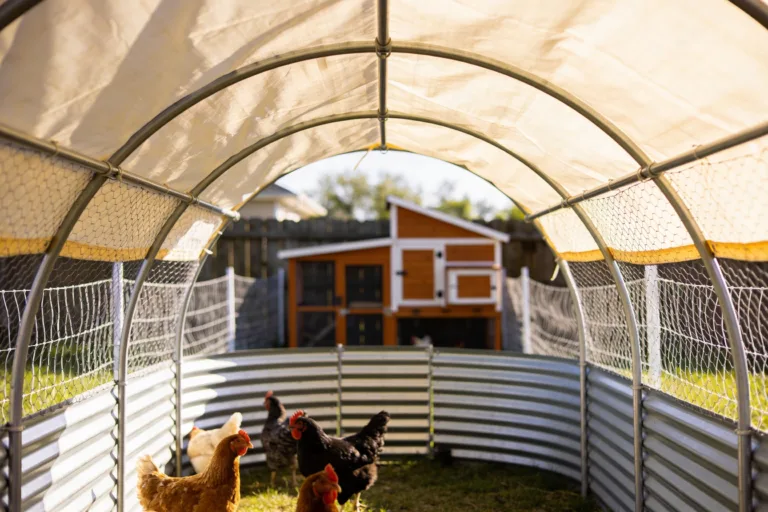
- Keep it shaded: Sun turns water into soup. Shade keeps it cooler and more appealing.
- Clean daily: Algae and crud make chickens avoid drinking. Rinse and refill daily, scrub weekly.
- Use larger containers in summer: They evaporate slower and run out less.
Cooling tricks for hot days
- Electrolytes on heatwave days: Offer them in the morning and plain water as the main option.
- Frozen water bottles: Drop sealed bottles in waterers to chill without dilution.
- Misters or damp soil: Create a cool zone where hens can hang out.
- Wet mash: Add water to feed to sneak in extra hydration.
Pro tip: Place water at different heights—ground level for bantams and a raised option for larger birds.
Special Cases: Chicks, Broodies, and Seniors
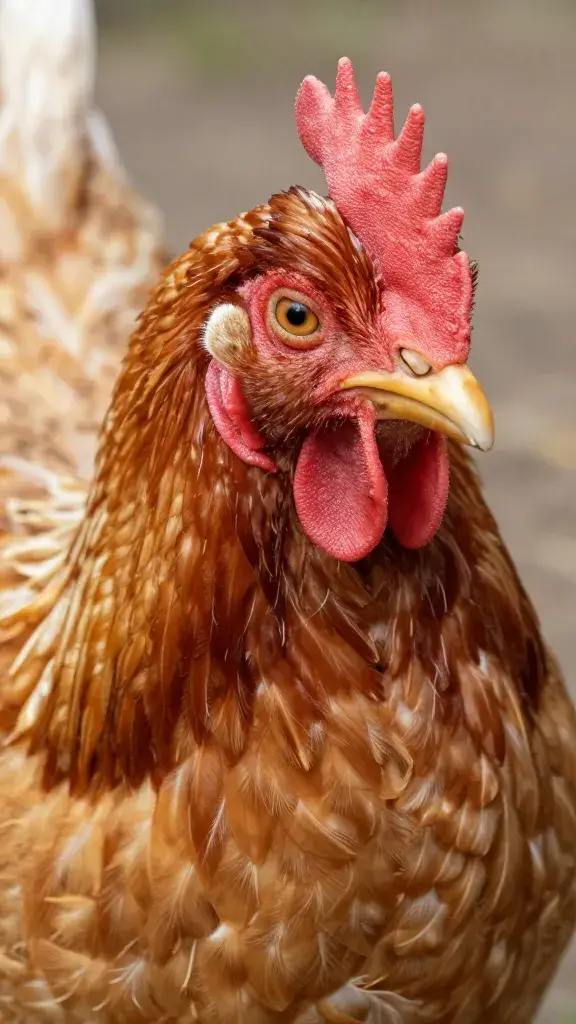
Not all birds hydrate the same way. A little tweaking keeps everyone safe.
Chicks
Chicks dehydrate fast—like, scary fast. Use shallow chick waterers, refresh often, and keep the brooder under 85°F after the first week. Add electrolytes for the first 24–48 hours after arrival or during heat spikes.
Broody hens
Broodies forget to eat and drink because motherhood comes with tunnel vision. Put water right next to the nest and offer wet mash once a day. Check her comb—if it dries out or she pants while sitting, intervene.
Senior or ill birds
Older birds or those recovering from illness need easier access. Raise the waterer to chest height for arthritic hens and use wider bowls. If they struggle to drink, use a syringe to drip water on the beak edge so they sip voluntarily. Gentle is the rule.
When to Worry and Call a Vet
I love DIY, but sometimes you need a pro. Reach out to an avian vet if:
- Skin stays tented after an hour of rehydration attempts.
- The bird can’t stand, won’t swallow, or has seizure-like tremors.
- There’s bloody or black tarry poop (possible internal issues).
- Respiratory signs show up: wheezing, open-mouth breathing at rest, nasal discharge.
These signs might point to heatstroke, infection, parasites, or something more serious than simple dehydration.
Building a Coop Hydration Routine
Consistency wins here. Make hydration checks as normal as collecting eggs.
- Morning check: Refill and cool water; add electrolytes if forecast screams “heat advisory.”
- Midday peek: Confirm waterers haven’t tipped, baked, or been redecorated with bedding.
- Evening reset: Clean debris, top off, and set waterers in shade for early morning access.
- Weekly scrub: Use a brush and mild vinegar solution; rinse thoroughly.
Small habits, big difference. Your future self will thank you.
FAQ
Can I use sports drinks for chickens?
You can in a pinch, diluted 1:1 with water for a few hours, but poultry electrolytes work better and avoid unnecessary dyes and sugars. Don’t use it as a daily thing—keep it for heat stress or recovery only.
How much water does a chicken need per day?
On average, 0.5–1 cup per standard hen, but in hot weather they may double that. If you think they’ll drink X, provide 2X and walk away feeling smug.
Is the skin pinch test accurate for all breeds?
It’s a great quick check, but combine it with behavior, comb condition, and droppings. Very fluffy or older birds may give slower skin recoil even when hydrated, so read the whole picture.
How fast can dehydration become dangerous?
In extreme heat, a chicken can spiral within hours. If a waterer spills at noon on a 100°F day, you may see serious symptoms by afternoon. That’s why redundancy—multiple waterers—isn’t overkill.
Should I force water with a syringe?
Only drip along the beak edge so the chicken swallows on its own. Never squirt into the throat—aspiration can be fatal. If your bird won’t swallow, call a vet ASAP.
Are fruits and veggies helpful for hydration?
Yes, as a supplement. Offer watermelon, cucumber, or leafy greens in moderation. Keep the main focus on clean water with optional electrolytes during stress.
Conclusion
Dehydration sneaks up on chickens, but you can outsmart it. Use the skin pinch test, watch for the classic signs, and act early with cool water and electrolytes. Then set up a no-drama hydration system—multiple shaded waterers, routine checks, and a few summer hacks. Do that, and your flock will keep strutting, clucking, and laying like champs, IMO the way backyard chicken life should be.
Share this content: