Steal These 6 Garden Border Ideas to Make Your Yard Look Finished
Want your yard to look polished without a total overhaul? A smart border can make your garden beds pop, guide the eye, and keep mulch from making a break for the lawn. These ideas hit that sweet spot between style and function. Pick one, mix a couple, or try them all over time—your curb appeal will thank you.
We’re talking low effort, high impact. The right edge can make a scrappy bed look intentional and help you spend less time weeding, edging, and fixing runaway soil. Ready to make your yard look finished—like, “neighbors slow down to stare” finished?
1. Brick-on-Edge Borders For That Classic, Forever-Fresh Look
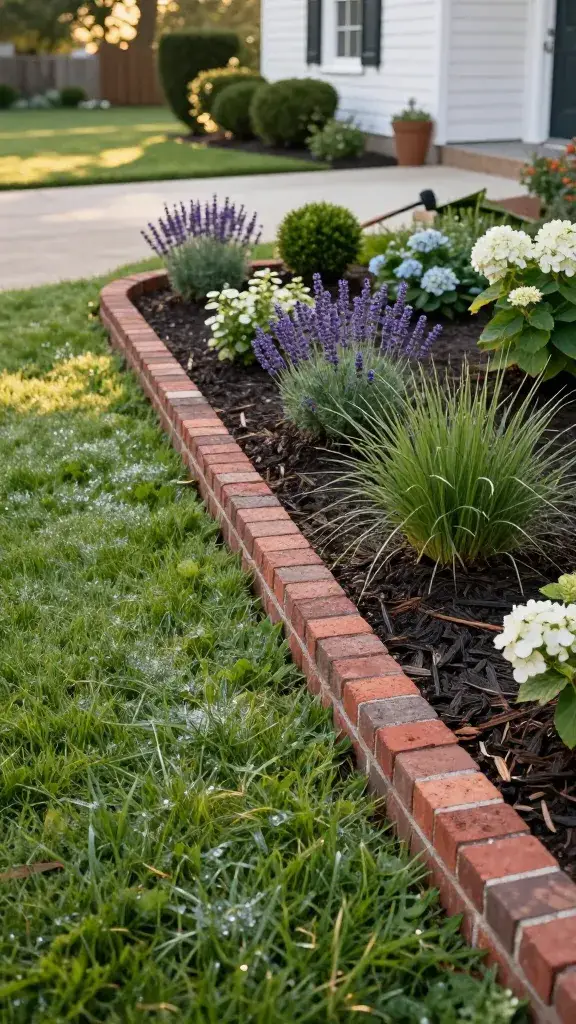
Brick borders scream timeless without trying too hard. Flip bricks on their narrow edge and you get a crisp, raised line that keeps mulch in, grass out, and looks sharp from the street. You can go straight and formal or curve it up for cottage-garden charm.
Why It Works
- Structure + polish: Defined edges instantly make beds feel intentional.
- Durability: Bricks handle weather, mowers, and foot traffic like champs.
- Flexible style: Red brick leans classic, while tumbled or charcoal bricks read modern.
Installation Tips
- Dig a shallow trench about as deep as the brick height, then add a 1-inch sand base.
- Set bricks on edge, tap level with a rubber mallet, and snug them tight together.
- Backfill with soil or crushed stone. Add polymeric sand between bricks for a cleaner finish.
Use this when you want a long-term, mow-friendly edge that looks great year-round, even when the plants aren’t doing much.
2. Natural Stone Borders That Look Like You Hired A Landscape Designer
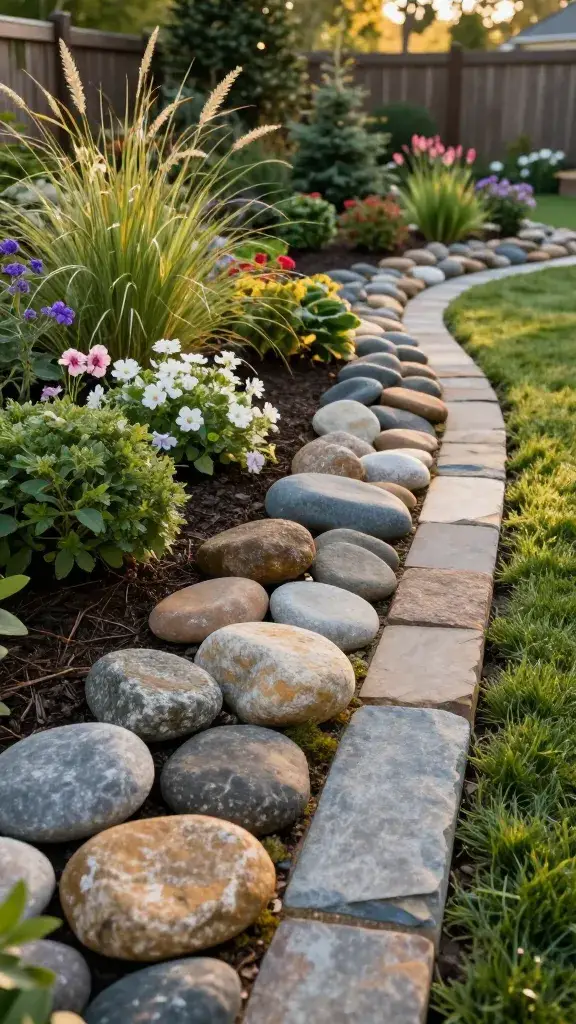
Nothing elevates a garden faster than a band of chunky, natural stone. River rock, fieldstone, or flagstone pieces create a rich, organic border that blends with any planting style. It’s the “oh, they know what they’re doing” move, IMO.
Materials To Consider
- River rock: Rounded stones for a soft, coastal vibe.
- Fieldstone: Irregular pieces that feel rustic and grounded.
- Flagstone strips: Long, flat edges for a sleek, modern profile.
Pro Moves
- Vary stone sizes slightly for a natural, collected look—avoid perfect repetition.
- Half-bury larger stones so they look embedded, not perched.
- Use landscape fabric under small rock borders to stop weeds (your future self will cheer).
Go with stone when you want texture and depth that stands out in all seasons—especially great for sloped beds or water-wise gardens.
3. Steel Or Aluminum Edging For Crisp, Minimalist Lines
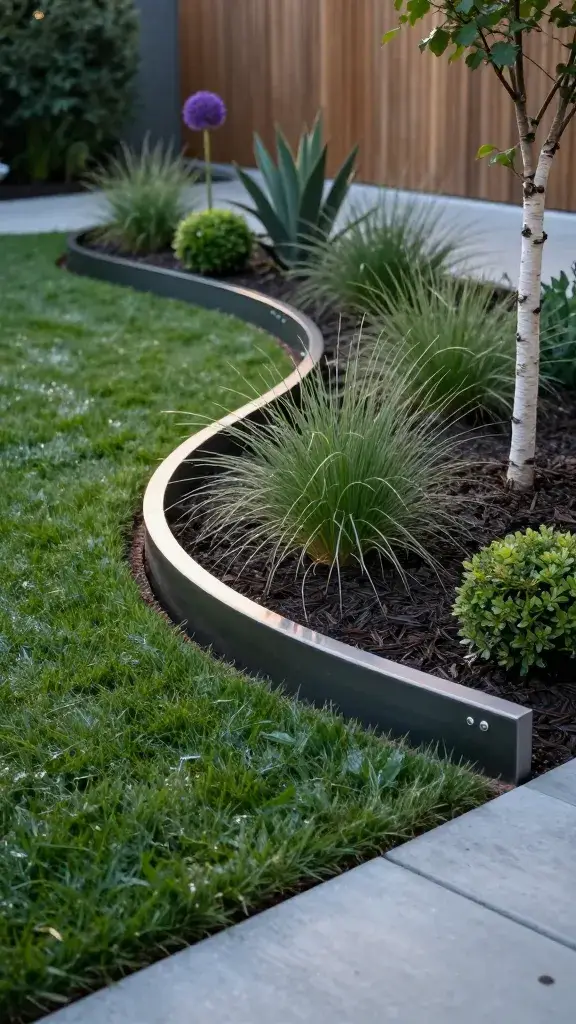
Want a modern, gallery-clean edge? Metal edging brings razor-sharp lines and major control over curves. It practically disappears when plants fill in, but keeps grass from invading your beds like a boss.
Why You’ll Love It
- Super clean edges: Perfect for contemporary or architectural gardens.
- Flexible curves: Bend it into arcs, S-curves, or tight circles around trees.
- Low profile: Lets plants and mulch be the stars.
Installation Tips
- Choose powder-coated steel for strength or aluminum for rust resistance.
- Set the edge 0.5–1 inch above soil to block grass runners but still look subtle.
- Use the provided stakes every 2–3 feet; tighten joints so mulch can’t escape.
Choose metal when you want easy mowing, minimal maintenance, and a tidy look that says, “Yes, I have my life together.”
4. Layered Plant Borders That Do The Edging For You
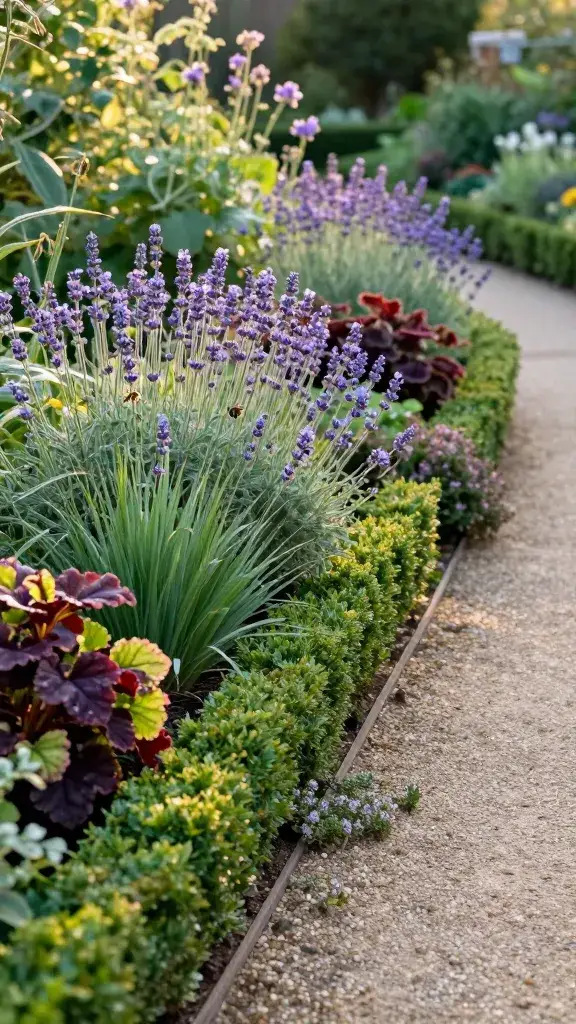
Let plants handle the border work with a low, dense edging layer. Think of this as the soft-serve version of edging—lush, pretty, and very forgiving. It creates a living frame that hides bare soil and looks dynamite along paths.
Great Edging Plants
- Boxwood (dwarf): Formal, evergreen, and snip-friendly.
- Lavender or catmint: Cottagey, aromatic, and pollinator heaven.
- Liriope or mondo grass: Grassy texture that handles neglect.
- Heuchera (coral bells): Colorful foliage for instant drama.
- Thyme or sedum: Low, drought-tolerant, and cute as heck.
Planting Tips
- Stagger in a 2-row zigzag for fullness and fewer gaps.
- Space tighter than the tag says if you want fast coverage (but don’t smother, seriously).
- Combine with a hidden metal or paver edge if you want extra mulch control.
Go this route when you love a soft, lush look and want a border that feels alive and seasonal.
5. Recycled And Rustic Edges That Add Quirky Personality
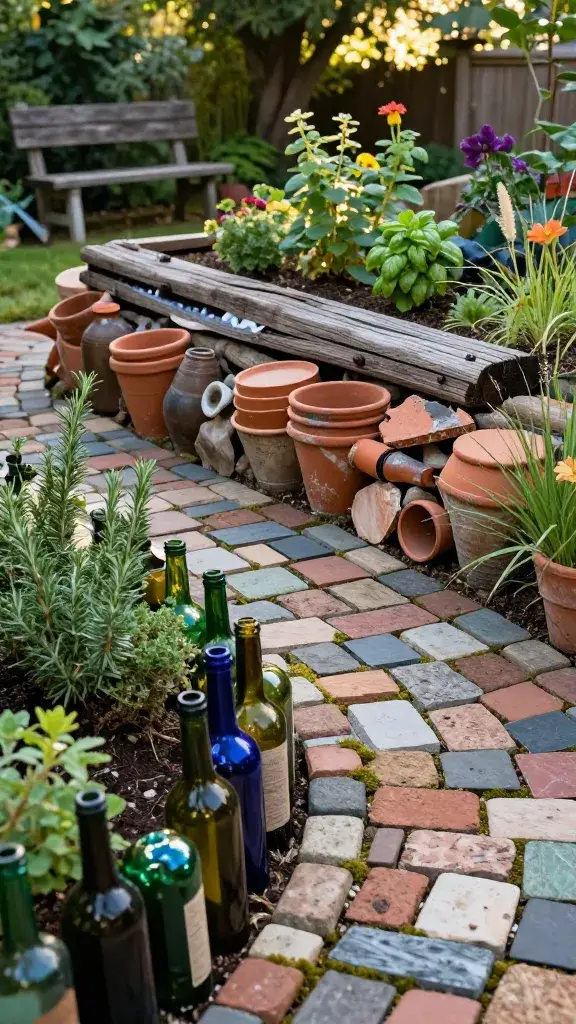
Not into matchy-matchy? Use reclaimed materials to build borders with soul. Weathered wood, salvaged pavers, wine bottles, even old terracotta—if it lines up, it can edge a bed and spark conversation.
Ideas To Steal
- Reclaimed pavers: Mix colors and sizes for a mosaic vibe.
- Weathered railroad ties or sleepers: Bold lines for raised edges—use rot-resistant options and line with barrier fabric.
- Upside-down bottles: Artsy curves that catch the light (great for herb beds).
- Stacked terracotta: Warm tone, great for Mediterranean-style plantings.
Smart Practices
- Keep height under 6–8 inches for stability unless you’re building a proper raised bed.
- Set items in a shallow trench so they don’t tip over after the first big rain.
- Seal or protect wood that contacts soil to slow rot.
Choose this when you want budget-friendly character and a one-of-a-kind look that tells a story. FYI: It photographs beautifully.
6. Gravel Bands And Mow Strips For Ultra-Low Maintenance
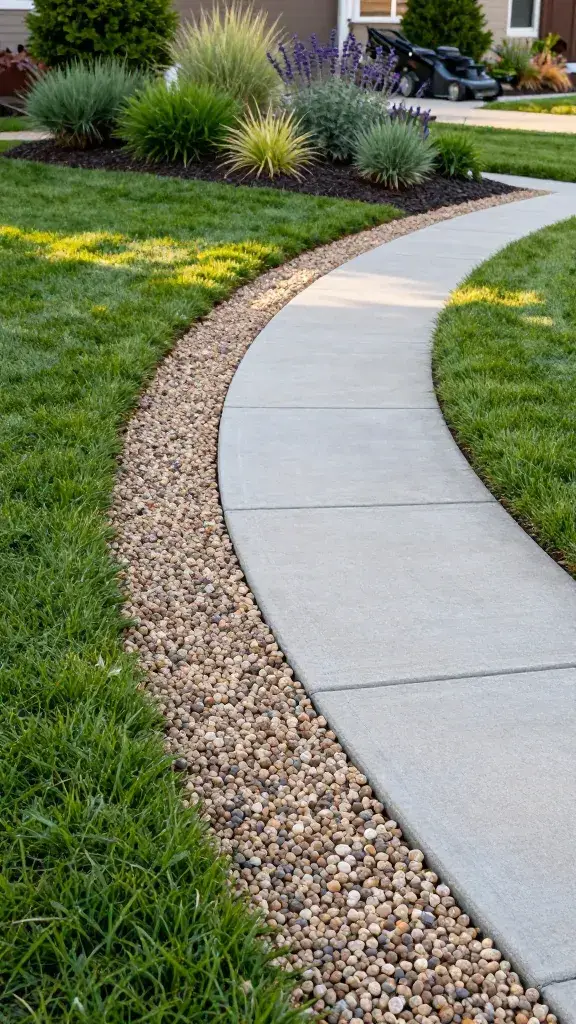
Want the neatest edge with the least fuss? A gravel band or solid mow strip gives you a clean transition you can actually mow right over. It keeps grass from sneaking in and stops mulch migration like a pro bouncer.
Two Winning Approaches
- Gravel band: A 6–12 inch strip of compacted gravel along the bed line. Looks sharp and drains well.
- Mow strip pavers: A single row of concrete or large pavers set flush with the lawn. Your mower rides the edge—no string trimming needed.
Installation Tips
- Excavate 3–4 inches, add a compacted base, then top with pea gravel or decomposed granite.
- Use a hidden steel or plastic edging to keep gravel corralled.
- For mow strips, set pavers on a sand base and level them flush with the turf line.
Pick this when you crave ultra-tidy lines, easy maintenance, and a contemporary finish that works with any planting palette.
There you have it—six border ideas that make your garden beds look finished in a weekend or two. Start with one bed, dial in your style, then roll the look across your yard for instant cohesion. Trust me, once you edge it, you’ll wonder how you ever lived with the chaos before.
Share this content: