Sour Crop Vs Impacted Crop (Symptoms, Causes, What to Do First) Explained Fast
Your chicken looks miserable, puffs up like a feathered balloon, and that little pouch on the front of her chest feels… weird. Is it squishy? Hard as a rock? Does her breath smell like a trash can in July? You might be dealing with a crop problem—either sour crop or an impacted crop. They’re different issues, and knowing which one you’ve got can save you time, money, and your bird.
Sour Crop vs Impacted Crop: Quick Snapshot
Sour crop means a yeast overgrowth (usually Candida) in the crop. It turns into a soggy, fermenting mess that doesn’t empty, and your hen smells like a brewery gone wrong.
Impacted crop means a physical blockage—usually long grass, straw, or foreign material—stopping food from moving through.
Both can happen together (fun, right?), but the first-step treatment differs. So, let’s sort them out fast.
How a Healthy Crop Works (And Why That Matters)
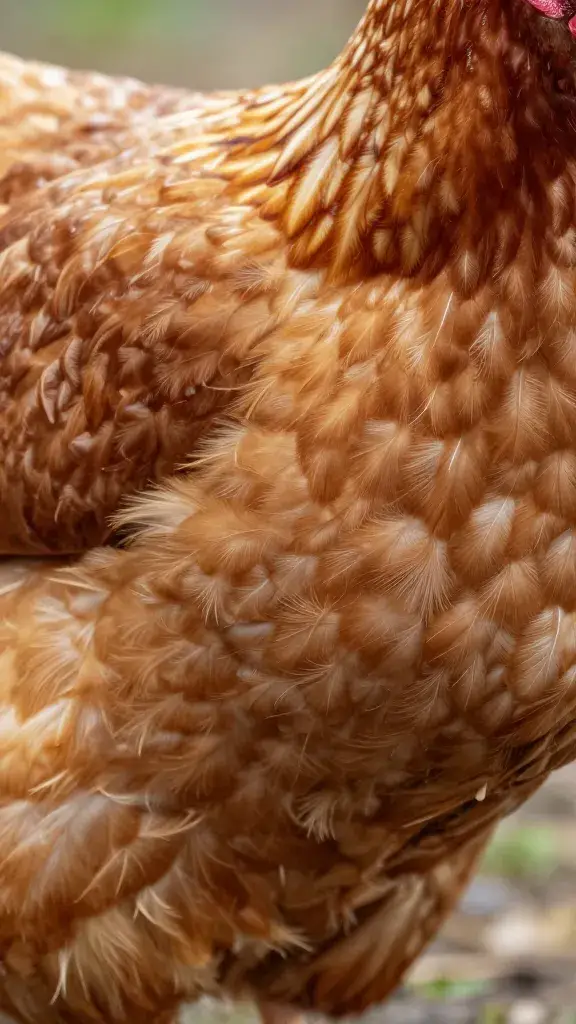
The crop sits on a chicken’s right chest area, like a little storage pouch. It fills during the day and should empty overnight. If it doesn’t empty by morning, you’ve got a problem.
Food moves from the crop to the stomach (proventriculus) and gizzard. If the crop stays full, stuff sits, ferments, and invites yeast. That’s where sour crop loves to party.
Spot the Difference: Symptoms You Can See and Smell
Signs of Sour Crop
- Squishy, fluid-filled crop that sloshes when you gently manipulate it
- Foul, yeasty, or sour odor from the beak (FYI, this is a big clue)
- Lethargy, reduced appetite, weight loss
- Watery droppings, sometimes with undigested bits
- Crop stays full and soft in the morning
Signs of Impacted Crop
- Hard, firm, or lumpy crop that doesn’t give when you press gently
- Little to no smell from the beak
- Slow or no emptying overnight
- Straining, neck stretching, or discomfort
- Droppings may be scant or dry
When Both Happen
Sometimes an impaction sits long enough to create a yeast bloom—so you get a hard crop with a sour smell. In that case, you still treat the blockage first, then the yeast. One thing at a time, IMO.
Common Causes (Aka “How Did We Get Here?”)
Impacted Crop Triggers
- Long, fibrous material: tall grass, straw, hay, pine straw
- Foreign stuff: string, twine, plastic bits (chickens are gobblers, not gourmets)
- Grit issues: no access to appropriate grit for the feed type
- Dehydration: dry feed + low water equals stuck crop
Sour Crop Triggers
- Crop stasis: anything that slows or blocks transit
- Overuse of antibiotics without probiotics—yeast loves an empty playing field
- Wet, moldy feed or fermented feed gone wrong
- Underlying illness: worms, coccidia, or liver problems can slow digestion
What to Do First (Step-by-Step)
Step 1: Check First Thing in the Morning
- Before breakfast, gently feel the crop.
- Empty/flat crop: you’re good.
- Full and soft: likely sour crop.
- Full and hard: likely impacted crop.
Step 2: Separate, Withhold Feed, Offer Water
- Isolate the bird so you can monitor intake and droppings.
- No solid feed at first—especially if you suspect impaction.
- Offer water always. Add electrolytes for 12–24 hours if the bird looks weak.
If You Suspect Impacted Crop
- Hydrate the crop: offer small amounts of lukewarm water frequently.
- Gentle massage: several times a day, work the crop contents downward. Think “squish and roll,” not knead like bread.
- Olive oil? Tiny amounts (1–2 mL) can help lubricate, but don’t drown the bird. Do not tube anything unless you know how.
- No long grass or fibrous feeds. Keep it simple.
- If no improvement in 24–48 hours, see an avian vet. Surgery may be needed to remove the blockage.
If You Suspect Sour Crop
- Withhold feed for 12–24 hours while you encourage fluids.
- Do NOT “vomit” the bird by flipping it upside down. High risk of aspiration and death. Internet myths be gone.
- Antifungal support: many keepers use miconazole (topical human yeast cream, given orally in tiny amounts) or nystatin if prescribed. Follow vet dosing guidance.
- Probiotics after the initial day can help rebalance gut flora.
- When reintroducing feed, start with moistened crumbles and offer grit.
When It’s Both
Address the blockage first with hydration and gentle massage. Once you feel the crop soften and begin to empty, then move to antifungal treatment and probiotics. Patience beats panic here.
What Not to Do (Please and Thank You)
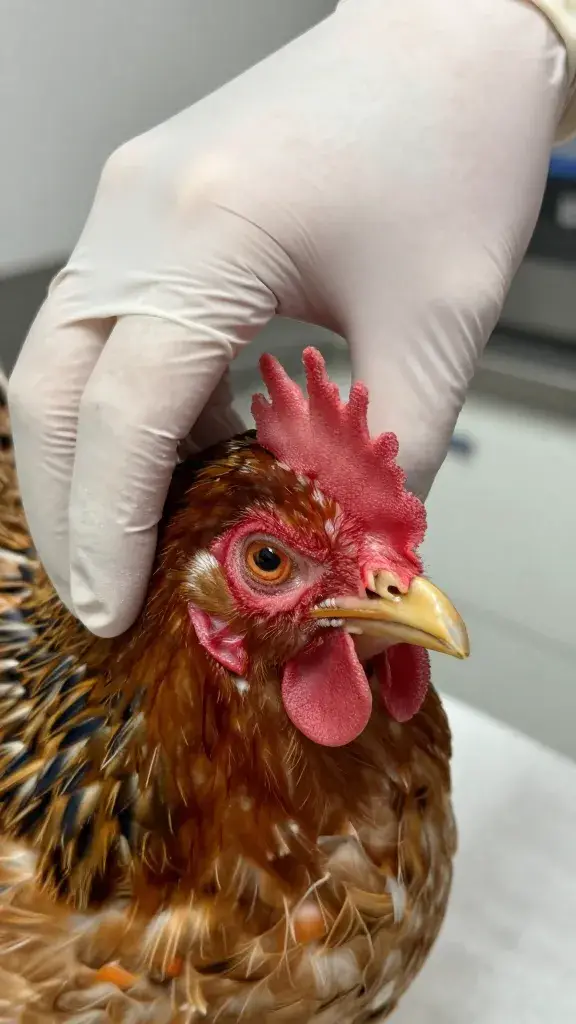
- Don’t hang the chicken upside down to “drain” the crop. You can cause aspiration in seconds.
- Don’t force-feed solids when the crop isn’t moving.
- Don’t shotgun antibiotics for a yeast problem. You’ll make it worse.
- Don’t ignore grit if your birds eat anything besides commercial pellets/crumbles.
Home Care Timeline: What Progress Looks Like
First 24 Hours
- Hydration, rest, crop massage if impacted, antifungal start if sour crop.
- Crop should feel a little smaller and less uncomfortable by morning.
Days 2–3
- Gradually reintroduce soft feed if the crop begins to empty overnight.
- Stools normalize, bird perks up, odor diminishes if sour crop.
Red Flags
- No change after 48 hours, worsening lethargy, or severe dehydration.
- Visible pain, green bile-like droppings, or weight loss despite care.
- Call an avian vet—you may need crop flushing, antifungals by prescription, or surgery.
Prevent It Like a Pro
- Control access to long grass and straw—especially for bored birds.
- Provide appropriate grit 24/7 (insoluble granite for digestion; oyster shell only for calcium).
- Keep feed dry and fresh. Toss anything moldy.
- Offer plenty of clean water, multiple stations in hot weather.
- Check crops at bedtime and first thing if you’ve had issues before.
- Use probiotics after antibiotics. FYI, balance matters.
FAQs
How do I check if the crop has emptied?
Feel the crop early in the morning before the bird eats. A healthy crop feels flat or nearly empty. If it still feels full, soft and sloshy points to sour crop; firm and lumpy points to impaction.
Can I treat sour crop without a vet?
Sometimes, yes—mild cases respond to hydration, short-term feed withholding, probiotics, and over-the-counter antifungal options like miconazole. But if the bird looks weak, the smell is intense, or nothing improves in 24–48 hours, a vet is the best call, IMO.
What’s the safest way to massage an impacted crop?
Support the bird, keep her upright, and use gentle rolling motions from the top of the crop downward. Short sessions, multiple times a day. Stop if she struggles to breathe or seems distressed.
Should I use apple cider vinegar?
ACV can support general gut health in small amounts in the water, but it won’t fix a significant impaction and won’t cure an established yeast overgrowth by itself. Use it as a minor adjunct, not the main treatment.
When is surgery necessary?
If the crop remains rock-hard and unresponsive to hydration and massage after 48 hours, or if foreign material is suspected, a vet may recommend a crop incision to remove the blockage. It sounds dramatic, but done properly it can be lifesaving.
Can sour crop come back?
Yes, if the underlying cause persists—like slow crop emptying, ongoing infection, or diet errors. Prevent with good water access, proper grit, clean feed, and periodic crop checks. Maintenance beats crisis mode every time.
Bottom Line
Hard crop? Think impaction. Squishy, stinky crop? Think sour crop. Start with water, rest, and the right first steps—massage and unblock for impaction, antifungal care for sour crop. If things don’t improve quickly, call a vet. Your hen will thank you with eggs, sass, and far fewer weird smells, which is a win for everyone, FYI.
Share this content: