Six Diy Coop Flooring Options: Cozy, Diy, Budget Wins
Ready to give your flock a comfy, practical upgrade without breaking the bank? These six flooring ideas are tested, friendly, and totally DIY-friendly. FYI, your coop will feel like a tiny luxury spa for chickens (okay, maybe not a spa, but close).
1. Reclaimed Wood Plywood Panels
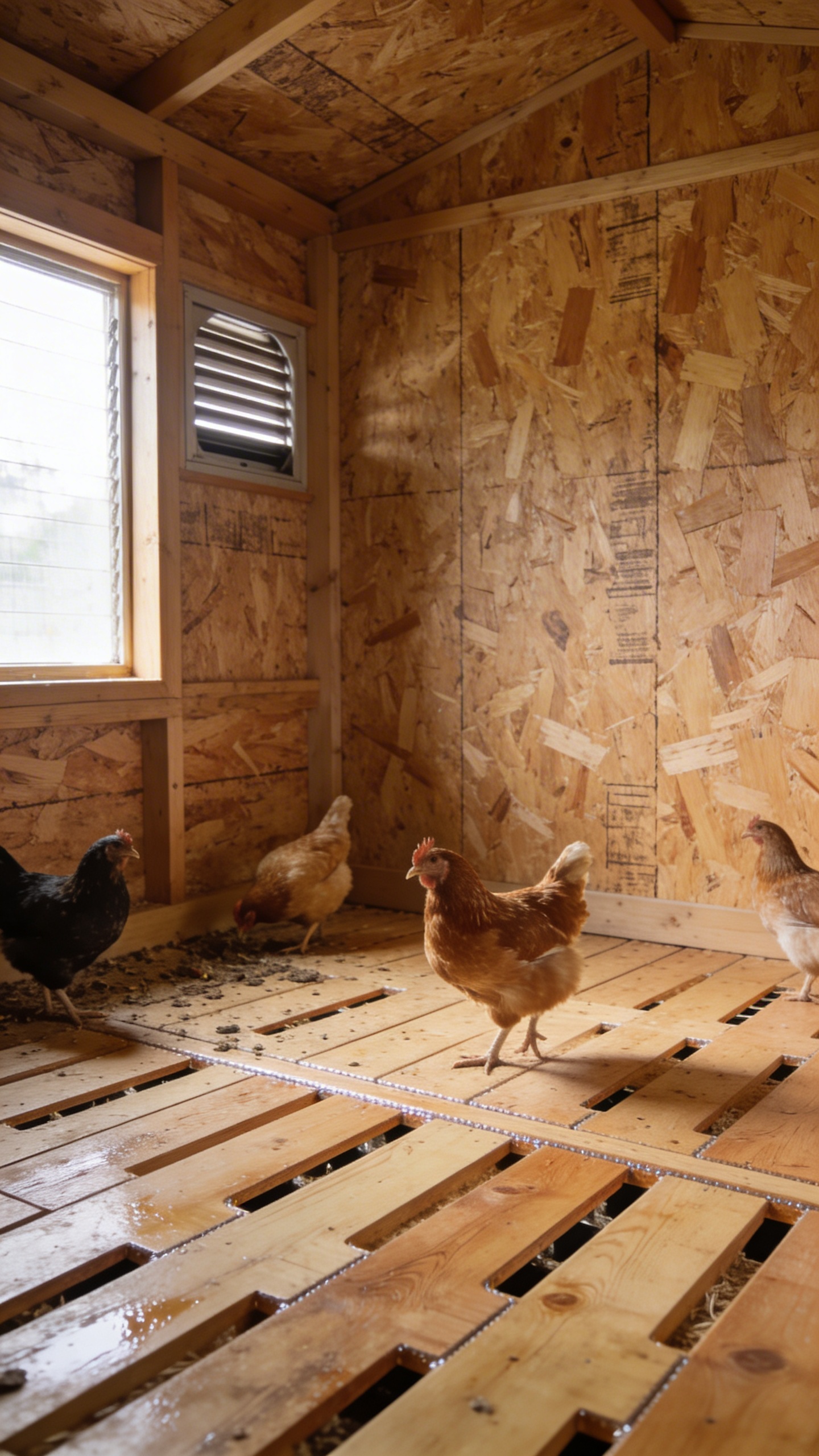
Reclaimed wood panels bring a warm, rustic vibe and are surprisingly durable when sealed. They’re also a thrifty option if you’ve got an old pallet stash or pallets stacked in the corner of the shed. Trust me, the chickens won’t mind the vintage look.
Key Points
- Use exterior-grade plywood or plywood sealed with non-toxic finish
- Seal every seam to prevent moisture and droppings from seeping through
- Leave small gaps for ventilation and debris flow
Finish with a non-toxic sealant and you’re good to go. This option is great for dry climates or shaded coops where moisture isn’t a constant issue.
2. Conventional Hardware Cloth Over Plywood Base
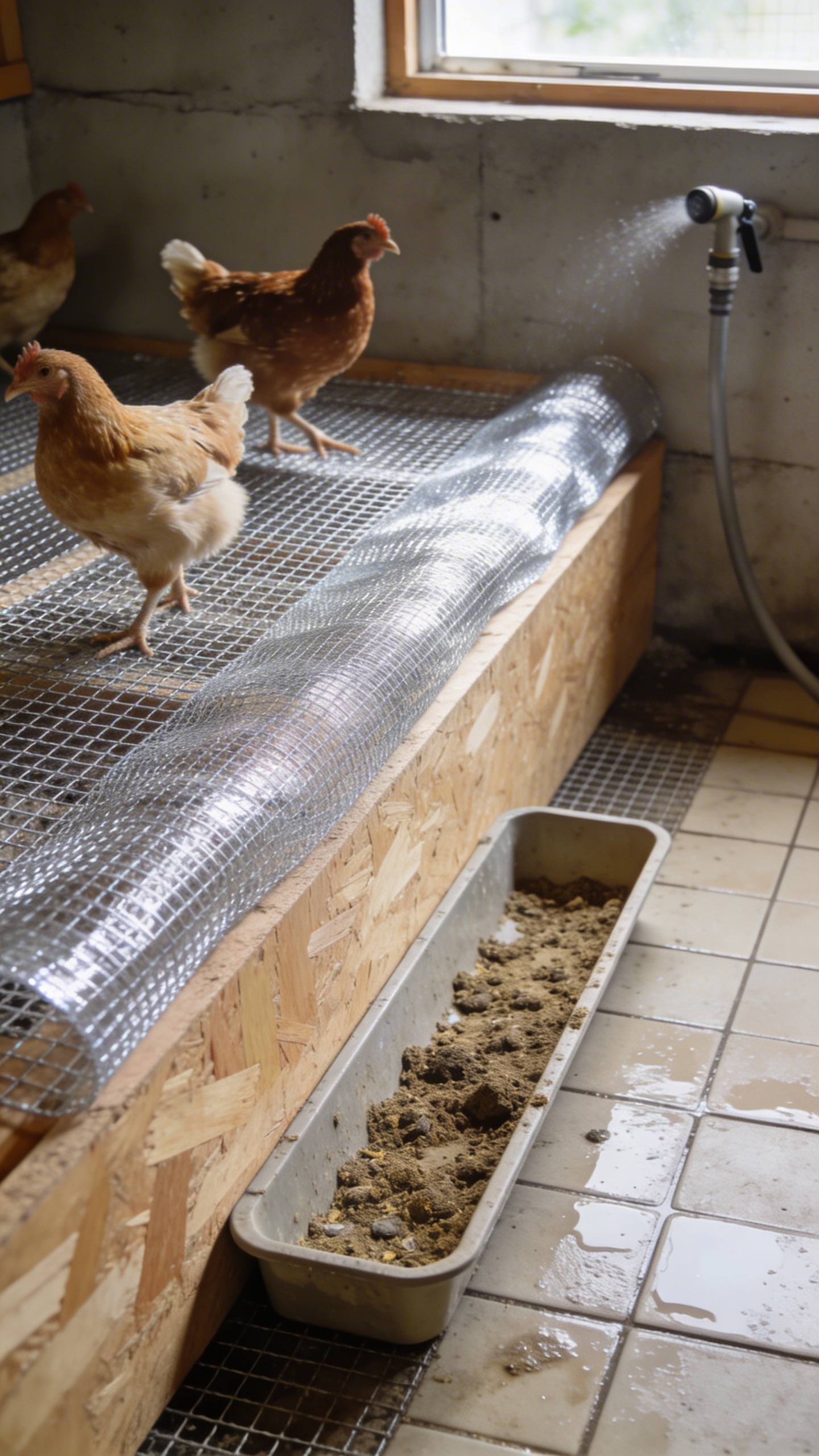
Not a flooring in the strict sense, but layering hardware cloth over a sturdy base creates a clean, easy-to-clean floor that chickens won’t scratch through. It’s the ultimate combo of durability and hygiene.
Why It Rocks
- Prevents digging and moisture buildup
- Easy to hose down and disinfect
- Super affordable if you already have hardware cloth
Tip: add a shallow tray or litter box for droppings so you can scoop and sanitize without taking the whole floor apart. This setup shines in humid or wet climates where moisture control matters.
3. PVC Foam Backed Floor Panels
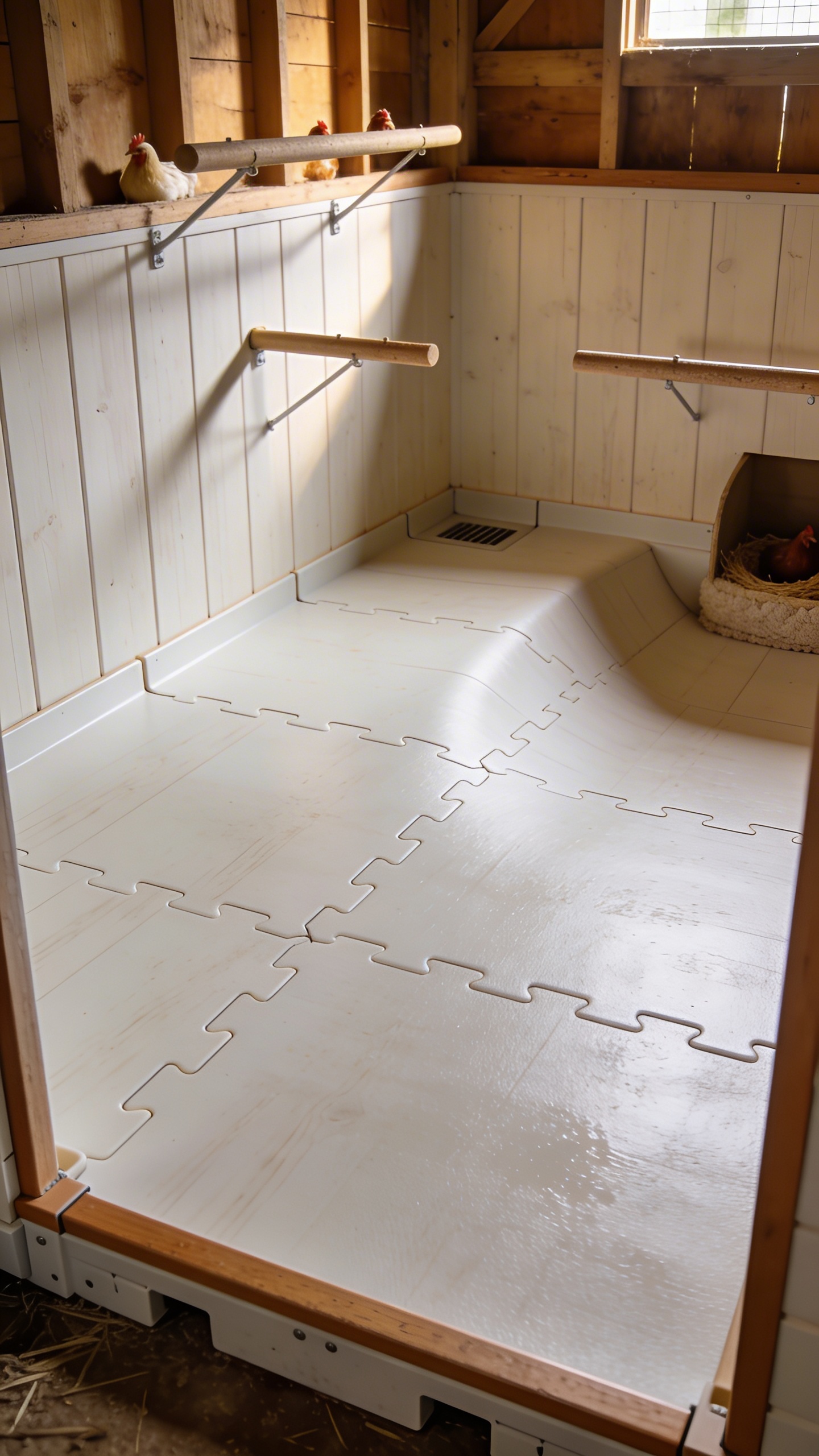
PVC foam panels are lightweight, easy to cut, and surprisingly resistant to moisture. They click together like puzzle pieces, making quick installs a breeze. Plus, they’re pretty forgiving if you’re not a seasoned DIY-er.
What to Know
- Waterproof and easy to wipe clean
- Lightweight but sturdy with a reinforced base
- Make sure edges are sealed to prevent moisture intrusion
Use a simple rim frame to hold the panels in place and consider a slight incline toward a drainage corner. FYI, this works great in run-out areas where rain can pool briefly after a storm.
4. Epoxy-Coated Concrete Slab with Textured Finish
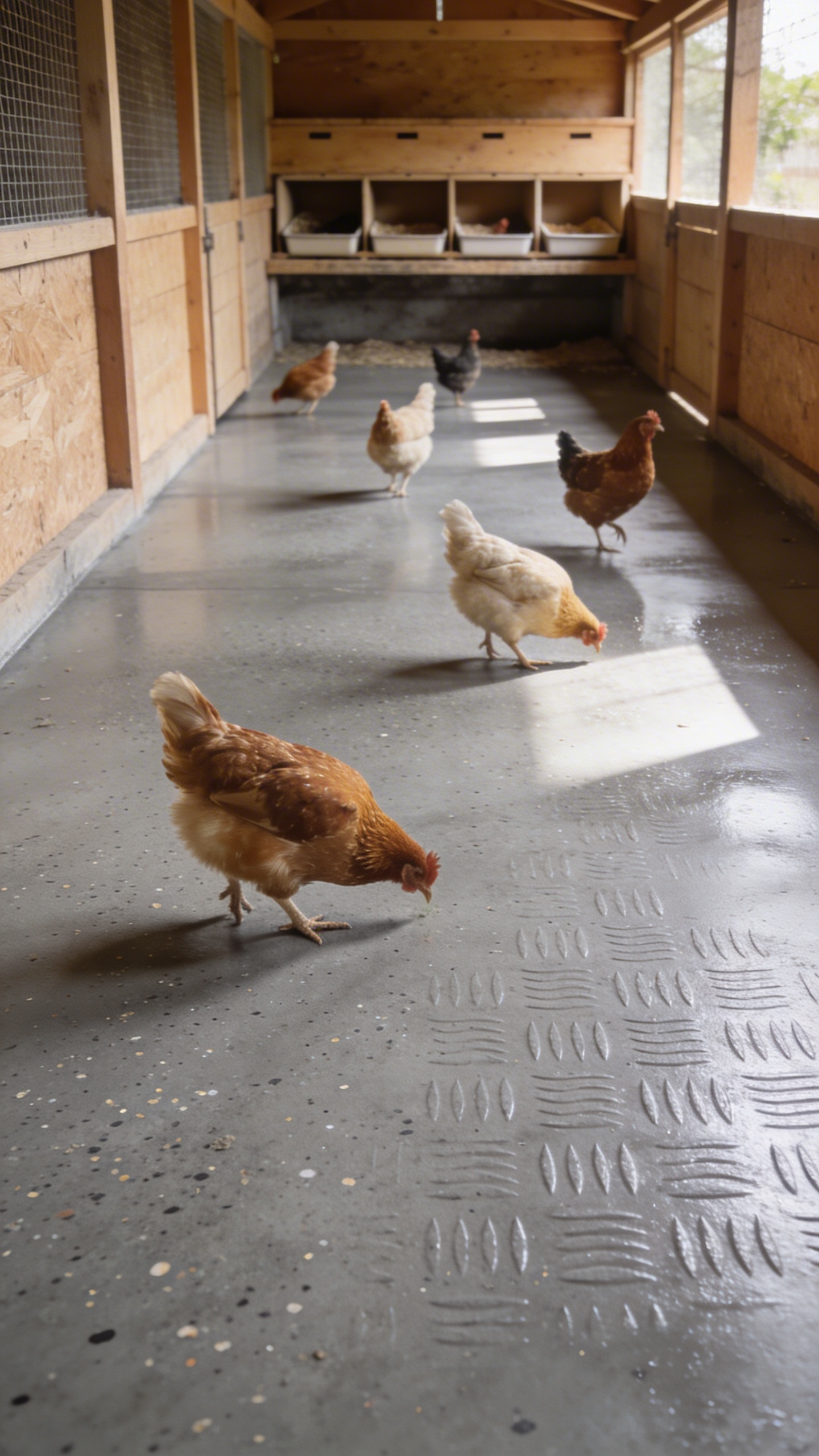
If you’ve already got a concrete floor, an epoxy coating can turn a cold, hard surface into something feather-friendly and easy to clean. A textured finish adds slip resistance for those peck-and-scoot moments.
Pros to Consider
- Durable and very easy to sanitize
- Resists moisture, stains, and wear from beaks and claws
- Wide range of color and texture options
Note: Hire a pro for the epoxy if you’re unsure about mixing and applying. But if you’re DIY-inclined, there are kit options with detailed instructions. This is ideal for larger coops or ones with a strong poultry footprint.
5. Durable Rubber Mats with Perforations
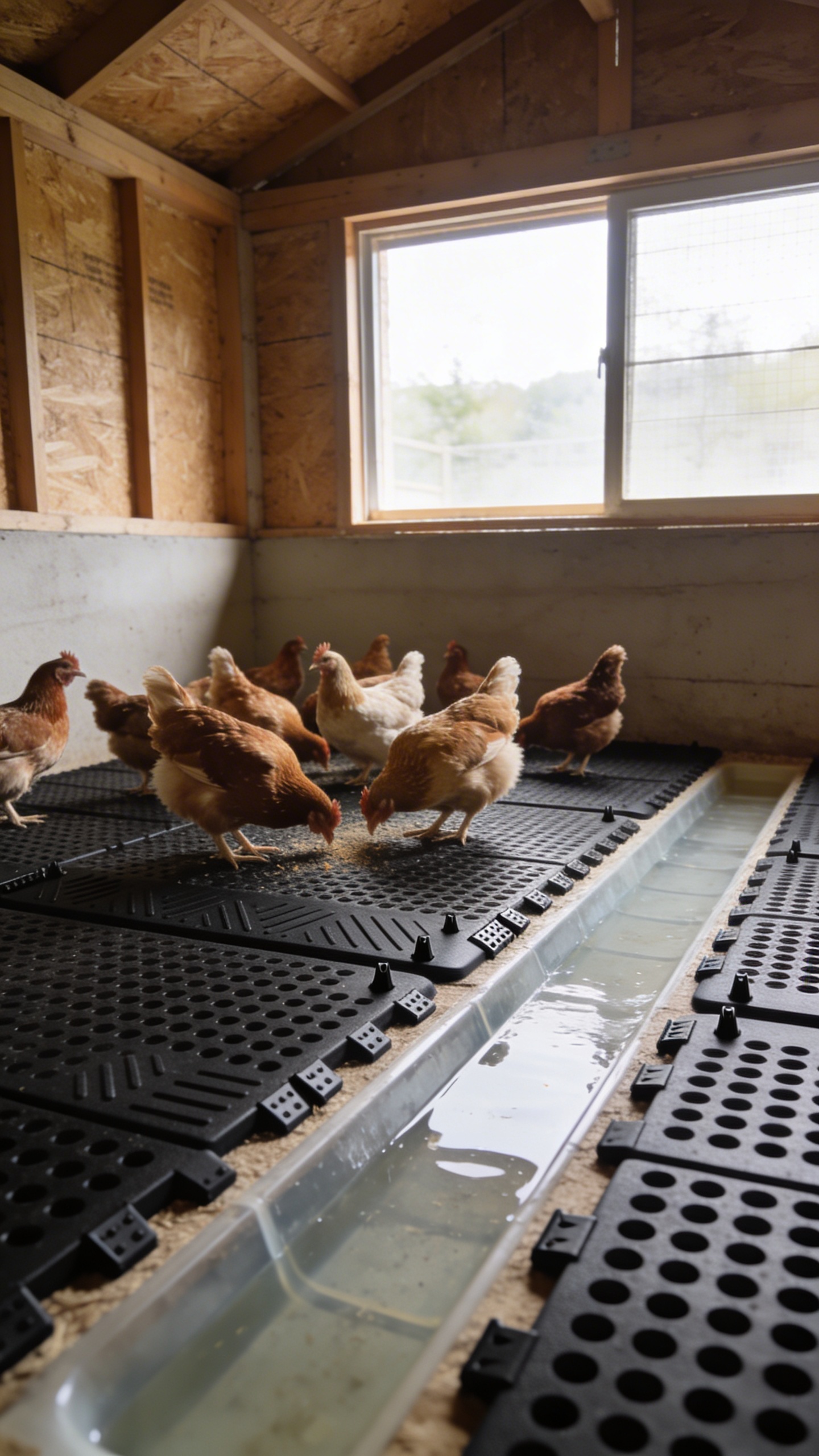
Rubber mats can take a beating and are forgiving on feet and claws. Perforations keep airflow up and drainage down, so you’re not staring at a soggy mess after a rainstorm. They’re easy to swap out if a section wears thin.
Materials and Tips
- Commercial gym-style rubber mats or anti-fatigue mats
- Perforated or grooved surfaces for traction
- Anchor strips to prevent rolling or bunching
Best used in dry zones or as a washable top layer over a simpler subfloor. They’re quiet, comfortable for roosting, and hide dirt nicely. Seriously, your hens will appreciate the cushier feel underfoot.
6. Loose Substrate with a Slatted Base
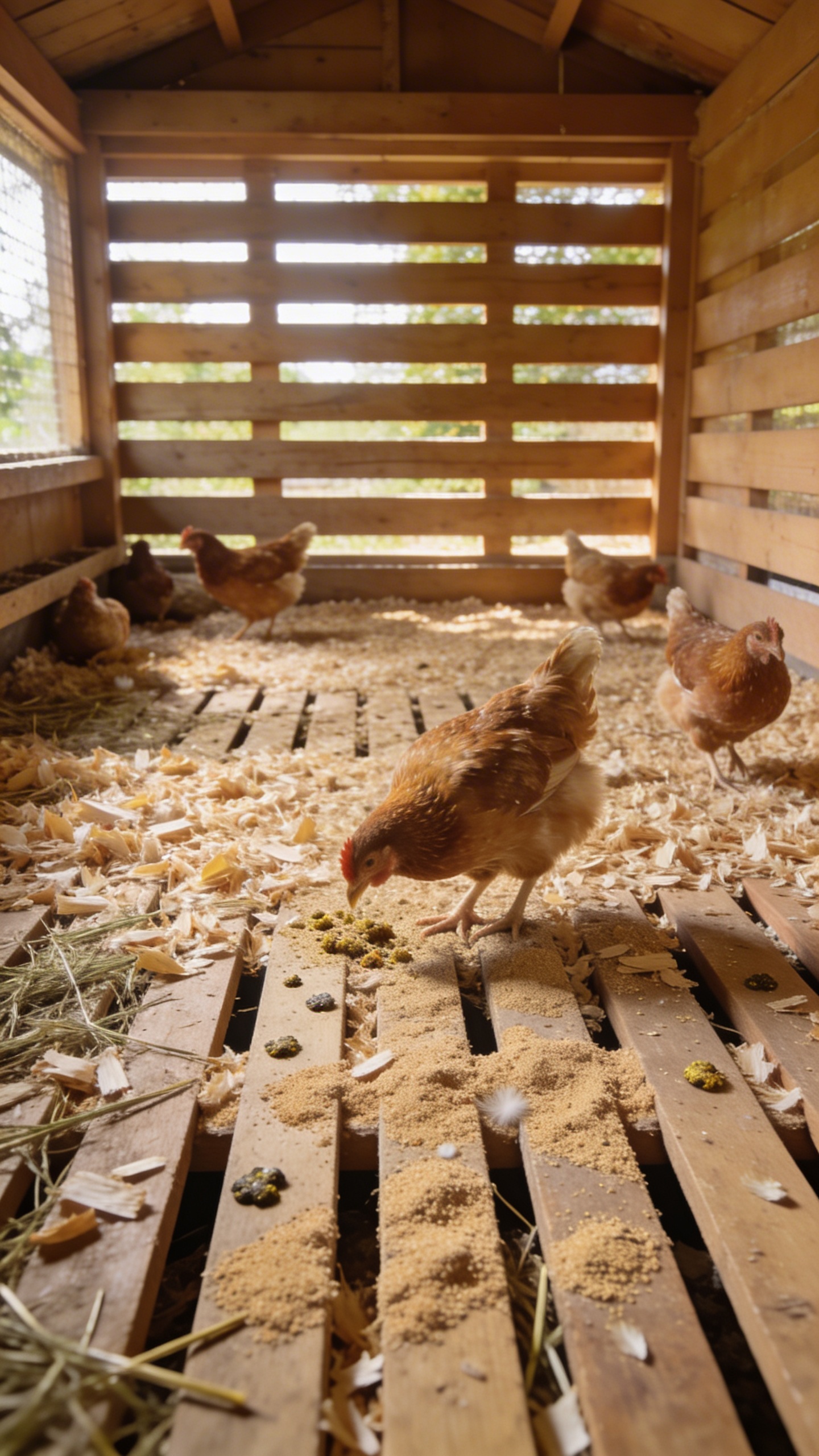
This option blends on-floor comfort with excellent ventilation: a slatted base topped with loose substrate like wood shavings, straw, or sand. It’s a forgiving setup that’s easy to refresh and keeps droppings mostly contained for quick cleaning.
What to Remember
- Choose substrate that dries quickly and reduces odor
- Slats promote airflow and minimal moisture buildup
- Regularly scoop droppings and refresh substrate to prevent buildup
Use this in coop areas where you want the hens to have some give under their feet, but still easy maintenance. It’s especially nice in warmer climates where bedding dries fast and doesn’t linger.
Each option has its own vibe and practical perks. If you’re chasing ease, go for rubber mats or hard-wearing PVC panels. If you love a rustic look and don’t mind extra sealing, reclaimed plywood or a poured epoxy-ready floor could be your jam. FYI, mix and match—though keep the chicken traffic high-wear zones lined with something sturdy and easy to clean. Seriously, your future self will thank you when you’re not scrubbing twice a week.
Are you leaning toward a specific style for your coop? Consider climate, ventilation, and how much time you want to spend maintenance-wise. The right flooring can cut cleaning time in half and keep your birds happier and healthier in the long run.
Ready to pick a winner? Grab one of these six options and customize it to your coop’s layout. Your chickens will strut around like they own the place, and you’ll love the simplicity of maintenance and cleaning. Trust me, it’s a win-win.
Share this content: