Save Your Flock Egg Bound Hen: Emergency Steps + Prevention
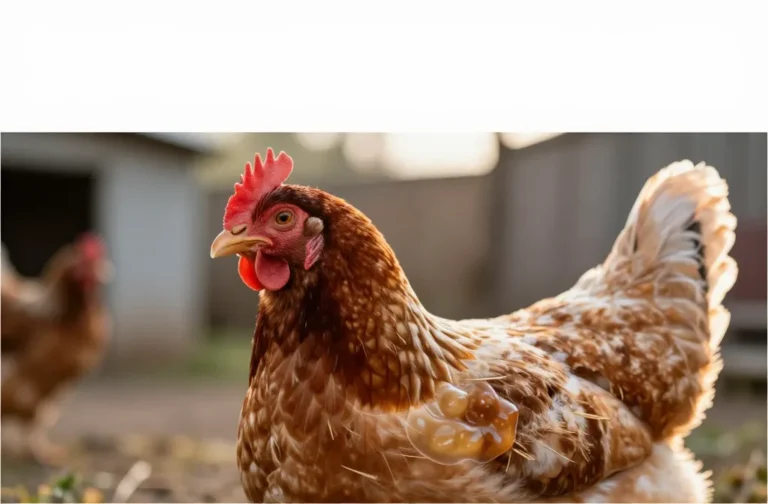
Your hen looks miserable, tail down, waddling like she forgot how to chicken, and she’s hanging out in the nest box forever? You might be looking at an egg-bound hen. It’s scary, but you can help her fast. Let’s walk through clear emergency steps, what to avoid, and how to keep it from happening again.
What “Egg Bound” Actually Means
An egg-bound hen has an egg stuck in her reproductive tract. She wants to lay but can’t. It’s uncomfortable, dangerous, and time-sensitive.
Common culprits? Calcium deficiency, oversized or misshapen eggs, dehydration, obesity, stress, parasites, or young pullets laying too soon. Sometimes it’s just bad luck and timing.
Spot the Signs Quickly
How do you know she’s not just being dramatic? Look for these clear red flags:
- Straining in the nest box for ages with no egg
- Tail down, penguin-waddle stance
- Lethargy, fluffed feathers, reluctant to move
- Decreased appetite and little interest in treats (yikes)
- Frequent soft, strained clucks or obvious discomfort
- Vent pulsing and maybe a bit of clear discharge
If you’re comfortable, you can gently perform a quick vent check with a well-lubed, gloved finger to feel for an egg just inside. If that feels sketchy to you, skip it—there are other steps you can do right now.
Emergency Steps You Can Do Right Now
You don’t have to panic, but you do need to move. The first 12–24 hours matter. Here’s the at-home triage plan:
- Warm Epsom salt soak (15–20 minutes): Fill a tub or sink with comfortably warm water and add a tablespoon or two of Epsom salt. Support her chest and keep her calm. Warmth relaxes the muscles.
- Gently dry and keep her warm: Towel her off and either blow-dry on low or place her in a warm, draft-free area. Think spa day, not arctic blast.
- Apply lubricant: A bit of plain, water-based lubricant or coconut oil around and just inside the vent can help the egg slide out. Be gentle.
- Hydrate and give calcium: Offer electrolytes in water and calcium (e.g., a calcium carbonate tablet crushed with a bit of yogurt or scrambled egg). Calcium helps the oviduct contract properly.
- Provide a dark, quiet rest area: A calm hen lays better. A dog crate with soft bedding in a dim space works great.
Many hens pass the egg within a few hours after this routine. Repeat the soak and lube once more in 6–8 hours if needed.
What NOT to Do (Seriously, Don’t)
- Don’t squeeze her abdomen or push on the egg—this can cause internal damage.
- Don’t try to “pop” or break the egg inside her unless a vet instructs you; shards can cause internal cuts and infection.
- Don’t leave her cold or wet after the soak—hypothermia is not the vibe.
When You Need a Vet
Sometimes you need backup. Call a poultry-savvy vet if:
- No egg after 24 hours and you’ve tried soaks, lube, and calcium
- You feel a stuck egg but she’s extremely distressed or swelling
- You see blood, foul-smelling discharge, or tissue protruding (possible prolapse)
- She’s very weak, panting, or collapsing
A vet can safely rupture and remove an egg, treat infection, administer stronger calcium or oxytocin-like meds, and save your hen’s life. IMO, it’s worth the call if you’re unsure.
Why Hens Get Egg Bound
You can’t control everything, but you can stack the odds in your favor. Common causes include:
- Low calcium or poor diet: Weak contractions, soft-shelled eggs
- Oversized or misshapen eggs: Young pullets and old hens are prone
- Obesity: Too much fat crowds the oviduct
- Dehydration: Thick albumen, sluggish laying
- Stress and lack of exercise: Tight muscles, poor circulation
- Reproductive issues: Salpingitis, internal laying, infections
Breed and Age Factors
High-production breeds (hi, sex-links and Leghorns) and young pullets just starting to lay face more risk. Older hens with a long laying history can also struggle. You can’t stop time, but you can support them well.
Prevention: Set Your Flock Up for Easy Laying
Prevention beats crisis-mode every time. Build these into your routine:
Dial In Nutrition
- Layer feed with 16% protein as the base of the diet.
- Free-choice oyster shell or a separate calcium source, always available.
- Clean, fresh water 24/7; add electrolytes during heat, stress, or illness.
- Treats under 10% of diet—yes, even if they give you the side-eye.
Manage Environment
- Nest boxes that are clean, comfy, and not overcrowded (1 box per 3–4 hens).
- Consistent daylight: 14–16 hours for layers; avoid sudden light changes.
- Reduce stress: Safe coop, good ventilation, predator-proof, stable flock.
Keep Them Fit
- Room to roam and scratch to keep weight in check.
- Weigh or “body score” regularly so extra fluff doesn’t hide extra pounds.
- Parasite control: Worms and mites sap nutrients. Treat as needed.
Advanced Tips for Serial Offenders
Got a hen that loves drama? Some birds just struggle more.
- Supplement calcium short-term during laying slumps or after an egg-bound episode.
- Reduce lighting hours temporarily to slow egg production while she recovers.
- Consider spaying or hormone therapy through a vet for chronic reproductive issues (rare but sometimes the kindest choice).
- Track patterns: Note diet changes, weather, molt timing—triggers matter.
Aftercare: She Laid! Now What?
She finally popped the egg—hallelujah. Now tighten up aftercare so you don’t end up here again:
- Hydration and electrolytes for a day or two.
- Extra calcium for 2–3 days to replenish stores.
- Watch for complications: lingering lethargy, smelly discharge, or prolapse needs vet care.
- Soft rest area away from bullies until she’s bright-eyed and back to normal.
FAQ
How long can a hen stay egg bound?
Usually, you have a 12–48 hour window before serious complications like infection or organ damage set in. Start home care right away and call a vet if nothing changes within 24 hours.
Can I feel the egg from the outside?
Sometimes. You might feel a firm oval low in the abdomen, but not always. A gentle, lubricated internal check at the vent can confirm, but if you’re unsure, go straight to the soak-lube-calcium routine—FYI, it helps whether you can feel the egg or not.
Is it safe to break the egg inside the hen?
Generally, no. Eggshell shards can cut her internally and lead to infection. Vets can remove eggs safely or break them in a controlled way if absolutely necessary. Don’t DIY this unless a vet walks you through it.
What kind of calcium should I give during an emergency?
Use calcium carbonate (like a human calcium tablet) crushed and mixed with a small treat. It absorbs quickly. Follow the label dose roughly for a small human dose; one tablet usually works for a standard hen. IMO, keeping a small bottle in your chicken first-aid kit is clutch.
How do I tell egg binding from a prolapse?
With egg binding, you’ll see straining and discomfort but no tissue sticking out. A prolapse looks like pink or red tissue protruding from the vent. That’s an urgent vet visit. Keep the tissue clean and moist with a water-based lubricant while you arrange help.
Do soft-shelled eggs cause egg binding?
They can. Soft shells bend and snag, making passage harder. That’s why consistent calcium, hydration, and low stress matter so much—softies drop when nutrition or timing goes off the rails.
Conclusion
Egg binding feels like a crisis because it is one—but you’ve got a plan now. Warm soak, lube, calcium, quiet rest, repeat if needed, and call the vet if she doesn’t improve. Then lock in prevention with solid nutrition, hydration, low stress, and space to move. Your hen gets relief, you get peace of mind, and everyone goes back to arguing about who owns the best nest box, IMO the true sign of a healthy flock.
Share this content: