Raising Your Own Chickens From Eggs
You want eggs that hatch into fluffy dinosaurs and eventually lay breakfast? You can do this. Hatching and raising chickens from eggs feels like magic the first time—and like clockwork the fifth. You’ll mess up a bit, you’ll learn fast, and you’ll end up with birds that follow you around like feathery toddlers. Let’s get those eggs warmed up and your coop dreams rolling.
Choosing the Right Eggs (Don’t Wing It)
Not all eggs hatch. Grocery store eggs? Cute idea, zero chance. You need fertile hatching eggs from a reputable breeder or local farm.
- Breed matters: Decide between egg layers (Leghorn, Australorp), dual-purpose (Orpington, Plymouth Rock), or fancy floofs (Silkie) if you like drama and broody vibes.
- Egg quality: Pick clean, normal-shaped eggs without cracks or weird ridges. No washing—water pushes bacteria through the shell.
- Age of eggs: Use eggs less than 7 days old for best hatch rates. Store them pointy-end down at around 55–60°F and turn them daily.
Where to Buy (And What to Ask)
Ask for fresh collection dates, the parent flock’s health, and whether the breeder ships with foam/egg cartons. If shipping, expect slightly lower hatch rates—nature doesn’t love UPS.
Incubator Setup: Your Tiny Chicken Spa
You can use a broody hen (free labor), but let’s talk incubators because they give you control and don’t take snack breaks.
- Temperature: 99.5°F (forced-air incubators). Still-air models: 101–102°F. Keep it steady—fluctuations mess with development.
- Humidity: About 40–50% for days 1–17, then bump to 65–70% for lockdown (days 18–21).
- Turning: Turn eggs at least 3 times a day until day 18. Automatic turners save sanity.
- Ventilation: Eggs breathe. Make sure your incubator has decent airflow, especially late in the game.
Calibration: Boring, But Critical
Double-check your incubator’s built-in readings with a separate digital thermometer and hygrometer. FYI: One degree off can nuke hatch rates faster than you can say omelet.
Egg Care and Candling: Spy on the Tiny Dinosaurs
Place eggs pointy-end down in the incubator. Mark one side with an X and the other with an O so you know you turned them. Yes, you’ll forget—this helps.
When to Candle
- Day 7: Look for veins and a dark dot (the embryo). Clear eggs likely aren’t developing.
- Day 14: You should see lots of darkness and movement. Remove obvious quitters (no veins, blood ring).
- Day 18: Last quick check, then lockdown—stop turning and raise humidity.
Use a bright LED flashlight in a dark room. Don’t overdo it—quick peeks only. Think ultrasound, not Netflix binge.
Hatch Week: Nerves, Cheeping, and Zero Interference
This is where you do almost nothing. Weirdly hard, right?
- Lockdown (day 18): Stop turning, increase humidity to 65–70%, and don’t open the incubator. Chicks need that moisture to unzip the shell.
- Pipping: You’ll see a tiny crack and hear peeping. Chill. This can take 12–24 hours before they “zip” around the shell.
- Hatch: They pop out looking like damp goblins. Leave them until they fluffy up—up to 24 hours without food or water is normal.
Do not “help” chicks out of shells unless you truly know what you’re doing (IMO: don’t). Early help often causes bleeding or weak chicks that fail later.
Brooder Setup: Welcome to Kindergarten
Once they’re fluffy and ready, move them to a brooder: a safe box with heat, food, and water.
- Container: Plastic tub, stock tank, or wooden box. Add a secure lid if you have pets or curious toddlers.
- Heat: 95°F for week 1, then drop 5°F each week until fully feathered (around 6 weeks). A radiant heat plate is safer than a lamp.
- Bedding: Pine shavings work great. Avoid cedar—strong oils can irritate chick lungs.
- Food & water: Chick starter feed (medicated if coccidiosis risk is high). Use a shallow waterer with marbles for safety.
Chick Behavior: Reading the Room
- Too cold: Chicks pile under the heat source and peep like drama queens.
- Too hot: They hug the walls and pant.
- Just right: They spread out, explore, nap, and cause mild chaos.
Health, Hygiene, and “Why Is That Chick Sneezing?”
Chicks don’t need vet school, but you’ll keep them thriving with a few basics.
- Cleanliness: Swap wet bedding daily. Keep the brooder dry to prevent pasty butt and coccidiosis.
- Pasty butt: Dried poop blocks the vent—clean gently with warm water and a cotton ball.
- Electrolytes: Great for shipped or weak chicks for the first day or two.
- Watch for: Lethargy, wheezing, diarrhea, or limping. Address drafts and crowding first.
Coccidiosis 101
This parasite loves damp litter. Signs include droopy chicks, bloody droppings, and rapid decline. Keep things dry, and consider medicated feed or consult a vet if symptoms pop up. IMO, prevention beats panic every time.
Graduating to the Great Outdoors
You can move chicks outside once they’re fully feathered and nighttime temps stay mild. Start with supervised field trips on warm days.
- Coop basics: 4 sq ft per bird inside, 10 sq ft per bird in the run. More space = fewer pecking dramas.
- Safety: Hardware cloth, not chicken wire (which only keeps in chickens, not out predators).
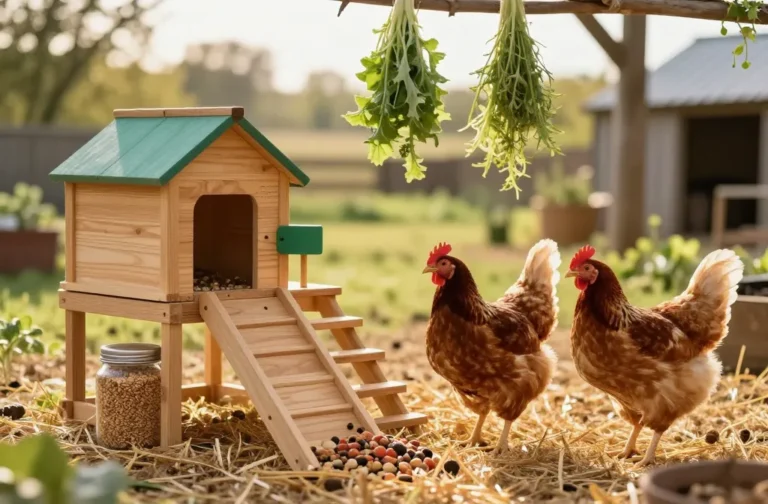
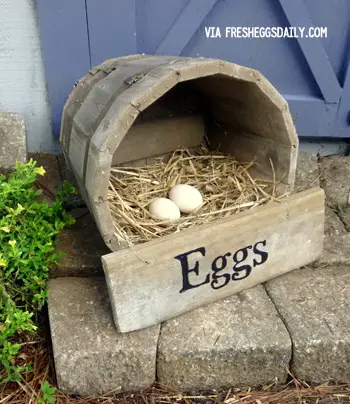
- Roosts: Low, wide perches for growing feet. Nest boxes come later—around 16–18 weeks.
Introducing to an Existing Flock
Use see-but-don’t-touch fencing for a week. Add multiple feeders and waterers to prevent gatekeeping by your resident divas.
Feeding, Growing, and the First Egg (Worth the Wait)
Chicks eat starter feed for 6–8 weeks, then grower feed until they start laying.
- Grit: Chicks only need grit if you give treats. Keep treats under 10% of diet.
- Switch to layer feed when you see the first squat or red combs—usually 16–20 weeks for most breeds.
- Calcium: Offer oyster shell in a separate dish once laying starts.
Expect your first egg around 5–6 months old. It might be tiny or weirdly shaped at first. You’ll still take 20 photos and text them to friends who didn’t ask, and that’s fine.
Common Mistakes (We’ve All Been There)
- Opening the incubator during hatch: Humidity crashes and chicks shrink-wrap. Don’t do it.
- Overheating the brooder: Cooked chicks = sad you. Monitor temps and behavior.
- Too little space: Crowding leads to pecking and stress.
- Skipping biosecurity: Wash hands, change shoes before visiting other flocks. Germs hitchhike.
- Getting 12 roosters “by accident”: If you hatch straight-run eggs, expect roughly 50% roosters. Have a plan.
FAQ
Can I hatch eggs without an incubator?
Yes—if you have a broody hen. She’ll handle heat, humidity, and turning like a pro. You just provide a quiet, safe nesting area and fresh food and water nearby.
Why did my chick die after pipping?
Usually humidity or temperature issues, or the chick had developmental problems. Opening the incubator during hatch often dries membranes and traps chicks. Keep lockdown conditions steady and resist “rescue” attempts unless you know the exact problem.
How many eggs should I start with?
Start with 6–12 to learn the ropes. Hatch rates vary (50–90% depending on shipping and skill), so more eggs = better odds you end up with a decent little flock.
Do I need a rooster to get eggs?
For eating eggs, no. For hatching eggs, yes. Hens lay regardless, but only fertilized eggs can develop chicks. FYI, roosters also come with crowing and attitude—plan accordingly.
Is medicated feed safe?
Yes. It usually contains amprolium, which helps prevent coccidiosis by limiting parasite uptake. It’s safe for chicks. Don’t feed it to waterfowl, and stop once they switch to layer or when your vet says so.
What if my power goes out during incubation?
Keep the incubator closed to trap heat. Wrap it with towels. If possible, use a battery backup or generator. Short outages (under a couple hours) often won’t kill the hatch; longer ones reduce success but sometimes still work—chick embryos are tougher than they look.
Conclusion
Hatching and raising chickens from eggs turns breakfast into a full-blown hobby, with peeps, fluff, and a lot of learning. Set your incubator right, keep the brooder clean and cozy, and give your birds space to grow and be weird little dinosaurs. You’ll make mistakes, but you’ll also get that first egg and feel like you beat the system. And IMO, that moment absolutely rules.
Share this content: