Raising Free Range Chickens
Chickens don’t need coddling or complicated gadgets. Give them space, safety, food, water, and some sunshine, and they’ll pay you back with eggs that make grocery-store cartons look like pale imitations. Free range doesn’t mean chaos—it means thoughtful freedom. Ready to let your flock live their best lives (and eat your weeds while they’re at it)?
What “Free Range” Really Means
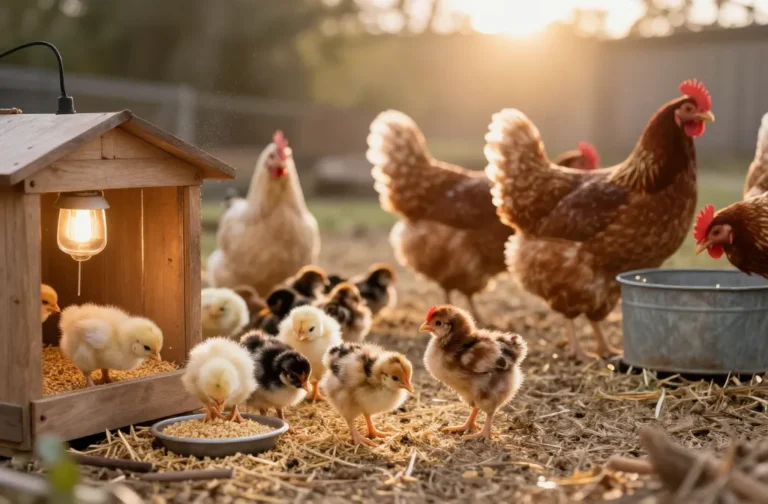
Free range means your chickens can roam outside regularly, not just stare longingly through hardware cloth. It’s about access to fresh forage, bugs, sunlight, and dust baths. It’s not “set them loose and hope for the best.”
Good free range setups share three traits:
- Daily outdoor time: Not once a week. Every day you can manage it, ideally from morning to dusk.
- Safe boundaries: A fenced yard, mobile electric netting, or supervised roaming.
- Reliable shelter: A coop they return to automatically—because chickens love routine more than you love coffee.
Setting Up the Coop and Run
You’ll need a solid home base. Think cozy bunker, not drafty shed.
Coop must-haves:
- Space: 3–4 square feet per bird inside the coop. Crowded birds get cranky and peckish—literally.
- Ventilation: Big vents up high, predator-proofed with hardware cloth. Fresh air = healthy lungs and dry bedding.
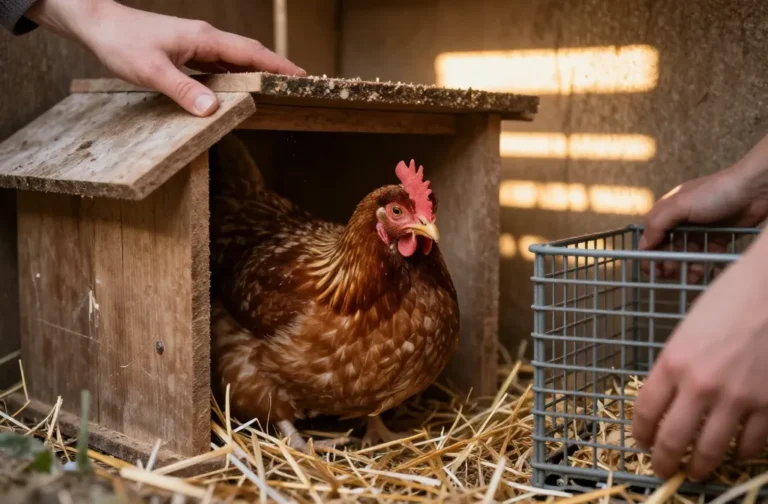
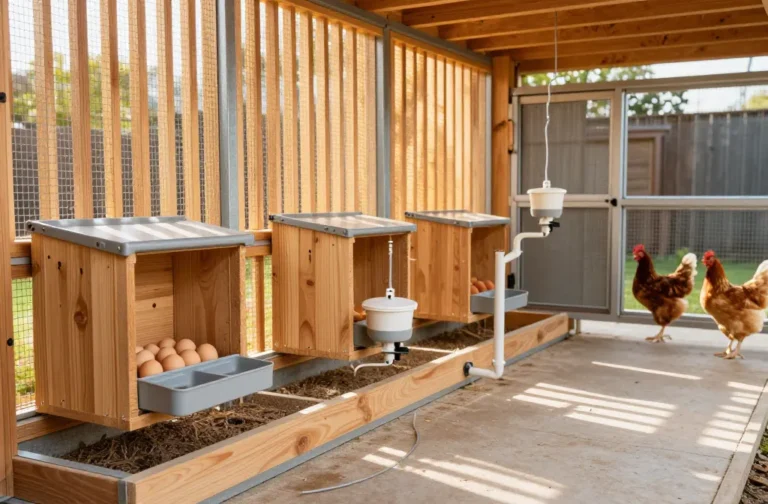
- Nesting boxes: One box per 3–4 hens. Line with straw or shavings. Add fake eggs to teach good laying habits.
- Roosts: 8–10 inches of perch space per bird, higher than nests so they don’t sleep where they lay.
Run and roaming:
- Secure run: 8–10 square feet per bird in the run if they free range daily. Double it if weather or predators limit time outside.
- Ground cover: Add logs, branches, and dust-bath spots (dirt + wood ash + sand). Bored chickens become demolition experts.
- Doors: Automatic coop doors save your sanity at dawn and dusk. Chickens operate on sunlight, not your snooze button.
Mobile Coops vs. Permanent Coops
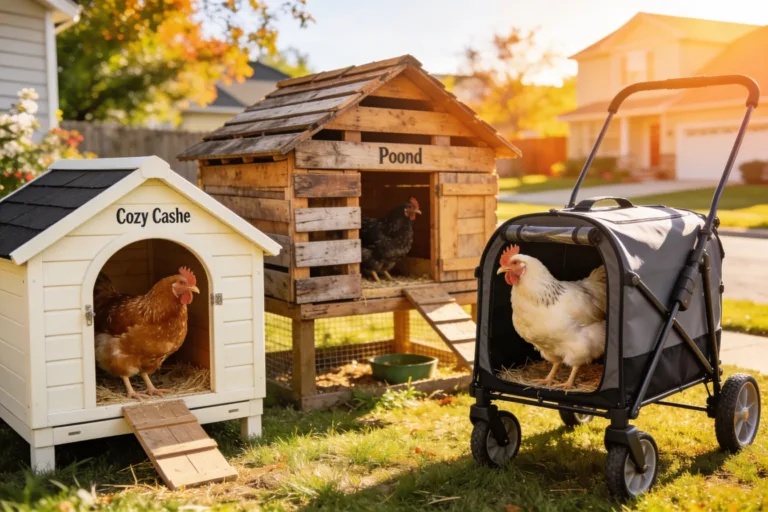
– Mobile coops (a.k.a. tractors) let you rotate birds to fresh pasture. Less poop buildup, more fresh greens.
– Permanent coops offer sturdier predator defense and easier winterizing.
– IMO: Start permanent, add mobile later if you catch the homestead bug.
Predator-Proofing Like You Mean It
If something wants to eat chicken, it exists near you. Raccoons, foxes, hawks, neighbor’s “he never does that” dog—you name it.
Daytime protection:
- Supervised roaming: Best for small yards. Bring your coffee, be the weird chicken person.
- Electric poultry netting: Game changer for fields and orchards. Portable, effective, and teaches dogs to mind their business.
- Cover: Plant shrubs and put up tarps or pallets so hens can duck from hawks.
Nighttime lockdown:
- Hardware cloth, not chicken wire: Chicken wire keeps chickens in; hardware cloth keeps predators out.
- Dig guards: Bury 12-inch skirts or lay wire mesh around the coop perimeter.
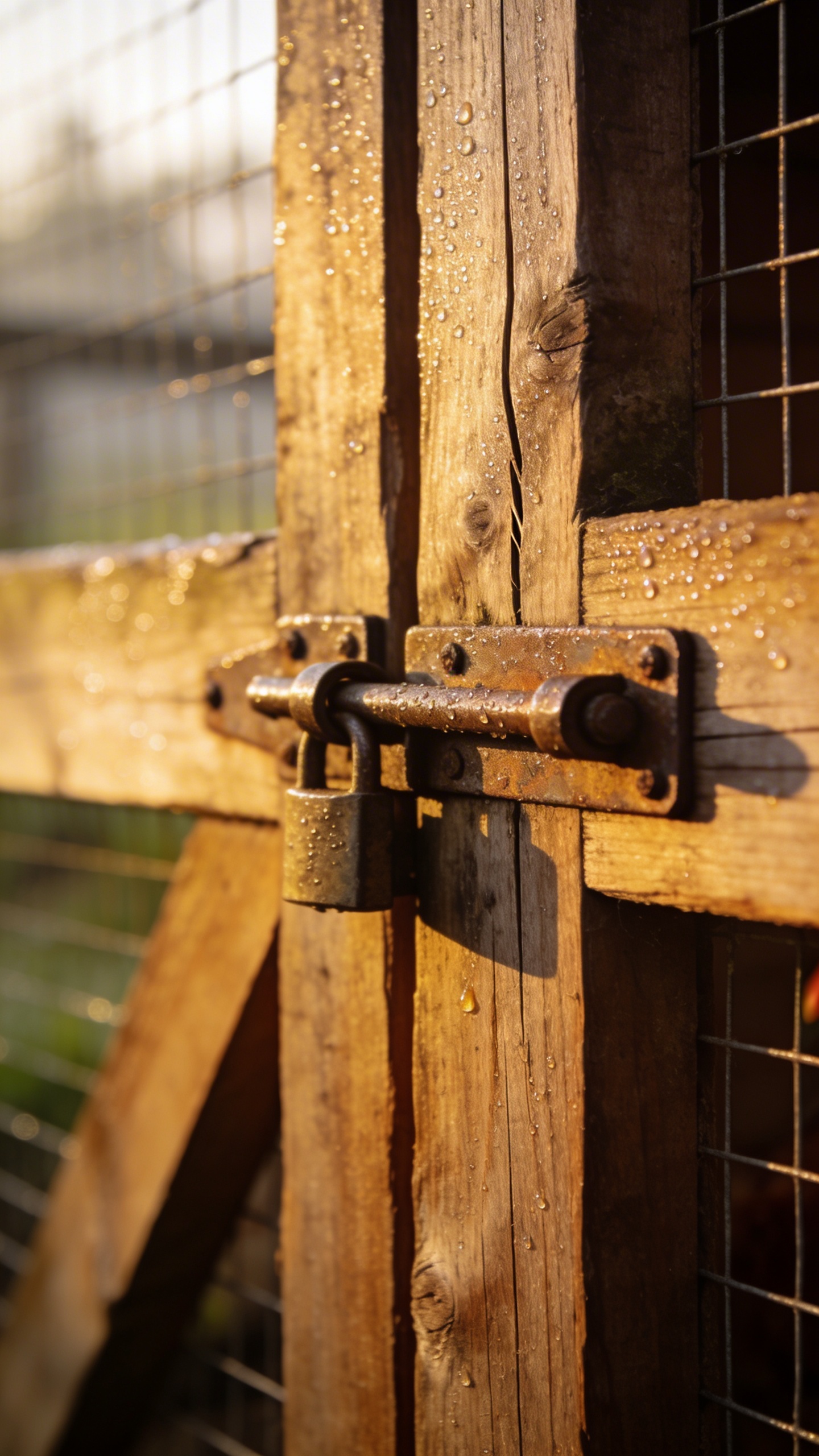
- Latch intelligence: Use two-step latches. Raccoons have tiny burglar hands.
Livestock Guardian Options
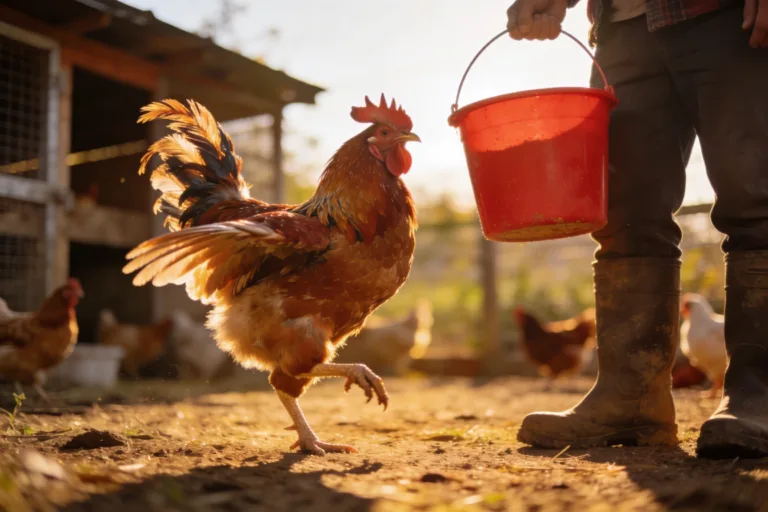
– Roosters: Great alarm systems; some will fight to protect hens. Some will also fight you.
– Dogs: Trained LGDs work wonders if your setup can support them.
– Geese: Loud, sassy, and surprisingly effective as an early warning siren.
Feed, Water, and Forage

Yes, free range birds find their own snacks. No, they don’t thrive on grass alone.
Base diet:
- Layer feed (16% protein): Offer free-choice for adult hens.
- Grower feed for pullets: Until they lay, then switch to layer feed + calcium.
- Grit and oyster shell: Grit helps grind food; oyster shell supports strong shells.
Water:
- Keep it clean and shaded: Refill daily. Scrub weekly. Chickens hate warm, funky water as much as you do.
- Winter hacks: Use heated bases or swap jugs twice a day. Ice cubes don’t count.
Forage snacks:
- Good: Weeds, clover, garden pests, fallen fruit, kitchen veg scraps.
- Skip: Moldy foods, salty stuff, raw beans, green potato peels, chocolate (duh).
Pasture Management 101
– Rotate areas so grass recovers. Bare dirt invites parasites and smells like regret.
– Seed clover and chicory. Toss kitchen herbs for variety.
– FYI: Free range yolks get that deep orange color when birds eat greens and bugs. That’s the good stuff.
Health, Hygiene, and Happy Hens
Healthy birds act busy and nosy. Sick birds act quiet and fluffy. You’ll notice the difference fast if you watch them daily.
Routine checks:
- Eyes and combs: Bright and clean, not crusty or pale.
- Poop patrol: Loose now and then is normal. Persistent diarrhea isn’t.
- Feet and feathers: Look for scaly leg mites and bald spots from pecking or parasites.
Clean coop habits:
- Deep litter method: Add dry shavings regularly, stir often, do a big clean seasonally.
- Nesting refresh: Replace bedding weekly. Nobody likes a funky nest.
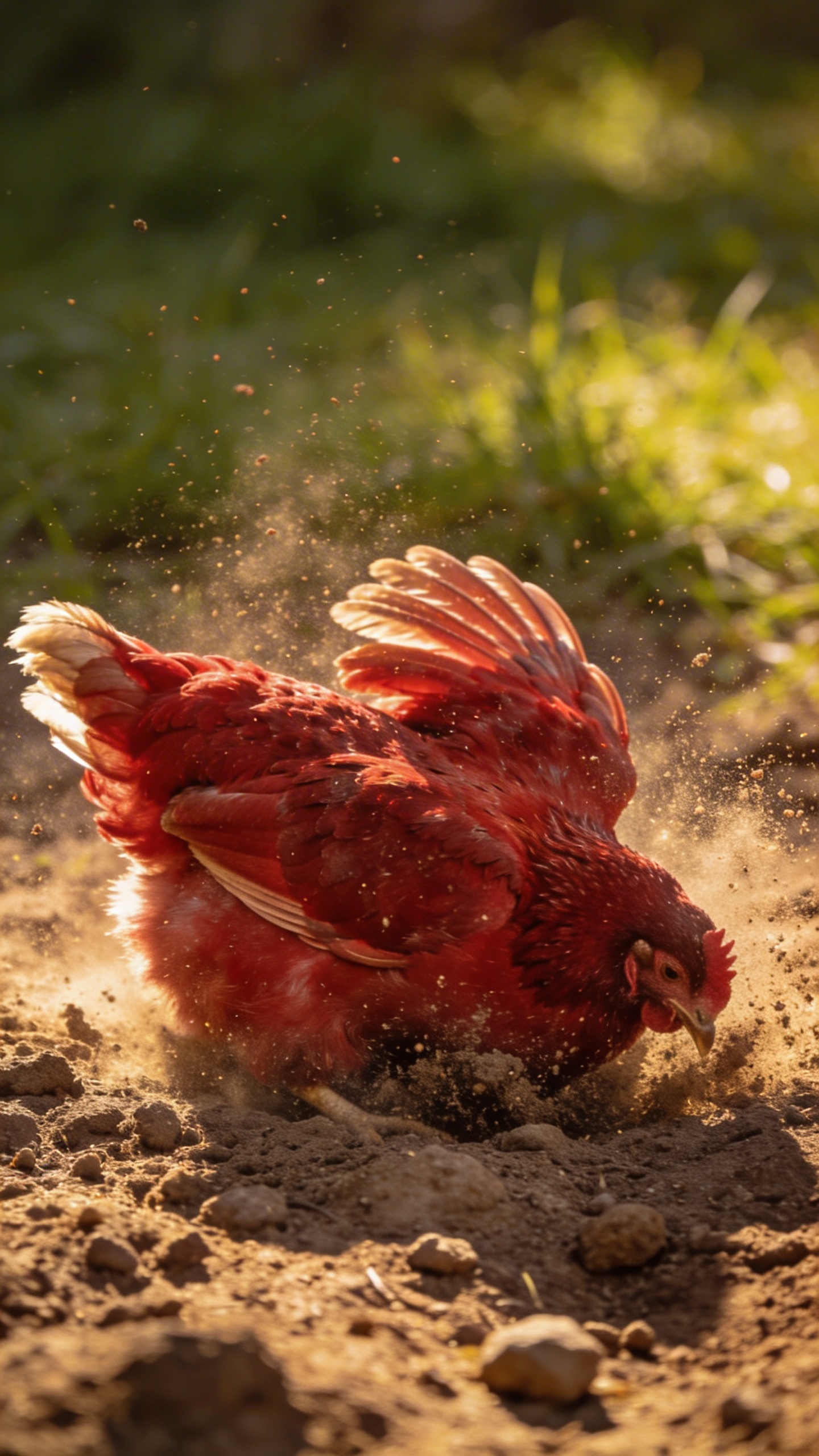
- Dust baths: Provide fine dirt mixed with wood ash or diatomaceous earth (food grade) to fight mites.
Common Issues and Quick Fixes
– Soft eggshells: Add oyster shell and check protein.
– Feather pecking: More space, more boredom busters (cabbage on a string = instant chicken Netflix).
– Worms/mites: Rotate pasture, use dust baths, and consult a vet for persistent problems.
Breeds That Love to Roam
Some breeds lounge like tiny feathery housecats. Others forage like feathered vacuum cleaners. Pick the latter.
Great free rangers:
- Leghorns: Active, light-bodied, egg machines.
- Australorps and Orpingtons: Friendly and hardy, with solid laying.
- Easter Eggers: Curious explorers with fun egg colors.
- Welsummers and Speckled Sussex: Sharp foragers with gorgeous plumage.
Breeds to rethink for full free range:
- Silkies: Adorable, but they see like they’re wearing bangs and fly like potatoes.
- Heavier show lines: Beautiful but slower, and hawks agree.
Roosters: Hero or Menace?
Roosters watch the sky, break up squabbles, and warn the flock. They also crow like they invented morning. IMO: Keep one if you want fertile eggs and daytime security—with enough hens (8–10 per roo) to spread the attention.
Seasons and Weather: Plan for Extremes
Your chickens handle weather better than you think, but they need backup.
Summer tips:
- Shade and airflow: Tarps, trees, and big vents keep heat stress down.
- Electrolytes: Add during heat waves. Frozen fruit chunks = bonus enrichment.
Winter tips:
- Dry, not toasty: Focus on ventilation and dry bedding. Skip heat lamps unless you like fire risk.
- Wind breaks: Cover part of the run with plastic sheeting so they still stretch their legs.
FAQ
How much space do free range chickens need?
Indoors, aim for 3–4 square feet per bird. Outside, more is always better, but 100+ square feet per bird feels luxurious. Rotate areas if your yard is small so it doesn’t turn into a moon landscape.
Do I still need a run if they free range?
Yes. Weather, predators, or schedule changes happen. A secure run gives you flexibility and keeps chickens safe when you can’t supervise. Think of it as their fenced backyard.
Will free range chickens destroy my garden?
Absolutely, if you let them. They dig, sample, and redecorate mulch like tiny excavators. Use fencing, plant sacrificial beds, or let them in only after harvest. Raised beds and cloches help a lot.
Do free range hens lay fewer eggs?
They often lay the same—or better—because movement and sunshine support health. The catch? They might hide nests if you don’t train them. Keep them in the coop until midmorning so they learn to lay where you want.
What time should I let them out and lock them up?
Let them out after sunrise once hawks start soaring and not hunting low. Lock them up at dusk when they roost naturally. An automatic door does this perfectly without alarms on your phone (FYI, best gadget you’ll buy).
Can I free range with close neighbors?
Yes, with boundaries. Use fencing, clip one wing if they hop fences, and talk to neighbors about expectations. Share eggs and you’ll buy more goodwill than any HOA letter.
Wrapping It Up
Free range chickens turn scraps into eggs, bugs into protein, and your yard into a livelier place. Give them space, strong shelter, good feed, and thoughtful protection, and they’ll thrive. Start simple, learn your flock’s rhythms, and tweak as you go. And when you crack those deep-orange yolks? That’s your victory lap—breakfast edition.
Share this content: