Raising Chickens for the First Time? Common Mistakes and How to Do Better
You brought home fluffy dinosaurs with zero chill and infinite charm. Nice. Now they’re peeping at you like you’re the CEO of Snacks Inc., and you’re wondering what you forgot. Don’t stress it. Most first-time chicken keepers make the same mistakes—easy fixes included. Let’s skip the guilt and get you rocking the coop fast.
Start Strong: Brooder Basics You Can’t Wing
You can’t raise healthy chicks without a solid brooder setup. Think warm, dry, draft-free, and not too cramped. Sounds simple, right? Here’s where it goes sideways.
- Heat too hot or too cold: Chicks huddle and chirp loudly if they’re cold; they pant and spread out if they’re hot.
- Slippery floors: Newspaper = splayed legs. Use pine shavings or textured mats.
- Open waterers: Chicks drown. Use shallow waterers with marbles or pebbles in the base.
Fast Fix
- Target temps: 95°F (35°C) for week 1, then drop 5°F each week until they feather out.
- Heat source: Use a brooder plate if you can. Heat lamps work, but secure them like your house depends on it—because it does.
- Flooring: Pine shavings 1-2 inches deep or a non-slip mat. Skip cedar—too aromatic for tiny lungs.
Feed Like You Mean It

You can’t feed chicks random grains and hope for the best. They need the right nutrients or they won’t grow well—simple as that.
- Wrong feed: Chicks need starter feed with 18-20% protein. Layer feed has extra calcium—bad for babies and roosters.
- No grit for treats: If you give anything besides crumble, provide chick grit so they can digest it.
- Dirty feeders: Moldy feed = sick birds. Dump it if it smells musty.
Fast Fix
- Buy medicated chick starter if coccidiosis runs in your area; non-medicated works if you keep things super clean.
- Offer fresh water daily, and add electrolytes/probiotics for the first 3-5 days after pickup or shipping stress.
- Transition to grower feed around 6-8 weeks, then to layer feed when hens start laying.
Space, Boredom, and Chicken Drama
Chickens don’t vibe in tight quarters. Crowding leads to pecking, feather pulling, and full-on chicken soap operas. Save everyone the angst.
- Space rule of thumb: 2-3 sq ft per bird inside the coop, 8-10 sq ft per bird in the run. More is better. Always.
- Roosts matter: Chickens sleep off the ground. Provide a 2-4 inch wide roost bar.
- Nesting boxes: One box per 3-4 hens. Cozy, dark, and easy to clean.
Fast Fix
- Add temporary partitions or a second feeder/waterer to reduce squabbles.
- Toss in boredom busters: a cabbage on a string, a pile of leaves, a dust bath (sand + dirt + a bit of wood ash).
- Install a simple ladder roost so everyone finds a spot. IMO, 18 inches off the floor is a sweet spot for most breeds.
Predators Don’t Take Days Off
If it wants chicken nuggets, it will try. Raccoons, hawks, dogs, foxes—everyone loves a buffet. Your job: build Fort Knox, but cute.
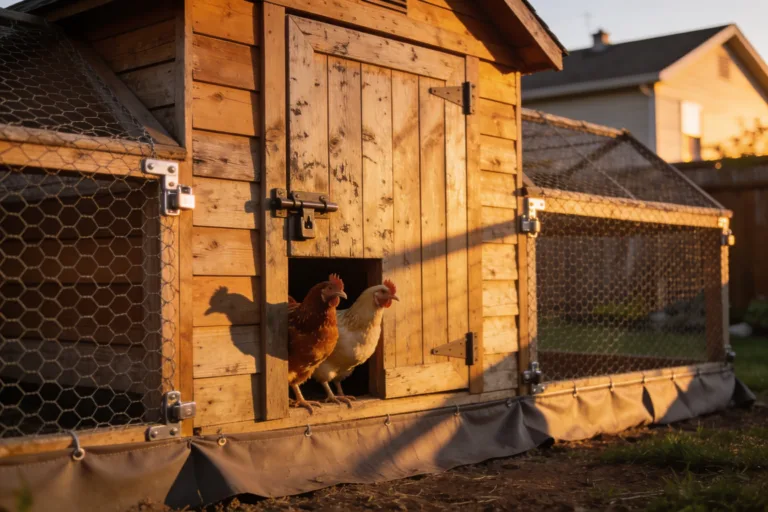
- Weak wire: Chicken wire keeps chickens in, not predators out. Use 1/2-inch hardware cloth for runs and vents.
- No apron or skirt: Predators dig. Install a 12-18 inch hardware cloth apron around the run, laid flat and buried shallowly.
- Gaps and latches: Raccoons have tiny hands and big brains. Use carabiners or locking latches.
Fast Fix
- Cover runs with hardware cloth or netting to deter hawks.
- Close coop doors at dusk, open at dawn—use an automatic door if your schedule doesn’t line up.
- Secure all vents with hardware cloth, not window screen.
Clean Enough to Keep Everyone Healthy
You don’t need to white-glove the coop, but filth invites parasites and respiratory issues. Aim for “farm tidy,” not “hospital sterile.”
- Ventilation, not drafts: Fresh air near the roof, not blowing on birds. Ammonia stinks? You need more ventilation.
- Poop management: Use a poop board under roosts to scoop daily. Fast wins, zero drama.
- Dust baths: Chickens clean themselves in dirt. Provide one to reduce mites.
Fast Fix
- Deep litter method: layer dry carbon (pine shavings) and stir weekly. Replace fully a few times a year.
- Keep waterers off the ground with blocks or hangers to reduce spills.
- Disinfect feeders/waterers monthly with a diluted bleach solution, then rinse well and dry.
Reading the Flock: Health Red Flags
You can catch most issues early if you actually watch your birds. Five minutes a day saves vet bills and heartache. FYI, chickens hide illness—prey animal instincts.
- Normal: Bright eyes, curious, tidy feathers, good appetite, solid droppings with the occasional cecal (soft and stinky—normal).
- Red flags: Lethargy, pale combs, labored breathing, runny noses, pasty butt in chicks, or sudden weight loss.
Fast Fix
- Isolate sick birds ASAP. Warmth, fluids, and quiet reduce stress while you assess.
- Check for mites/lice at night with a flashlight—look around vent and under wings.
- Keep a basic kit: electrolytes, probiotics, saline, vet wrap, styptic powder/cornstarch, small scissors, and a digital scale.
Egg Expectations: Reality Check
Your hens won’t lay daily forever, and they won’t start early just because you’re excited. Nature sets the schedule, not your brunch plans.
- Start time: Most breeds lay around 18-24 weeks. Longer for large or heritage breeds.
- Seasonal slumps: Shorter days mean fewer eggs. Molting equals “nope” on laying.
- Calcium counts: Hens need extra calcium once laying. Offer crushed oyster shell on the side.
Fast Fix
- Provide 14-16 hours of light in winter if you want steady eggs—use a timer and keep it gentle.
- Collect eggs daily to prevent egg eating and keep them clean.
- Offer privacy: dark, cushioned nest boxes with a lip to keep bedding in.
Beginner Mistakes I See All the Time (No Judgment, Promise)
- Impulse coop buys: Cute doesn’t equal functional. Many prefab coops fit “4-6 chickens” only on paper. Reality: 2-3 comfortably.
- Mixing ages too fast: Big girls bully babies. Integrate through a fence for a week, then supervised mingling.
- Too many treats: Keep treats under 10% of the diet. Yes, mealworms count. They’re candy with legs.
- Skipping quarantine: New birds can bring hitchhikers. Isolate newcomers for 2 weeks before introducing.
Fast Fix
- Plan flock size first, then build the coop 25% bigger than you think you need.
- Use a “panic door” or small openings so younger birds can escape bullies.
- Stick to a feeding routine: morning feed, fresh water, light treats later.
FAQ
How often should I clean the coop?
Spot clean daily or every other day—scoop the poop board and refresh obvious messes. Do a deeper clean monthly: swap bedding, wipe surfaces, and check for mold. A big seasonal clean a few times a year keeps everything fresh.
Do I need a rooster for eggs?
Nope. Hens lay eggs without a rooster. You only need a rooster if you want fertilized eggs for hatching—or if you like early morning concerts.
What bedding works best?
Pine shavings win for most folks: absorbent, easy to clean, and affordable. Straw works but can harbor mites if it gets damp. Skip cedar—it’s too aromatic and can irritate respiratory systems.
Why are my chickens pecking each other?
Usually boredom, crowding, or a protein deficiency. Add space, increase protein slightly (temporarily), and toss in enrichment like hanging veggies or a dust bath. Check for injuries and use a purple/blue spray to disguise wounds.
Can I let my chickens free-range?
Yes, but accept the risk of predators and garden demolition. Supervised free-ranging or a secure mobile tractor gives a nice compromise. If you free-range, herd them back before dusk and lock up tight.
When should I switch to layer feed?
Switch when your first hen starts laying. If you have mixed-age flocks, keep everyone on grower feed and offer oyster shell separately so only layers take the extra calcium.
Conclusion
You’ll mess up. We all did. The trick is to notice fast, fix fast, and keep going. Give your birds space, safety, clean water, decent food, and some daily attention. Do that, and your fluffy dinosaurs will reward you with eggs, antics, and more coop gossip than you ever asked for—FYI, they talk behind your back.
Share this content: