Pros & Cons of Keeping Wyandotte Chickens: A Complete Guide for Backyard Flock Owners
Wyandotte chickens have captured the hearts of backyard poultry keepers across America for over a century. These beautiful, rose-combed birds originated in the United States during the 1870s and quickly became one of the most popular dual-purpose breeds for both eggs and meat.
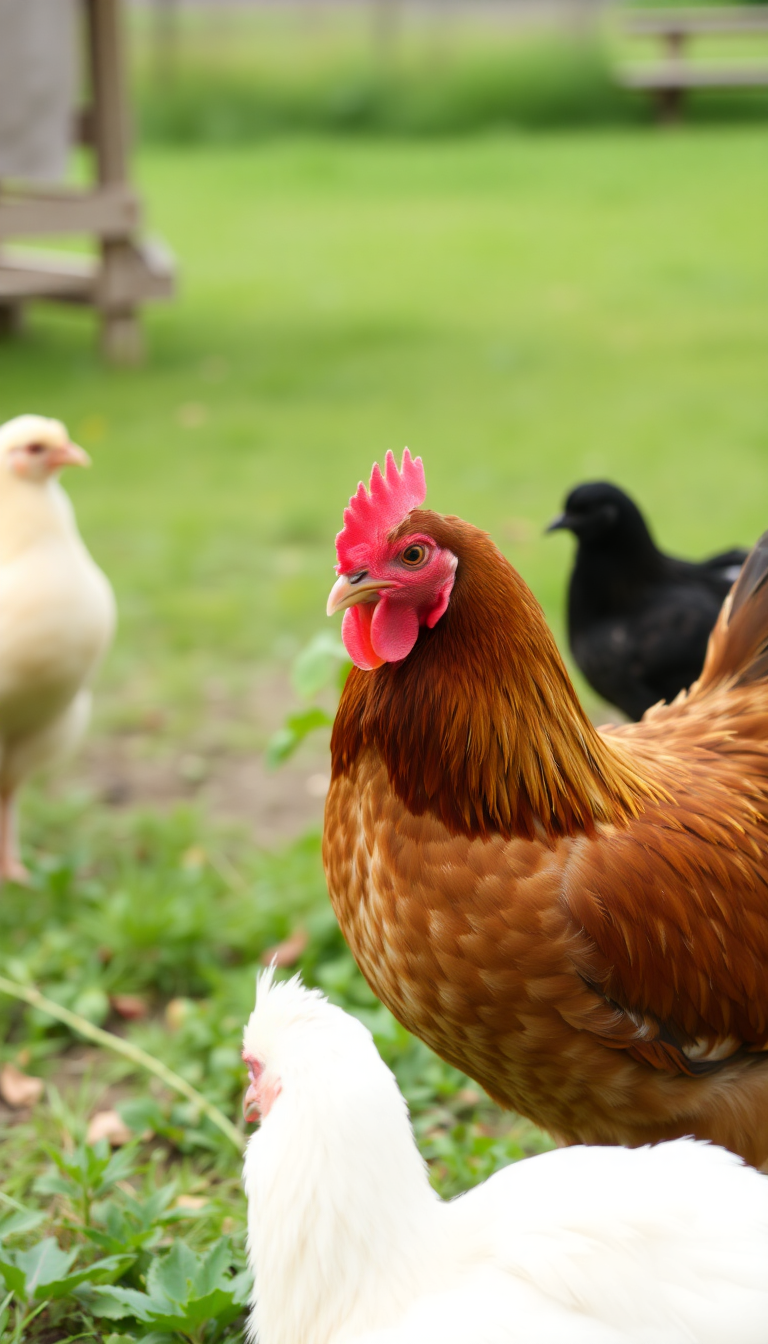
If you’re considering adding Wyandottes to your flock, you’re probably wondering whether these striking birds are the right choice for your backyard setup. Like any breed, Wyandottes come with their own unique set of advantages and challenges that every potential owner should understand before making a commitment.
The Advantages of Raising Wyandotte Chickens
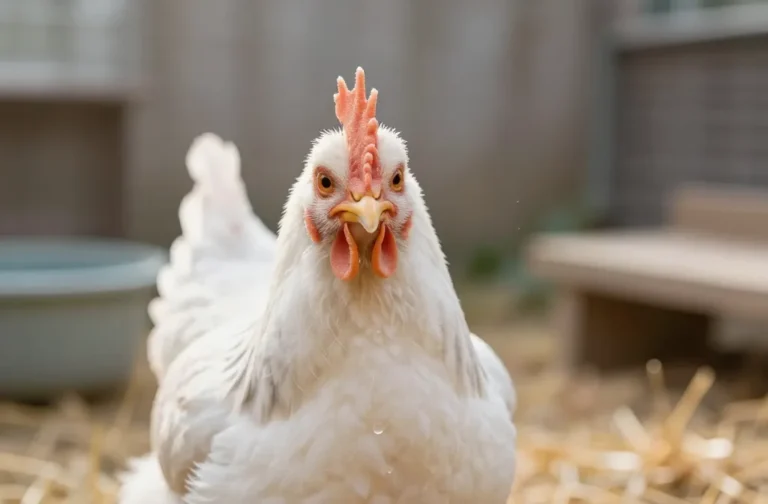
One of the biggest selling points of Wyandotte chickens is their exceptional cold hardiness. Their rose combs sit close to their heads, making them virtually immune to frostbite even in the harshest winters. Combined with their dense, fluffy feathering that provides excellent insulation, Wyandottes can thrive in northern climates where other breeds might struggle. This makes them an ideal choice for chicken keepers in regions with long, cold winters.
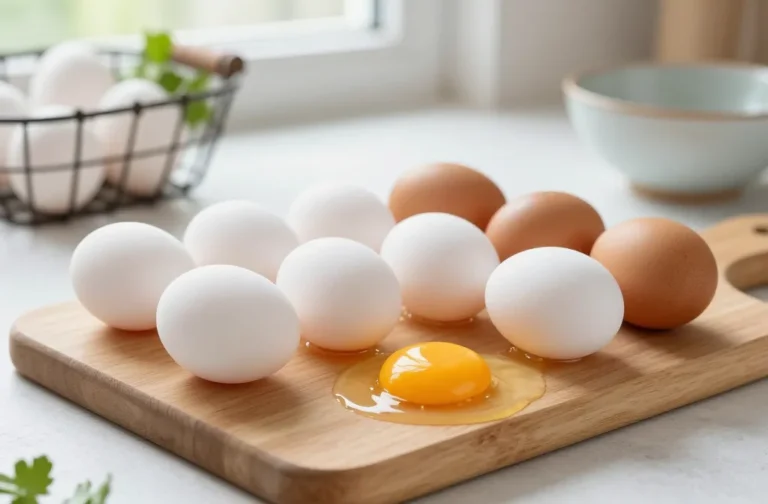
Wyandottes are also reliable egg producers, laying approximately 200-240 large brown eggs per year. While they may not match the production levels of commercial laying breeds like Leghorns, they make up for it with consistency. These hens tend to lay steadily throughout the year, even continuing to produce eggs during winter months when many other breeds take a break. Their eggs are notably large and have rich, golden yolks that are prized by home cooks and bakers.
The temperament of Wyandotte chickens is another major advantage. They’re generally docile and friendly birds that integrate well into mixed flocks. While they can be somewhat aloof compared to lap-chicken breeds like Buff Orpingtons, Wyandottes are calm enough to make good family birds. They’re also known for being relatively quiet, making them suitable for suburban settings where excessive noise might disturb neighbors.
Potential Drawbacks to Consider
Despite their many positive traits, Wyandottes do have some characteristics that might not suit every chicken keeper. One notable concern is their tendency toward dominance in mixed flocks. While not typically aggressive, Wyandottes often position themselves high in the pecking order and can be bossy with more submissive breeds. This means you’ll need to carefully consider flock dynamics if mixing them with gentler breeds like Silkies or Polish chickens.
Another consideration is their relatively slow maturation rate. Wyandottes take longer to reach point-of-lay compared to production breeds, often not beginning to lay until 20-24 weeks of age. If you’re looking for chickens that will start producing eggs quickly, you might find this wait frustrating. Additionally, their heavy, compact bodies make them poor fliers but also means they’re less agile than lighter breeds, which can make them more vulnerable to ground predators if not properly protected.
Wyandottes can also be somewhat challenging to source as quality breeding stock. While hatchery birds are readily available, finding true-to-standard Wyandottes with proper body type and coloring can be difficult and expensive. Many hatchery-quality Wyandottes have lost some of the breed’s distinctive characteristics, including their trademark wide, rounded bodies and proper feather lacing patterns.
Care Requirements and Management Tips
Wyandottes are relatively low-maintenance birds, but they do have some specific care needs that owners should address. Their dense feathering, while excellent for cold weather, can become problematic in hot, humid climates. During summer months, you’ll need to provide plenty of shade, fresh water, and possibly even frozen treats to help them stay cool. Some keepers in very hot regions find that Wyandottes struggle more with heat than cold-sensitive breeds struggle with winter.
Feeding Wyandottes requires attention to prevent obesity. These birds are enthusiastic eaters and excellent foragers, but their tendency to gain weight easily means you’ll need to monitor their food intake. A standard layer feed with 16-18% protein is appropriate for laying hens, but avoid overfeeding treats or scratch grains. Their love of foraging makes them excellent for free-ranging, and they’ll happily spend hours searching for bugs and greens if given the opportunity.
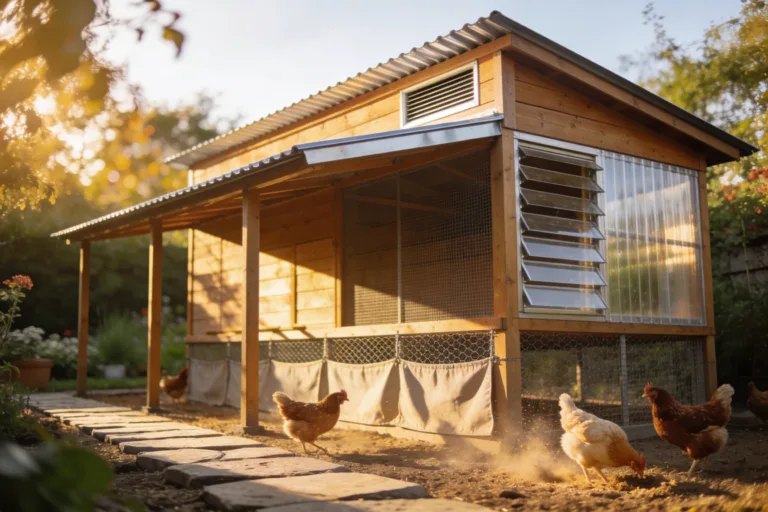
When it comes to housing, Wyandottes need slightly more space than smaller breeds due to their size. Plan for at least 4 square feet per bird in the coop and 10 square feet in the run. Their heavy bodies mean roosts should be lower to the ground than you might provide for lighter breeds – aim for roosts no higher than 2-3 feet to prevent foot and leg injuries when jumping down.
Making the Final Decision
Wyandotte chickens are an excellent choice for many backyard flock owners, particularly those in colder climates who want a beautiful, productive bird that’s easy to manage. Their combination of cold hardiness, consistent egg production, and calm temperament makes them ideal for beginners and experienced chicken keepers alike. The variety of stunning color patterns available, from the classic Silver Laced to the striking Blue Laced Red, means you can have both utility and beauty in your backyard.
However, they may not be the best fit if you live in an extremely hot climate, need maximum egg production, or want extremely friendly lap chickens. Consider your specific circumstances, including your climate, available space, and what you hope to get from your flock before making a decision. If you can provide appropriate care and appreciate their unique characteristics, Wyandottes can be wonderful additions to your backyard flock that will provide years of eggs, entertainment, and companionship.
Remember that every chicken is an individual, and while breed characteristics provide general guidelines, your specific birds may vary in personality and performance. Starting with quality stock from reputable breeders or hatcheries will give you the best chance of getting Wyandottes that exemplify the breed’s best traits. With proper care and management, these beautiful American heritage birds can become valuable and beloved members of your backyard flock for years to come.
Share this content: