Pros and Cons Keeping Buff Orpington Chickens
Buff Orpingtons look like walking butterscotch marshmallows, and yes, they act just as sweet. If you want a backyard flock that won’t terrorize your neighbors or your toddler, these fluffy legends deserve a spot on your shortlist. But are they all fluff and no function? Let’s dig into the real pros and cons so you can decide if “Buffs” fit your coop dreams.
First, What Makes a Buff Orpington… Buff?
Buff Orpingtons are a classic English breed known for their golden buff color, big frames, and silky-soft plumage. They carry a sturdy, chilled-out vibe. Think “golden retriever of chickens,” but with eggs.
- Weight: Hens 6-8 lbs, roosters 8-10 lbs
- Eggs: Light brown, around 180–260 per year
- Temperament: Docile, friendly, lap-chicken potential
- Climate: Great in cold, okay-to-meh in heat
The Pros You’ll Notice Fast
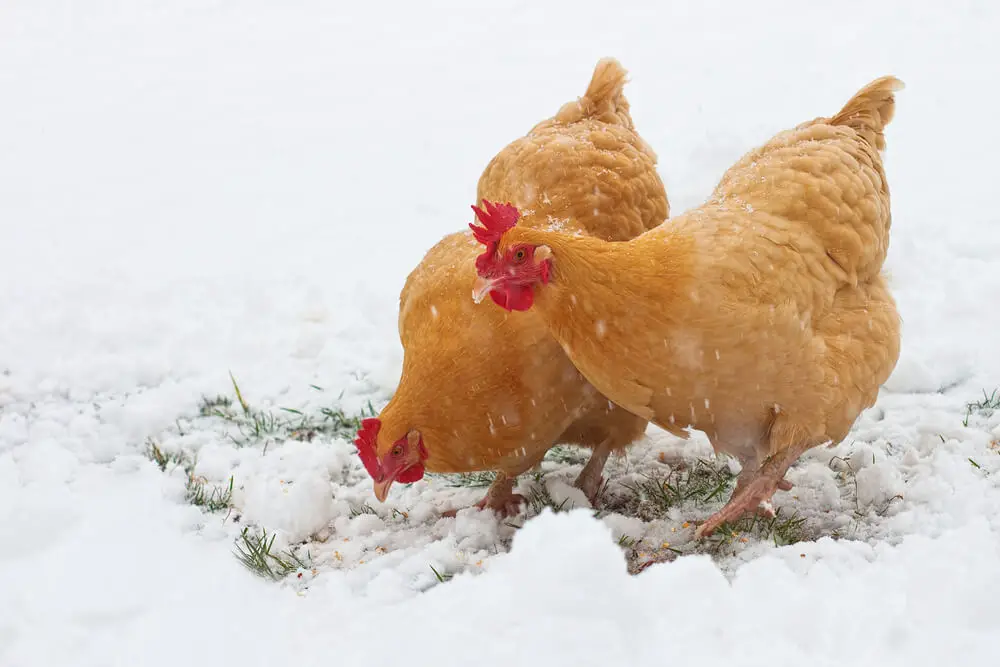
Buff Orpingtons bring a lot to the backyard table, beyond the obvious fluff factor.
- They’re gentle. They tolerate kids, dogs (respectful ones), and chaos. You can actually enjoy your flock without feeling like you live with velociraptors.
- They lay well. Expect 3–5 eggs a week per hen in their prime. Not a production machine, but solid and steady.
- They handle cold like champs. Their thick feathers keep them cozy in winter with minimal drama.
- They make great broodies. If you want chicks naturally, Buffs have the instincts and patience to do it right.
- They’re easy to tame. Hand-feed a few treats and boom—besties for life.
Bonus: They Look Gorgeous
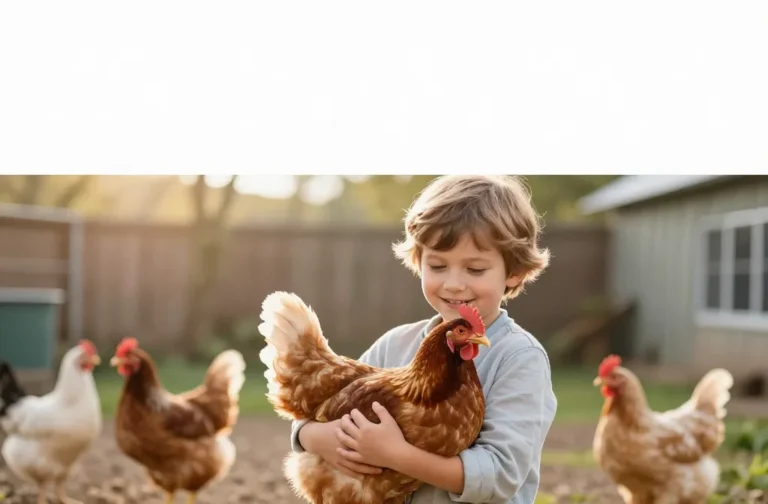
Let’s be honest: a sunlit Buff Orpington moseying across the yard looks like farm-core art. If you want photogenic poultry, Buffs serve looks daily.
The Cons You Shouldn’t Ignore
Are Buff Orpingtons perfect? Nope. Still lovely, just not flawless.
- They overheat easily. That same fluffy coat turns into a personal sauna in hot climates. Shade and ventilation aren’t optional.
- They can be lazy. Buffs prefer snacks to steps. Watch their weight—they gain quickly.
- They brood often. Cute once or twice, annoying the tenth time. A broody hen stops laying and parks on the nest like it’s her job.
- They’re not very predator-savvy. Calm equals slightly clueless. Provide secure runs and lockup routines.
- Egg production dips after year two. This is normal, but notable if you want max output. IMO, their personality still earns their keep.
Eggs: What to Expect and How to Keep Them Coming
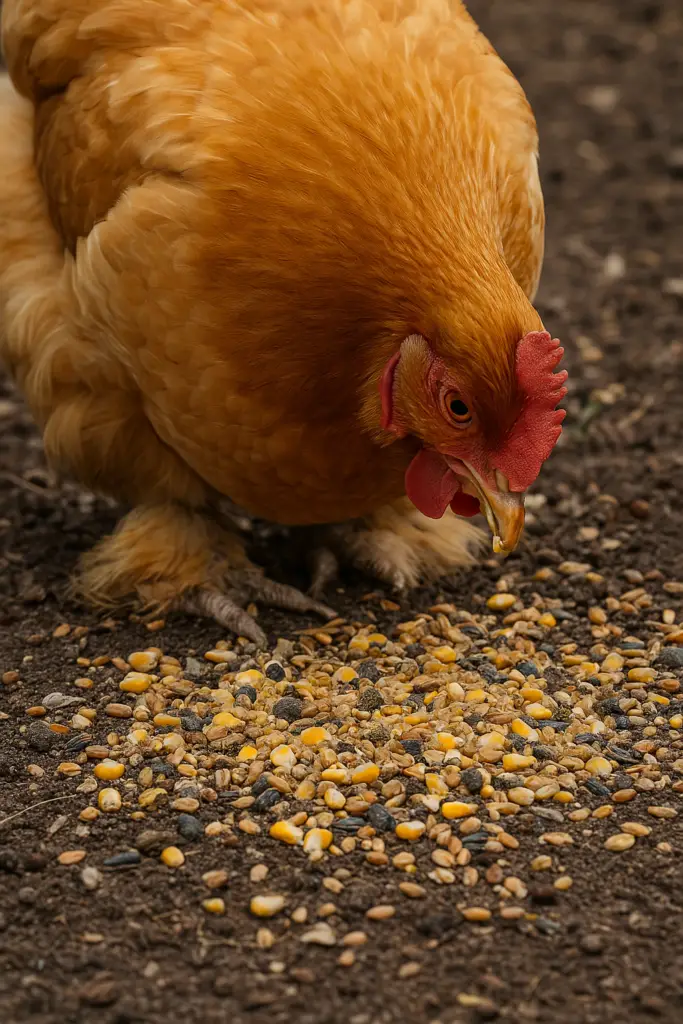
Buff Orpingtons lay medium-to-large, light-brown eggs. You’ll get the most during their first two years, then a slow decline.
Tips to Support Laying
- Lighting: 14–16 hours of light in winter keeps eggs flowing. Use a safe, low-watt bulb on a timer.
- Feed: Layer feed at 16% protein, plus free-choice calcium (oyster shell). Treats under 10% of diet.
- Stress control: Reduce overcrowding, provide several nest boxes, and keep a predictable routine.
Housing and Space Needs (A Little Extra Room Helps)
Buffs run big, fluffy, and not super athletic. Give them space to waddle with dignity.
- Coop: Aim for 4–5 sq ft per bird inside.
- Run: 10 sq ft per bird minimum. More = happier hens.
- Roosts: Lower and wide roosts work best for heavier birds.
- Ventilation: Big must-have. Move air out, keep drafts off birds at night.
Heat-Management Musts
- Deep shade and good airflow in the run
- Plenty of cool water, swapped daily; add ice packs during heat waves
- Electrolytes in water during extreme heat (FYI: not every day, just heat spikes)
- Dust baths under shade to help them cool and control mites
Temperament: Sweet, But Not Pushovers
Buffs shine in mixed flocks because they rarely start drama. They sit mid-to-low on the pecking order, so match them with similarly chill breeds.
Good Flockmates
- Australorps, Barred Rocks, Brahmas
- Cochins, Sussex, Wyandottes
Avoid pairing with super-feisty birds that bully gentle breeds. If your flock already has a feathered Mean Girl, supervise introductions closely.
Health, Grooming, and Common Gotchas
Buffs stay hardy, but their feather density means you should check a few things regularly.
- Weight: Feel the keel bone monthly. If it’s vanishing under fluff, cut back on treats.
- External parasites: Feathers hide mites and lice like champs. Inspect vents and underwings every few weeks.
- Foot care: Keep roosts smooth and bedding dry to prevent bumblefoot.
- Vent hygiene: Older or overweight hens can get pasty vents. A quick trim around the vent (carefully!) helps.
- Broody breaks: For chronic broodies, use a well-ventilated “broody breaker” crate for 2–3 days to reset hormones.
Are Buff Orpingtons Right for You?
You’ll love Buffs if you want friendly, low-drama birds that lay respectably and won’t sprint through your garden like track stars. You’ll struggle if you live somewhere very hot or demand nonstop egg output year after year. Balance matters here: great family birds, decent layers, slightly high-maintenance in heat.
FAQ
Do Buff Orpingtons get along with kids and pets?
Yes, usually. They tolerate handling better than many breeds, and they rarely peck aggressively. Introduce dogs slowly and supervise until everyone learns the house rules.
How many eggs will a Buff Orpington lay per year?
Expect 180–260 eggs in their first two years, then a gradual decline. Winter slows output unless you add supplemental light. Still, they give enough to keep a household in omelets.
Are Buff Orpingtons loud?
Not particularly. Hens chat softly and sing the occasional “egg song.” Roosters, however, follow the universal rooster rule: they crow when they feel like it, which is often.
Do they free-range well?
They love a stroll and snack hunt, but they don’t range far or fast. That calm nature means they miss predator cues. If you free-range, do it when you’re around or use a secure, covered run.
How do I manage a broody Buff Orpington?
Either give her fertile eggs and let her hatch (they’re great moms) or break the broodiness. To break it, remove eggs promptly, block the favorite nest box, and use a wire-bottomed broody-breaker crate with food, water, and shade for a couple of days.
Can I keep Buff Orpingtons in hot climates?
You can, but you must plan for heat. Prioritize shade, airflow, cool water, and light-colored roofing. Avoid overcrowding, and skip high-fat treats in summer. IMO, a fan in the coop during heat waves is worth every penny.
Conclusion
Buff Orpingtons deliver big-time on friendliness, backyard charm, and reliable eggs—plus they turn your yard into a golden-feathered mood board. They do ask for extra care in hot weather and they’ll go broody like it’s a hobby. If you want cuddly, calm chickens that play nicely with kids and neighbors, Buffs earn a spot in your coop. And hey, a chicken you can hug without losing a finger? That’s a win, FYI.
Share this content: