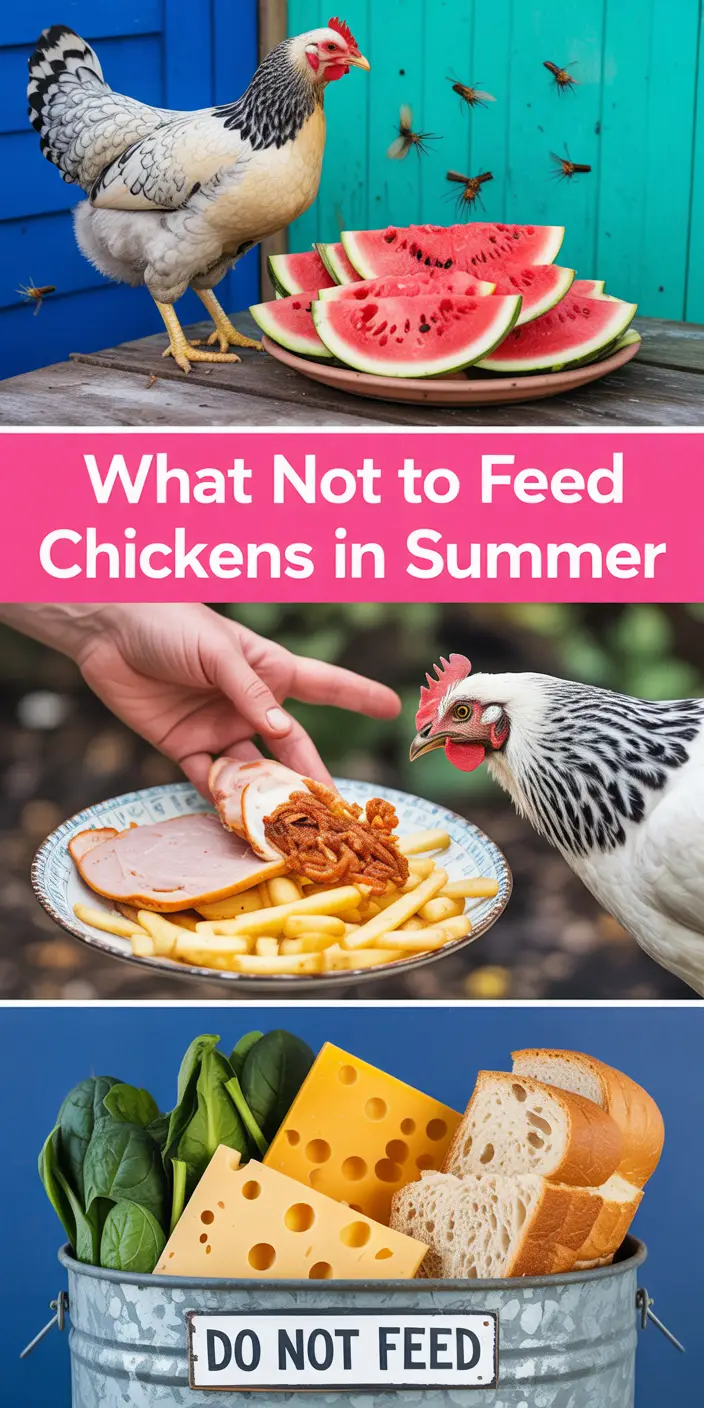
Can Chickens Eat Corn?
Chickens and corn go together like coffee and mornings: obvious, satisfying, and a little chaotic if you overdo it. Can chickens eat corn? Absolutely. Should corn become their entire diet? Hard no. Let’s break down what corn does for your flock, when and how to feed it, and the smart ways to keep your birds healthy while they gobble those golden kernels.
So… can chickens eat corn?
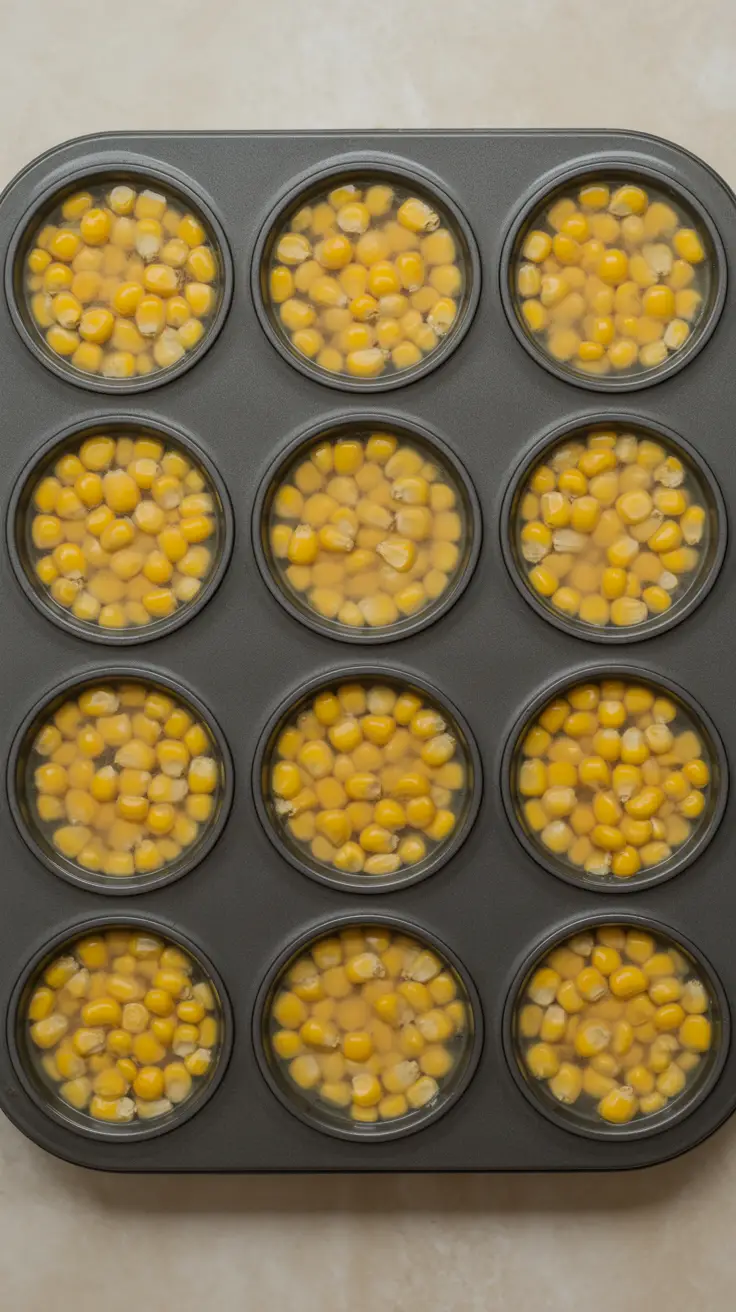
Yes. Chickens can eat corn, and they’ll act like you just threw them a party. Corn gives them quick energy, tastes like candy (to a chicken, anyway), and works great as a treat or supplement. But corn isn’t a complete food. It lacks enough protein, certain vitamins, and essential amino acids your birds need for strong eggs and healthy feathers.
What corn actually provides
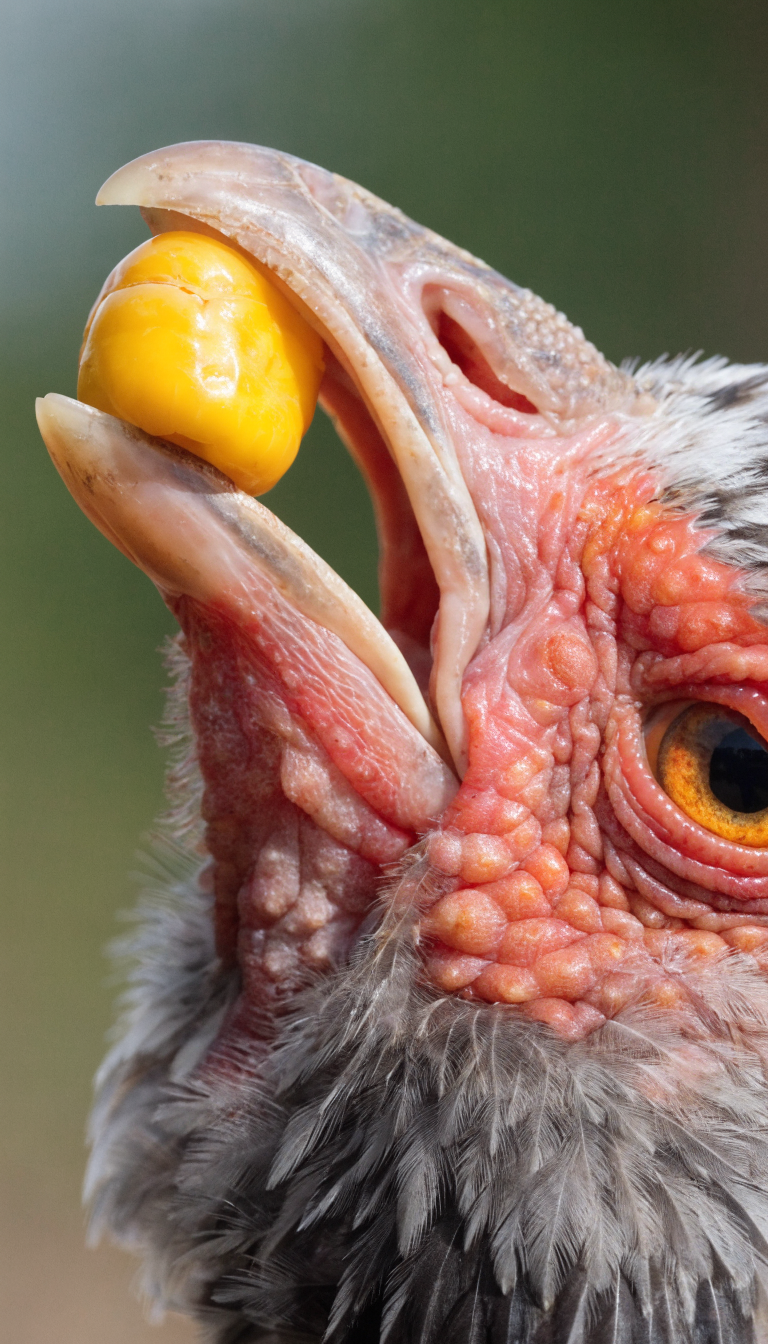
Corn isn’t evil. It’s just not a multivitamin. Here’s what it brings to the table:
- Carbs for energy: Corn fuels scratching, foraging, and that weird sprint they do when you open the coop.
- Some fat: Helpful in cold weather to keep body heat up.
- A little protein: Not nearly enough for growth, molting, or laying, though.
- Yellow pigments (xanthophylls): Can deepen yolk color—nice bonus.
Now the flip side: corn lacks key amino acids like methionine and lysine, and it doesn’t bring much in the vitamin/mineral department. So, IMO, treat it like a side dish, not the entrée.
How much corn is too much?
Think of corn like dessert. Fine in moderation, not great as the main course. A simple rule: keep treats (including corn) to about 10% of your chickens’ daily intake. The other 90% should come from a balanced layer feed or grower feed, depending on age.
Portion ideas
- Handful per 4–5 chickens as a quick snack.
- A small scatter across the run to encourage foraging.
- During winter, a bit extra in the evening helps with overnight warmth.
FYI, overdoing corn leads to weight gain, fatty liver issues, and meh egg production. Nobody wants that.
Whole corn vs. cracked corn vs. scratch
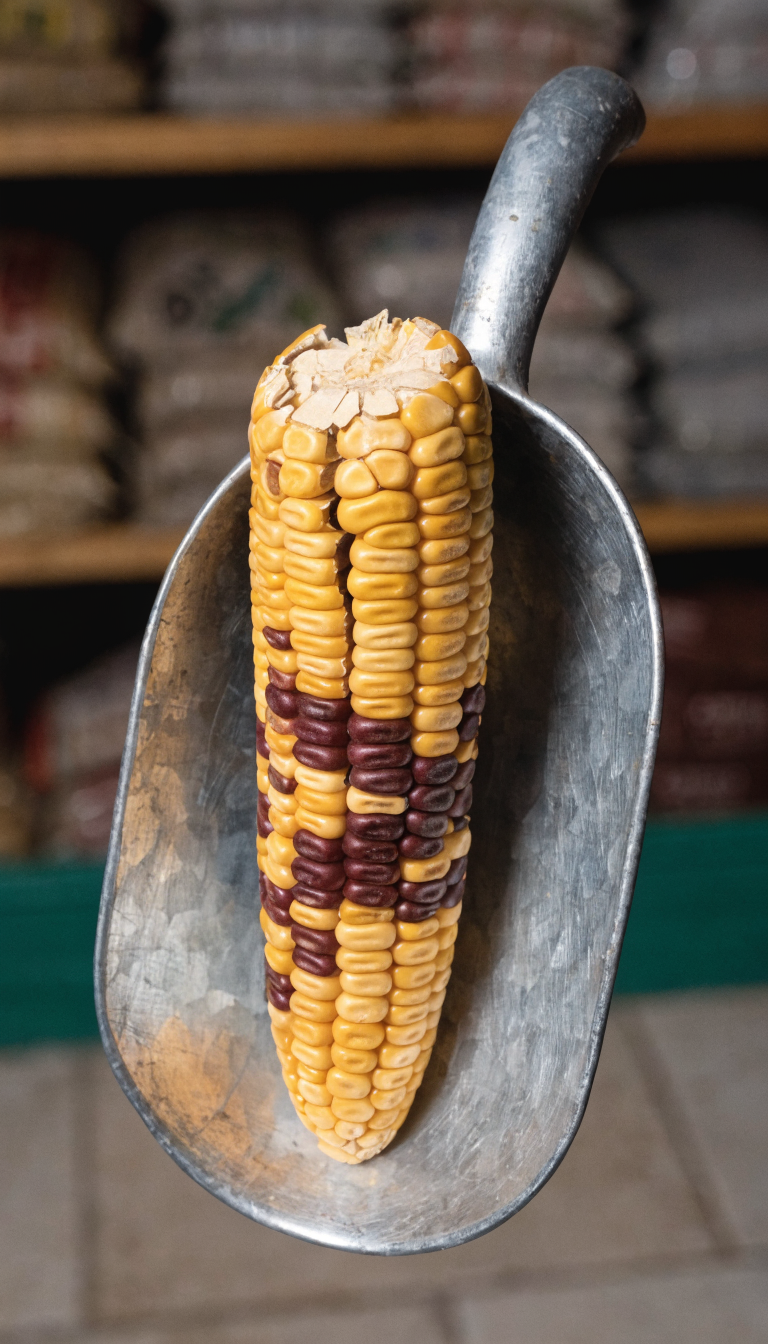
You’ve got options, and your flock will happily test all of them.
- Whole corn: Big kernels. Adult chickens with good grit handle it fine. Not ideal for chicks.
- Cracked corn: Easier to eat. Great for smaller birds or mixed ages.
- Scratch grain mixes: Usually corn plus wheat, barley, or milo. Still a treat, not a complete feed. Check the label—scratch often runs low in protein.
Do they need grit with corn?
Yes, if they’re not on a crumble/pellet-only diet. Chickens don’t have teeth (shocking, I know), so they use grit in their gizzard to grind whole grains. Offer insoluble grit free-choice. Oyster shell is for calcium, not grinding—different job.
Best times to feed corn
Corn shines when you use it strategically.
- Cold weather evenings: A small corn snack before roosting helps them stay warm overnight.
- Training and taming: Call your flock, shake the cup, and boom—instant attendance.
- Foraging fun: Scatter corn in bedding or the run to keep them busy and reduce boredom pecking.
Avoid loading them up on corn in the heat of summer. Extra calories plus heat equals grumpy, overheated birds. Not a vibe.
Corn hacks: feeding it the smart way
Want to make corn more useful? Try a few tricks.
- Mix with higher-protein snacks: Add black soldier fly larvae, peas, or scrambled egg to balance protein.
- Use it as a topper: Sprinkle a tiny amount on top of their regular feed to get picky eaters interested.
- Sprout or ferment other grains: Not corn-specific, but it boosts nutrition and palatability of the whole treat game.
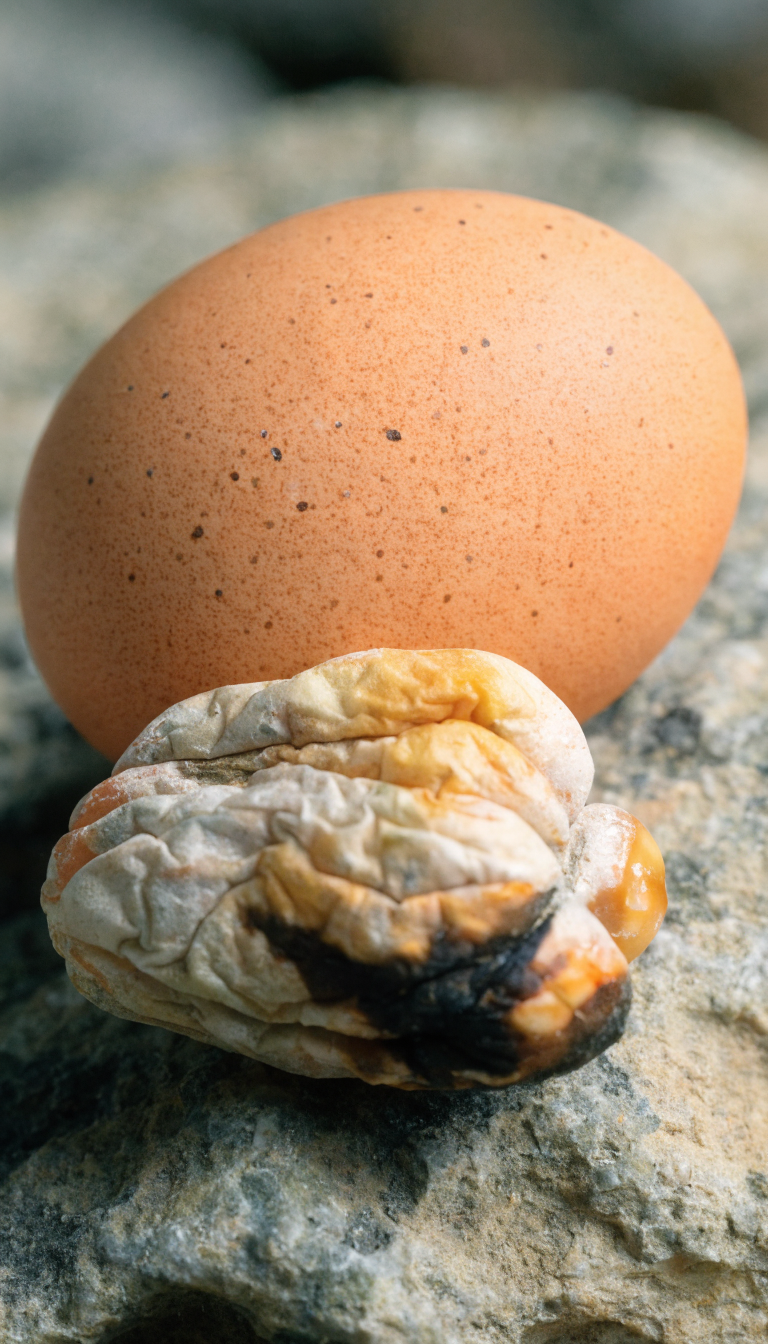
- Keep it clean and dry: Moldy corn equals toxins and sick chickens—hard pass.
Seasonal tweaks
- Winter: Slightly more corn for warmth. Still keep treats under 10–15% of diet.
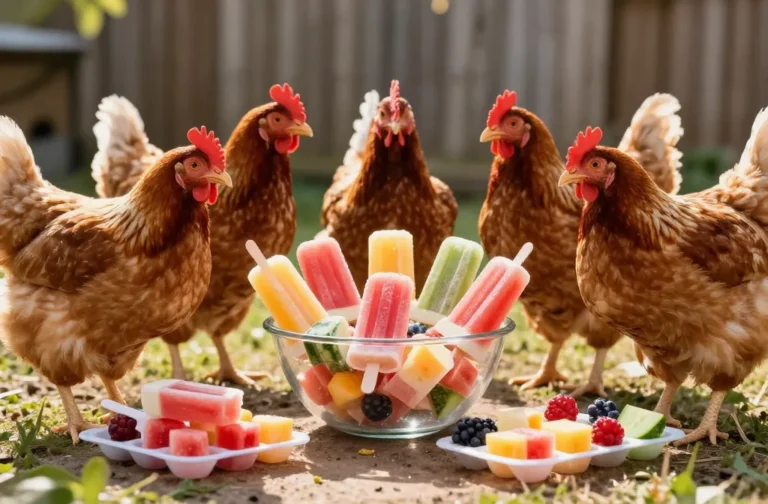
- Summer: Scale back. Offer water-rich treats like watermelon rinds instead.
- Molting: Focus on protein first. Corn can wait.
What about baby chicks and corn?
Chicks live their best lives on a quality chick starter with the right protein level (usually 18–20%). Corn doesn’t deliver what fast-growing chicks need. If you really want to share a tiny bit of cracked corn after a few weeks, also provide chick-sized grit and keep portions microscopic.
Corn and egg quality
Corn won’t magically fix thin shells or boost laying. For strong eggs, your hens need:
- Balanced layer feed with the right protein and vitamins.
- Free-choice oyster shell for calcium.
- Clean water always.
Corn can deepen yolk color slightly thanks to pigments, but that’s cosmetic, not nutritional wizardry. IMO, pretty yolks are fun, but nutrition beats aesthetics every time.
Common mistakes to avoid
Let’s dodge the usual pitfalls:
- Replacing feed with corn: Cheap now, expensive later when health drops.
- Feeding moldy or spoiled corn: Can cause serious illness from mycotoxins.
- No grit: Whole grains without grit = digestive drama.
- Overfeeding in heat: Leads to stress and lower laying.
- Relying on scratch for protein: It won’t cut it, especially during molt or growth.
FAQ
Can I feed my chickens corn every day?
You can offer a small amount daily, but keep it under 10% of their total intake. If corn crowds out balanced feed, your flock will miss key nutrients. Think snack, not staple.
Is popcorn okay for chickens?
Air-popped, unseasoned popcorn works as an occasional treat. No butter, oil, or salt. Many birds prefer regular cracked corn, though, since it’s easier to digest and less like a packing peanut.
Will corn make my hens lay more eggs?
No. Egg production depends on overall nutrition, daylight, genetics, and health. Corn adds energy but doesn’t supply the protein, vitamins, and minerals hens need for consistent laying.
Can corn replace grit?
Nope. Corn is food; grit is a tool. Offer insoluble grit free-choice if your birds eat whole grains or forage outside. Oyster shell doesn’t replace grit either—it’s for calcium.
Is sweet corn (on the cob) safe?
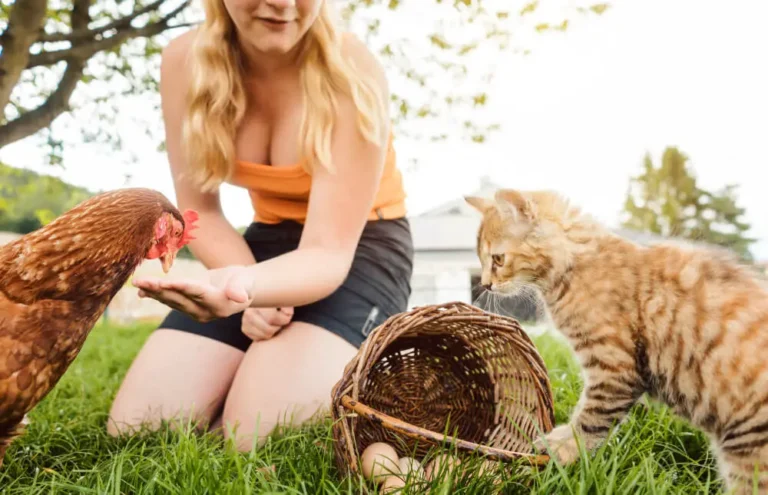
Yes, in moderation. Fresh, cooked, or raw sweet corn is fine, and they’ll demolish the cob like tiny dinosaurs. Just avoid butter, salt, and seasonings. Also, don’t rely on it for nutrition—still a treat.
Why do my chickens love corn so much?
It’s sweet, it’s easy to spot, and it delivers quick energy. Chickens also learn fast that the big rustling bag means snack time. You created tiny corn fanatics—own it.
Bottom line
Corn and chickens? Great combo—as long as you keep it in its lane. Use corn as a treat, limit portions, and prioritize a complete feed to cover protein, vitamins, and minerals. Toss a handful to spark foraging, warm them up on cold nights, or bribe them back to the coop—no judgment here. Just don’t let dessert become dinner, and your flock will stay healthy, active, and delightfully dramatic at snack time.
Share this content: