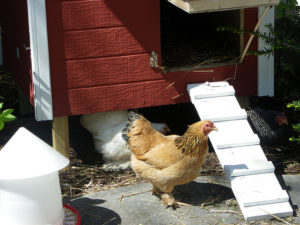
Predator-Proofing a Coop on a Budget (Under $50 Upgrades That Matter) That Actually Works
Let’s be honest: predators don’t take holidays, and neither should your coop. These under-$50 upgrades prove you don’t need a fortress-level budget to keep evening noises and clawed drama to a minimum. Ready to sleep easier tonight? FYI, you’ll thank yourself later.
1. Secure the Run: Tighten the Barrier Without Breaking the Bank
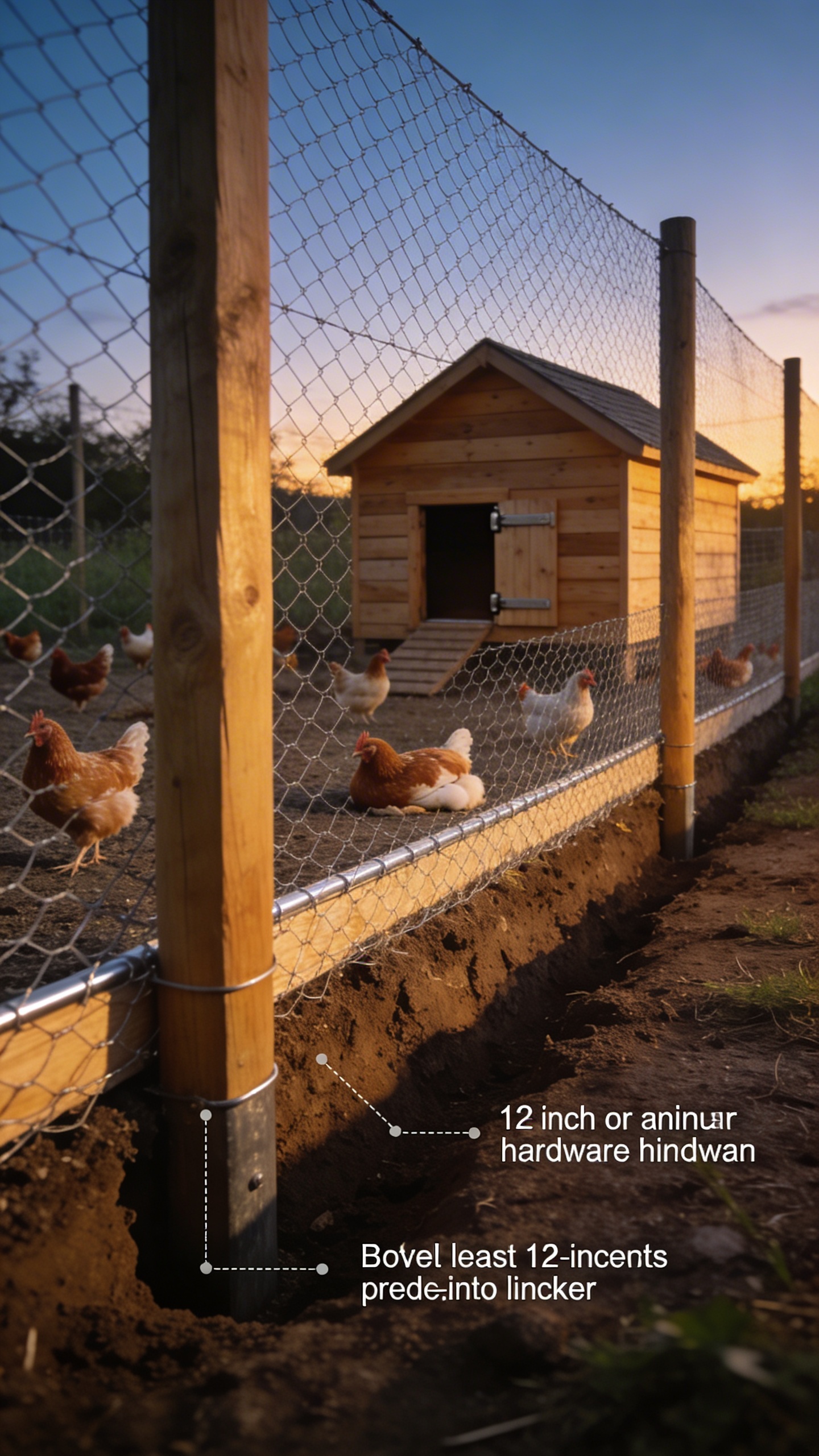
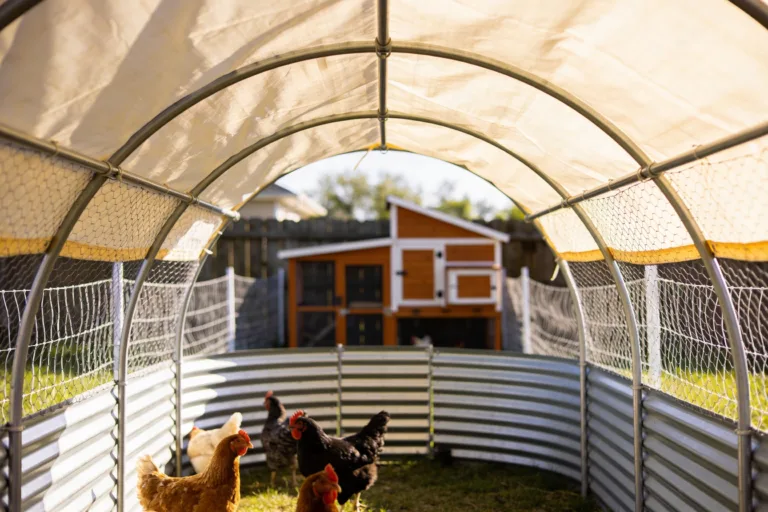
Your chickens want to roam, but not at the expense of their safety. A sturdy barrier around the run is the first line of defense, and you can do it smartly without blowing your grocery budget. This upgrade pays for itself in peaceful nights and fewer lost birds.
Key Points
- Choose hardware cloth with 1/2 inch or smaller openings to stop raccoons and weasels.
- Bury the fence at least 12 inches below ground or add a “skirt” fabric to deny digging underneath.
- Attach the wire tightly to sturdy posts; loose fencing invites climbers and critters with sticky fingers.
Why this matters: it keeps daytime playtime inside your yard and prevents nocturnal guests from crashing the coop party. When to use: anytime you notice digging or tunneling activity nearby.
2. Reinforce the Coop Door: Simple Latch Upgrades That Beat Temptation
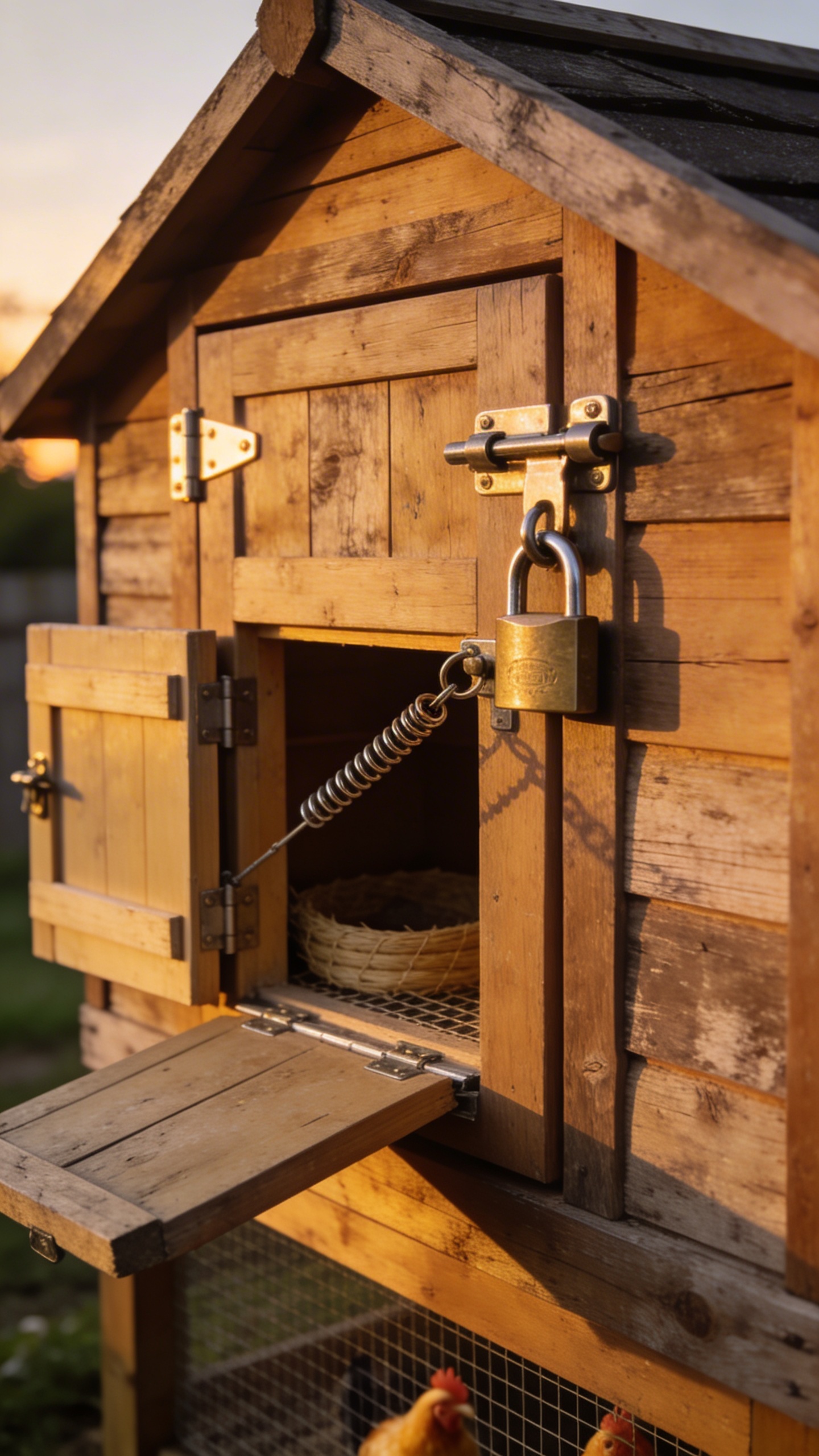
Doors are the most common weak link predators test first. A careful upgrade to the door latching system can be done in an afternoon and won’t require a master carpenter. It’s your best bet for a frantic-free night.
Tips
- Replace loose latches with heavy-duty hasp-and-lock combos; choose a padlock that’s not easy to cut.
- Add a DIY auto-lite or spring-loaded latch to keep doors secure if you forget to bolt up.
- Use a secondary door to create a double layer of protection for the nesting area.
Why this matters: many predators can pick a simple hook in seconds; a solid latch buys you hours of safety. When to use: after you notice doors snagging, or if you’ve had a break-in scare.
3. Upgrade the Coop Floor and Skirting: Stop the Tunnelers in Their Tracks
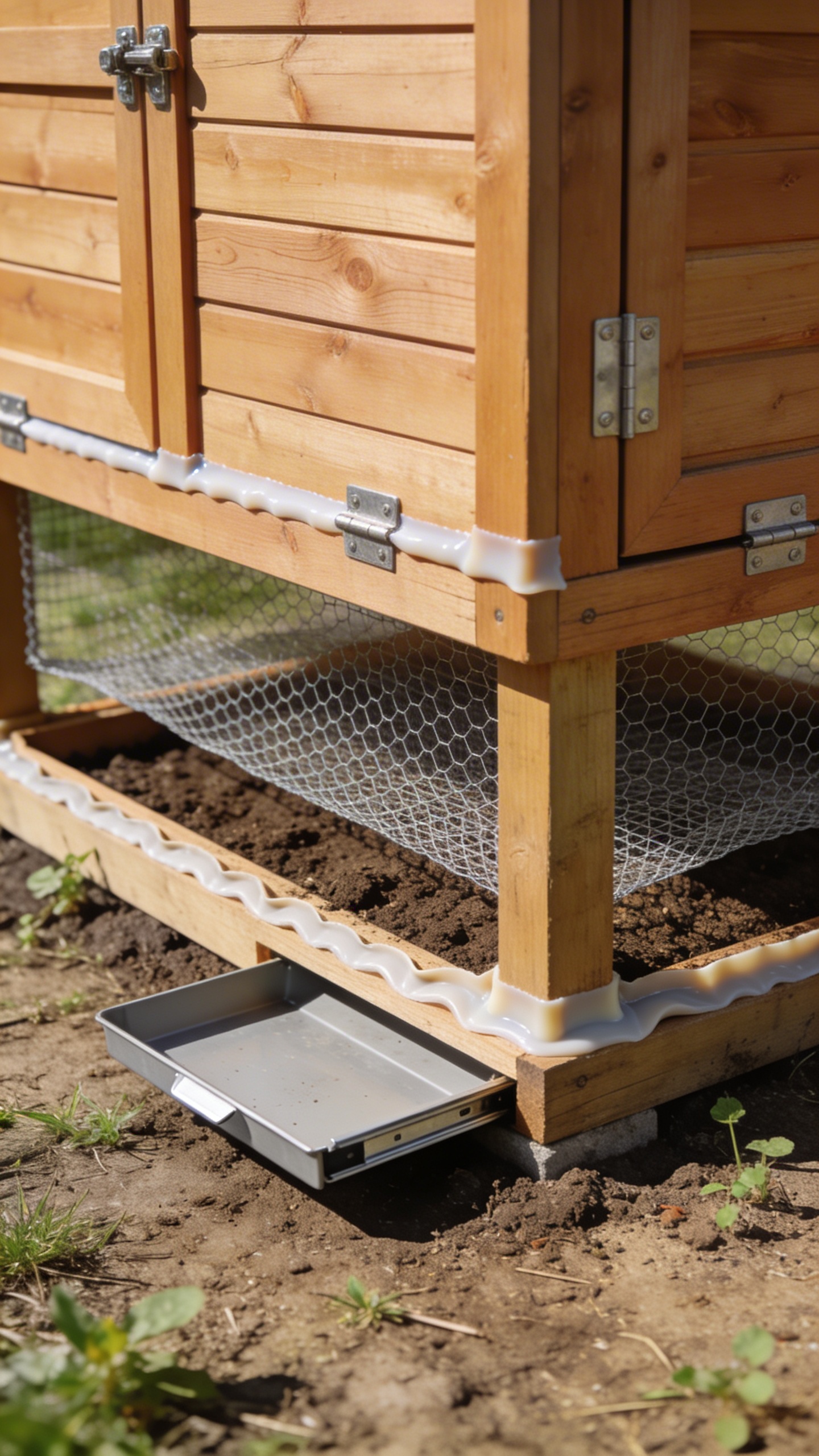
Predators don’t just strike from above—they love to sniff out gaps at the base. A budget upgrade to the coop floor and skirting helps seal all the obvious entry points and makes it far less inviting for critters to linger.
What to Do
- Install hardware cloth or welded wire under the coop where the floor meets the ground, burying it a bit to prevent digging.
- Put a small removable tray or kickplate on the bottom to catch dirt and make cleaning easier.
- Seal gaps with flexible outdoor caulk or hardware-grade sealant to stop squeaks and drafts that whisper “come in.”
Why this matters: a clean, solid base reduces dampness and the chance of knockouts during raiding attempts. When to use: start this before rainy seasons when moisture draws critters closer.
4. Create a Safe Roof Gap Strategy: Overhangs and Sealant to Keep Them Out
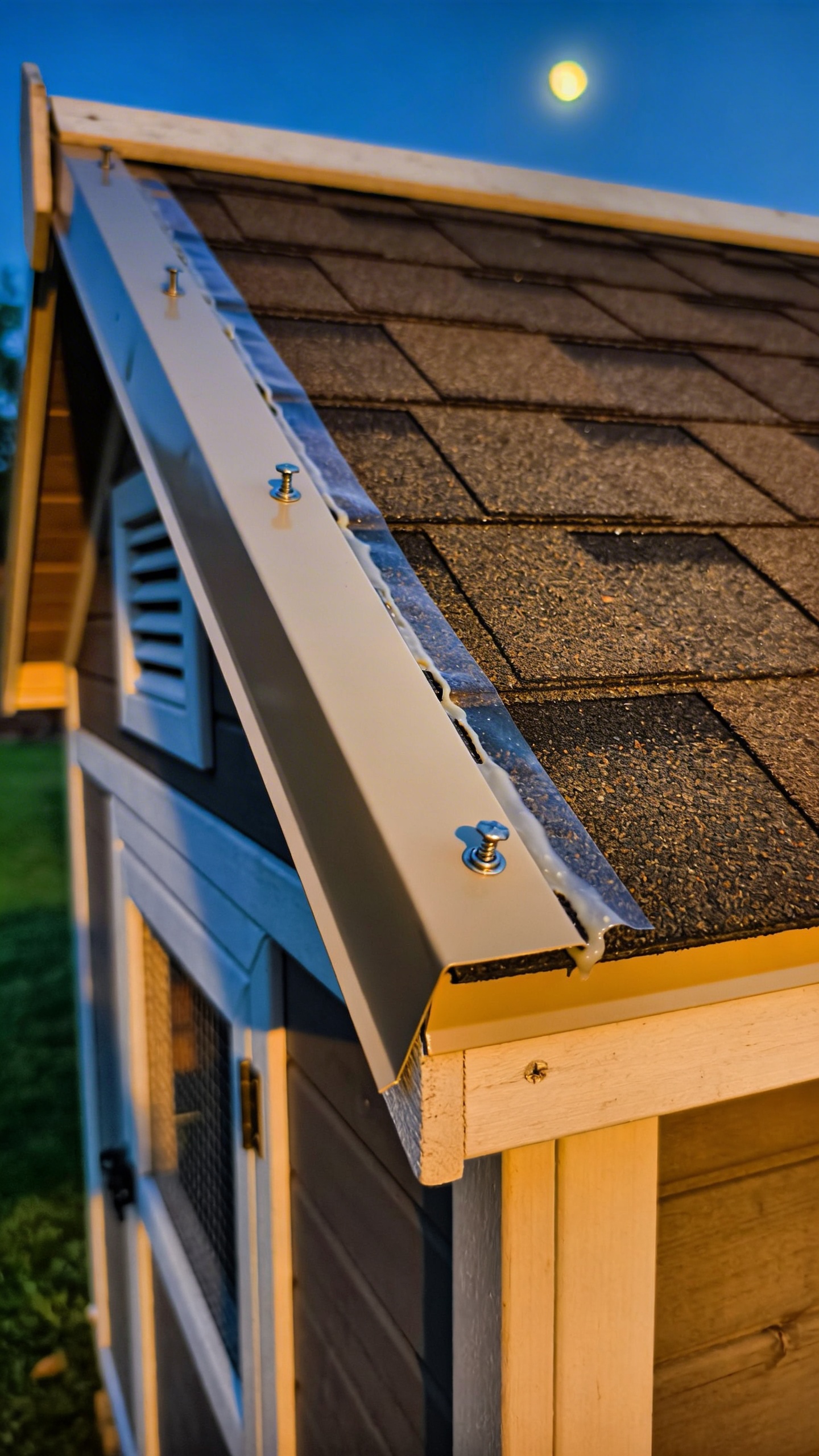
A lot of predator incursions happen through the ceiling and roof edges. A small investment in overhangs, tight seals, and mesh can shut down aerial or climbing access—especially in windy, moonlit nights.
Key Points
- Install a tight-fitting roof or add a vinyl overhang that covers edges where predators might pry through.
- Seal any seam gaps with flexible weatherproof sealant; check after storms for new gaps.
- Use roofing nails and corrosion-resistant staples; don’t skip on sturdiness here.
Why this matters: predators often test the top and sides at dusk; keep those routes blocked. When to use: if you’ve seen scratches on the roof or hear scrabbling sounds after hours.
5. Build a Cheap, Clever Nailer: Perimeter Perches, Visually Mapped Exits, and Quick Deterrents
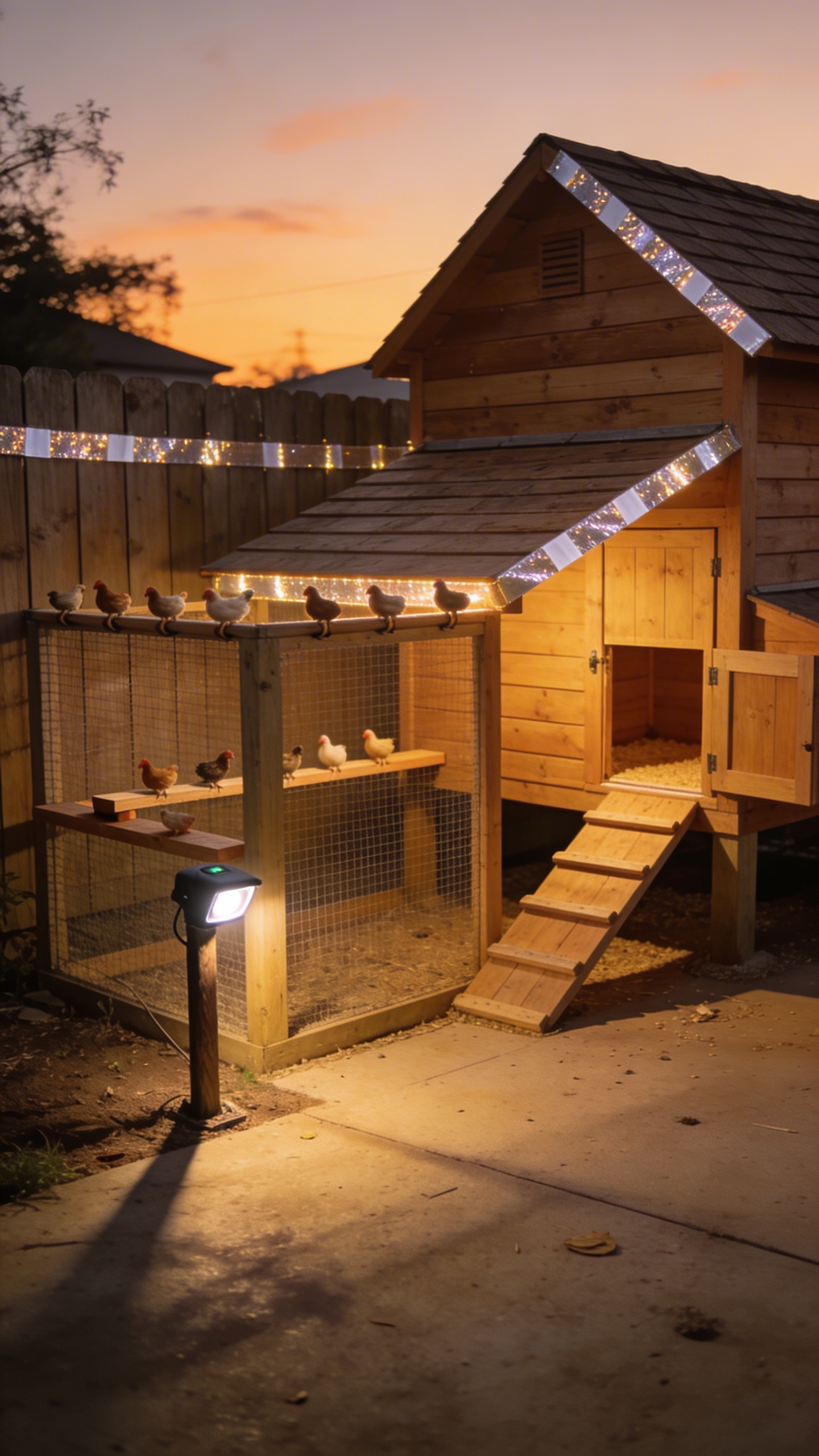
This final upgrade isn’t about a single gadget—it’s about thinking sideways to reduce risk. A few smart, inexpensive tweaks around the coop can deter smarter predators and create a more manageable space for your birds.
Practical Tweaks
- Perimeter perches or barriers that force predators to choose an unwelcome path away from the coop.
- Visible deterrents like reflective tape or motion-activated lights placed safely out of reach of birds.
- Clear, simple escape routes for chickens to retreat to a safe corner if they get spooked.
Why this matters: a few small cues can change a predator’s behavior and make your birds feel confident to roam in daylight. When to use: especially helpful after you notice suspicious activity or bird stress during dusk.
Want a quick recap? Each of these under-$50 upgrades tackles a common weak point—ground, doors, floor, roof edges, and general deterrents—without forcing you into a costly remodel. Trust me, these little changes add up to big peace of mind and a lot more sleep.
Ready to get started? Grab some hardware cloth, a sturdy latch, and a caulk tube, and you’re on your way to a predator-proof coop that actually works. Seriously, your future self will thank you for making these deliberate, budget-friendly choices.
Conclusion: You don’t need a fortress to keep your flock safe; you just need smart, affordable moves that cover the basics. Give each upgrade a weekend test and watch how much calmer your nightly routine becomes. You’ve got this — go protect those chickens with confidence!
Share this content: