Is Oregano Good for Chickens? Myth, Hype, or Help
Oregano isn’t just for pizza. Backyard chicken keepers swear by it, some swear at it, and a few toss whole sprigs into the waterer like they’re bartending for birds. So, is oregano actually good for chickens—or just trendy coop cosplay? Short answer: it can help, but you need to use it right. Stick with me and I’ll give you the scoop, minus the hype.
Why Oregano Gets So Much Hype
Oregano brings more than flavor—it packs compounds like carvacrol and thymol. These little warriors help manage bacteria and support gut health. That matters for flocks, especially when you want strong immunity without overusing meds.
You won’t replace good husbandry with herbs. But as a daily “support player,” oregano can level up your flock’s resilience. Think of it as the multivitamin that actually tastes good.
The Real Benefits (And Where They Shine)

Gut health: Oregano helps balance the microbiome. Chickens with calmer guts eat better, grow better, and poop… less dramatically.
Immune support: Those essential oils? They help birds handle everyday stressors—temperature swings, new flockmates, or the dreaded lawn hawk flyovers.
Respiratory boost: Aromatic herbs like oregano can make the coop smell fresher and may help birds breathe easier. Will it cure diseases? No. Will it make things feel less swampy? Yes.
Egg quality: Anecdotally, many keepers see richer yolks and steady laying when they combine oregano with an overall solid diet. Correlation isn’t causation—but IMO, it’s worth trying.
What The Science Actually Says
– Studies in poultry (mostly broilers) show oregano oil can reduce harmful bacteria and improve feed conversion.
– Layer hens may benefit from immune and digestive support, though results vary.
– Translation: oregano helps, but it won’t perform miracles. Keep expectations realistic.
Fresh, Dried, or Oil? What to Use (And How)
You’ve got options—and some are stronger than others. Choose based on your budget and comfort level.
Fresh or Dried Oregano
– Toss fresh sprigs into the run or coop for pecking. It’s safe and fun enrichment.
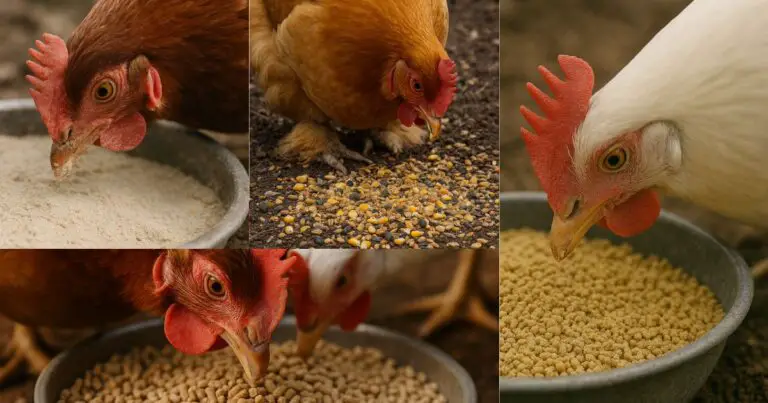
– Mix dried oregano into feed: about 1–2 tablespoons per 5 pounds of feed.
– Pro tip: crumble dried leaves gently so they blend better. Avoid dusty powders that end up wasted in the feeder abyss.
Oregano Oil (Essential Oil)
– Very potent. Use a diluted, poultry-safe product or emulsify properly.
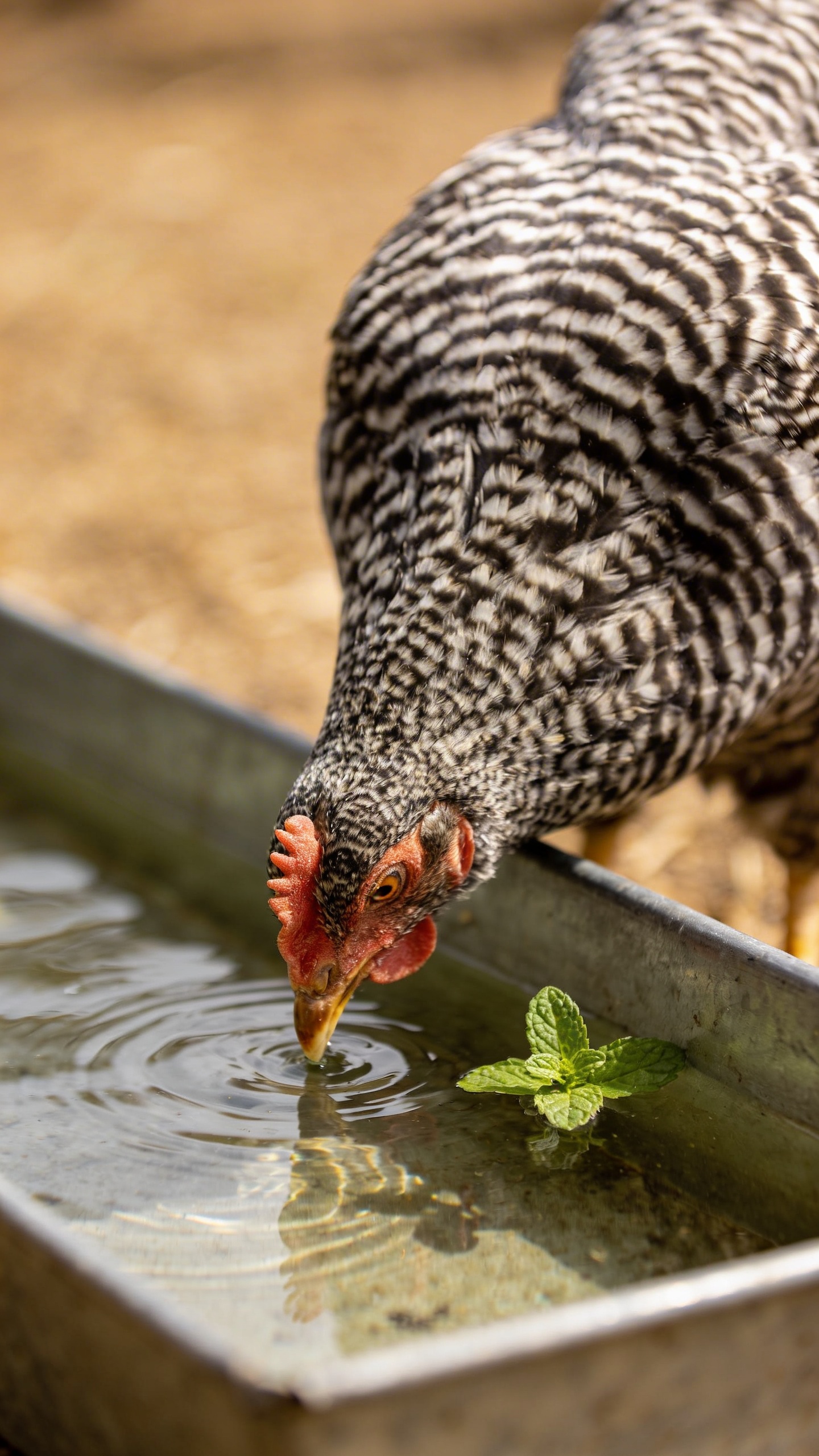
– For waterers: 1–2 drops per gallon, mixed first with a carrier like a teaspoon of olive oil or a commercial emulsifier. Stir like you mean it.
– Start slowly. If your birds side-eye the water like it’s alien soup, reduce the dose.
Pelleted or Commercial Blends
– You can buy feed additives with oregano already in them. They’re consistent, easy, and less messy.
– Great for folks who want benefits without turning the kitchen into an herb lab.
When Oregano Helps Most
Seasonal stress happens. Score some easy wins with timing.
- During chick brooding: Light oregano support can help tiny guts adjust. Add a pinch of dried leaves to starter crumble once or twice a week.
- After a move or predator scare: Mild immune support can ease stress fallout.
- Coop colds going around? Use oregano alongside actual treatment and vet advice. FYI, oregano supports—it doesn’t replace meds.
- After antibiotics: Once your vet gives the all-clear, oregano may help re-balance gut flora.
What Oregano Won’t Do (Let’s Set Boundaries)
– It won’t cure coccidiosis, respiratory infections, or parasites. That’s vet territory.
– It won’t fix a filthy coop or poor ventilation. Cleanliness first, herbs second.
– It won’t neutralize moldy feed, bad water, or overcrowding. Ever.
Bottom line: oregano supports a healthy system. It doesn’t rescue a broken one.
How to Start Without Overdoing It

Ease in, watch your flock, and don’t assume more equals better.
- Pick your form: dried leaves or a mild oil blend.
- Start small: for dried, 1 tsp per pound of feed; for oil, 1 drop per gallon of water (properly emulsified).
- Run it 3–4 days a week, not every single day. Variety keeps birds engaged and prevents “oregano fatigue.”
- Watch for changes: appetite, droppings, and overall vibe. Happy, active birds = green light.
- Rotate herbs: mix in thyme, mint, or garlic powder (tiny amounts) to keep things balanced.
Signs You Went Too Far
– Birds drink less water because it tastes strong.
– Loose droppings or sudden pickiness with feed.
– If you see this, back off dosage or frequency. Easy fix.
Fun Ways to Serve Oregano (Because Treats Matter)
– Herb confetti: sprinkle dried oregano on wet mash. Instant gourmet.
– Oregano ice cubes: freeze leaves in water with a few peas for summer enrichment.
– Hanging bouquet: tie fresh oregano and hang in the run. Enrichment + snack.
– Coop freshener: toss a handful into nesting boxes for scent (and your own sanity).
DIY Oregano Water Recipe
– 1 gallon fresh water
– 1–2 drops oregano essential oil
– 1 tsp olive oil or a splash of apple cider vinegar to help disperse
– Whisk or shake vigorously, then offer immediately. Refresh daily.
FAQ
Can chicks have oregano?
Yes, in small amounts. Sprinkle a tiny pinch of dried oregano into their feed once or twice a week, or use a very light oregano-infused water (1 drop per 2 gallons, well mixed). Watch closely—chicks need consistent hydration, so if they hesitate to drink, switch back to plain water.
Will oregano change the taste of eggs?
Not in any noticeable way. If anything, hens with happy guts lay more consistently. You might notice richer yolks over time, but that’s likely from overall diet quality, not oregano itself.
Is oregano oil safe for daily use?
Use it a few days per week rather than daily, especially at first. Oregano oil packs a punch, and overuse can make birds avoid water or irritate their systems. IMO, pulsing it works best.
Can oregano replace antibiotics?
No. Oregano supports health but does not treat serious infections. If your birds look sick—lethargy, labored breathing, bloody droppings—call a vet. Use oregano as backup, not the frontline.
What’s better: fresh or dried oregano?
Both work. Fresh offers enrichment and mild benefits; dried concentrates the flavor and is easy to mix with feed. For targeted support, properly diluted oil or a commercial blend delivers the most consistency.
Any birds that shouldn’t have oregano?
Most healthy chickens handle it fine. If you have a bird with a known liver issue or one that’s dehydrated or extremely stressed, keep water plain and consult a vet before adding oils.
Conclusion
Oregano earns its fan club. It boosts gut health, supports immunity, and keeps the coop vibe fresh—all without breaking the feed budget. Just remember: herbs amplify good care, they don’t replace it. Start small, keep it consistent, and watch your flock tell you what works. FYI, your pizza night might get a little competitive once the hens smell those leaves—fair warning.
Share this content: