Jumpstart Your Flock 7 Reasons Your Chickens Aren’T Laying (and How to Fix It)
Your nest boxes look like a ghost town, and your egg basket cries every morning. Don’t panic—your chickens haven’t unionized (yet). Most laying slumps come from a few common culprits, and you can fix them without turning into a chicken whisperer. Let’s crack the code and get those eggs rolling again.
1. Not Enough Daylight, Zero Eggs
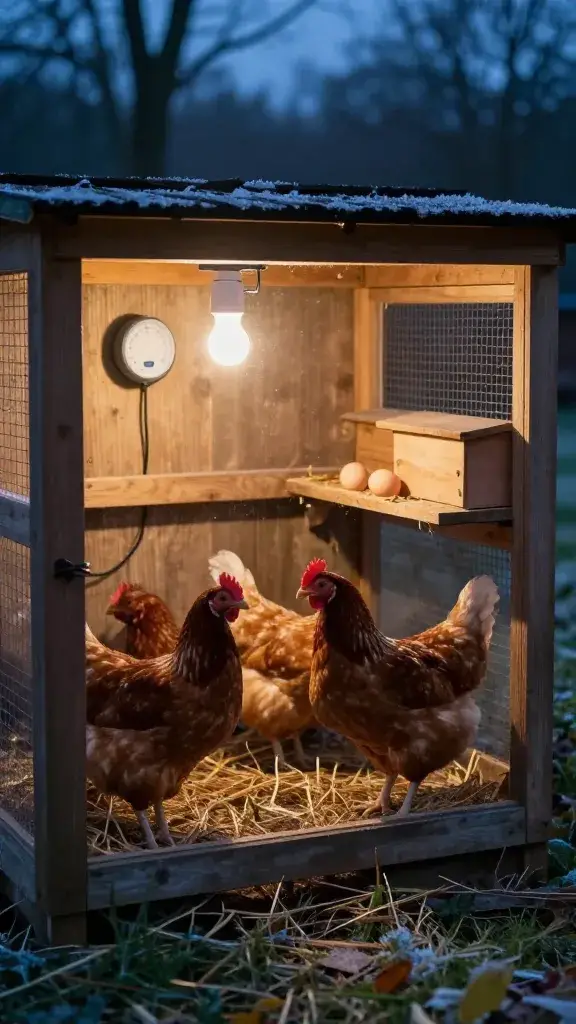
Short days equal short egg supply. Hens need around 14–16 hours of light to keep their internal egg machine humming. When daylight dips in fall and winter, your flock takes a natural break.
Quick Fix:
- Add a low-watt LED light on a timer, set for early morning hours to extend “daylight.”
- Keep it gentle—just bright enough to read by, not a spotlight concert.
- Start with 30-minute increments until you hit 14 hours total.
FYI: Don’t blast them with light overnight. Give them 8 hours of real darkness to rest. This tweak nudges production without stressing your birds, especially during the winter slump.
2. Weak Nutrition = Weak Production
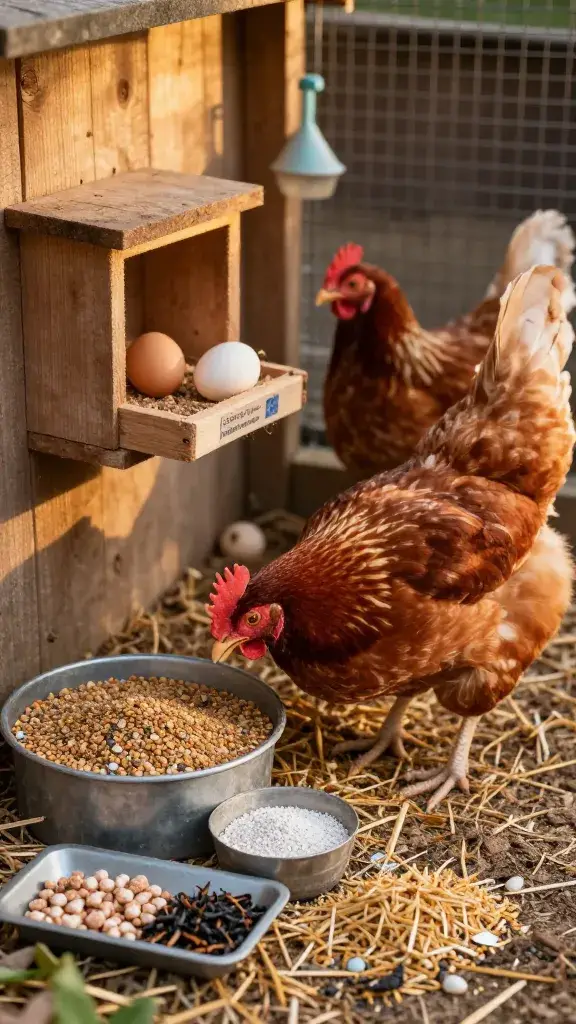
Eggs don’t appear from thin air. Hens burn protein, calcium, and energy like athletes, and a weak diet means fewer or shell-less eggs. Scratch grains and kitchen scraps don’t cut it alone.
What To Feed (For Real):
- 16–18% layer feed as the main course—no freeloading on scratch.
- Calcium source like oyster shell offered free-choice in a separate dish.
- Protein boost during molts or slumps: black soldier fly larvae, mealworms, or high-protein grower feed mixed 50/50 for 1–2 weeks.
Red Flags:
- Thin shells, wrinkled shells, or shell-less “rubber eggs.”
- Feathers look dull and ragged outside of molt.
Dial in their diet and you’ll see steadier laying, stronger shells, and happier birds. Plus, your yolks will glow like little suns—chef’s kiss.
3. Stress: The Egg Thief You Can’t See

Chickens hate surprises. A new dog, bullying flock mates, loud construction, or even a raccoon lurking can slam the brakes on laying. Stressed hens redirect energy from eggs to survival.
Chill-The-Flock Strategies:
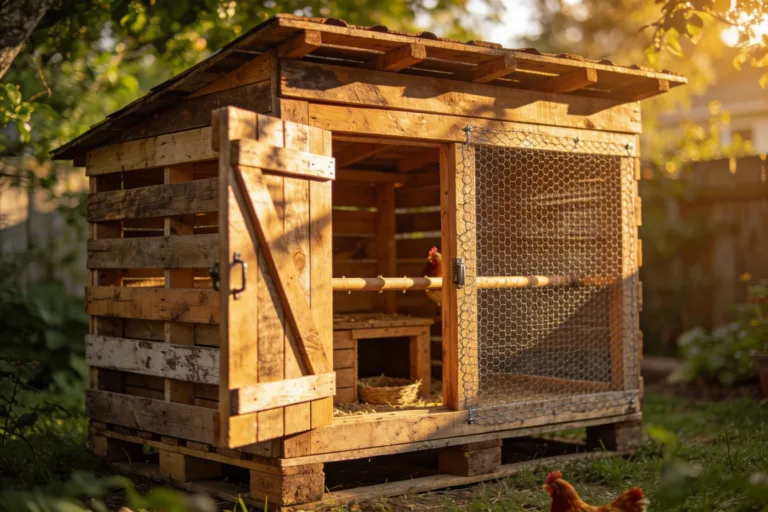
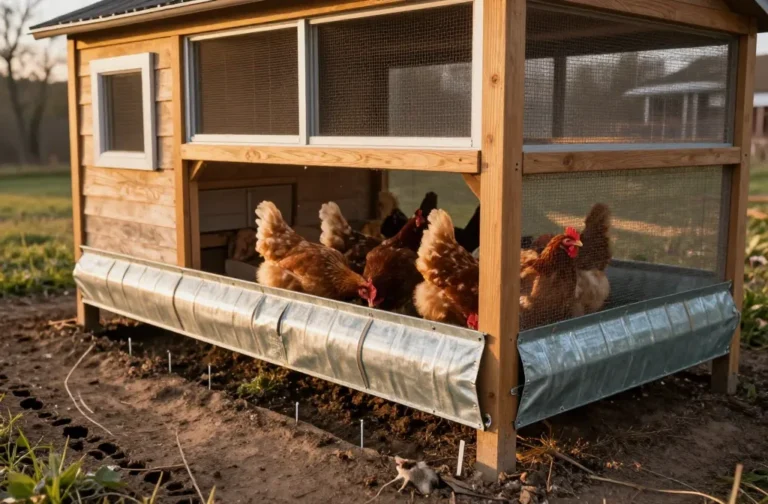
- Predator-proof the coop: hardware cloth (not chicken wire), solid latches, and night lighting outside the run.
- Reduce bullying with extra feeders, waterers, and at least 4 sq ft per bird in the coop and 10+ sq ft per bird in the run.
- Keep routines steady: same feeding times, same bedtime. Chickens love predictability.
When your flock feels safe and settled, they lay more consistently. Think calm Airbnb, not chaotic frat house.
4. The Great Molt Mystery (Feathers In, Eggs Out)
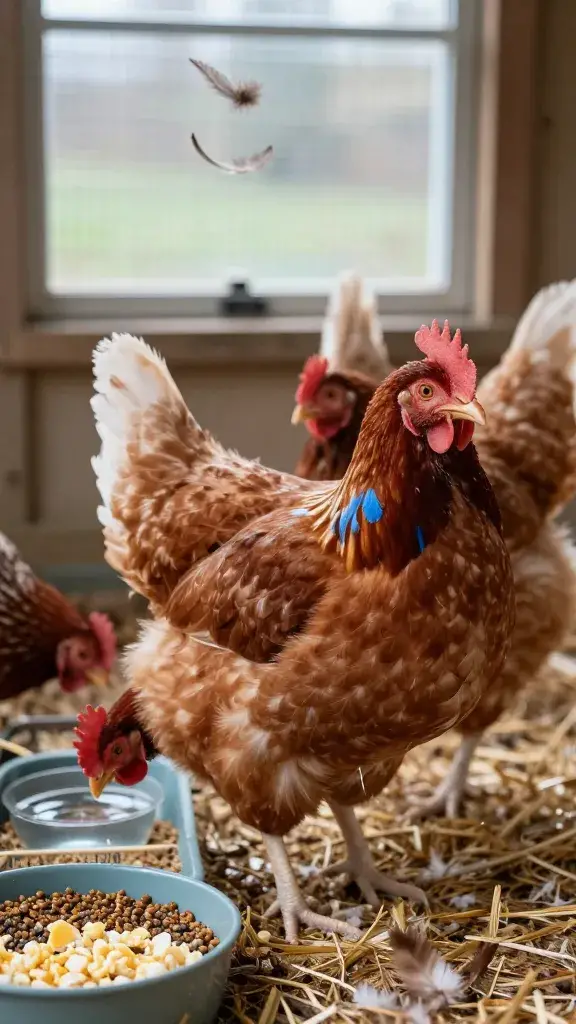
When hens molt, they swap feathers like they’re getting a new wardrobe—and it’s exhausting. During this 4–12 week period, laying usually pauses or slows. It’s normal, not a scandal.
How To Help Them Through:
- Boost protein to 18–20% with grower feed or protein treats (in moderation).
- No handling more than necessary—pin feathers hurt when touched.
- Clean, dry bedding and draft-free ventilation to prevent illness while they’re vulnerable.
Let the molt run its course. Support them, feed them well, and eggs will return, often with better shell quality afterward.
5. Hidden Nests And Egg Eaters (Plot Twist!)
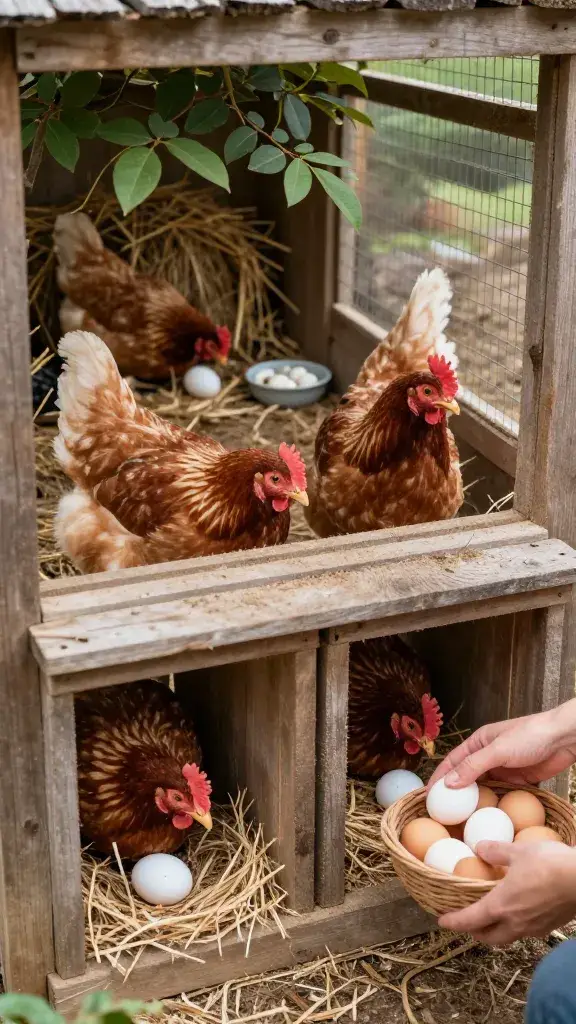
No eggs in the box? Sometimes they’re just not in the box. Hens love secret nesting spots under bushes, behind hay bales, or in that one impossible corner. Also, a bored or calcium-deficient hen might crack and eat eggs—oops.
Sleuth Mode: On
- Confine free-rangers in the run until mid-afternoon for a week to retrain nesting.
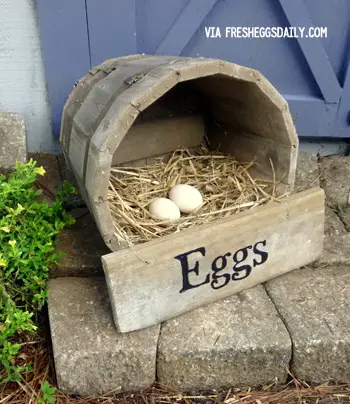
- Use fake eggs (ceramic or golf balls) in nest boxes to encourage laying in the right place.
- Collect eggs twice daily to stop egg eating before it becomes a habit.
- Darken nest boxes with curtains and add 3–4 inches of soft bedding.
If You Suspect Egg Eating:
- Offer oyster shell and high-quality feed to fix nutrient gaps.
- Roll-away nest boxes keep eggs out of pecking range.
- Check for serpents, rats, or crows—they love a free omelet.
Once your ladies associate the nest boxes with easy, comfy laying, you’ll get those eggs back where you want them.
6. Age And Breed: Biology Still Wins
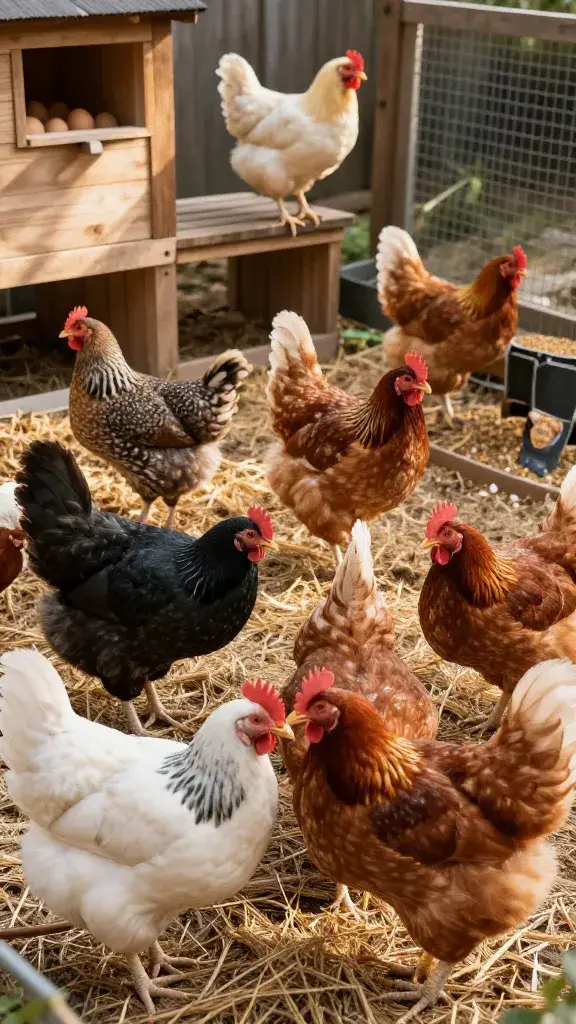
Some hens just hit their peak and cruise downhill from there. Most lay best in their first 1–2 years, then production dips 15–20% each year. Also, not all breeds crank out eggs equally.
Know Your Birds:
- High layers: Leghorn, ISA Brown, Hy-Line, Australorp.
- Dual-purpose/Moderate: Plymouth Rock, Rhode Island Red, Sussex, Orpington.
- Ornamental/Low: Silkies, Polish, Cochins—cute, but not egg-factory material.
Smart Flock Planning:
- Stagger ages: add a few new pullets each spring for rolling production.
- Track who’s laying with leg bands and a simple notebook or app.
- Decide on retirement plans for older hens—sanctuary status or rehoming, your call.
Picking the right breeds and balancing ages keeps the egg basket full long-term. IMO, a mixed flock gives you beauty and bounty.
7. Health Hiccups You Can’t Ignore
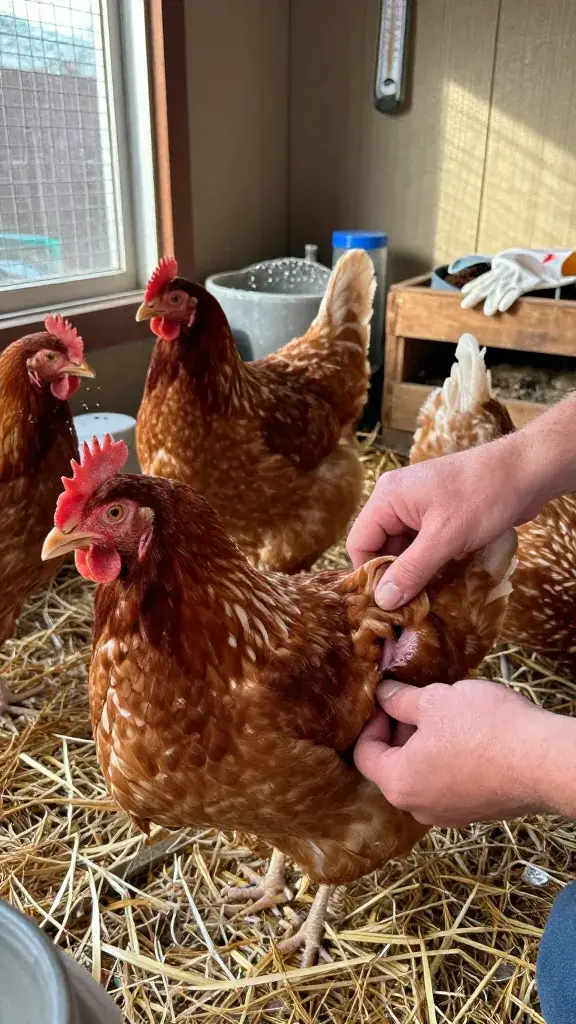
Even minor health issues can halt laying. Parasites, infections, dehydration, or heat stress steal energy your hens need for eggs. If several birds stop laying suddenly, investigate.
Common Culprits:
- External parasites: mites and lice cause itching, anemia, and laying drops. Check skin at night around vent and under wings.
- Internal worms: weight loss, diarrhea, pale combs—get a fecal test or use flock-safe dewormers under vet guidance.
- Respiratory issues: sneezing, bubbles in eyes, rattly breathing—improve ventilation and consult a vet if persistent.
- Heat stress: panting, wings out, droopy birds. Provide shade, electrolytes, and multiple water stations.
Coop Hygiene 101:
- Clean droppings weekly and deep-clean quarterly.
- Use dry, absorbent bedding like pine shavings; keep humidity down.
- Ventilate high on walls to remove ammonia without drafts at roost level.
Healthy birds lay better—simple as that. Catch small problems early and you’ll avoid long dry spells, seriously.
Ready to troubleshoot like a pro? Start with light and diet, then check stress, molt, and sneaky nests. Keep an eye on age and health, and you’ll turn the egg drought into a steady stream soon. You’ve got this—your breakfast depends on it, and so does your sanity.
Share this content: