Inside the Hive Honey Bees: Overview of Types, Life Cycle, Behavior and More
Honey bees don’t just make your toast taste better—they quietly keep entire ecosystems running. These tiny, fuzzy workers pollinate a third of the foods you love and do it with ruthless efficiency. They live in complex societies, communicate like dancers, and defend their homes with serious zeal. Ready to peek inside the hive and meet the cast? Let’s buzz in.
Meet the Honey Bee Cast
You’ll find three main roles inside a honey bee colony: queens, workers, and drones. It sounds like a medieval court, and honestly, it kind of is.
- Queen: The mother of the hive. She lays eggs—up to 1,500 per day during peak season—and emits pheromones that keep the colony organized. She doesn’t forage, build, or clean. Pure management.
- Workers: All female. They handle everything: nursing, building, guarding, foraging, cooling the hive, and even undertaker duty. If the hive had LinkedIn, workers would list 12 job titles.
- Drones: Male bees. Their main job is to mate with a virgin queen from another hive. No stingers, no foraging. They lounge, eat, and—if winter hits—often get kicked out. Brutal.
Honey Bees vs. Other Bees
Not all bees hoard honey like dragons. FYI:
- Honey bees (Apis mellifera): Social, live in large colonies, make surplus honey, and build wax comb.
- Bumblebees: Social but smaller colonies; make only small amounts of honey.
- Solitary bees (like mason and leafcutter bees): Don’t live in hives; great pollinators but no honey stash.
The Honey Bee Life Cycle
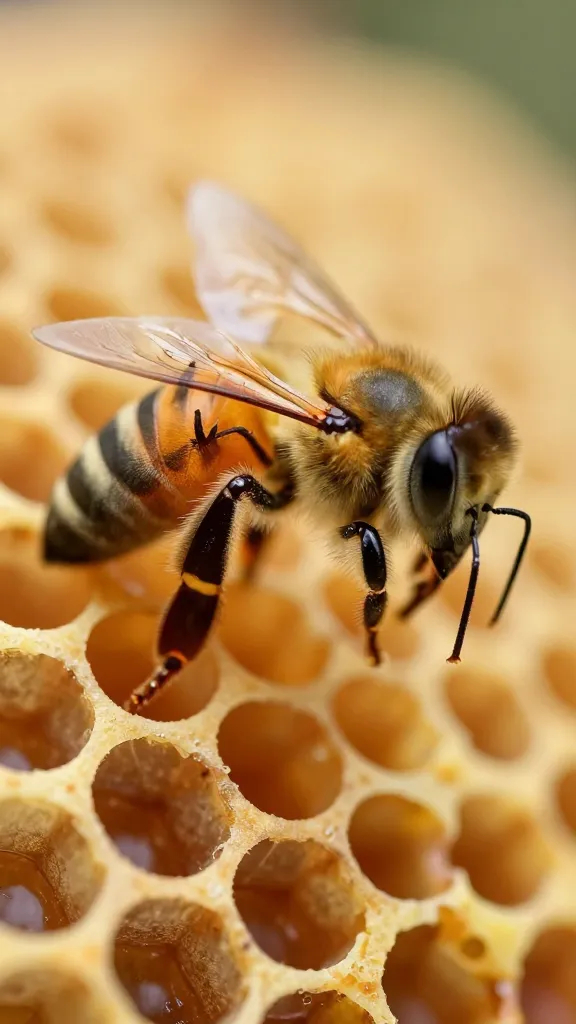
The life of a honey bee looks simple on paper but runs like a tight military schedule.
- Egg: The queen lays a single egg in each cell. After three days, it hatches into a larva.
- Larva: Nurse bees feed larvae royal jelly for a couple of days, then a pollen-honey mix (bee bread). Drones and workers follow this diet; future queens get royal jelly the whole time like royalty.
- Pupa: Bees cap the cell with wax. Inside, the larva transforms into a recognizable bee. Think of it as a tiny, miraculous remodel.
- Adult: Emerges ready to work—or in the drone’s case, ready to vibe and eventually fly out on mating flights.
Timelines by Caste
- Queen: ~16 days from egg to emergence. She mates once (with multiple drones), then lays eggs for life.
- Worker: ~21 days to emerge. Lives 6-8 weeks in summer; several months in winter.
- Drone: ~24 days to emerge. Lives until mating or until the colony downsizes.
Inside the Hive: Jobs and Daily Hustle
Workers rotate jobs based on age. No performance reviews, just instincts.
- Days 1-3: Cleaners – They scrub cells so the queen can lay again. Hygienic little legends.
- Days 4-10: Nurses – They feed and care for larvae. They can even raise a new queen if needed.
- Days 7-14: Builders and Receivers – Wax glands fire up; they make comb and process nectar into honey.
- Days 12-18: HVAC Team – They fan their wings to control temperature and humidity. Precision matters for brood health.
- Days 14-21: Guards – They sniff incoming bees. Wrong smell? No entry.
- Days 21+: Foragers – They collect nectar, pollen, water, and propolis (plant resin). It’s risky, so older bees take the gig.
How Bees Make Honey
It’s not magic; it’s chemistry.
- Foragers sip nectar and store it in a special honey stomach.
- Back at the hive, they pass nectar (mouth-to-mouth, charming) to house bees.
- Enzymes break down sugars; bees evaporate water by fanning until it thickens to honey.
- They seal finished honey with wax caps—nature’s Tupperware.
How Bees Communicate
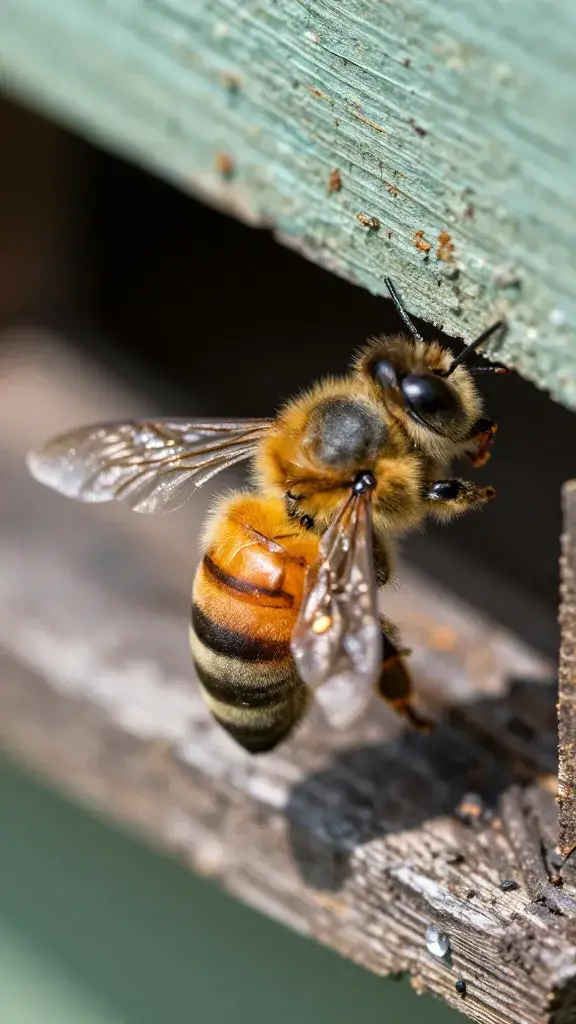
Bees don’t talk; they dance. Yes, literally.
- Waggle dance: A figure-eight shimmy that tells direction and distance to food. The angle shows direction relative to the sun; the waggle duration signals distance. GPS, but cuter.
- Nasonov pheromone: A “hey, over here!” scent marker used for orientation.
- Queen pheromones: Keep workers chill and coordinated. When the levels drop, workers start queen-rearing. Succession planning, bee-style.
Swarming: The Colony Reproduces
When a colony grows crowded or the queen’s pheromones weaken, they split.
- Prep: Workers raise new queens in larger “queen cells.”
- Move-out day: The old queen and about half the workers leave and cluster nearby.
- House-hunting: Scouts compare cavities (yes, they debate) and lead the swarm to a new home. IMO, this is one of nature’s coolest committee decisions.
What Bees Eat (and Why It Matters)
A strong pantry keeps a colony alive through winter and bad weather.
- Nectar becomes honey: energy source (carbs).
- Pollen becomes bee bread: protein, fats, vitamins—critical for brood.
- Propolis: Tree resin mixed with bee secretions; used to seal cracks and fight microbes. Bee duct tape with bonus antibacterial powers.
- Water: For cooling the hive and diluting honey for brood food.
Seasonal Rhythm
- Spring: Build-up—brood explodes, swarming risk rises.
- Summer: Peak foraging and honey production.
- Fall: Bees backfill cells with honey and eject drones to conserve resources. Sorry, fellas.
- Winter: Cluster together, vibrate to stay warm, and eat stored honey. The queen lays minimally.
Threats and How Bees Cope
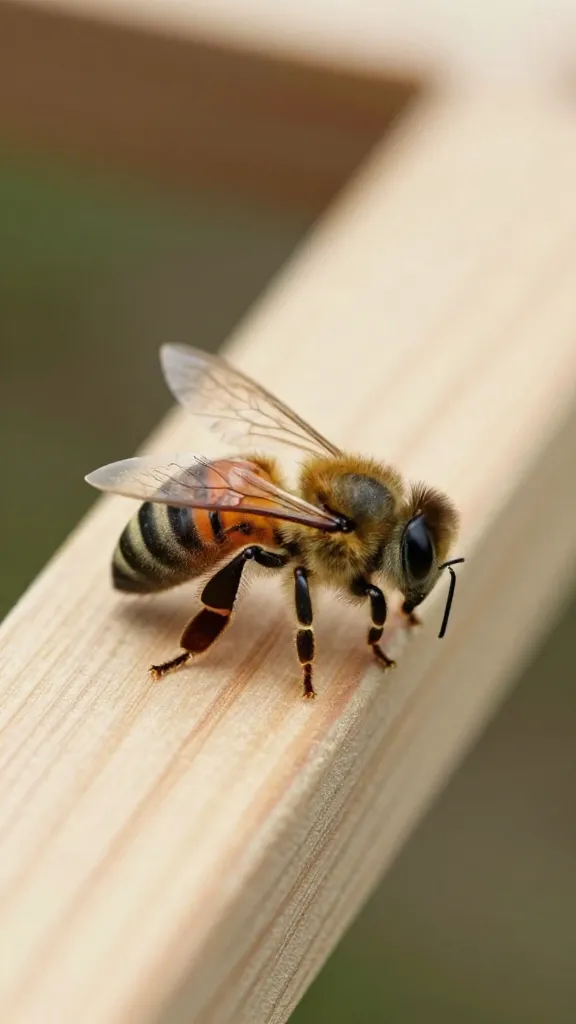
Bees don’t just face weather and hunger. They battle a rogues’ gallery.
- Varroa destructor mites: Tiny vampires that spread viruses. Beekeepers monitor and treat or the colony crashes.
- Pesticides: Can disorient foragers and weaken immunity. Timing and type matter a lot.
- Habitat loss: Fewer diverse flowers means weaker nutrition and immunity.
- Diseases: American foulbrood, Nosema, and more. Hygiene behaviors help, but not always enough.
- Climate weirdness: Early blooms or long droughts mess with timing and stores. Bees adapt, but stress adds up.
How You Can Help
Small actions stack up. Consider:
- Planting bee-friendly flowers with overlapping bloom times.
- Skipping chemicals or spraying at night when bees stay home.
- Providing shallow water with pebbles for safe sips.
- Supporting local beekeepers who practice responsible hive management.
Working With Bees: Beekeeper Tips (Without Getting Stung—Much)
Want a hive? Start with realistic expectations and good habits.
- Start small: One or two hives lets you learn without chaos.
- Use gentle stock: Queens bred for temperament reduce drama.
- Inspect smart: Quick, focused checks. Move slowly. Squish fewer bees = fewer angry bees.
- Feed when needed: During early spring or dearths, sugar syrup or pollen patties can save the colony.
- Monitor Varroa: Test and treat as recommended. Hope is not a strategy.
FAQ
Do all bees make honey?
Nope. Honey bees make surplus honey for winter stores, which lets beekeepers harvest it. Bumblebees and most solitary bees do not store large amounts of honey, even though they pollinate like champs.
How far do honey bees forage?
They usually forage within 1-2 miles of the hive, but they can go up to 5 miles if needed. Longer flights cost more energy, so good forage nearby keeps colonies stronger and happier.
Can a colony survive without a queen?
Not for long. Without a queen’s eggs and pheromones, the workforce ages out and the colony collapses. Workers can raise a new queen if they have young larvae, so timing is everything.
Do honey bees sting and die every time?
Workers have barbed stingers that stick in thick skin, so they usually die after stinging mammals. They can sting other insects multiple times. Drones can’t sting at all; queens can sting but rarely do unless dueling other queens. FYI, scraping out the stinger fast reduces venom dose.
Is raw honey better than processed honey?
Raw honey keeps more aroma compounds, pollen, and enzymes. Many people prefer its flavor and variety. Processed honey gets heated and filtered for clarity and shelf stability. Choose what you like, but IMO, local raw honey tastes superior.
Why do bees swarm on trees or fences?
That’s a colony splitting to reproduce. The cluster protects the queen while scouts find a new home. They usually leave within hours or a few days. They’re mostly gentle during swarms, so admire from a distance and call a local beekeeper if needed.
Conclusion
Honey bees run a surprisingly sophisticated society powered by teamwork, chemistry, and dance moves. They build homes from wax, turn flowers into liquid gold, and pollinate a huge slice of our food. Show them some love—plant diverse flowers, go easy on the sprays, and support good beekeeping. In return, they’ll keep the world blooming (and your tea sweet).
Share this content: