How to Start a Raised Bed Garden at Home Step by Step Fast
You want fresh tomatoes, crunchy cucumbers, and herbs that don’t taste like they traveled by cargo ship? Build a raised bed and skip the guesswork of sad soil and mystery weeds. It’s beginner-friendly, quick to set up, and wildly satisfying. By the time you read this, you’ll have a game plan and the confidence to start. Ready to turn that patch of yard (or patio) into your favorite place?
Pick the Perfect Spot
Location makes or breaks a raised bed. Plants are basically sun-powered, so you need at least 6–8 hours of direct sunlight a day. Set your bed where you can actually reach it easily—if you have to trek across the yard, you’ll procrastinate watering (we all do).
- Sun: Aim for morning-to-midday sun. Afternoon shade helps in super hot climates.
- Water: Place it near a hose or rain barrel. Dragging hoses = zero fun.
- Drainage: Avoid low spots where water pools. Raised beds drain well but don’t test fate.
- Access: Leave space to walk around the bed. Your knees and back will thank you.
Pro tip: Orientation
If you can, run the long side east–west to spread light more evenly across plants. Not a dealbreaker, just a nice-to-have.
Choose Your Bed Style and Size
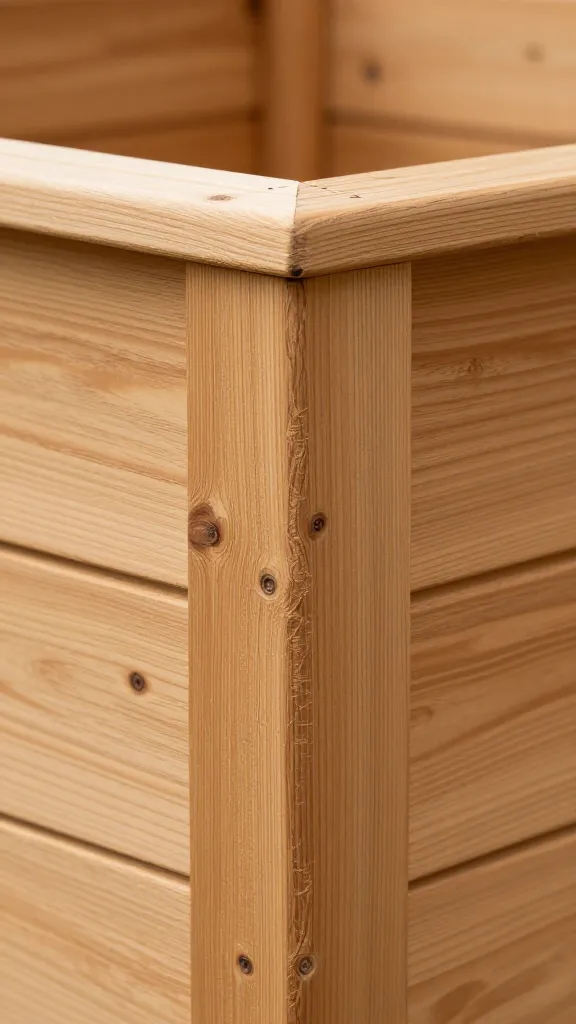
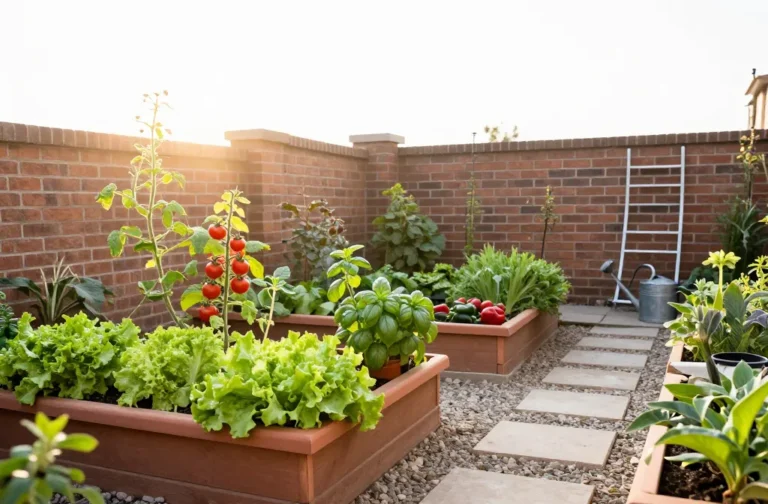
No need to over-engineer. Pick a simple rectangle and you’re 90% there. For most people, a 4 ft x 8 ft bed hits the sweet spot—roomy but still reachable from both sides.
- Width: 4 feet max so you can reach the center without stomping your soil.
- Length: 6–12 feet works great. Go longer if you want, just keep access in mind.
- Height: 10–12 inches is standard. Go 18–24 inches if you want fewer weeds, warmer soil, and comfier gardening (IMO, worth it).
Materials: What to Build With?
You’ve got options—from budget to bougie:
- Untreated pine/fir: Cheap, easy, lasts 3–5 years. Great starter choice.
- Cedar/redwood: Naturally rot-resistant, lasts 10+ years. Pricey but pretty.
- Composite boards: Durable, clean look, won’t rot. Heavier on the wallet.
- Blocks/bricks: Sturdy, modular, permanent vibe. No carpentry required.
- Galvanized steel: Sleek, long-lasting, warms up fast in spring.
FYI: Modern pressure-treated lumber is generally garden-safe. If you still feel weird about it, line the inside with a heavy-duty landscape fabric.
Build It: Simple Assembly
You don’t need a workshop. You need boards, screws, and a drill. That’s it.
- Cut boards: Two long sides, two short. Most big-box stores cut for you—ask nicely.
- Screw corners: Use 2.5–3 inch exterior screws. Add corner braces or stakes for strength.
- Level the ground: Scrape grass flat-ish. Perfection not required.
- Set the frame: Check it’s square. Hammer in stakes at corners if needed.
- Weed barrier (optional): Lay cardboard to smother grass. Avoid plastic; you want drainage.
Shortcuts
Not into cutting wood? Buy a raised bed kit. It’s basically grown-up LEGO, no shame.
Fill It: Soil That Actually Grows Stuff
Here’s where the magic happens. Raised beds love a loose, rich mix that drains well and feeds plants. Do not shovel straight yard soil into your bed—it compacts and turns to concrete when dry.
The Classic Mix
Aim for this simple blend by volume:
- 40% compost (bagged or homemade—mix types if you can)
- 40% high-quality topsoil (screened, not clumpy)
- 20% aeration material like coarse sand, perlite, or pine bark fines
The No-Fuss Option
Use a mix of raised bed soil + compost from the garden center at a 60/40 ratio. Add slow-release organic fertilizer at planting time. Done.
Depth Matters
Most veggies grow well with 10–12 inches of good soil. Root crops and tomatoes appreciate deeper beds or loosened native soil underneath.
Plan Your Plants (Without Chaos)
You can grow almost anything in a raised bed, but don’t crowd like it’s a concert. Space matters. Choose plants that love the same conditions and won’t fight for elbow room.
Great Beginner Combos
- Salad bar: Lettuce, spinach, radishes, and green onions.
- Pizza garden: Tomatoes, basil, oregano, and peppers.
- Stir-fry squad: Bok choy, carrots, snow peas, cilantro.
Spacing Cheat Sheet
- Tomatoes: 18–24 inches apart, cages or stakes needed.
- Peppers/eggplant: 12–18 inches apart.
- Leafy greens: 6–8 inches apart or harvest baby leaves tighter.
- Root veggies: Thin seedlings to give them room. Crowded roots = tiny carrots.
Pro tip: Put tall plants on the north or west side so they don’t shade the shorties.
Planting: Seeds vs. Starts
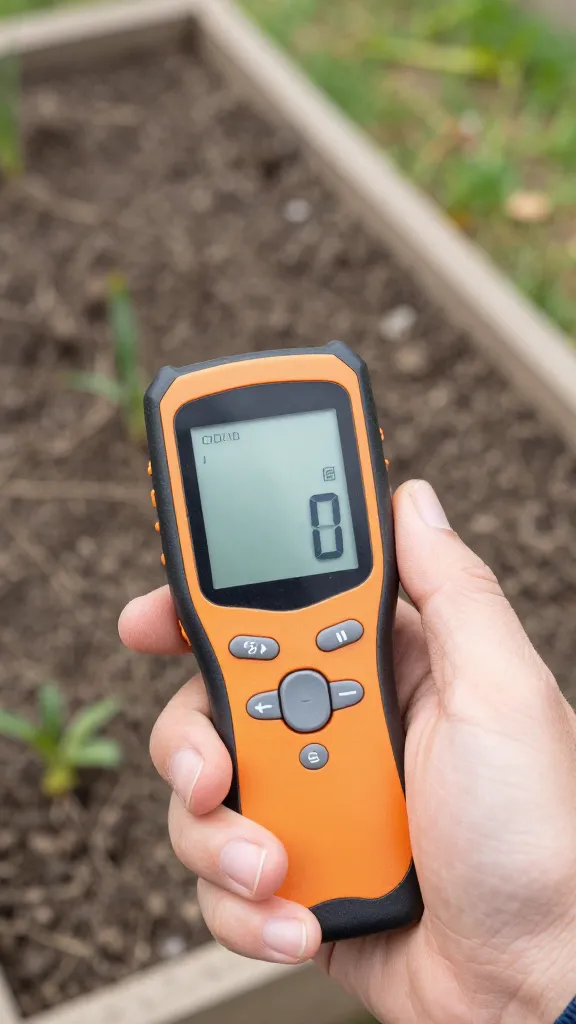
You can drop seeds in the bed or buy baby plants (starts). Both work. IMO, seeds for greens and roots, starts for tomatoes and peppers.
- Check timing: Look up your USDA hardiness zone and last frost date.
- Warm the soil: If it’s chilly, wait or use black plastic for a week to preheat.
- Plant seeds: Follow the packet depth (usually 2–3x the seed’s width).
- Transplant starts: Water them first, then plant at the same depth (tomatoes are the exception—you can bury the stem).
- Mulch right away: Add a 1–2 inch layer of straw, shredded leaves, or fine bark. It locks in moisture and blocks weeds.
Watering, Feeding, and Easy Upkeep
You built it. Now keep it thriving with a few simple habits.
Watering That Works
- Deep and less often: Aim for 1–1.5 inches per week, more in heat waves.
- Morning routine: Water early so leaves dry fast. Fewer diseases, happier plants.
- Drip or soaker hoses: Set and forget. Hand-watering is zen, but… life.
Feeding Plants
- Mix in a balanced organic fertilizer at planting (something like 4-4-4).
- Side-dress heavy feeders (tomatoes, squash) mid-season with compost or fish fertilizer.
- Leafy greens like a little extra nitrogen. Don’t overdo it or you’ll get leaves, not fruit.
Support and Protection
- Stake/cage early: Install supports when you plant to avoid root damage later.
- Cover crops with mesh or netting to block pests like cabbage moths and birds.
- Rotate crops yearly to reduce disease and soil fatigue. Tomatoes after beans? Chef’s kiss.
Common Mistakes (And Easy Fixes)
- Overcrowding: Plants need space. Follow spacing or harvest smaller and earlier.
- Shallow soil: If plants look stunted, add more mix next season and loosen underlayer.
- Under-watering: Droopy by noon? Increase watering or add mulch. Simple.
- Ignoring pH: Most veggies like pH 6.0–7.0. If growth stalls, test and amend with lime (raise pH) or sulfur (lower pH).
FAQ
How many bags of soil do I need for a 4×8 bed?
Calculate volume: length x width x height. For a 4 ft x 8 ft x 1 ft bed, that’s 32 cubic feet. Most bags list cubic feet or liters. You’ll need roughly 32 cubic feet, which is about 1.2 cubic yards. Mix compost, topsoil, and aeration materials to hit that total.
Can I put a raised bed on concrete or a patio?
Yes, totally. Use a bottom liner with drainage holes and go deeper (12–18 inches). Add a layer of coarse material at the bottom for drainage, then your soil mix. Water more consistently since it dries faster on hard surfaces.
Do I really need mulch?
If you like fewer weeds, steadier moisture, and happier plants—yes. Mulch also keeps soil cooler in summer and warmer in spring. Use straw, shredded leaves, or fine bark. Skip dyed wood chips in veggie beds, IMO.
What should I avoid planting together?
Avoid mixing tall, sun-hogging plants with delicate shade lovers. Keep fennel on its own—it bullies neighbors chemically. Don’t plant heavy feeders (tomatoes, corn) all bunched together without extra compost.
How long will a wooden raised bed last?
Untreated pine lasts around 3–5 years. Cedar or redwood can go 10+ years. Extend life by lining inner walls with landscape fabric, keeping soil level just below the top edge, and avoiding constant sprinkler spray on the wood.
Do I need landscape fabric under the bed?
Not necessarily. I prefer cardboard—it blocks weeds, then breaks down and improves soil life. Use fabric only if you battle aggressive perennials like Bermuda grass or bindweed.
Conclusion
You don’t need acres, fancy tools, or a farming degree to grow great food—just a sunny spot, a simple frame, and good soil. Start small, plant what you love to eat, and tweak as you go. Your future self will brag about those tomatoes, FYI. Now grab some boards and compost and make it happen.
Share this content: