How to Handle Noisy Chickens Without Losing Your Mind
Some chickens whisper. Yours probably don’t. When hens gossip like they’re running a 24/7 talk show and your rooster thinks dawn starts at 3:47 a.m., you need a plan. Good news: you can reduce the racket without turning your coop into a silent monastery.
First, figure out why they’re loud
You can’t fix noise if you don’t know the cause. Chickens yell for reasons: hunger, predators, boredom, overcrowding, bullying, egg-laying drama, or that classic rooster ego. Start with a quick audit.
- Food and water: Keep feeders and waterers full and clean. Hungry birds complain. Thirsty birds complain louder.
- Predator pressure: Hawks circling? Raccoon sniffing around? Chickens sound alarms like tiny feathered car alarms.
- Space and pecking order: Crowding turns your flock into a reality show. More space = fewer squabbles.
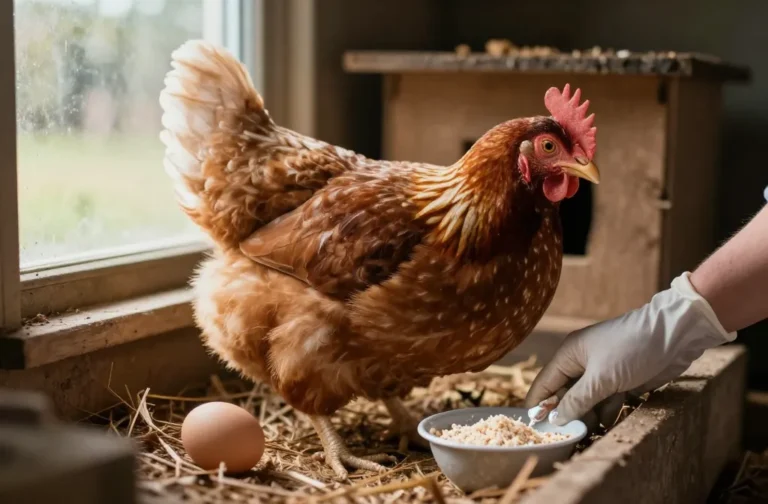
- Egg-laying routine: The “egg song” is real. Some hens celebrate every egg like they won the lottery.
- Rooster behavior: Roosters crow. A lot. You can manage it, but you won’t stop it completely.
Quick diagnostic checklist
- Do they go quiet after you feed or free-range them? Then hunger or boredom triggered the noise.
- Do they stare at the sky while yelling? Predator alert.
- Do you see feather damage or chasing? Bullying and stress.
- Is the noise clustered in the morning and mid-morning? Egg cycle timing.
Fix the basics: housing, space, and routine

You don’t need a chicken palace. You need a coop that meets their needs every day. Boring? Yes. Effective? Absolutely.
Space: Aim for 4 square feet per bird inside the coop and 10 square feet per bird in the run. More if they can’t free-range.
Ventilation: Fresh air reduces stress and heat. Hot, stuffy coops crank up grumpiness (and volume).
Roosts and nesting boxes: Provide 1 foot of roost space per bird and 1 nest box per 3-4 hens. Overcrowded nests = soap opera screeching.
Predictable schedule: Feed, open the run, and collect eggs at consistent times. Chickens love routine like toddlers with feathers.
Noise-friendly coop tweaks
- Solid walls reduce sound vs. wire-only runs.
- Plant barriers (bamboo, hedges) or fences reflect noise and block predator views.
- Rubber mats on coop floors absorb sound and make cleaning easier.
Beat boredom before it starts
Chickens yell when bored. Think enrichment, not punishment. Make their little bird brains work.
- Forage time: Toss scratch or mealworms into leaf litter or straw. They dig, they focus, they hush.
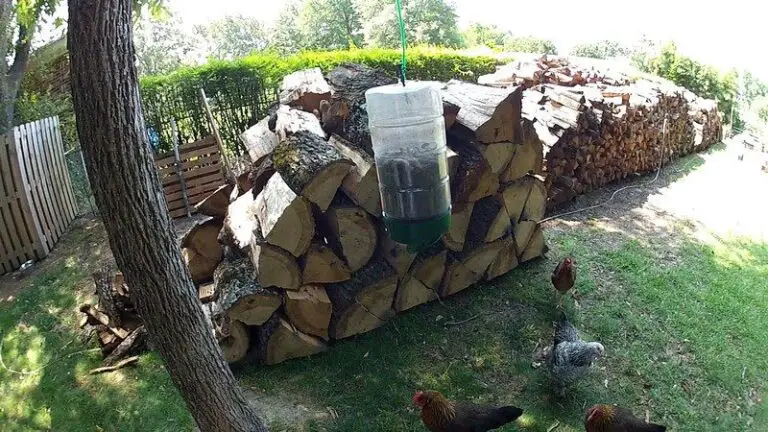
- Hanging treats: Cabbage balls, lettuce heads, or DIY treat blocks keep them busy.
- Perches and platforms: Stumps, ladders, and logs add interest and reduce pecking.
- Dust bathing zone: A shallow tub with sand, soil, and wood ash = spa day and chill vibes.
Smart feeding tricks
- Slow-feeders or scatter feeding stretches mealtime and cuts begging.
- Greens in the afternoon keep birds occupied during the “we’re bored now” window.
- Don’t overdo scratch: It’s candy, not dinner. Balanced feed = better behavior.
Manage rooster volume (without losing your mind)

Roosters crow for territory, light changes, doors opening, and because they just remembered they’re roosters. You can tone it down, but be realistic. IMO, if you have noise-sensitive neighbors, consider a hen-only flock.
- Limit early light: Block dawn light in the coop with solid walls and blackout panels while maintaining ventilation. Open at a reasonable hour.
- Smaller, lower roosts for roosters: Some crow less when they can’t get a high lookout post.
- Rooster ratio: One rooster per 8–12 hens. Extra roos = chest-thumping contests at 5 a.m.
- Separate sleeping crate: A darkened, ventilated crate in a garage or shed can delay the first crow.
What not to do
- No collars or tight devices that restrict the airway. Unsafe, controversial, and often ineffective.
- No punishment: Yelling at a rooster makes you the rooster. He’ll accept your challenge. You will not enjoy the outcome.
Reduce stress: fix the pecking order drama
Stressy flocks yell. Sometimes it’s not noise; it’s a cry for help. Watch for feather loss, chasing, or a bird hiding in corners.
- Introduce new birds slowly: Use a see-but-no-touch setup for a week.
- Provide multiple feeding and watering stations so bullies can’t gatekeep.
- Add distractions during integration: extra treats, new perches, a bale of straw to shred.
- Pull aggressive offenders for a few days to reset the hierarchy.
Predator-proofing = peace and quiet
Fear makes noise. Secure the coop and the flock chills out.
- Half-inch hardware cloth on all openings (not flimsy chicken wire for predator areas).
- Lock doors every night; use predator-proof latches.
- Cover runs or add overhead lines to deter hawks.
- Motion lights outside the coop to spook night visitors.
Time your human activity wisely

Chickens hype up when you appear, because snacks. You can use that to your advantage.
- Do chores when neighbors aren’t sleeping: Refill feeders and collect eggs after 8 a.m., not sunrise.
- Keep mornings calm: Avoid sudden noises, barking dogs, or slamming doors.
- Close the coop at dusk after everyone roosts. They settle faster with fewer disturbances.
Neighbor diplomacy (yes, it matters)
A friendly chat beats a complaint letter every time.
- Give them eggs. Bribery? Sure. Effective? Very.
- Share your quiet-hours plan and stick to it.
- Post your contact info so they message you, not animal control, if something goes wild at 4 a.m.
Sound buffering: make your yard do the work
You can nudge physics on your side. No need for a recording studio, just smart layers.
- Soft landscaping: Hedges, shrubs, and dense plants absorb and scatter sound better than fences alone.
- Staggered barriers: Fence + shrubs + coop wall = multiple breaks in a sound wave, which reduces volume at the property line.
- Coop placement: Tuck it behind a shed or garage, not pointed at your neighbor’s bedroom window. FYI, a 30–50 ft shift can help a lot.
Training and positive reinforcement (yes, chickens learn)
You won’t teach a hen to whisper, but you can shape flock behavior with timing and rewards.
- Reward quiet moments: Walk up and toss treats when the flock chills. They start associating calm with snacks.
- Ignore attention-seeking squawks if you know everyone’s safe, fed, and watered. Don’t reinforce noise.
- Clicker or cue word: Some folks pair a sound with treats during quiet periods. Over time, the cue helps settle them. Silly? Maybe. Effective? Often.
FAQ
Do certain breeds make less noise?
Yes. Some breeds trend quieter, like Brahmas, Orpingtons, Australorps, and Cochins. Lighter, high-energy breeds (Leghorns, Hamburgs) usually run chattier. Individual personality still matters, IMO, so don’t expect total silence from any bird.
Can I stop my hens from singing the egg song?
Not entirely. It’s a natural behavior. You can reduce the volume with more nest boxes, better privacy (curtains on nests), and a calm, predictable routine. Also, collect eggs regularly so no one queues outside and yells about it.
What time do roosters usually start crowing?
Often 1–2 hours before sunrise, sometimes earlier if they sense light or noise. Keep the coop dark and quiet until a set time, and you can shift the “start” later. It won’t silence him permanently, but it cuts the worst pre-dawn blasts.
Are noise-reducing rooster collars safe?
I don’t recommend them. They restrict expansion of the neck and can harm breathing or cause injuries. Focus on coop light management, housing, and flock ratios. If noise still causes conflict, consider rehoming the rooster and keeping hens only.
Will free-ranging make my flock quieter?
Usually, yes. Foraging burns energy and reduces boredom yelling. If predators pose a real risk, try supervised free-range sessions or a larger, enriched run. The key is giving them something to do besides filing noise complaints with you.
Could health issues make chickens loud?
Definitely. Pain, heat stress, mites, or illness can spark restless, distressed vocalizing. Check body condition, comb color, breathing, and droppings. If something feels off, isolate the bird and consult a poultry-savvy vet.
Conclusion
You won’t mute chickens, but you can turn the volume down a few notches. Nail the basics—space, food, light, and safety—then layer in enrichment, smart coop placement, and neighbor diplomacy. A calmer flock means fewer 6 a.m. drama solos and a happier you. And if a hen still brags after laying? Let her. She did just produce breakfast, after all.
Share this content: