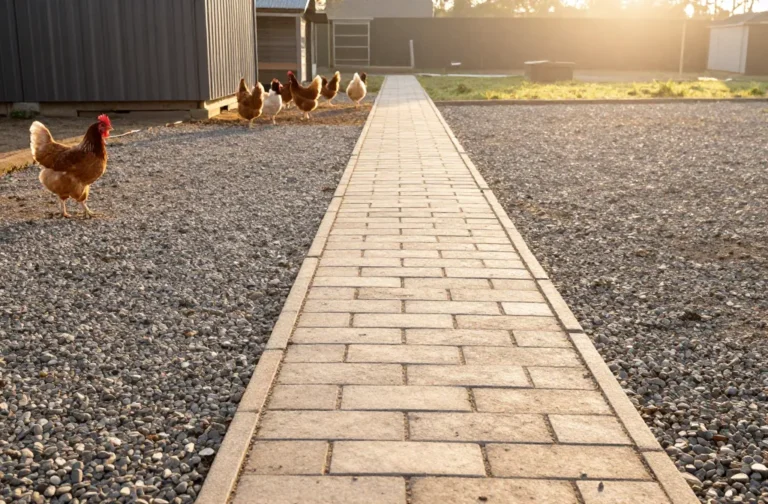
How to Handle Aggressive Rooster?
Roosters look majestic strutting across the yard—until one decides your kneecap needs a lesson in humility. If your bird charges, flaps at your face, or sneaks up ninja-style, you’re not imagining it: that’s aggression. The good news? You can fix most of it. The better news? You can do it without turning your back into a pin cushion.
Why Roosters Get Aggressive (And What He’s Actually Saying)
Roosters don’t wake up and choose violence for fun. They guard territory, protect hens, and compete for status. When he charges, he’s saying, “Back off my ladies,” or “I outrank you.”
Common triggers:
- Hormones and age: Young roosters (5-10 months) hit puberty and go spicy fast.
- Too many roosters: Competition turns even chill birds into jerks.
- Human behavior: Running, bending over hens, or cornering birds can look threatening.
- Handling history: Rough handling or chasing creates a grudge.
Read his body language. Tall posture, hackle feathers up, side-stepping, and wing drops mean, “I’m about to test you.” Take it seriously before spurs get involved.
Rule One: Safety First (Yours and Everyone Else’s)

You can’t retrain a rooster if he terrifies you. Set yourself up to win.
- Wear armor-lite: Long pants, sturdy boots, maybe shin guards if he’s dedicated to chaos.
- Carry a barrier: A bucket, feed scoop, or small rake—something you can place between you and him.
- Keep kids and guests out during training. FYI, toddlers scream and run—that’s rooster fuel.
- Never turn your back on a known attacker. Walk away facing him.
Establish Calm Dominance (Without Being a Jerk)
You don’t need to “fight” your rooster. You need to show you control the space and resources—calmly, confidently, consistently.
- Own the walkway: If he blocks you, walk straight and make him move. Use your bucket as a gentle shield. Don’t kick, swat, or chase.
- Control the food: Feed hens first, then him. Make him wait a few seconds with you standing nearby. He learns: you set the terms.
- Space pressure: Step toward him to make him yield a few feet, then relax. Repeat. He’ll start respecting your bubble.
- No cuddles for Mr. Spicy: Over-handling can confuse boundaries. Let him be a rooster, not a lap pet, until behavior improves.
What If He Charges?
Meet the charge with a calm block. Plant your bucket or rake between you and him, step forward, and make him back off a few steps. Hold the line for a beat, then go about your business. You’re teaching: attacks don’t work, and you don’t run.
Timing Matters
Train when he’s alert but not frantic—morning or late afternoon. End sessions on a win, even a small one, like him yielding space.
Fix the Flock Dynamics
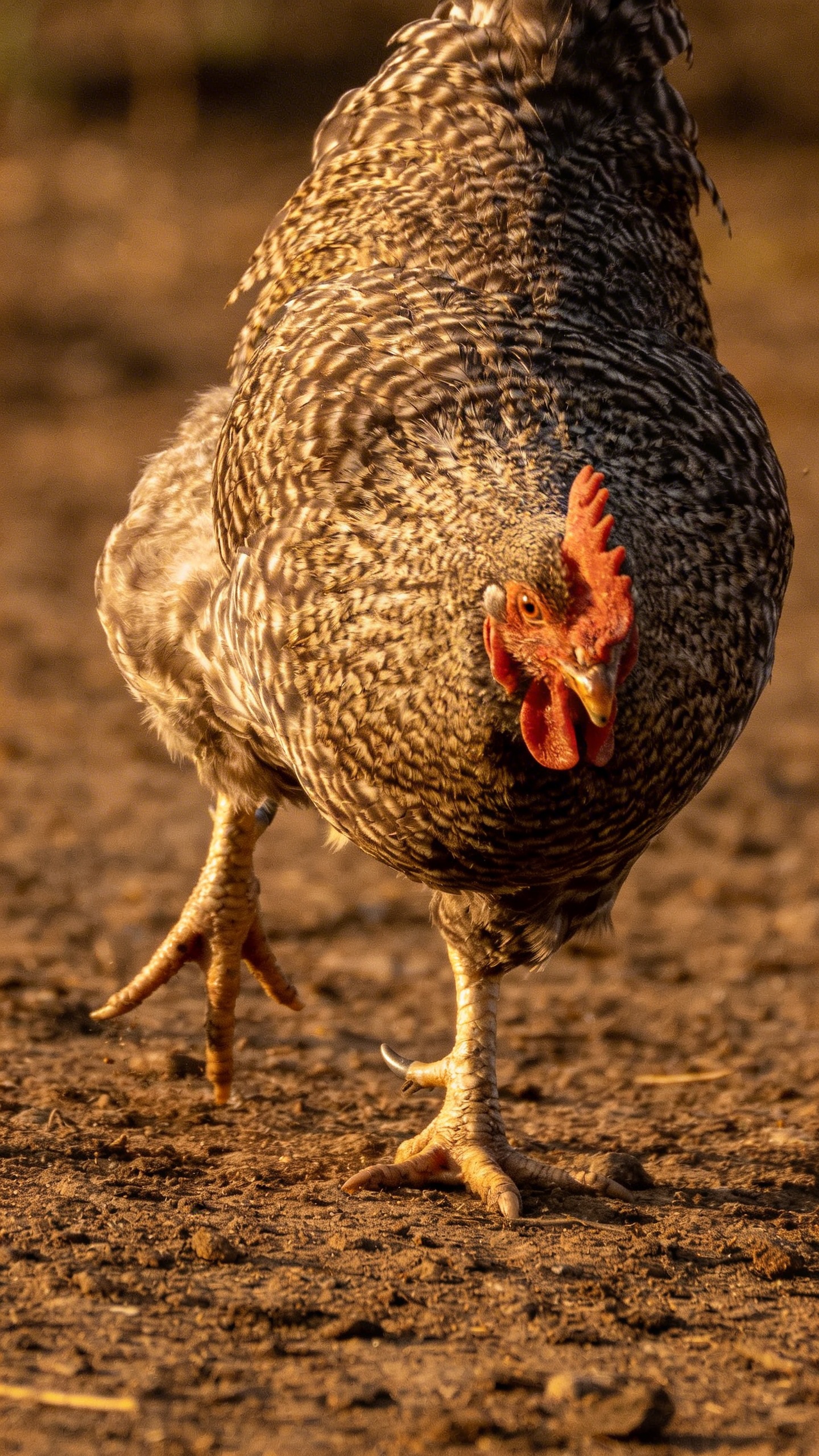
Sometimes the rooster misbehaves because the setup stinks. Don’t train in a broken environment.
- Ratio check: Aim for 1 rooster per 8-12 hens. Too many roosters equals chaos.
- Space: At least 4 sq ft per bird in the coop and 10+ sq ft in the run (more is better). Crowding fuels aggression.
- Line of sight: Provide perches, shrubs, or panels so birds can get away and calm down.
- Separate teenagers: Cockerels hit puberty and lose their minds. IMO, raising young roosters separate until they stabilize helps a lot.
Quarantine the Hothead (Temporarily)
A short “time-out” in a nearby pen can reset behavior. A few days of separation lowers hormones and gives you space to handle chores without drama. Reintroduce calmly, supervise, and repeat boundary training. Don’t isolate long-term without enrichment—stress can make him worse.
Hands-On Techniques That Actually Work
You’ll hear wild advice online. Let’s separate useful from unhelpful.
- The scoop-and-stand: If he attacks, calmly pick him up (secure wings), hold him at your side, and walk the yard for a few minutes. Set him down when he’s calm, not when he’s thrashing. You’re showing control without harm.
- The redirect: Keep a small handful of scratch. If he tailgates you, toss it away from you to redirect focus. Pair with a firm “Back.” Use sparingly so he doesn’t learn to harass you for snacks.
- Target training: Use a stick or your boot as a target. Reward him when he maintains distance. Yes, chickens can learn this. It’s nerdy, but effective.
Avoid These (Seriously)
- Never kick or hit. You’ll break trust and possibly bones.
- Don’t run. Running tells him he wins.
- Don’t stare him down inches from his face. That reads as a challenge, not leadership.
- No water blasting. It often amps him up and creates fear, not respect.
Breed Temperament, Individual Quirks, and When to Rehome
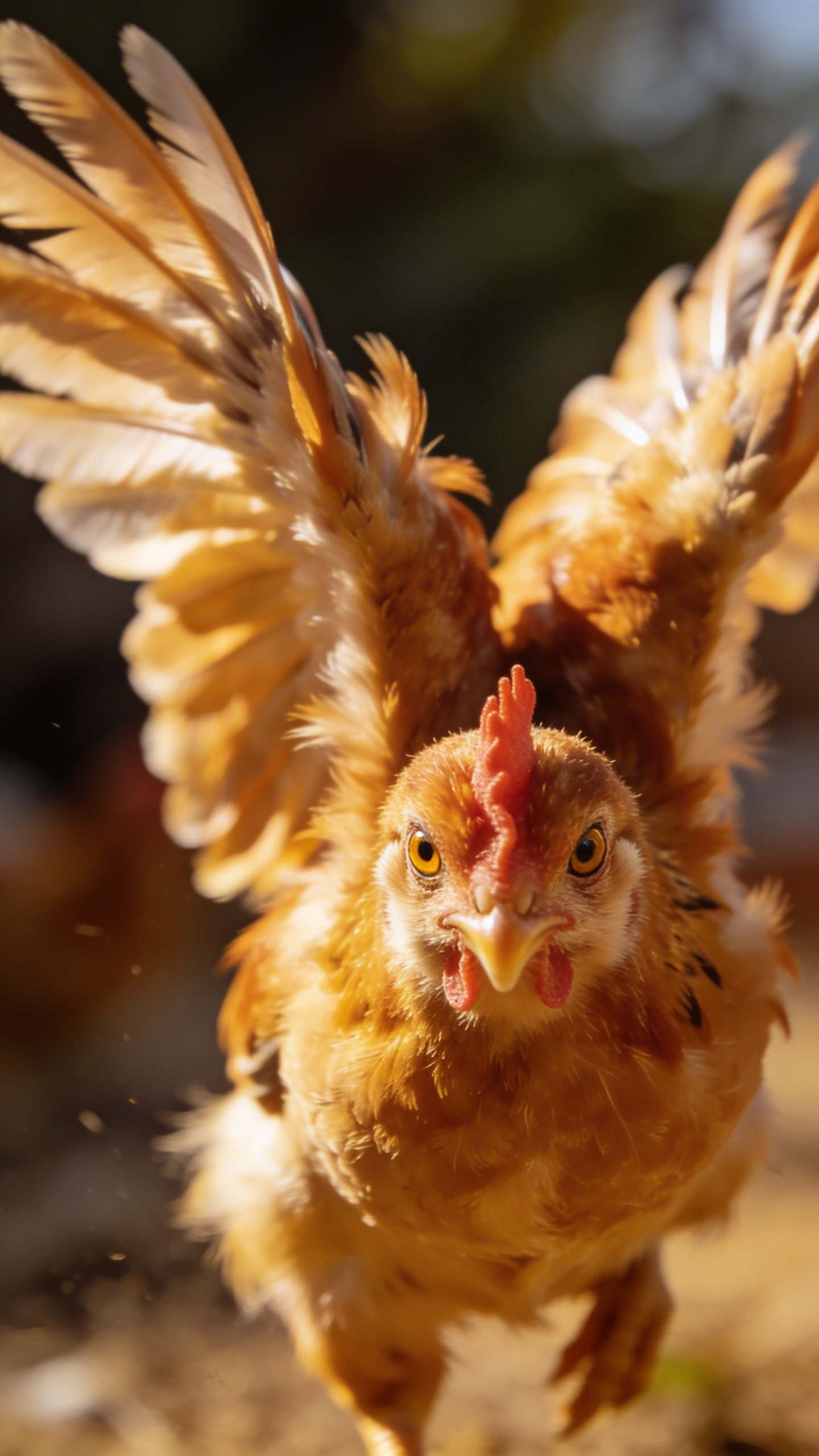
Some breeds trend calmer, but individuals vary a ton. I’ve met sweet gamecocks and nightmare silkies. Genetics, handling, and environment all matter.
Ask yourself:
- Does he improve after a few weeks of consistent training?
- Is he safe around kids and guests with supervision?
- Does he still draw blood regularly?
If he keeps attacking hard and you’ve tried the steps here, consider rehoming to an experienced keeper. FYI, not every rooster fits every backyard flock—and that’s okay.
Seasonal Spikes and Health Checks
Spring and early summer crank hormones. Expect more strutting and noise. Double down on boundaries, then relax when the season chills.
Also rule out health issues:
- Pain from bumblefoot, mites, or injuries can make anyone cranky.
- Poor nutrition or not enough protein can spike irritability.
- Vision problems make him startle and lash out.
Handle gently for a quick inspection or get a poultry-savvy vet if you suspect something’s off. IMO, a lot of “mean” roosters just feel lousy.
Building a Routine He Can Predict
Routine lowers stress and miscommunication. Keep chores boring and consistent.
- Approach the coop the same way each time. He’ll learn your pattern.
- Use a calm voice cue like “Back” or “Move.” Reward compliance with space or a tiny snack.
- Close the loop: If he bluffs and you step back, reclaim that space before you leave. Don’t end on his win.
What About Spurs?
Spurs can do damage. You can blunt the tips slightly with a file, or have a vet manage them. Don’t rip them off or twist aggressively—that’s painful and risky. Protective leggings work too if he’s still in training.
FAQs
Will neutering (caponizing) stop aggression?
It can reduce hormones and aggression, but it’s a surgical procedure with risks and not commonly done by backyard keepers. Most people solve issues with training, flock adjustments, or rehoming. Explore it only with a qualified vet.
Can treats make a rooster nicer?
Treats can help with training cues and positive associations, but bribery alone won’t fix dominance issues. Pair rewards with firm boundaries. Treats without structure just teach him to mob you for snacks.
How long does training take?
Some birds chill out in a week, others need a month or more. Consistency beats intensity. Short, daily interactions work better than occasional big “lessons.”
Is grabbing a rooster and flipping him on his back a good idea?
Nope. That can stress him out, injure him, and escalate the fight. Use calm holds, space pressure, and routine instead. You want respect, not a wrestling match.
Do I need more hens to calm him down?
Maybe, but don’t use hens as an aggression sponge. Fix training and space first. If your ratio is way off (like 1 rooster and 2 hens), yes—adding hens can help spread attention and reduce overbreeding.
Why is my sweet rooster suddenly attacking me?
Check for puberty (age 5-10 months), spring hormones, flock changes, or health issues. Also review your behavior—did you start running, bending over hens, or cornering him? A few tweaks often turn it around fast.
Bottom Line
You can live peacefully with a rooster—even a spicy one—if you set boundaries, fix the environment, and stay consistent. Stand your ground, control the food, and make him yield space without getting rough. If he never improves, rehoming is a mature choice. Your shins will thank you, and the flock will too. IMO, calm confidence beats bravado every time.
Share this content: