How to Create a Beautiful Kitchen Garden Even in a Small Yard Fast
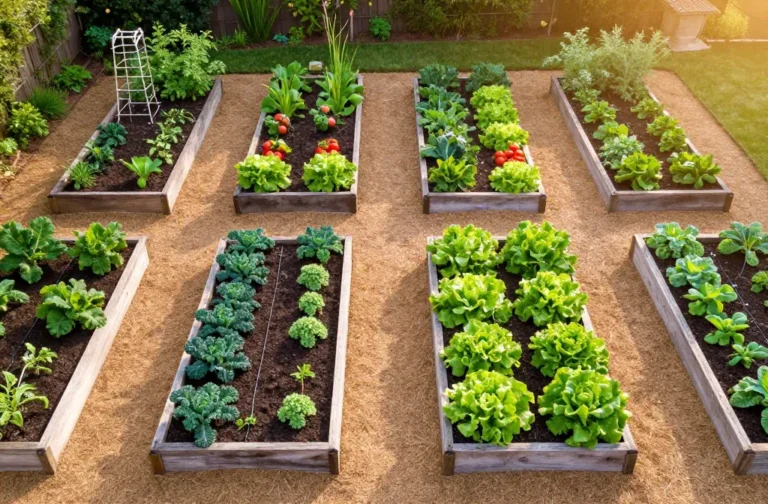
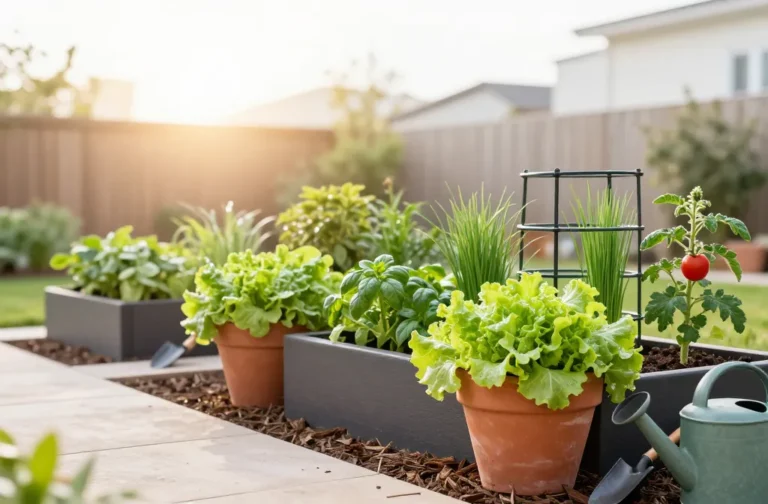
Your yard might be small, but your salad dreams don’t have to be. You can grow a stunning, productive kitchen garden in the space most folks reserve for a grill and a folding chair. With a little planning, smart plant choices, and a few containers, you’ll harvest basil, tomatoes, and snappy greens like a pro. Ready to turn that tiny patch into a flavor factory?
Start With a Mini Map (So You Don’t Wing It)
Let’s not play Tetris with plants. Sketch your space first. Note the sunniest spots, shady corners, and where you can put containers without tripping on them.
What to map:
- Sun hours: Track how many hours of direct sun each spot gets. Veggies love 6–8 hours.
- Access to water: If you can’t reach it with a hose, you won’t water it. Facts.
- Traffic flow: Leave a little path so you can harvest without stomping your dill dreams.
Sunlight Cheat Sheet
- 6–8 hours: Tomatoes, peppers, eggplant, cucumbers.
- 4–6 hours: Lettuce, kale, chard, herbs like parsley and chives.
- 3–4 hours: Mint, sorrel, some leafy mixes (still happy, just slower).
Think Vertical, Think Layers
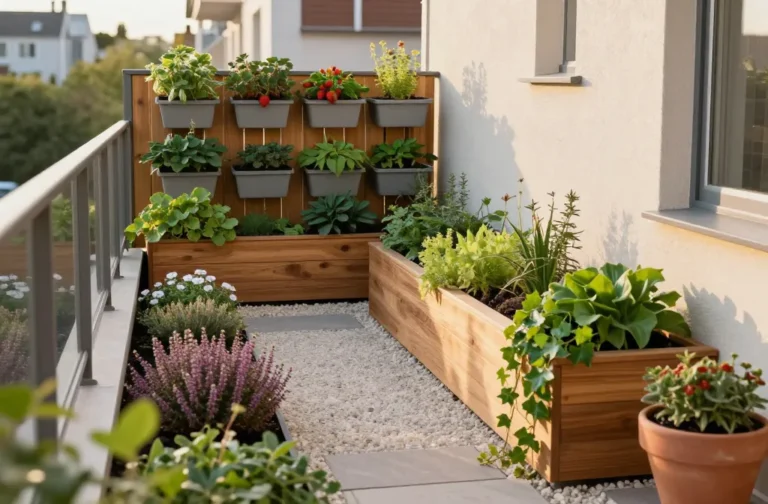
Small yard? Go up, not out. Vines and trellises unlock a ton of space and look gorgeous.
Easy vertical wins:
- Trellises: Lean a wooden trellis or cattle panel against a fence for cucumbers, pole beans, or peas.
- Hanging planters: Plant strawberries, thyme, or trailing cherry tomatoes in hanging baskets.
- Stacked planters: Tiered shelves or stacked pots keep herbs and greens tidy and lush.
Pretty + Practical Plant Combos
- Tomatoes + basil + marigolds: Classic trio that smells amazing and looks cheerful.
- Cucumbers + dill: Grow your pickles and seasoning side by side. Efficiency flex.
- Beans + nasturtiums: Beans climb, nasturtiums trail, you snack on the flowers. Win-win.
Container Magic (Your Soil, Your Rules)
Containers help you control soil quality and skip weeding drama. Get a mix of sizes so every plant has a home.
Container tips:
- Size matters: Tomatoes and peppers want 5–10 gallons each. Herbs and greens stay happy in 1–3 gallons.
- Drainage or bust: Drill holes if needed. Soggy roots = plant tantrums.
- Soil mix: Use a high-quality potting mix with compost. Add perlite for drainage, worm castings for nutrients.
Watering Without the Headache
- Self-watering containers: Great for busy weeks and hot patios.
- Drip lines on a timer: Yes, this feels extra. Also yes, your plants will love you.
- Mulch: Top soil with straw or shredded leaves to lock in moisture and keep roots cool.
Grow What You Actually Eat (Radical, I know)
Don’t plant five eggplants if you barely like one. Focus on high-yield, high-use crops that thrive in small spaces.
Small-space MVPs:
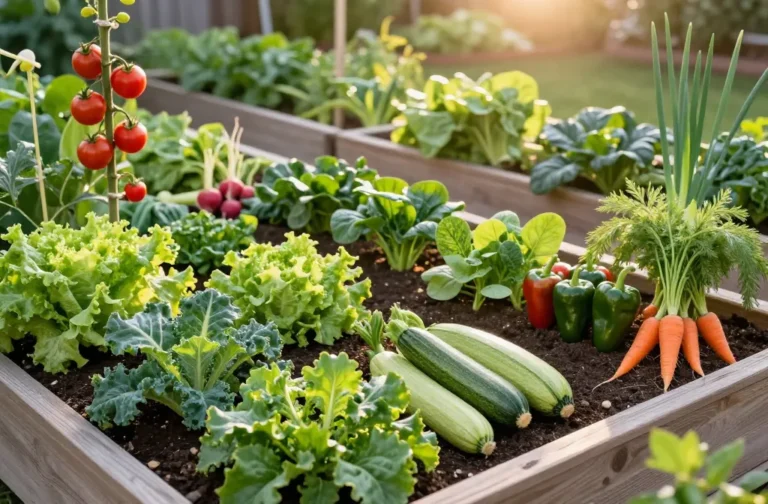
- Cut-and-come-again greens: Lettuce mixes, arugula, kale, and chard keep giving with regular trims.
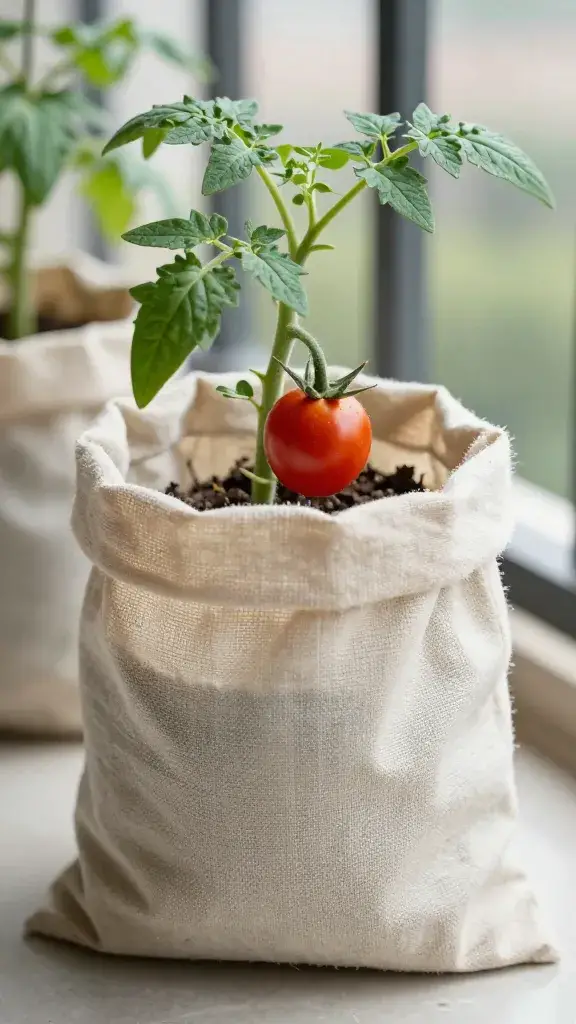
- Compact tomatoes: Look for patio or dwarf varieties. Cherry types produce like overachievers.
- Herbs: Basil, parsley, chives, mint (in its own pot or it will colonize your life), thyme, oregano.
- Snack peppers: Smaller plants, faster harvests, major flavor.
- Radishes and baby carrots: Quick wins that keep you motivated.
Seasonal Swaps for Maximum Harvest
- Spring: Lettuce, peas, radishes, cilantro.
- Summer: Tomatoes, cucumbers, peppers, basil, beans.
- Fall: Kale, arugula, beets, dill, parsley.
IMO, swapping crops with the seasons makes your garden feel fresh and way more productive.
Make It Gorgeous (Your Eyes Eat First)
You’re not building a farm. You’re building a vibe. Mix textures, colors, and heights so your tiny garden looks like a lush little boutique.
Design cues that work:
- Color play: Pair purple basil with lime-green lettuce and orange nasturtiums. Instant wow.
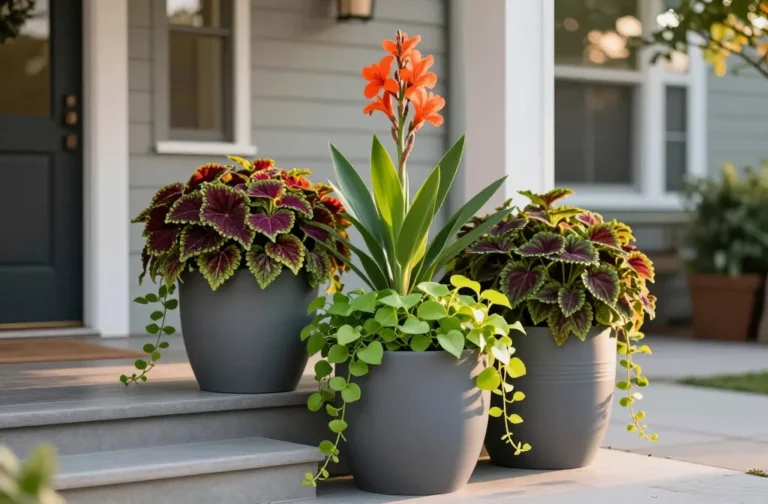
- Symmetry: Match pots on either side of a path or step. Order = calm.
- Feature plant: One hero pot with a dwarf tomato or a small fig draws the eye.
- Lighting: Solar string lights + evening harvests = main character energy.
Pretty Pots, Practical Considerations
- Terracotta: Classic look, dries out faster. Great for herbs that hate wet feet.
- Glazed ceramic: Holds moisture longer; heavier and stable in wind.
- Fabric grow bags: Breathable, affordable, easy to stash off-season.
Soil Health, Tiny-Space Style
Healthy soil grows happy plants. Even in containers, you can build a mini ecosystem that hums.
Easy soil upgrades:
- Compost, always: Mix in 20–30% compost at planting. Top up each season.
- Slow-release fertilizer: Organic pellets keep nutrients steady for weeks.
- Liquid feeds: Every 2–3 weeks, hit heavy feeders (tomatoes, peppers) with a kelp or fish blend. FYI: follow the label unless you enjoy crispy leaves.
Rotation and Reuse
- Rotate families: Don’t grow tomatoes in the same pot two seasons in a row. Switch to greens or beans.
- Refresh mix: Each season, replace the top third of soil with new potting mix and compost.
Pest Control Without the Drama
You can protect your plants without turning your yard into a chemical lab. Start with prevention and a little patience.
Low-stress strategies:
- Inspect weekly: Flip leaves, look for eggs, squish what you find. It’s oddly satisfying.
- Companion flowers: Marigolds, alyssum, and nasturtiums attract beneficial bugs and add color.
- Airflow: Don’t crowd plants. Good spacing keeps mildew at bay.
- Soap spray: A mild soap solution handles aphids. Test a leaf first, then spray in the evening.
When Things Go Sideways
- Yellow leaves? Overwatering or hunger. Check drainage; feed lightly.
- No flowers? Not enough sun, or too much nitrogen. Move pots or ease up on fertilizer.
- Bitter greens? Heat stress. Give afternoon shade or harvest younger.
Harvest Like a Pro (And Keep It Coming)
The more you harvest, the more your plants produce. Think of it like tipping your barista, but with scissors.
Smart harvest habits:
- Morning snips: Cooler temps = crisper greens and herbs.
- Pinch, don’t yank: Use clean shears. Be gentle; plants remember.
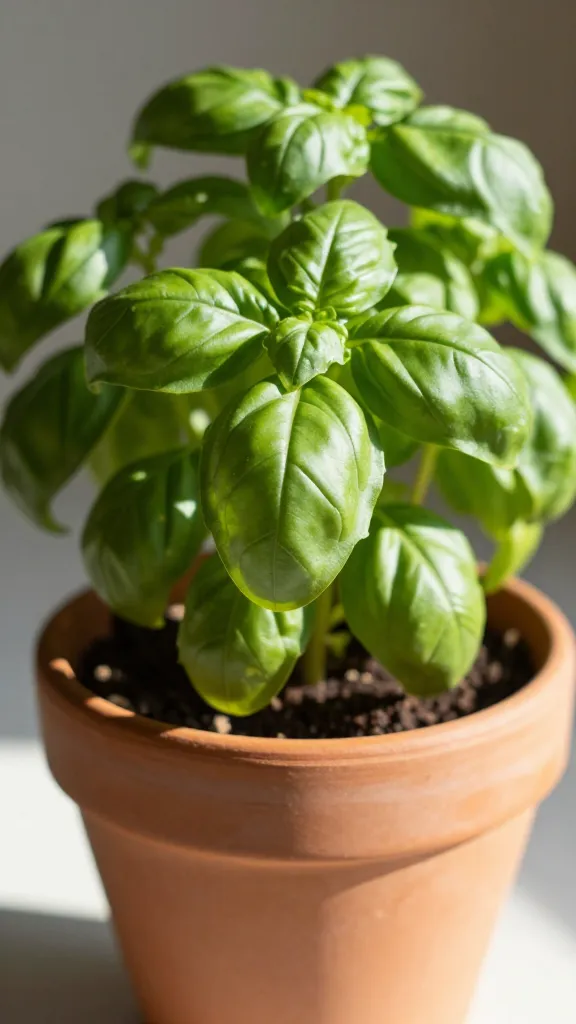
- Basil rule: Pinch above a leaf pair to trigger branching. Bushy basil = pesto on repeat.
- Tomato timing: Pick when they turn full color and just soften. Counter-ripen if needed.
FAQ
How much sun do I really need for a kitchen garden?
Aim for 6–8 hours of direct sun for fruiting crops like tomatoes and peppers. You can still grow plenty with 4–6 hours—focus on leafy greens and many herbs. Less than that? Go heavy on mint, parsley, chives, and experiment with microgreens indoors.
Can I mix herbs and veggies in the same container?
Yes, if their water and sun needs match. Tomatoes love basil, peppers pair well with parsley, and thyme hangs out with basically everyone. Keep mint in its own pot, IMO, unless you want a mint takeover worthy of a documentary.
What’s the best soil for containers?
Use a high-quality potting mix (not garden soil) blended with compost. Add perlite for drainage and a slow-release organic fertilizer at planting. Refresh the top third of soil each new season for steady results.
How do I keep things alive during heat waves?
Water deeply in the morning, add mulch to every container, and use shade cloth or a patio umbrella in the afternoon. Self-watering pots help a lot. If leaves droop midday but perk up at night, that’s normal—don’t overwater from panic.
Do I need to hand-pollinate?
Usually not outdoors. Bees, hoverflies, and wind handle it. For insurance on tomatoes and peppers, tap the stems or gently shake the plant mid-morning when flowers open. It takes five seconds and boosts fruit set—FYI, it’s weirdly fun.
Is vertical gardening worth the effort?
Absolutely. Trellises double your planting space, keep fruit cleaner, and improve airflow. Plus, a wall of cucumbers looks epic and saves you from crawling around the ground like a raccoon with a salad agenda.
Wrap-Up: Small Yard, Big Flavor
You don’t need acres; you need a plan, a few containers, and the right plants. Map the sun, grow up with trellises, and pick varieties you actually eat. Keep soil healthy, harvest often, and enjoy a garden that feeds you and looks amazing doing it. And hey, when your cherry tomatoes start popping, don’t forget to brag a little—taste tests required, obviously.
Share this content: