How to Clip Chickens Wings?
Some chickens see a fence and think, “Challenge accepted.” If your flock keeps launching backyard escape missions, it’s time to clip some wings. Don’t worry—it’s quick, painless, and way less dramatic than it sounds. You’ll keep your birds safe, your neighbors chill, and your veggie garden intact. Ready to learn how to do it right?
Why Clip Chicken Wings At All?
Clipping wings doesn’t hurt your chickens. You only trim feathers—not skin or bone. It just throws off their lift so they can’t flit over barriers like tiny, feathery ninjas.
Goal: reduce their flight power, not ground them forever. Many chickens still hop onto a roost or a coop ramp just fine after a trim. Think of it like turning off “turbo mode.”
Primary vs. Secondary
Before you touch scissors, meet the feathers you’re about to trim.
- Primary flight feathers: the long outer feathers at the very end of the wing. These do the heavy lifting (literally). You’ll trim these.
- Secondary feathers: shorter feathers closer to the body. Leave these alone.
- Blood feathers (aka pin feathers): new growth with visible shafts that look dark or “bloody.” Do not cut these.
How to Spot Blood Feathers
Gently spread the wing and look along the shaft of each feather. If you see a dark, vein-like center, skip it. Fully grown feathers look hollow and pale. FYI, if you only see adult feathers, you’re good to go.
What You’ll Need (Nothing Fancy)
Set yourself up so the whole thing takes 3 minutes, not 30.
- Sharp scissors or pet nail shears
- Towel to wrap the bird and calm flapping
- Styptic powder or cornstarch in case of a nick (rare, but be prepared)
- Second pair of hands if possible (bribes: grapes, mealworms, flattery)
The Step-by-Step Wing Clip
You’ll trim one wing only. Yes, one. Asymmetry throws off their balance and flight. If you cut both, some determined hens still manage to clear a fence—overachievers, right?
- Pick the right time. Clip during daylight when everyone’s calm. Avoid molting season if you can, since blood feathers show up more then.
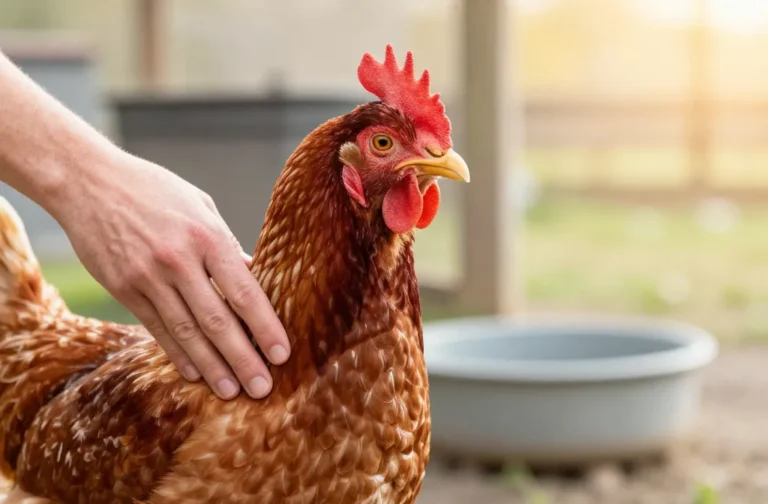
- Secure the chicken. Hold her tucked against your body, or wrap in a towel burrito with head and one wing exposed.
- Spread the wing fully. You’ll see a neat fan of long primary feathers at the edge.
- Locate the trim line. Imagine a gentle arc following the tips of the shorter secondary feathers. You’ll trim the primaries to match that line.
- Trim 1/3 to 1/2 of the primary feathers’ length. Cut across 8–10 primaries, straight and clean. Stay well above any blood feathers.
- Check the cut. No bleeding? Feathers look even? Great.
- Reward the bird. Treats make future sessions easier. Chickens remember.
How Short Is Short Enough?
IMO, start conservative. You can always trim more if she still flies like a champ. Leave at least 1–2 inches from the feather base. We aim for awkward glide, not crash landing.
Safety First: Keep Everyone Chill
A stressed chicken flaps harder, which makes trimming trickier. Keep it low-drama with a calm vibe.
- Hold the wing firmly but gently. You want control, not a wrestling match.
- Watch for blood feathers. If you nick one, apply styptic or cornstarch and pressure for a minute.
- Stop if you feel unsure. You can always try again later with better light or a helper.
When Not to Clip
– During an active molt: Too many blood feathers = higher risk.
– In freezing weather: Feathers help with warmth and water shedding.
– With very young pullets: Wait until adult feathers come in fully.
One Wing or Both? Let’s End the Debate
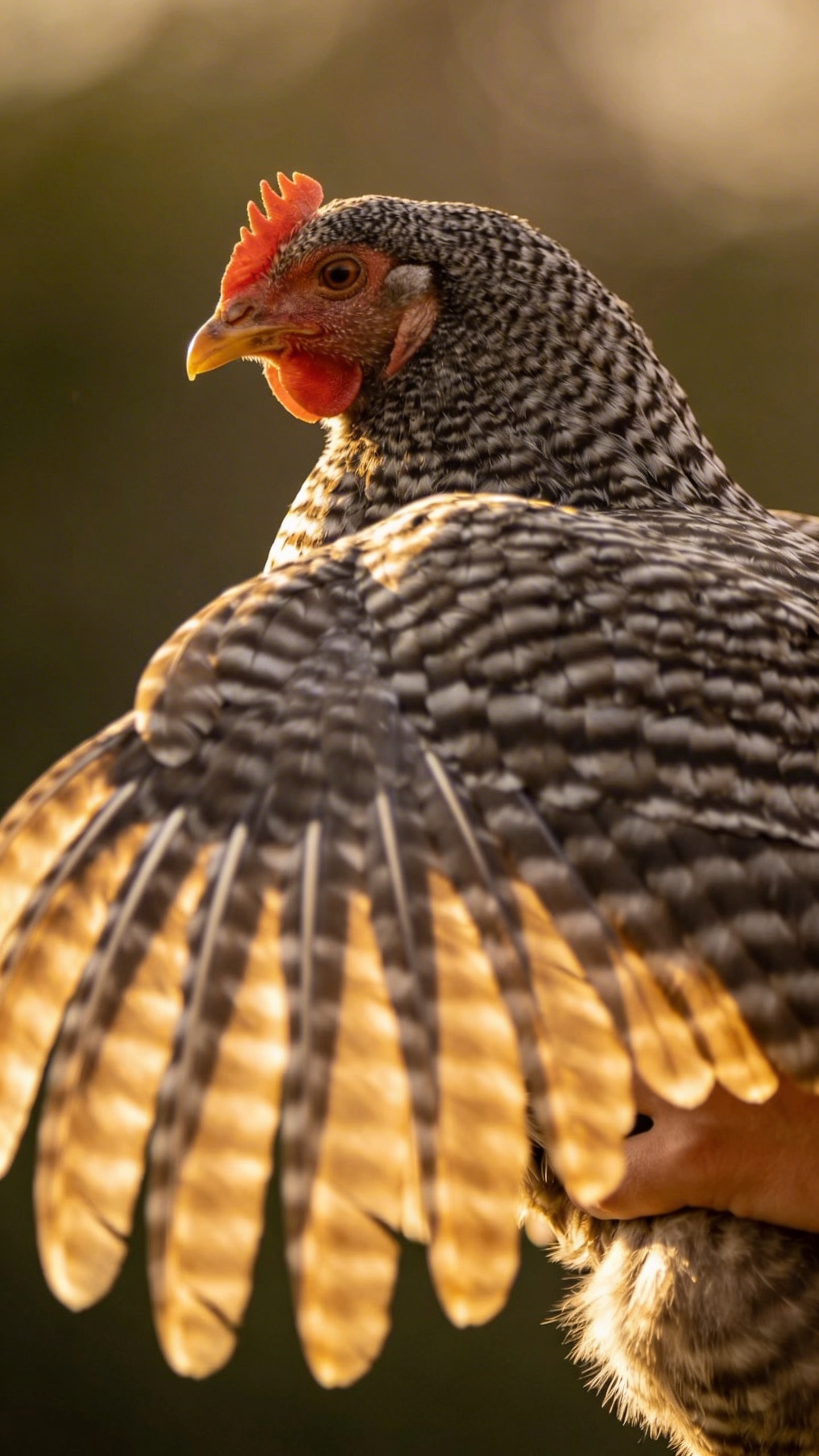
Clip one wing for most backyard flocks. It’s the classic method because it messes with lift and steering. Some folks clip both wings for neatness, but FYI, some birds still manage short flights that way. If you try one wing and your Houdini still clears the fence, you can trim the other side a bit as well—but usually you won’t need to.
How Often Should You Reclip?
Feathers grow back after a molt. Plan to reclip once or twice a year, depending on your climate and your flock’s molt schedule. Do a quick check every couple of months. If the primaries look long and sleek again, it’s probably time.
Troubleshooting: When Your Chicken Still Flies
Some breeds just love the airborne life. Light-bodied breeds (Leghorns, Hamburgs, many bantams) bounce like popcorn.
- Raise your fences to 5–6 feet if you can.
- Remove launch pads near fences—compost bins, low branches, stacked buckets.
- Try a slightly shorter trim on the already clipped wing.
- Enrich inside the run with perches and dust baths so they don’t feel the call of the wild.
FAQ
Does wing clipping hurt my chicken?
No. You’re cutting dead keratin, just like trimming hair or nails. As long as you avoid blood feathers, your chicken won’t feel pain. She might complain loudly because—well, drama—but it’s discomfort from handling, not the trim.
Will my chicken still roost and get around?
Yes. A proper clip reduces vertical flight, not normal movement. Your chicken will still hop on perches, use ramps, and navigate the coop like usual. If she seems clumsy, you trimmed a bit short—no panic; feathers regrow.
Can I clip during molt?
You can, but I don’t recommend it. Molt comes with lots of blood feathers, which are easy to nick. Wait until feathers finish growing in, then trim safely. Patience beats a surprise blood spot, IMO.
Which breeds need wing clipping most?
Lighter, flightier types. Think Leghorns, Anconas, Mediterranean breeds, and many bantams. Heavier breeds like Orpingtons or Brahmas rarely need it, though some individuals turn into escape artists anyway because chickens love proving us wrong.
What if I accidentally cut a blood feather?
Stay calm. Apply styptic powder or cornstarch and firm pressure for 60–90 seconds. If bleeding continues or the shaft breaks near the base, you might need to pluck that single feather with clean tweezers and apply pressure again. When in doubt, call a vet.
Should I hire a pro for the first time?
If you feel nervous, absolutely. A groomer, vet, or experienced chicken keeper can show you once, and you’ll feel set forever. But with good lighting, a helper, and this guide, you’ve got it.
Conclusion
Clipping chicken wings keeps your flock safe, your fences respected, and your sanity intact. Do one wing, trim the primaries, avoid blood feathers, and keep it tidy. The whole job takes minutes and pays off every day your chickens stay where they should—happily scratching, not training for the Olympics. FYI, after you do it once, you’ll wonder why you ever hesitated.
Share this content: