How to Break a Broody Hen Humanely (Fast Methods + What Not to Do) Fast
Your sweet, egg-laying angel just turned into a puffed-up dragon sitting on invisible eggs? Congrats—you’ve got a broody hen. She’s glaring, growling, and refusing to leave the nest, and your egg basket went oddly empty. The good news: you can break broodiness fast and humanely. The faster you act, the easier it goes. Let’s get your hen back to normal without the guilt trip.
What “Broody” Actually Means (And Why It Happens)
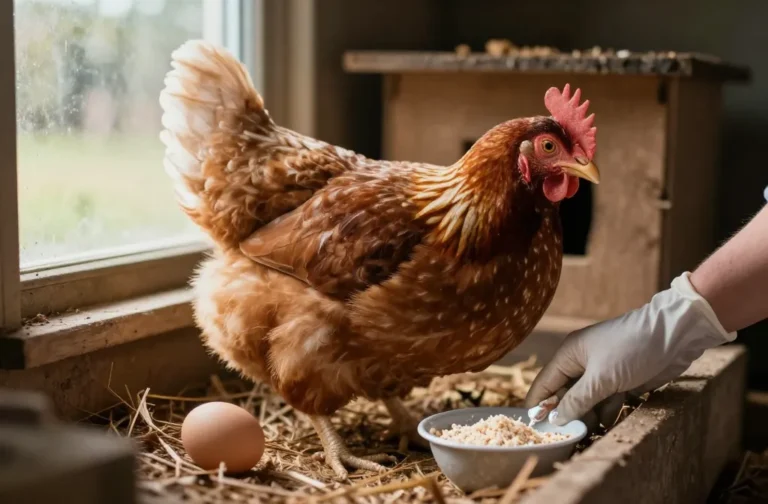
A broody hen believes she needs to hatch eggs—even if there are none. Hormones flip a switch and she parks herself in a nest, fluffs up, and goes full dragon mode. She’ll stop laying, barely eat, and hog the box like it’s her throne.
Some breeds go broody at the drop of a feather. Silkies, Cochins, Orpingtons—yep, repeat offenders. If you don’t want chicks and you want your eggs back, you need to interrupt the broody cycle.
How to Spot a Broody Hen (Before It Gets Worse)
Catch it early and you’ll save time. Watch for:
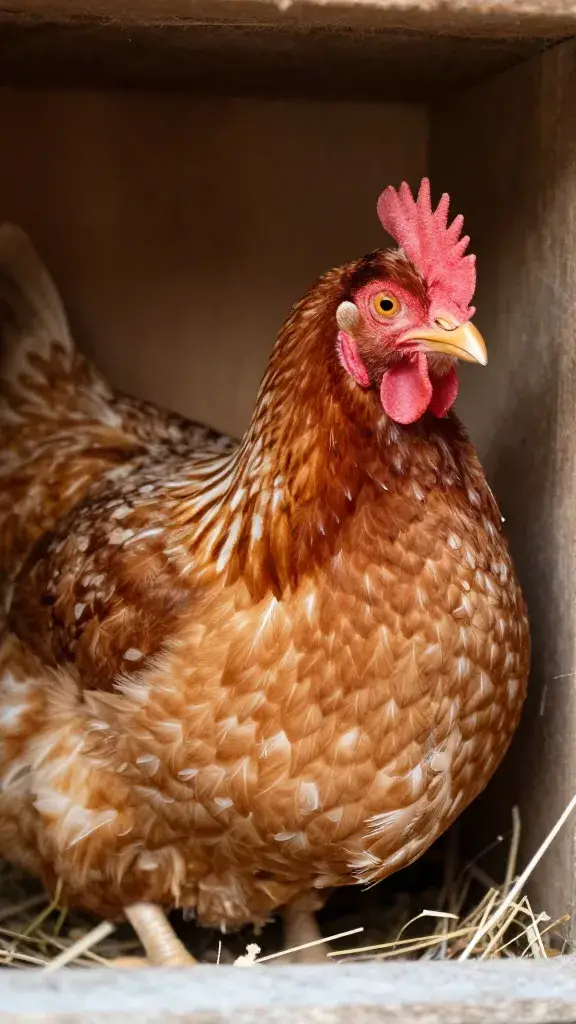
- Camped in the nest box 24/7, even at night
- Fluffed feathers and dinosaur growls if you reach in
- Hot, bare “brood patch” on her belly
- Egg hoarding and shoving other hens out of boxes
If she’s on the nest after dark, she’s not just “chilling”—she’s broody. FYI, the longer she sits, the harder it gets to break.
Fast, Humane Methods to Break Broodiness
We’re not torturing hens here. We’re cooling hormones and disrupting nesting behavior—kindly. Start with the least invasive and level up as needed.
1) Remove Eggs and Block the Favorite Nest
Take all eggs daily. Block the broody nest box with cardboard or a flipped crate so she can’t settle. Offer fresh bedding elsewhere and encourage her to roost at night. Sometimes that alone nudges her out of it, especially if you catch it early.
2) Frequent Uplift + Snack Walks
Every time you see her in the box, pick her up and set her outside with the flock. Give treats in the run so she associates outdoor time with reward. Repeat 5–8 times a day for a couple days. It’s tedious, but it works for mild cases.
3) The Broody Breaker Cage (The Most Effective)
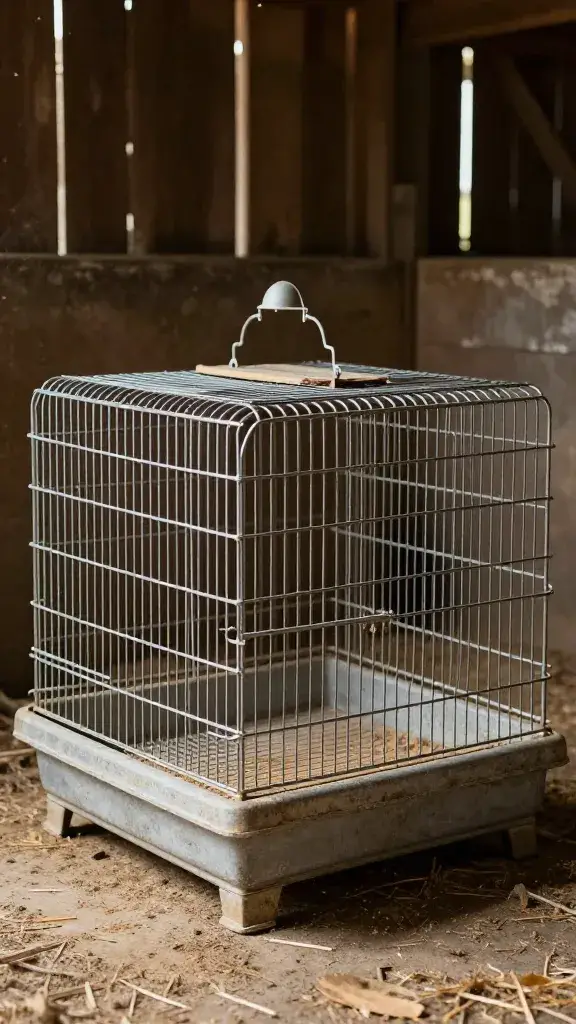
This is the gold standard. You’ll see people call it a “breaker,” “broody jail,” or “time-out.” It looks dramatic, but it’s humane when you do it right.
- Use a wire-bottom crate or dog kennel raised on bricks for airflow under her belly. The airflow cools that brood patch and calms hormones.
- No bedding (it invites nesting). Add a small perch so she can stand comfortably.
- Food and water 24/7 inside the crate.
- Place the crate in a bright, social area—ideally the run—so she sees her flock.
How long? 24–72 hours for most hens. Each morning, let her out and watch. If she runs back to the nest, back in the crate she goes. You want her to choose to forage and roost for a full day before declaring victory.
4) Cool, Safe Comfort Measures
Heat drives broodiness. A few gentle tweaks help:
- Frozen water bottle under the crate (not directly on her)
- Shade and airflow in hot weather
- No warm, cozy corners—remove nesting temptations
Don’t dunk her in water—more on that in the “Don’ts.”
5) Nighttime Reset
At dusk, place her on a high roost with the others. If she stays all night, great sign. If she sneaks back to the nest, you’re not done yet.
How Long Does It Take?
Most hens break within 2–3 days with a breaker cage. Light cases might resolve in a day. Chronic broodies (looking at you, Silkie owners) may need 3–5 days and a firm follow-up.
Tip: After she breaks, keep nests blocked overnight for a day or two. That stops relapse.
What NOT to Do (Seriously, Don’t)
Let’s keep it humane and effective. Some “old school” tricks just cause stress or harm.
- Do not dunk her in cold water. It can shock her system, cause hypothermia, and doesn’t reliably break broodiness.
- Do not starve her. Removing food or water crosses the line from training to cruelty.
- Do not confine her in a dark box. Darkness makes broodiness worse, not better.
- Do not yell, swat, or “discipline.” She’s hormonal, not misbehaving on purpose.
- Do not add fake eggs or golf balls unless you plan to let her hatch. That fuels the obsession.
When to Let a Broody Hatch (And How to Do It Right)
Sometimes you want chicks—fair! A broody hen can make a great mom if you set her up for success.
Pick the Right Hen and Timing
Choose a consistent sitter with a calm temperament. Spring and early summer work best. The weather helps and the flock adjusts easier.
Set a Dedicated Nest
Give her a separate, quiet, predator-safe space with food and water nearby. Mark or limit eggs to 8–12 max depending on her size. Remove extras daily so hatching stays synchronized.
Plan for Chicks
Have chick feed and a safe reintroduction plan. Some flocks welcome babies; some don’t. Supervise the first few days to prevent bullying.
Why Broody Hens Stop Laying (And How to Reboot)
When hormones scream “hatch now,” her body pauses egg production. After you break broodiness, she needs a few days to reboot. Help her bounce back:
- High-quality layer feed and fresh greens
- Clean water with electrolytes for a day if she lost weight
- Extra protein (mealworms, scrambled egg) for a week
- Sunlight and exercise to normalize hormones
IMO, a little spoiled-hen treatment speeds recovery and keeps the peace.
FAQ
How do I know if she’s truly broody and not sick?
A broody hen looks alert and guards the nest. She eats less but still pecks at food if you set it in front of her. A sick hen looks lethargic, droopy, and uninterested in everything, not just nesting. If she has diarrhea, a pale comb, or sits fluffed in random spots, check for illness first.
Can I break broodiness without a wire-bottom cage?
You can try constant nest removal, blocking boxes, and frequent outings. But the airflow under her belly from a wire-bottom crate speeds things up dramatically. If you only have a solid crate, raise it and add a mesh insert so air circulates.
Will breaking a broody hen hurt her feelings?
She might grumble, but you’re protecting her health. Extended broodiness can cause weight loss, dehydration, mites, and heat stress. Breaking her gently helps her long-term. Think tough love, chicken edition.
How long can I safely leave a hen broody if I’m unsure?
If you’re not hatching eggs, don’t let it drag on. After 2–3 days of solid brooding behavior, intervene. The longer hormones settle in, the harder it becomes to reverse.
My hen keeps going broody every few weeks—help?
Some hens just live for the drama. Break quickly each time, collect eggs often, and reduce cozy nest vibes. In chronic cases, the broody breaker becomes your best friend. FYI, some keepers rehome chronic broodies or allow one successful hatch per season to “scratch the itch.”
Can supplements stop broodiness?
Not really. Calcium and layer feed matter for health, but broodiness is hormonal, not nutritional. Handling environment and routine works far better than any magic powder.
Quick Troubleshooting
- She returns to the nest after 2 days in the breaker: Go 1–2 more days. Make sure there’s airflow and no bedding.
- She won’t eat in the crate: Offer favorite treats, hang leafy greens, or move the crate near flock activity.
- She’s aggressive with flockmates after release: Short supervised free-range session, then back in the crate overnight. Reintroduce at dusk on the roost.
Keep it consistent. IMO, consistency breaks 90% of these cases fast.
Conclusion
A broody hen isn’t a crisis—it’s a signal. Interrupt the nesting, cool that brood patch, and keep her moving, and you’ll reset her in a few days. Use a wire-bottom breaker with food, water, and airflow for the fastest, most humane results. Skip the harsh “tricks,” stay patient, and your sassy egg machine will be back on duty before you know it.
Share this content: