How Do Chickens Mate?
Chickens don’t date, they don’t cuddle, and they definitely don’t ask for long walks on the beach. They keep it quick, practical, and surprisingly coordinated. If you’ve ever wondered how those breakfast omelets even come to be, you’re in the right place. Let’s pull back the coop curtain and get into how chickens actually mate—no fluff, just feathers.
The Basics: Who’s Who in the Coop
Before the action, you need a cast:
- Rooster: The male. He courts, mates, and guards the flock like a feathery bouncer.
- Hen: The female. She lays eggs and decides if a rooster’s worth her time.
A rooster usually manages a flock of hens, and the social order in that flock matters. Dominant roosters get more opportunities, while lower-ranking roosters sneak chances when they can. Drama? Oh yes.
The Courtship: More Than Just a Chase

Roosters don’t just jump in. They warm up the crowd. You’ll see:
- Tidbitting: He picks up tasty bits, drops them, and clucks to entice hens. It’s basically “I brought snacks.”
- Wing-dragging dance: He lowers one wing and circles the hen like he’s auditioning for a poultry tango.
- Crowing and posturing: Classic “look at me” behavior.
If the hen approves, she squats slightly, flattens herself, and shifts her feathers. That squat means “okay, proceed.” If she walks away? He either tries harder or takes the L.
Consent, Chicken-Style
Hens choose more than you think. They accept or reject roosters, and they even have a way to control which sperm ultimately wins (more on that later). FYI, hens aren’t pushovers.
The Act: The Cloacal Kiss
Chickens don’t have external equipment like mammals. Instead, both sexes have a cloaca—an all-purpose vent. Here’s how mating plays out:
- The hen squats and braces.
- The rooster mounts her back and balances using his feet and by gripping her neck feathers (it looks rough, but it’s normal).
- He lifts his tail, she lifts hers—vent to vent—and they touch.
- Semen transfers in a split second. That’s the “cloacal kiss.”
That’s it. No marathon sessions. The whole thing often takes under 10 seconds. Efficient? Extremely.
After the Kiss: Feather Fluff and Shake
You’ll see both birds shake, fluff, and move on. Hens often stand up and do a full-body shimmy. If she looks unbothered two seconds later, that’s because—IMO—chickens treat this like checking a to-do list item.
Fertilization: The Hidden Work

The hen stores the rooster’s semen inside special glands near her oviduct. One successful mating can fertilize eggs for 1–2 weeks, sometimes longer. That means:
- You don’t need daily mating for fertile eggs.
- If you swap in a new rooster, older sperm can still fertilize eggs for a while.
As the hen releases yolks, sperm travel up the oviduct to meet them. If they connect near the start of the oviduct, you get a fertilized egg. If not, you still get a normal egg—just not a chick-to-be. Either way, she lays the egg with a shell like usual.
Hens Have Opinions (And Biology Backs Them)
Here’s the wild part: hens can selectively eject or limit sperm from less-desirable roosters. It’s a natural quality control move. So even if a lower-status rooster mates, he doesn’t always win genetically.
Behavior You’ll Notice (And What It Means)
Expect some chaos. Flocks come with social dynamics:
- Frequent mounting when a rooster feels insecure or when new birds join.
- Neck feather loss on hens from gripping—common but watch it.
- Squabbles among roosters for dominance and access to hens.
If you keep backyard chickens, keep an eye out for overbreeding. Too many mating attempts can injure hens, especially on their backs. Rooster-to-hen ratio matters a lot.
What’s a Good Ratio?
– Bantams (small breeds): about 1 rooster per 8–12 hens
– Standard breeds: about 1 rooster per 10–15 hens
– Heavy roosters or very active ones: you might need even more hens or limit his time
FYI, some roosters act like gentleman scholars, others act like caffeinated linebackers. Personalities vary.
Breeds, Seasons, and Timing

While chickens can mate year-round, spring and early summer ramp everything up thanks to longer daylight. Hens lay more, roosters strut more, everyone’s got goals.
Breed matters, too:
- Game breeds often act more assertive and agile during mating.
- Heavy dual-purpose breeds can struggle with balance—use low perches and soft ground to prevent injuries.
- Silkies and fancy breeds sometimes need a trim around the vent area to improve success (yes, a tasteful feather haircut).
Fertile Eggs vs. Incubation: Not the Same Thing
Here’s a common mix-up: hens lay eggs whether a rooster exists or not. If a rooster mates with her, some of those eggs become fertile. But those fertile eggs won’t start developing into chicks until they get incubated—either under a broody hen or in an incubator at warm, controlled temperatures.
Spotting Fertility in Eggs
– Crack a fresh egg on a plate and look for the germinal disc.
– Infertile: tiny white dot.
– Fertile: a white “bullseye” ring around the dot.
No rooster? You’ll only see the tiny dot. No chick ever forms in your omelet, promise.
How to Encourage Healthy, Safe Mating
You can’t micromanage everything, but you can stack the odds:
- Space: Give them room. Crowding fuels fights and stress.
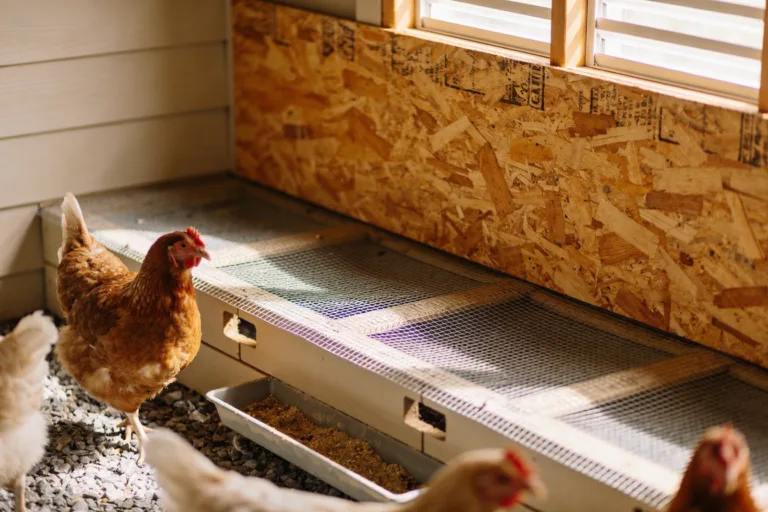
- Perches and footing: Provide sturdy, low perches and non-slippery ground to prevent awkward dismount injuries.
- Hen saddles: Use protective “apron” gear if hens lose too many back feathers.
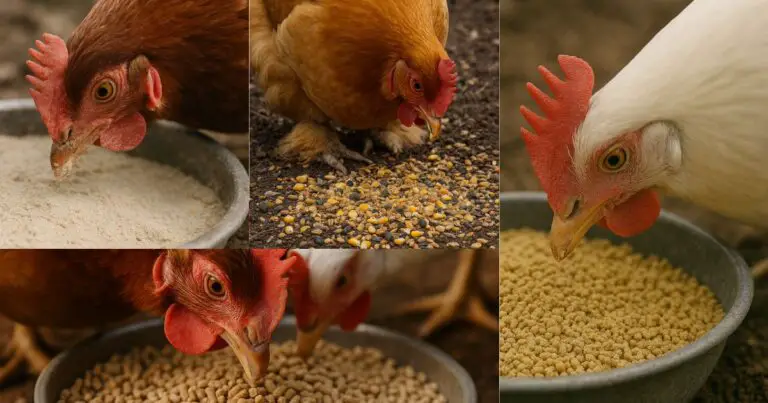
- Nutrition: Balanced feed, extra protein during high mating/lay cycles, and steady calcium for hens.
- Monitor ratios: If one rooster harasses hens, reduce his time with the flock or split groups.
IMO, a calm, enriched environment beats any magic trick.
FAQ
Do chickens feel pain during mating?
The neck feather-grabbing looks harsh, but it’s normal and brief. Hens tolerate it fine when roosters behave and flocks stay balanced. Pain usually shows up only with overbreeding, rough roosters, or slippery surfaces that cause falls.
How old are chickens when they start mating?
Roosters often try by 4–5 months, though aim improves with age. Hens start laying around 5–6 months, depending on breed. Fertility usually stabilizes after the first month or two of laying.
Can eggs be fertile without a rooster?
Nope. Hens lay eggs regardless, but you need a rooster for fertilization. No rooster means every egg is infertile—still totally edible and normal.
How long after mating will I get fertile eggs?
Usually within a few days. Once a hen stores sperm, you’ll see fertile eggs for 1–2 weeks, sometimes a bit longer. If you swap roosters, wait at least two weeks before collecting eggs for hatching to ensure the new guy’s genetics.
Why do some hens lose feathers on their backs?
That comes from roosters gripping during mounting. It’s common in high-activity flocks. Use hen saddles, offer more space, and check your rooster-to-hen ratio to protect her feathers and skin.
Do roosters mate with just one hen?
Roosters play the field. One rooster mates with multiple hens, and dominant roosters cover most of the flock. If multiple roosters live together, they’ll sort out a pecking order—sometimes loudly.
Conclusion
Chicken mating runs on speed, strategy, and a little bit of feathered theater. Roosters court, hens choose, and the cloacal kiss gets the job done in seconds. Keep your flock balanced, watch for overbreeding, and you’ll see the whole show—minus the romance novel soundtrack. FYI, it’s not glamorous, but it’s efficient, and in the chicken world, that’s what counts.
Share this content: