Gorgeous and Easy 12 Raised Bed Garden Ideas for Beginners Who Want a Beautiful Setup
You want a beautiful raised bed garden without a million trips to the hardware store and a PhD in soil science? Good. Let’s skip the fluff and get you growing. Raised beds make gardening easier, cleaner, and way more photogenic. You’ll control your soil, your layout, and maybe your neighbors’ envy. Ready to build a setup that looks great and actually works?
Why Raised Beds Rock (and Why Beginners Love Them)
Raised beds solve problems fast. Bad soil? No problem—you bring your own. Got back pain? Beds mean less bending and fewer weeds. Plus, they look tidy, which matters when you want your yard to feel like a mini botanical garden and not a compost accident.
Quick wins you’ll notice right away:
- Better drainage so your plants don’t drown after a storm.
- Warmer soil earlier in spring, which means earlier harvests.
- Fewer weeds and easier weeding. Your knees will thank you.
1) Classic Cedar Boxes: The Beginner’s Best Friend
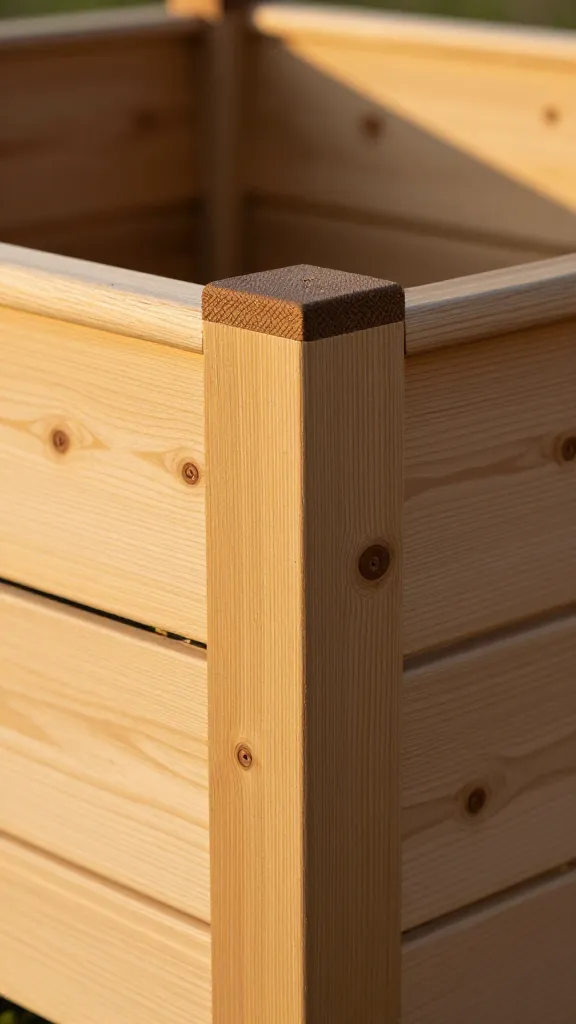
Cedar looks gorgeous, resists rot, and smells like you have your life together. Build simple rectangles—no need to overcomplicate.
Why they work:
- Cedar lasts 7–10 years outdoors.
- Neutral, natural look fits any style.
- Easy to DIY with a circular saw and deck screws.
Pro Tip: Ideal Dimensions
Aim for 3–4 feet wide (so you can reach the center) and 8–12 feet long. Keep height around 10–12 inches. Deeper if you grow root crops like carrots.
2) Corrugated Metal Beds for a Modern Vibe
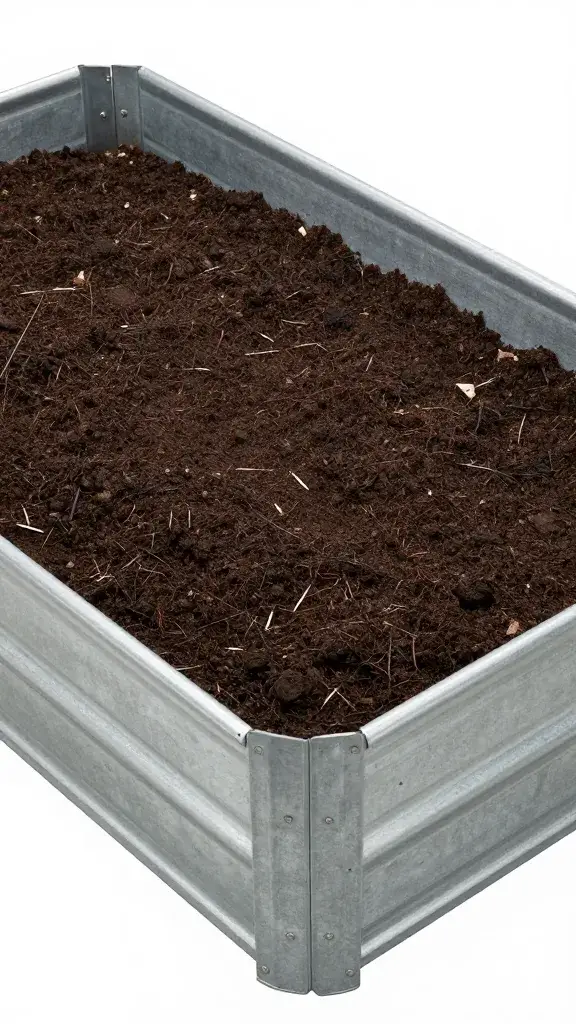
Want the “urban homestead but make it chic” look? Try corrugated steel beds with wood frames. They’re sturdy and look intentionally designed, not thrown together on a Sunday.
Bonus: Metal warms up the soil faster in spring. FYI, most garden-rated galvanized metal is safe for veggies.
Best Uses
- Tomatoes, peppers, eggplants—heat lovers.
- Stylish herb gardens near patios.
3) Stock Tank Planters: Instant Raised Beds
Grab a galvanized stock tank (2’x6’ is perfect), drill drainage holes, fill, and boom—you’re growing. Zero cutting, zero corner brackets, zero drama.
Why you’ll love them:
- Durable and weatherproof.
- Great for rental spaces—easy to move.
- They look designer with minimal work—IMO, cheating that looks classy.
4) Brick or Stone Beds for a Permanent Showpiece
If you want curb appeal and you like things that last forever, build raised beds with brick, pavers, or stone. It’s a weekend project if you plan it right.
Layout Tips
- Keep paths at least 24–30 inches wide for easy wheelbarrow access.
- Use landscape fabric under the bed and paths to block weeds.
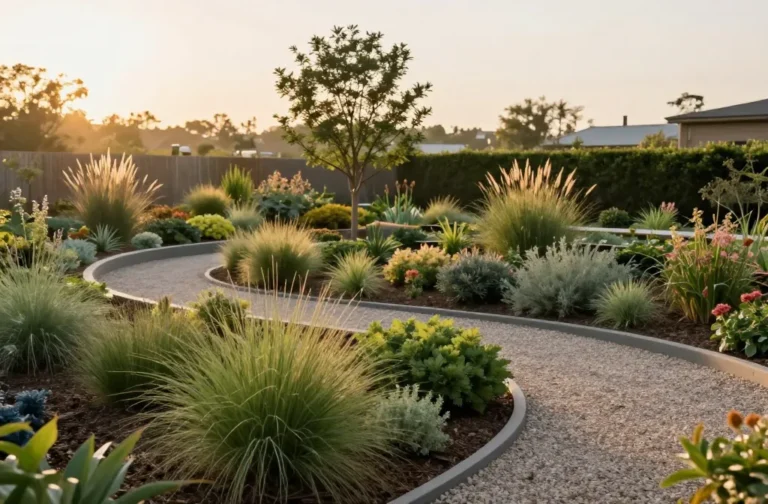
- Edge paths with stone for a crisp, finished look.
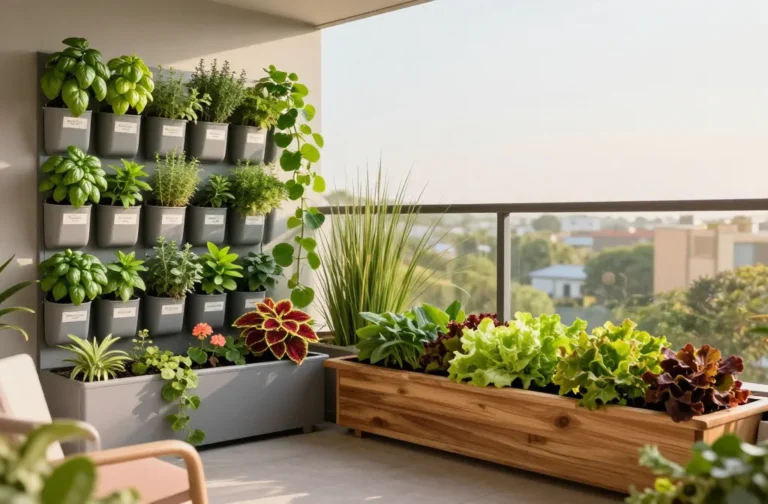
5) Elevated Planter Boxes for Patios and Balconies
No yard? No problem. Elevated beds sit on legs and save your back from bending. They excel for herbs, greens, and strawberries.
What to watch:
- Use a lightweight potting mix to avoid sagging.
- Add drainage holes and a shelf below for storage (tools, watering can, your secret snack stash).
6) U-Shaped Beds: Maximum Access, Minimum Effort
Design a U-shaped layout around a central path so you can reach everything without stepping in the soil. It’s ergonomic and looks pro.
Where it shines
- Kitchen gardens you harvest daily.
- Small yards where every square foot needs to work hard.
7) Keyhole Bed with a Compost Basket
A keyhole bed includes a central compost basket where you toss kitchen scraps. Water filters through the compost and feeds your plants. It’s like magic, but actually science.
Best for: Leafy greens, herbs, and shallow-rooted crops that enjoy steady nutrition.
8) Tiered Beds for Slopes (or Just Drama)
Got a sloped yard? Use tiered raised beds like steps. You’ll stop erosion and create gorgeous layers.
Plant ideas:
- Top tier: sun-lovers (thyme, rosemary, peppers).
- Middle tier: tomatoes or squash with trellises.
- Bottom tier: lettuces and basil that enjoy a bit more moisture.
9) Trellis-Integrated Beds for Vertical Growing
Attach a trellis to the back of your raised bed. Let cucumbers, peas, or pole beans climb and free up space. It looks lush and keeps fruits clean.
Smart Setup
- Place trellis on the north side so it doesn’t shade shorter plants.
- Use cattle panels or wooden frames with nylon netting.
10) Straw Bale Raised Beds: Fast and Budget-Friendly
Not building anything? Use straw bales as the walls, then line and fill the center with soil. They last a season or two and give your garden a cozy cottage look.
Heads up: Don’t use hay (too many seeds). Straw = cleaner.
11) Wicking Beds for Forgetful Waterers
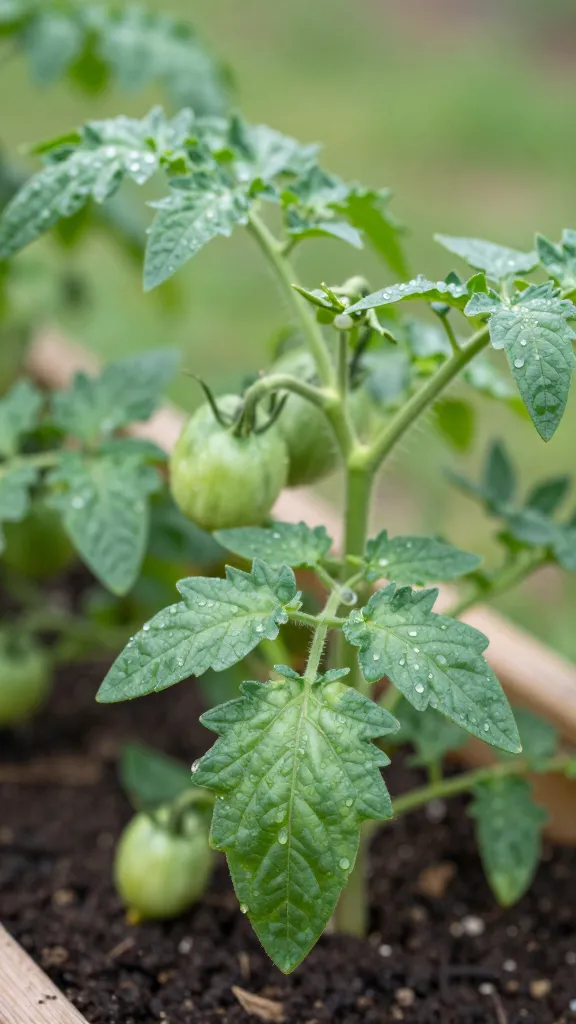
If you forget to water (same), build a wicking bed with a water reservoir below the soil. A perforated pipe and gravel layer hold water that the soil wicks upward.
Why it’s awesome:
- Uses less water.
- Keeps consistent moisture—plants love routine, unlike us.
12) Modular Fabric Beds You Can Move
Fabric raised beds (like felt planters) assemble in seconds, drain beautifully, and cost less than lumber. They’re perfect for renters or anyone experimenting with layouts.
Best crops: Potatoes, salad greens, herbs, and flowers.
Soil, Fills, and the “What Do I Put in This Thing?” Question
You don’t need fancy soil recipes, but you do need structure. Think “fluffy but fertile.”
Simple raised bed mix (by volume):
- 40% high-quality topsoil
- 40% compost (blend sources if you can)
- 20% aeration material (coarse perlite, pumice, or fine pine bark)
Budget Fills
Use “lasagna layering”: sticks and coarse trimmings on the bottom, then leaves/cardboard, then compost and soil on top. It settles, but it saves money and adds organic matter.
Design Ideas That Make It Look Beautiful (Not Just Functional)
You want a pretty setup, not a garden that screams “I gave up halfway.” Small design moves go a long way.
Make it pop:
- Symmetry: Pair beds in twos with a central path for instant order.
- Path materials: Pea gravel, mulch, or pavers define the space.
- Edge herbs and flowers: Calendula, alyssum, chives—hello color and pollinators.
- Match materials: Keep wood tones or metals consistent for a cohesive look.
- Lighting: Solar path lights = evening magic and fewer ankle mishaps.
Easy Planting Combos
- Tomatoes + basil + marigolds (classic for a reason)
- Cucumbers + dill + nasturtiums
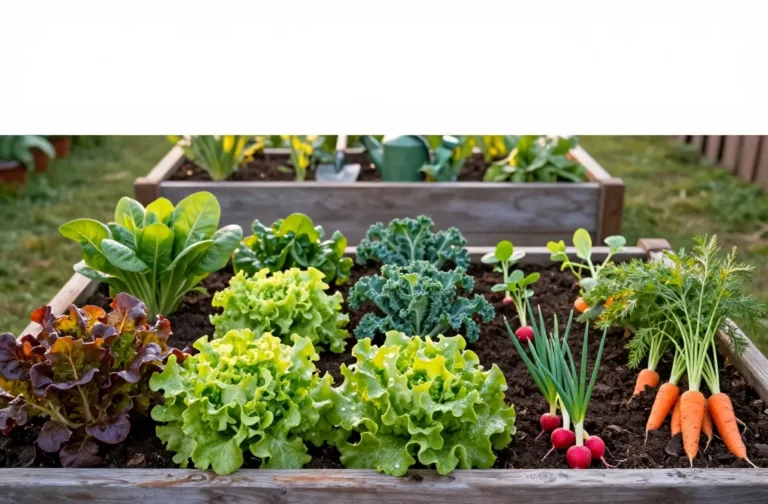
- Lettuces + radishes + chives for cut-and-come-again salads
Maintenance Without the Headache
You want beauty with minimal fuss. Same.
Keep it simple:
- Mulch beds 2–3 inches deep to lock in moisture and block weeds.
- Install a basic drip line with a timer—set it and forget it.
- Top-dress with compost each season instead of tilling. Your soil biome will throw you a party.
FAQ
How deep should a raised bed be?
Aim for 10–12 inches for most veggies. Root veggies like carrots love 12–18 inches. If your native soil drains well, you can get away with shorter beds because roots will dig down.
Do I need to line the bottom?
Not always. If you have invasive weeds or burrowing pests, line with hardware cloth and landscape fabric. Otherwise, skip the liner so roots can access soil below.
What’s the cheapest way to fill a raised bed?
Use a layered approach: sticks/branches at the bottom, then leaves/cardboard, then bulk topsoil mixed with compost. It’s budget-friendly and breaks down into rich soil over time. FYI, avoid pure potting mix for large beds—it compacts and dries too fast.
Can I use pressure-treated wood?
Modern pressure-treated lumber uses safer preservatives than the old stuff. It’s generally considered safe for edible gardens when soil doesn’t contact freshly cut ends. If you worry, seal the interior or line with plastic, or just go cedar and sleep easy.
How many beds do I need to start?
Start with two 4×8 beds. That gives you room for salad greens, herbs, a few tomatoes, and some experiments. You can add more once you figure out what you actually eat.
What should I plant first?
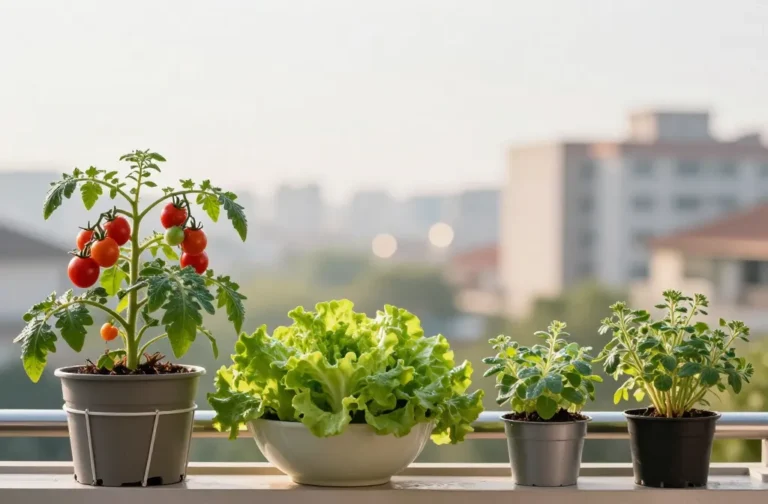
Go with high-reward, low-drama crops: lettuces, kale, bush beans, cherry tomatoes, cucumbers, herbs. They grow fast, taste great, and build your confidence, IMO.
Conclusion
Raised beds make gardening simpler, prettier, and way more fun. Pick one or two ideas that fit your space, fill them with a good mix, and add a trellis or some flowers for flair. You’ll harvest more, weed less, and enjoy a garden that looks intentional from day one. Ready to build something beautiful? Grab a shovel and let’s go.
Share this content: