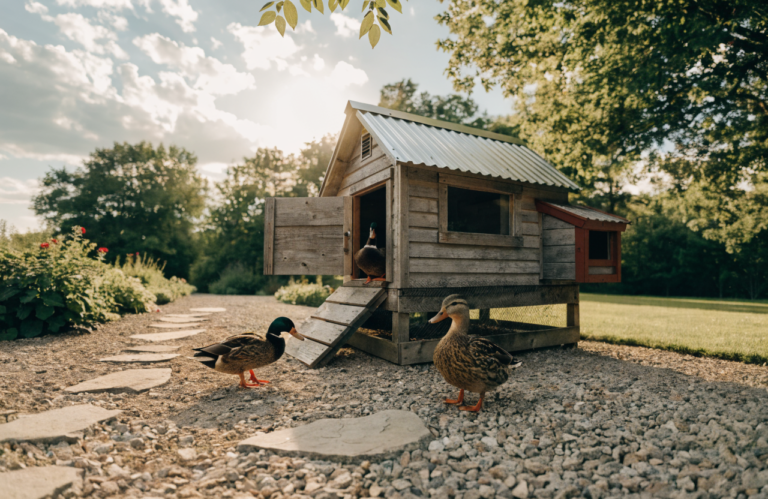
Genius Walkway Lighting Ideas for Chicken Coops (Solar Options + Predator-Smart Tips)
Your coop walkway can look charming and keep predators guessing at the same time. Smart lighting helps you see where you’re stepping, deters prowlers, and saves you from midnight flashlight acrobatics. These ideas lean solar, keep your flock calm, and make your path look like a mini runway—without luring every raccoon within a mile. Ready to light it right?
1. Solar Path Stakes That Guide, Not Blind
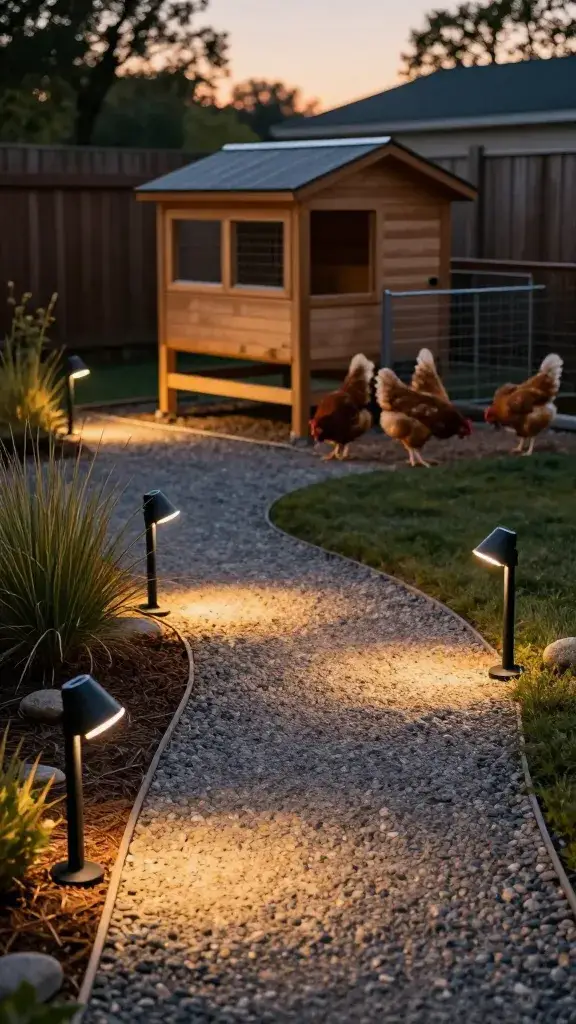
Simple solar path stakes deliver just enough glow to walk safely without turning your yard into a stadium. They install fast, sip sunlight all day, and click on automatically at dusk. The trick? Choose warm, low-lumen models and place them smartly.
Tips For Picking The Right Stakes
- Warm white (2700–3000K) keeps hens calm and visibility smooth.
- Low lumen (10–50 lm) per light avoids glare and predator spotlighting.
- Downcast or shielded lenses focus light on the path, not the coop windows.
- Metal housings + glass lenses last longer than plastic, especially in snow and sun.
- Replaceable AA/18650 batteries make long-term maintenance painless.
Placement That Makes Sense
- Stagger lights every 4–6 feet on alternating sides for even coverage.
- Keep lights 8–12 inches from the path edge so you don’t kick them.
- Avoid shining directly at coop pop doors or roost windows to protect sleep cycles.
- Angle heads slightly inward to eliminate dark gaps.
Use these for daily convenience and soft, safe wayfinding. Great for quick lockups, feed runs, and late-night “did I close the gate?” checks.
2. Motion-Sensor Spots That Trigger Only When Needed
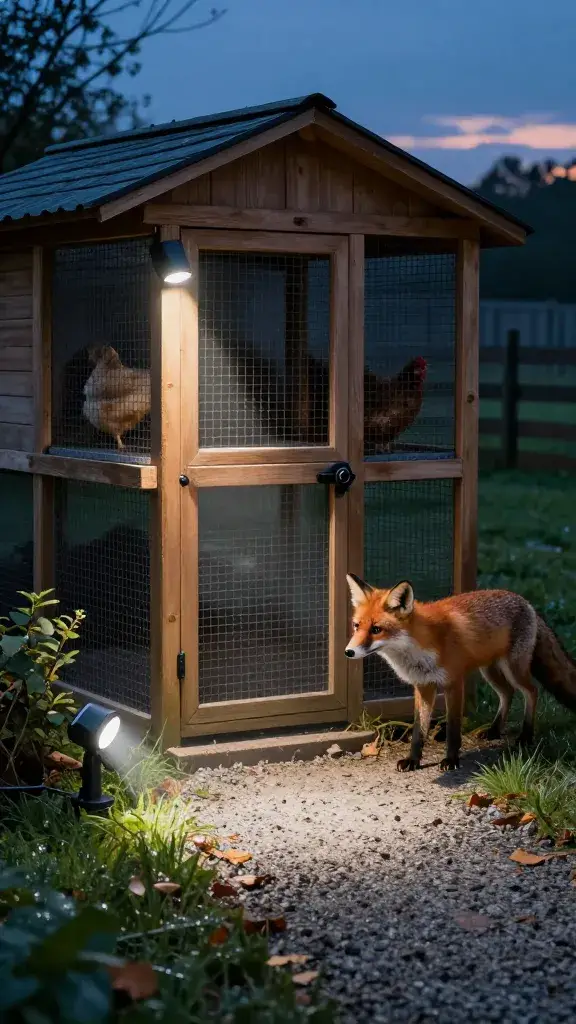
Motion lights save battery and surprise sneaky visitors. When a sensor trips, the path lights just long enough for you to see—or to spook a prowling fox. Set sensitivity right so blowing leaves don’t wear out the batteries, IMO.
Key Points
- PIR motion sensors detect body heat, not just movement—more reliable for animals.
- Adjustable timeout (10–30 seconds) keeps energy use low.
- Dual-brightness models run a soft glow, then brighten on motion.
- Cutoff shields or visors prevent light spill into the coop.
Where To Aim Them
- Mount knee to waist height along the walkway posts or low fence line.
- Aim parallel to the path so you light the ground, not your retinas.
- Point a couple lights toward entry gates and latch areas for quick hands-free visibility.
- Angle sensors away from busy roads or trees to reduce false triggers.
Best for mixed-use areas where you want stealth until action happens. Also perfect near feed bins and lock points you always fumble with at night.
3. Low-Voltage Solar-To-12V Hybrid For Reliable, Even Glow
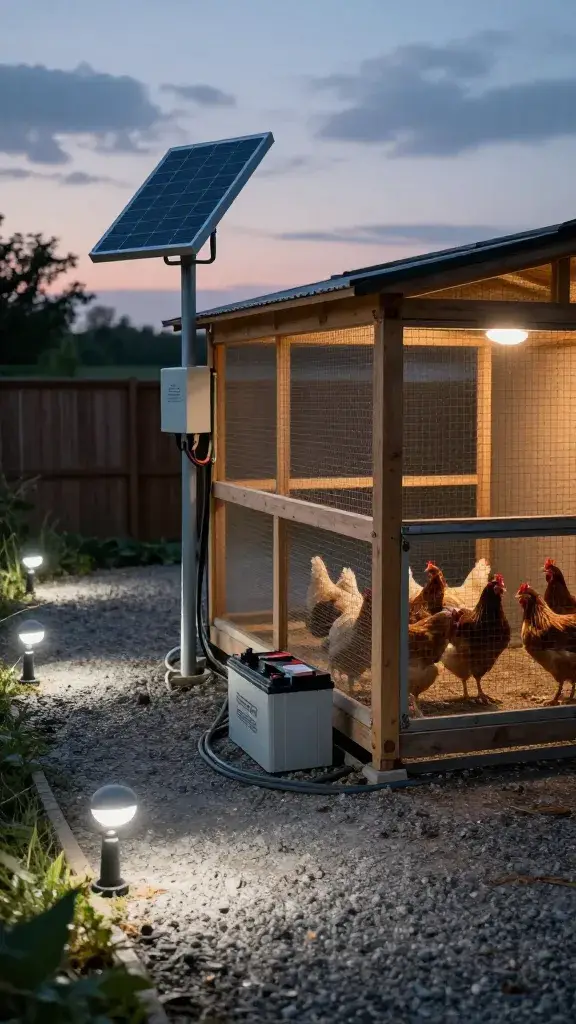
Want consistent light even after three cloudy days? Go hybrid. Use a small solar panel, a charge controller, and a 12V battery to power a string of low-voltage walkway lights. It sounds techy, but it’s a weekend project with big payoffs.
What You’ll Need
- 20–50W solar panel mounted south-facing (tilt 30–45 degrees).
- Charge controller with dusk/dawn settings.
- 12V battery (AGM or LiFePO4) sized for 2–3 nights of runtime.
- 12V LED bollards or deck lights with frosted or downcast housings.
- UV-resistant wire + conduit to protect from pecking and chewing.
Setup Tips
- Run lights at 1–2W each and space them every 5–6 feet.
- Use a timer or low-output evening setting to preserve dark hours for the flock.
- Install the battery and controller in a weatherproof, ventilated box off the ground.
- Add a manual override switch near the coop door for emergencies.
This setup gives you smoother, longer-lasting light than standalone stakes. Ideal for larger runs or longer walkways where consistency matters, seriously.
4. Predator-Smart Light Tactics That Don’t Invite Trouble
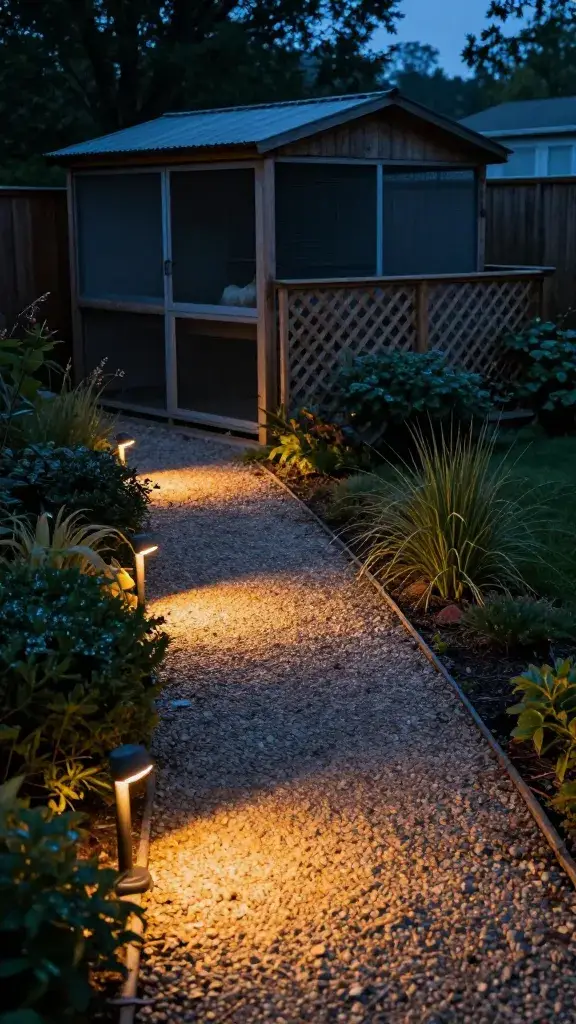
Light helps you, but clever placement keeps predators from using that same light as a map. The goal: illuminate your path while keeping the coop dark, quiet, and boring to prowlers. Think controlled pools of light and “no free buffet signage.”
Predator-Savvy Moves
- Keep light off the coop interior to protect sleep cycles and reduce curiosity.
- Use amber or warm tones instead of blue-white, which travels farther.
- Block sightlines with plantings, lattice, or short fence panels near your path.
- Break up approach angles with staggered lighting so nothing looks like a runway to the pop door.
- Motion lights at perimeter, not at the coop, to startle earlier.
Add-On Deterrents
- Solar “predator eye” blinkers at fence height on the property edge only (not right by the coop).
- Hardware cloth skirts and gravel around the walkway to discourage digging.
- Chime or gravel path for subtle noise when something moves.
These tweaks reduce predator comfort while keeping your nightly routine smooth. Use them if raccoons, foxes, or coyotes cruise your neighborhood, FYI.
When Lighting Can Backfire (And How To Fix It)
- If birds seem restless, dim brightness or shorten run times.
- If you see more critter traffic, shift lights outward to the yard edge and reduce near-coop glow.
- Glare in your eyes? Add hoods or louvers and lower mounting height.
Dialing in these details makes your setup smarter than the average raccoon. Trust me, they notice everything.
5. Cozy Aesthetics: Rope, Deck, And Marker Lights That Wow
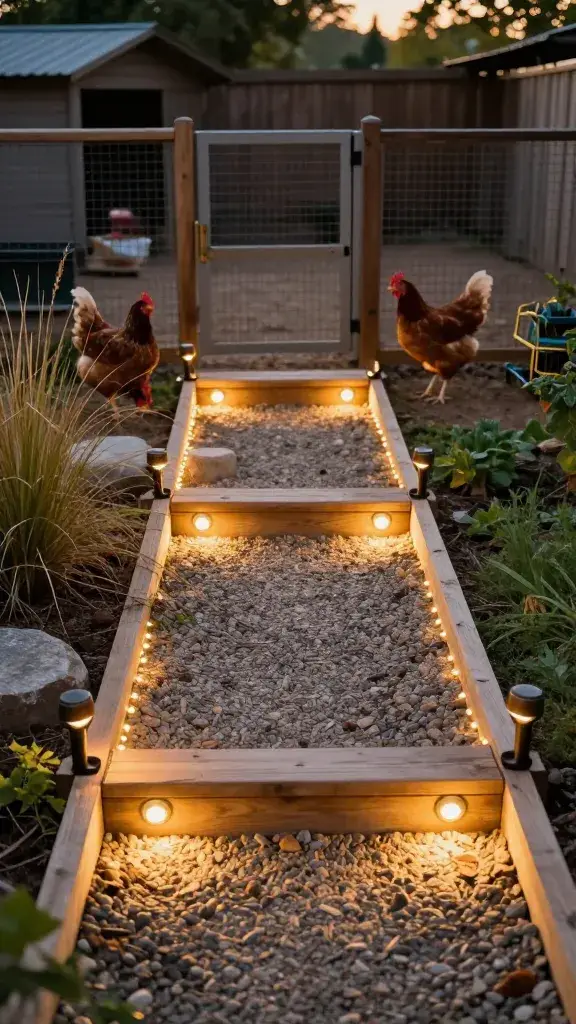
Function matters, but a little charm goes a long way. Low-profile deck lights, recessed step pucks, and solar rope lights turn a plain path into a vibe. Keep it subtle and downward so it’s cute for you and chill for the flock.
Ideas To Steal
- Solar rope lights tucked under a pressure-treated or cedar edging for a soft halo effect.
- Recessed 12V pucks in steps or risers to outline level changes.
- Deck/riser lights mounted 4–6 inches off the ground, spaced every 3–4 feet.
- Marker stones with integrated LEDs at corners and turns.
- Mini bollards (12–18 inches tall) with frosted lenses for non-glare glow.
Materials That Last
- IP65 or higher weather rating for rain and hose splash.
- Stainless or powder-coated aluminum beats plastic in hot/cold cycles.
- Warm 2700–3000K LEDs for a campfire vibe instead of a lab vibe.
- Frosted diffusers to soften hot spots and reduce shadows.
Little Design Moves, Big Payoff
- Outline only the walking edge to create depth and save energy.
- Accent gate posts with a single, slightly brighter fixture as a visual anchor.
- Keep lights below roost height and angled down to keep hens snoozing happily.
Use this approach when you want your coop corner to look like a charming garden path rather than a construction site. It’s form plus function, tidy and timeless.
Ready to give your chickens the red-carpet treatment without turning the yard into a rave? Mix one guidance system (stakes or hybrid) with a few motion spots and a couple of aesthetic touches. You’ll walk safely, save energy, and keep predators guessing—while your coop area looks downright adorable at night.
Share this content: