Genius 10 Cut Flower Garden Ideas for Buckets of Blooms All Season
Want armfuls of fresh flowers from your backyard from spring to frost? You can totally pull it off without a greenhouse or a trust fund. These ideas stack color, scent, and texture so you always have something to snip. Grab your clippers—your kitchen table is about to look like a flower shop.
1. Succession Plant Like a Flower Farmer
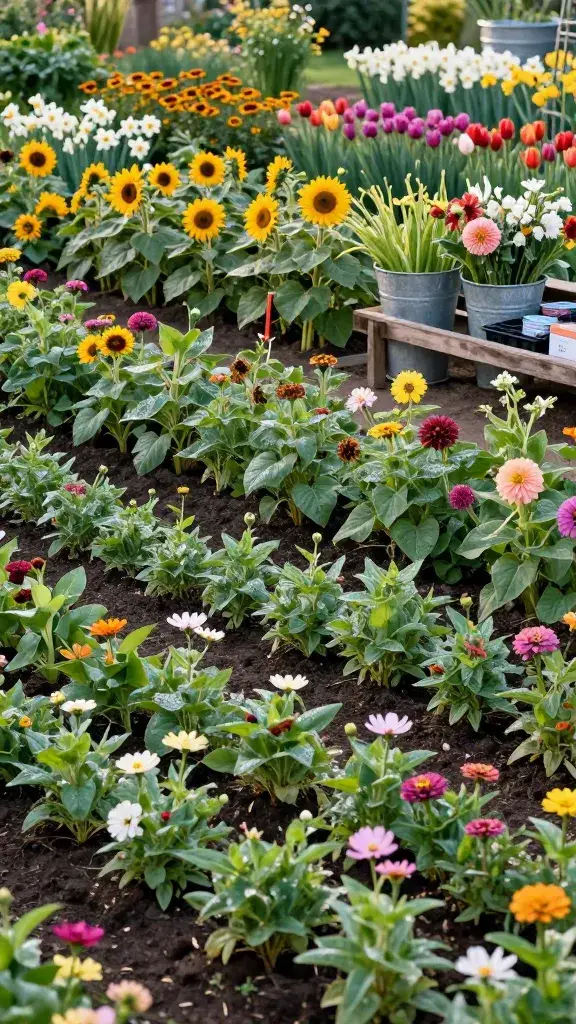
Gaps in bloom time kill the vibe and your bouquets. Succession planting keeps stems coming by staggering sow dates and varieties that bloom in waves.
How To Stagger
- Sow quick annuals (zinnias, cosmos) every 2–3 weeks for 6–8 weeks.
- Choose early, mid, and late varieties of favorites like dahlias or sunflowers.
- Mix plant types: bulbs for spring, annuals for summer, perennials for fall.
Result? No awkward lull weeks—just constant color and plenty to share.
2. Build a “Filler-First” Bed
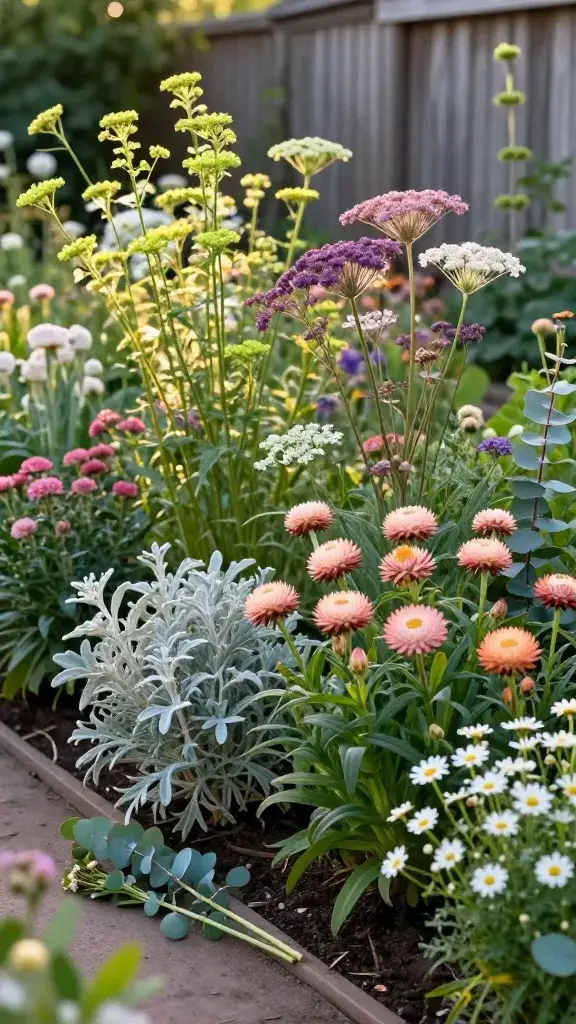
Showstopper blooms get all the hype, but fillers make bouquets look lush and designer-y. Grow foliage and airy stems so every arrangement looks intentional.
Must-Grow Fillers
- Bupleurum for limey chartreuse fizz
- Ammi dara or false Queen Anne’s lace for lacy layers
- Strawflower for papery texture that dries beautifully
- Dusty miller and eucalyptus for cool-toned foliage
- Feverfew for cheerful dots and longevity
Fillers stretch fancy blooms further, so every harvest looks abundant—FYI, your wallet will thank you.
3. Color-Block for Designer Bouquets
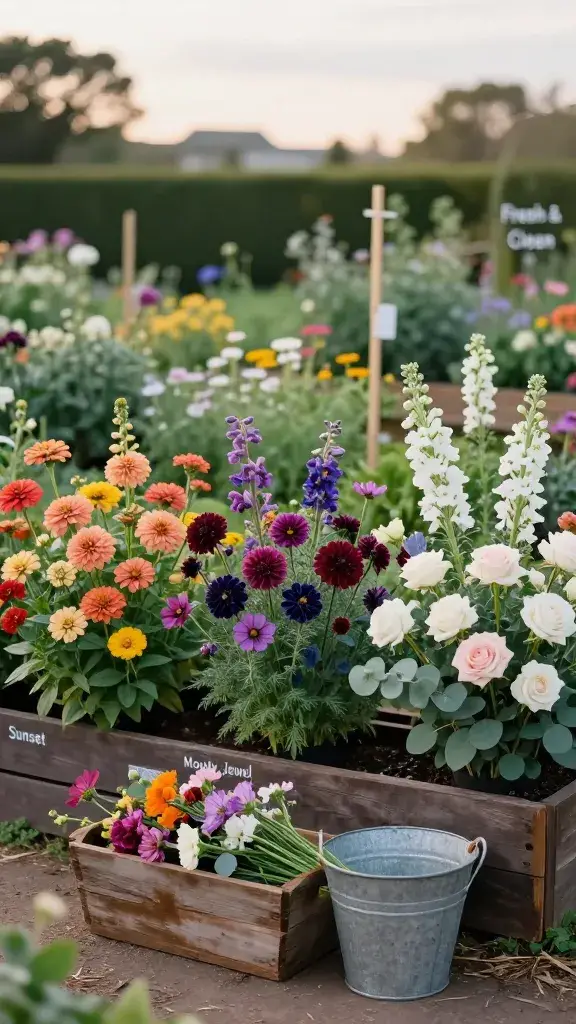
Random rainbow beds can look chaotic. Color-blocking lets you pull coordinated stems in seconds and makes even a quick jam-jar bouquet look curated.
Easy Palettes
- Sunset Bed: apricot, peach, coral, soft yellow
- Moody Jewel Bed: wine, plum, navy, deep magenta
- Fresh & Clean: white, cream, blush, sage green
Pick a bed per vibe, snip within that zone, and boom—instant “florist who?” energy.
4. Mix Workhorse Annuals With Reliable Perennials
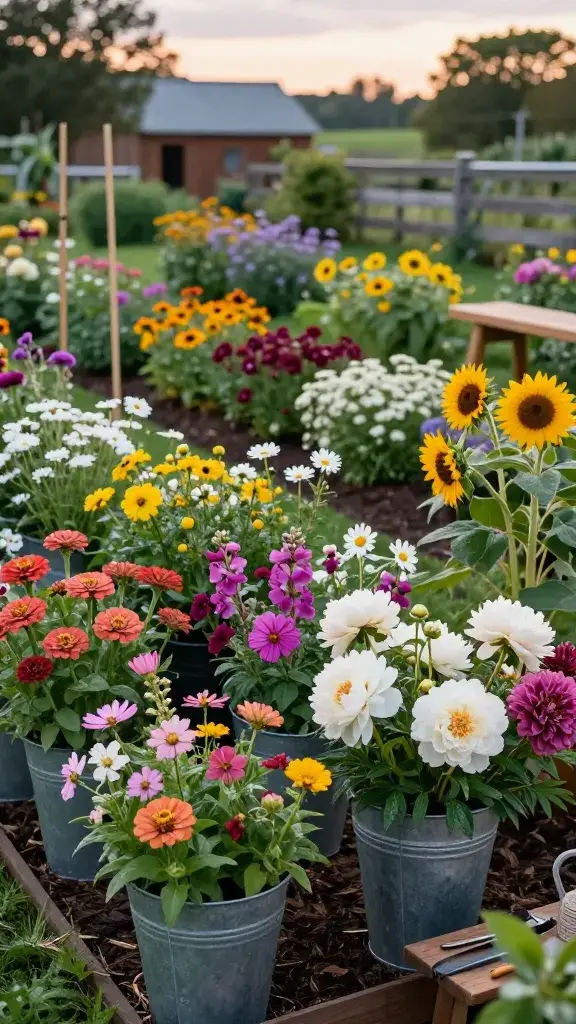
Annuals deliver fireworks; perennials deliver consistency. Blend both so you get volume now and less replanting later.
Hero Lineup
- Annuals: zinnias, cosmos, snapdragons, celosia, amaranth, scabiosa, sunflowers
- Perennials: phlox, echinacea, yarrow, rudbeckia, bee balm, shasta daisy
- Divas Worth It: dahlias (tuberous, prolific), peonies (short window, unreal impact)
This combo covers all seasons and keeps your buckets full, even when one group slows down.
5. Plant a Spring Bulb Boom, Then Tuck in Warm-Season Stars
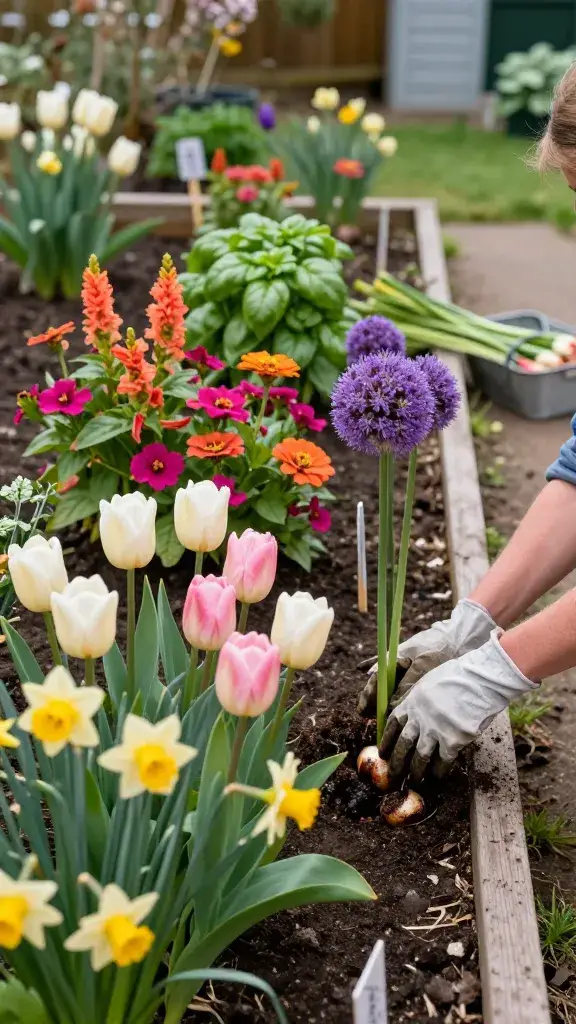
Use fall-planted bulbs as your early-season headliners. When they fade, sneak in heat lovers to take over the same real estate.
Flip-the-Bed Plan
- Fall: plant tulips, daffodils, alliums in clumps.
- Late spring: harvest bulbs; pull spent tulips (annualize them) and top up compost.
- Early summer: plug in zinnias, basils (for foliage + scent), and celosia.
You’ll go from elegant spring stems to bold summer color without expanding your footprint—seriously efficient.
6. Go Tall-to-Short Rows for Easy Harvesting
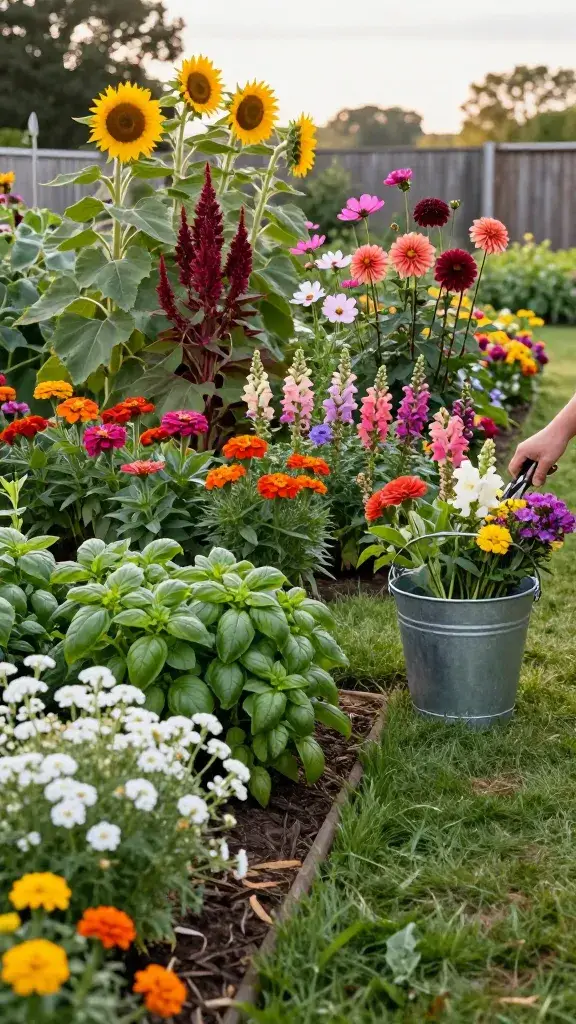
Smart layout saves your back and your blooms. Arrange by height so you don’t trample stems while you snip.
Layout Basics
- Back: sunflowers, amaranth, cosmos, tall dahlias
- Mid: zinnias, phlox, snapdragons
- Front: short fillers, basil, feverfew, dwarf marigolds
- Paths: 18–24 inches wide so a bucket and hips fit (trust me, you’ll need it)
This setup turns harvest into a stroll, not a wrestling match with plants and a sloshing bucket.
7. Grow for Vase Life Like a Pro
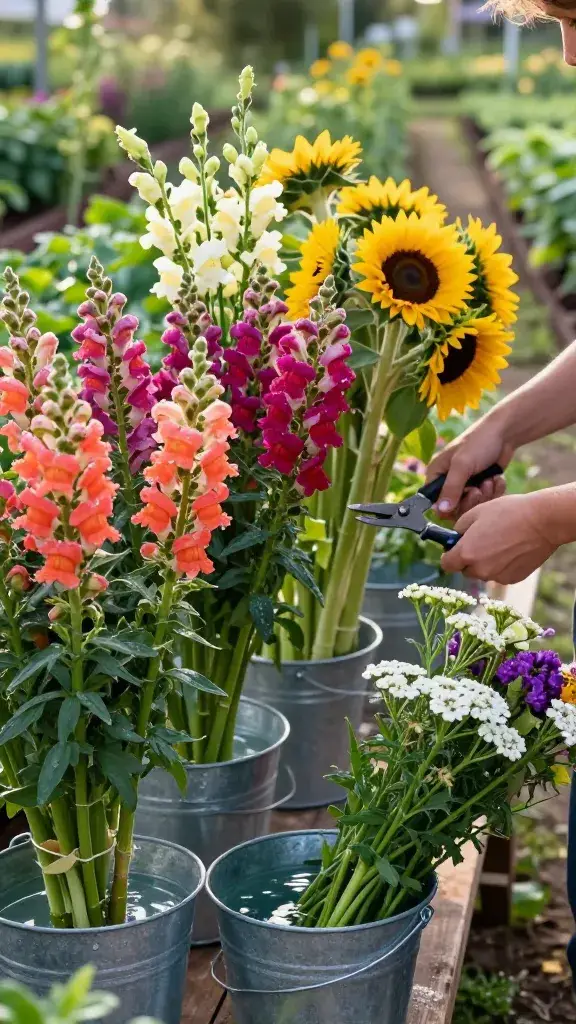
Not all flowers last equally. Choose varieties and harvest timing that keep bouquets fresh for a week or more.
Long-Lasting Winners
- Snapdragons (cut at one-third open)
- Zinnias (cut when petals are firm; do the wiggle test)
- Sunflowers (cut at cracking bud or first petals showing)
- Lisianthus (multiple flushes, stellar vase life)
- Yarrow and statice (nearly immortal)
Quick Harvest Tips
- Harvest early morning, use clean snips, plunge stems into cool water fast.
- Strip leaves below the waterline. Always.
- Condition in a cool spot for 2–4 hours before arranging.
Better vase life means fewer sad, droopy surprises and more “wow, still?” moments.
8. Add Scented Sidekicks for That Flower-Shop Smell
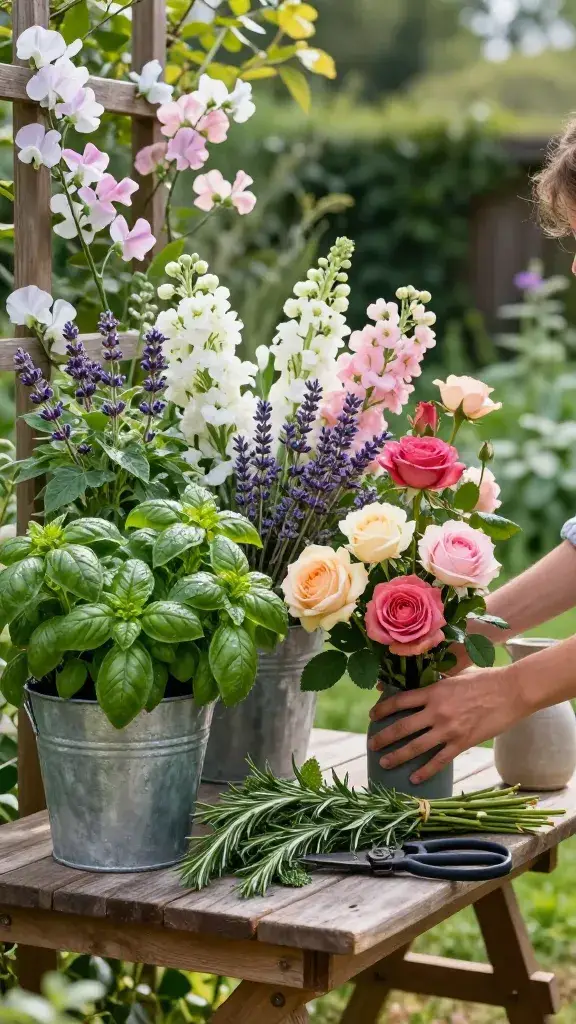
Fragrance turns a pretty bunch into a memory. A few aromatic stems per bouquet change the entire experience.
Best Smellers
- Sweet peas (cool season, trellis, cut relentlessly)
- Stock (spicy-clove scent, spring star)
- Herbs: basil ‘Mrs. Burns’ Lemon’, mint, rosemary, lavender
- Roses (select cutting varieties with strong fragrance)
Use them sparingly for balance. Your kitchen will smell like a boutique, not a candle factory—IMO, perfect.
9. Master the “Thriller, Filler, Spiller” Bucket
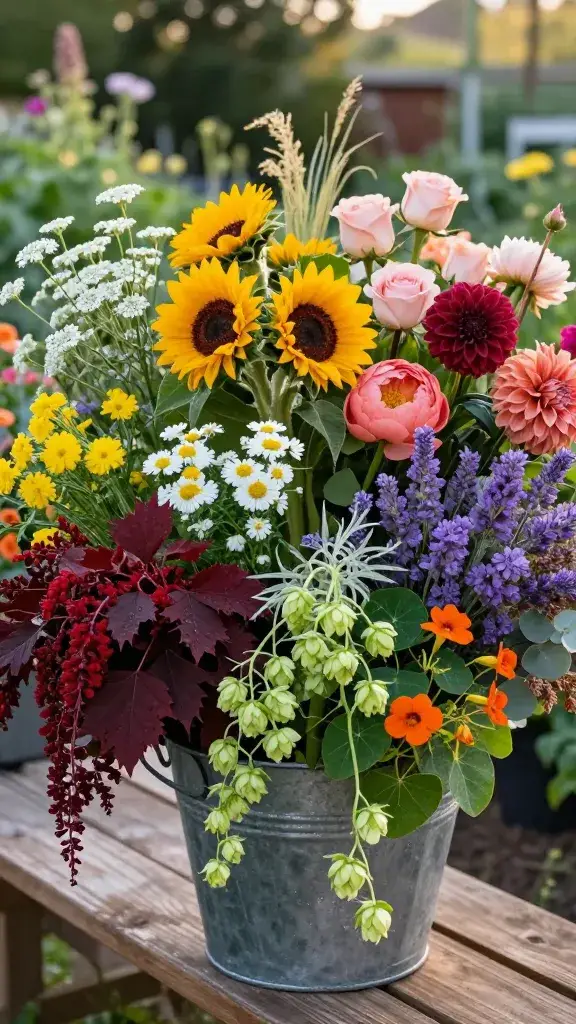
Want foolproof arrangements? Harvest by this simple formula so your buckets pack everything you need for balance.
The Formula
- Thrillers: focal blooms with presence—sunflowers, dahlias, roses, peonies
- Fillers: airy stems—ammi, bupleurum, feverfew, statice
- Spillers/Trail: amaranth, love-in-a-puff vine, trailing nasturtiums, hops
- Foliage: ninebark, smoke bush, eucalyptus, ornamental grasses
Cut 3–5 thrillers, a fistful of fillers, a couple trailing bits, and foliage. Arranging becomes a five-minute flex.
10. Create a Cut-and-Come-Again “Speed Lane”
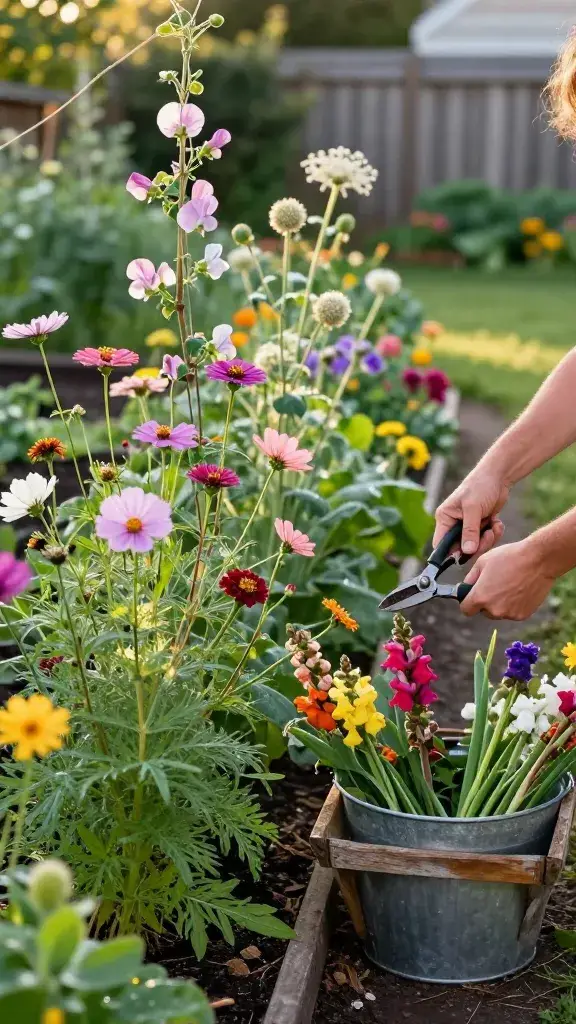
Some plants explode with more blooms the more you cut them. Dedicate a bed to these overachievers and harvest constantly.
Speed Lane All-Stars
- Zinnias (cut deep above a node for longer stems later)
- Cosmos (snip before full open for lasting power)
- Sweet peas (pick daily to prevent seed set)
- Scabiosa (grab buds and seed pods for texture)
- Snapdragons (deadhead for repeat spikes)
With frequent cuts, this bed becomes your daily grocery aisle but for flowers—zero guilt, maximum joy.
1. Design Beds for Easy Watering and Weeding
Okay, bonus-but-not-really: great flowers need consistent care. Set up your space to make maintenance painless.
Smart Setup
- Raised or mounded rows for drainage and faster spring warm-up.
- Drip irrigation with a timer so plants don’t throw a thirst tantrum.
- Mulch paths with wood chips or leaves to block weeds and save time.
Less fussing means more blooming—and more time arranging instead of wrestling hoses.
2. Start Seeds the Easy Way (And When to Buy Starts)
Seeds save cash and unlock rare varieties. But some divas deserve a head start from the nursery, no shame.
Start From Seed
- Annuals like zinnias, cosmos, sunflowers, marigolds, basil—germinate fast and forgive mistakes.
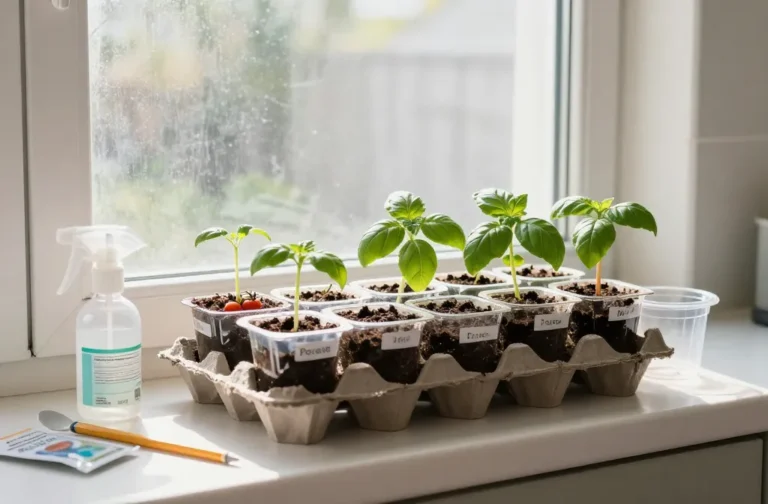
- Use cell trays, seed-starting mix, and strong light; pot up once before transplant.
Buy as Starts
- Lisianthus, eucalyptus, some salvias—they take ages and test patience.
- Dahlias from tubers and roses from quality stock for reliable performance.
Pick your battles and your blooms will thank you—so will your calendar.
3. Stagger Heights With Support (No Flopping Allowed)
Wind and rain will pancake a bed of top-heavy beauties. Add discreet support so stems stay long and straight.
Support Options
- Hort netting stretched over rebar for snaps, scabiosa, cosmos.
- Tomato cages for dahlias, especially dinner-plate divas.
- Teepee stakes and twine for climbing sweet peas.
Upright plants equal longer stems and fewer tears after summer storms—seriously, it’s worth the five-minute setup.
4. Grow Drought-Smart Without Sacrificing Blooms
Heat waves happen. Choose varieties and habits that sip water but still deliver buckets of stems.
Thirst-Savvy Picks
- Zinnias, gomphrena, celosia, statice
- Yarrow, rudbeckia, echinacea, lavender
- Sunflowers (deep roots, happy hearts)
Combine drip irrigation with mulch and you’ll ride out dry spells while your neighbors’ beds sulk.
5. Cut for Texture, Not Just Color
Texture makes bouquets look expensive. Add spikes, disks, umbels, and fluff to build depth.
Texture Menu
- Spikes: snapdragons, veronica, liatris
- Disks: rudbeckia, scabiosa pods, billy buttons
- Umbels: ammi, yarrow, dill flowers
- Fluff: bunny tail grass, panicum, miscanthus plumes
Your arrangements will suddenly have that “editorial” look—aka, friends will demand tutorials.
6. Keep a Cutting Station Ready to Roll
Organization equals more blooms saved at their peak. A tiny station by the garden makes harvesting fast.
Station Checklist
- Clean snips, extra buckets, flower food, twine, plant labels
- Shade spot for conditioning (garage or covered porch)
- Rubbing alcohol or bleach solution for tool dips between plants
Grab, cut, condition, done—no wilted detours while you hunt for scissors.
7. Choose Heat and Cold Anchors for Shoulder Seasons
Stretch your bloom calendar with plants that love the edges of the year. Early and late anchors keep buckets full.
Cool-Season Anchors
- Ranunculus, anemone, stock, snapdragons, sweet peas
Heat-Lovers
- Zinnias, sunflowers, gomphrena, celosia, amaranth, basils
With both on deck, you barely notice season shifts—just a steady parade of stems.
8. Grow a “Wild Card” Trial Row Every Year
Some plants become instant obsessions, others… not so much. Trial a few newbies in one row to upgrade next year’s lineup.
Fun Trials
- Phlox ‘Cherry Caramel’, rudbeckia ‘Sahara’, celosia ‘Flamingo Feather’
- New zinnia series, unusual basils (cinnamon, Thai), ornamental millet
You’ll discover dark horses that crush it in your microclimate—and retire any divas that ghost you.
9. Harvest Deep and Often for Longer Stems
Cut timid and you get stubby regrowth. Cut deep above a strong leaf pair or node and plants reward you with longer, straighter stems.
Deep-Cut Targets
- Zinnias, cosmos, snapdragons, dahlias, scabiosa
- Remove side shoots if you want fewer, longer focals (sunflowers, dahlias)
Regular, confident cuts keep production high and your vase game strong.
10. Dry and Save the Extras
When your buckets overflow, bank some beauty for later. Dried elements add texture to winter arrangements and wreaths.
Best for Drying
- Strawflower, statice, gomphrena, nigella pods, amaranth, eucalyptus
Simple Method
- Hang small bundles upside down in a dark, airy spot for 2–3 weeks.
- Store in boxes with tissue to avoid crushing.
You’ll have “flowers” on tap even when the garden sleeps—ultimate thrifty flex.
Ready to grow a season-long flower party? Start with two or three of these ideas and build from there. Before long, you’ll need more buckets—and more friends to pawn bouquets off on, in the best way possible.
Share this content: