7 Dog Breeds for Homestead That Do the Heavy Lifting
Want a homestead that basically runs itself? Get the right dog on your land, and suddenly you’ve got a security guard, varmint patrol, chicken bodyguard, and best friend—all in one furry package. These breeds work hard, think independently, and love having a job to do. Ready to meet the MVPs of the farmyard? Let’s pick a partner who actually pulls their weight.
1. Great Pyrenees: The Gentle Giant With Night Shift Energy

The Great Pyrenees lives for livestock protection. They patrol your perimeter at night, nap strategically by day, and treat your goats and chickens like VIPs. If predators lurk, the Pyr’s booming bark makes coyotes reconsider their life choices.
Why They Shine
- Guardian instincts without training overkill—these dogs read the room (and the pasture).
- Calm with kids and stock, assertive with threats.
- Weatherproof coat that laughs at snow and cold winds.
Train early with clear boundaries. Pyrs think independently, so keep sessions short and confident. FYI, they wander if fencing fails—lock down those lines. Perfect for full-time flock guardians and families who want a calm, steady presence.
2. Australian Cattle Dog: The Blue Heeler Rocket You Can Actually Steer
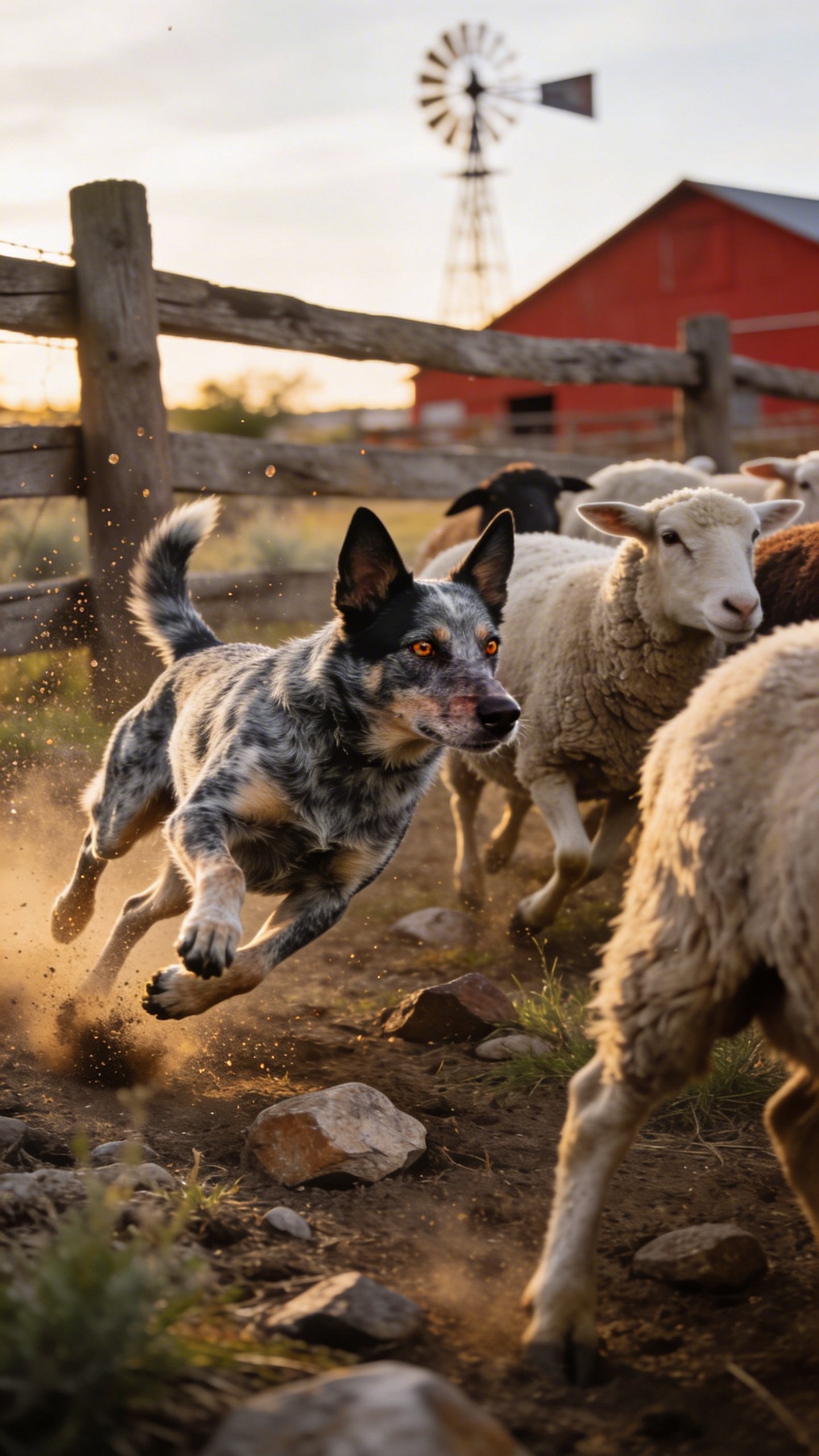
If your homestead feels chaotic, the Australian Cattle Dog brings order at Mach 3. These dogs move livestock with laser focus, solve problems fast, and obey like your best farmhand—only with better cardio.
Key Traits
- Insanely smart—they pick up routines and hand signals fast.
- Tireless worker who thrives on daily tasks.
- Compact and tough—built for rugged terrain and long days.
Give them a job every single day: herding drills, fetch with structure, agility, or nosework. Without work, they invent hobbies (like redecorating your boots). Ideal for homesteads with cattle or goats and owners who love training. Benefit? Efficient movement of stock without the drama.
3. Anatolian Shepherd: The No-Nonsense Perimeter Boss
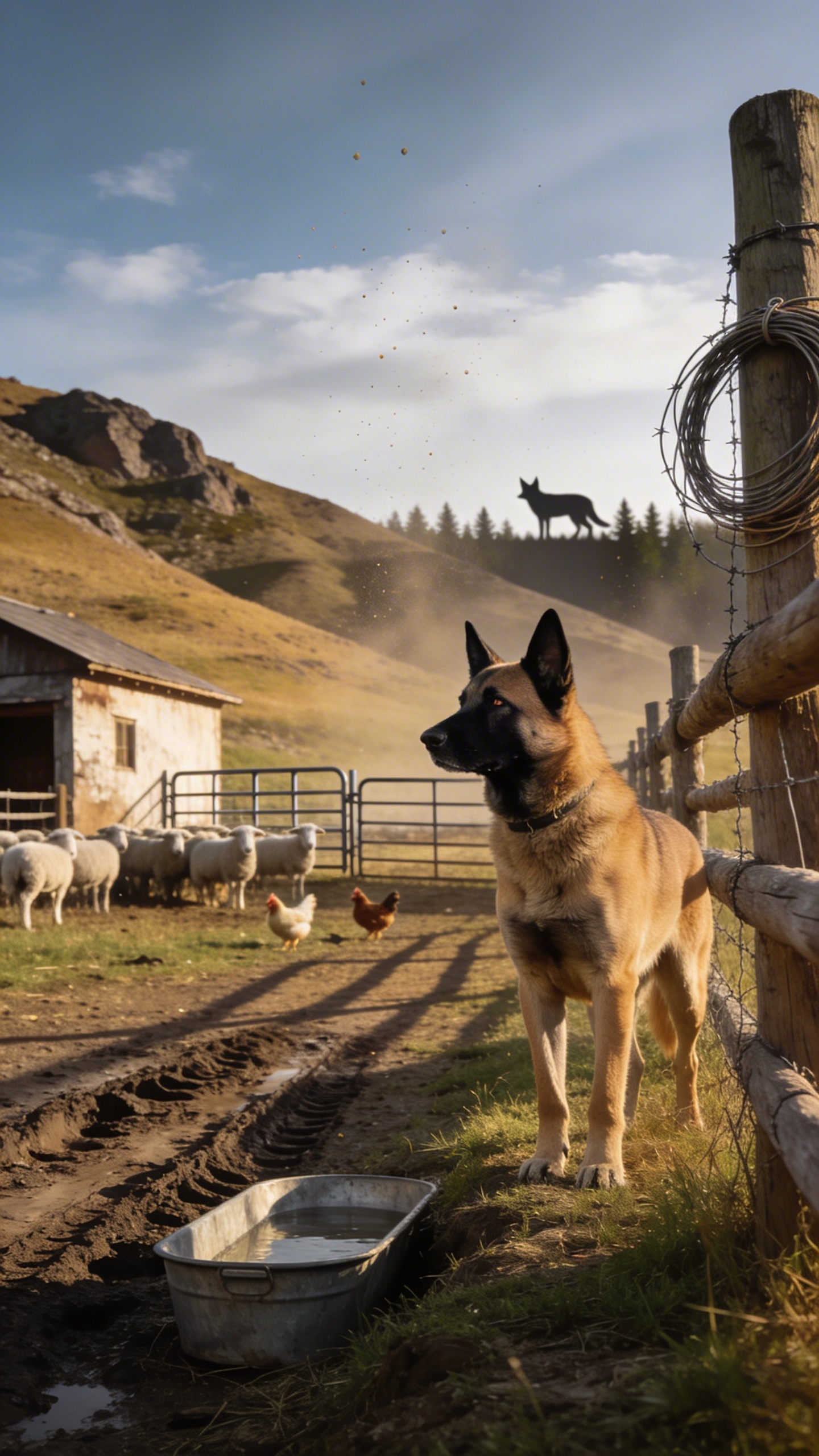
When predators get bold, the Anatolian Shepherd gets bolder. This is a serious livestock guardian bred for independent decision-making and extreme duty. Think of them as your living fence alarm.
What Stands Out
- Massive deterrent—predators notice their size and attitude.
- Independent and cool-headed under pressure.
- Minimal grooming for a giant guardian breed.
Start with strong socialization to your livestock, not your couch. They guard territory more than people, so reinforce property boundaries from day one. Use secure fencing and clear routines. Best for remote or open land with predator pressure. You’ll sleep better, seriously.
4. Border Collie: The Genius You’ll Brag About
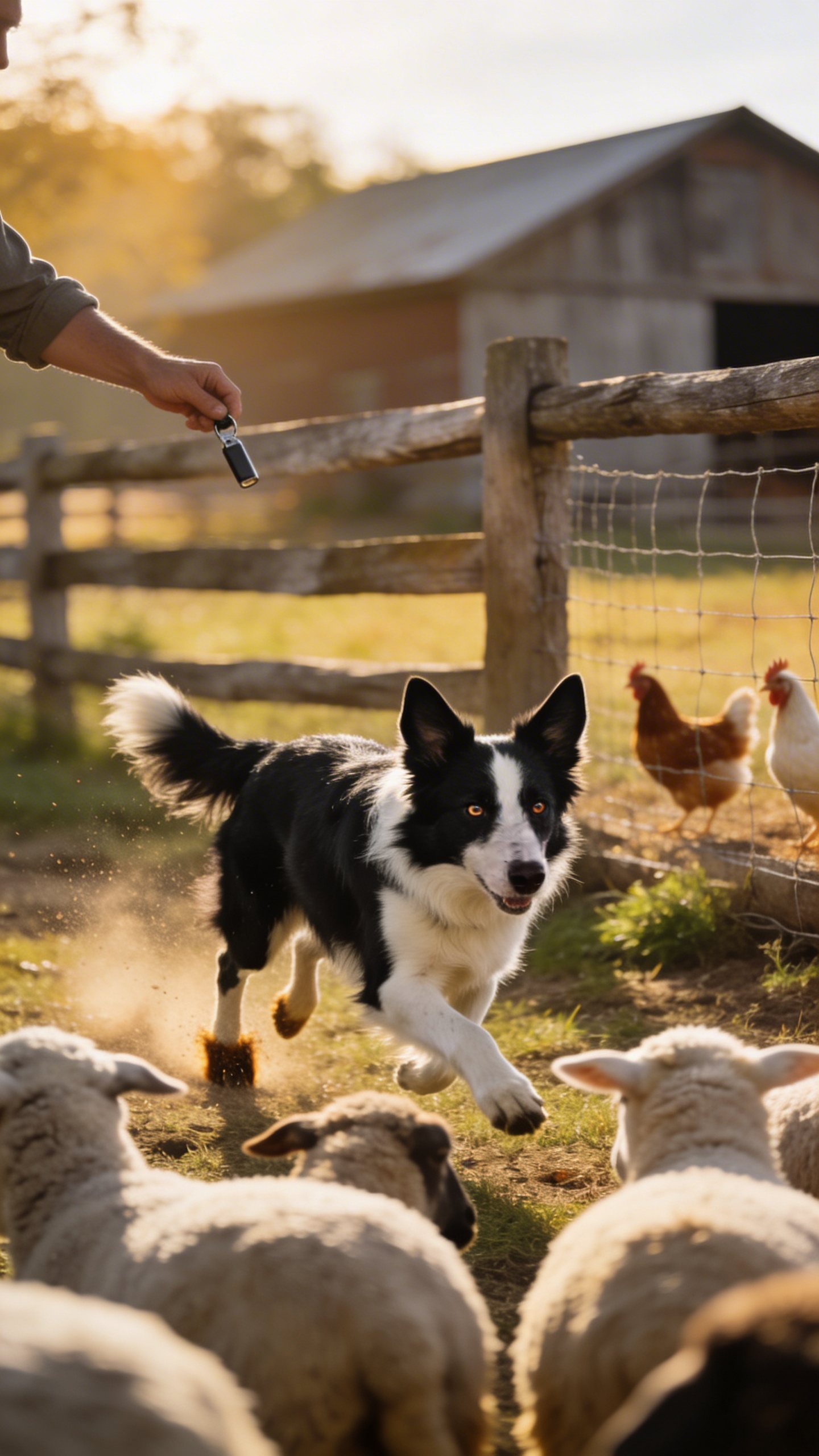
Need precision herding and a dog that reads your mind? The Border Collie delivers surgical-level stock movement and loves learning every trick you can dream up. They thrive on communication, structure, and mental gymnastics.
Tips For Success
- Daily mental work—patterned herding, obedience games, scent puzzles.
- Firm boundaries around over-fixation (no chasing chickens for sport).
- Fair, consistent handling—they’re sensitive and super attuned to your tone.
Keep sessions short and strategic. Use long lines when shaping herding skills around green animals. Border Collies shine on mixed farms that need delicate movement of sheep, goats, or ducks. Bonus: they make brilliant chore buddies and training partners.
5. Maremma Sheepdog: Chill Guardian With Old-World Wisdom

The Maremma brings quiet stability to your flock. They bond deeply to their herd and hold steady under pressure—less flashy than some guardians but beautifully reliable. If you want a calm, devoted protector, this one’s your dog.
Good To Know
- Strong livestock bonding—they prefer the company of sheep over your sofa.
- Low reactivity with a steady, watchful presence.
- Excellent for poultry when socialized early to birds.
Introduce them as pups to your stock and keep human cuddles moderate early on. They guard best when they see animals—not people—as their core responsibility. Ideal for flocks, free-range setups, and homesteads that value consistent, low-drama defense.
Quick Comparison: Pyrenees vs. Maremma
- Pyr: Bigger bark, more perimeter roaming.
- Maremma: Sticks closer to the flock, calmer demeanor.
Choose based on your layout and predator pressure. Both excel; it’s about style, not just strength.
6. Standard Schnauzer: The Surprisingly Rugged All-Rounder

Don’t let the beard fool you. The Standard Schnauzer is a gritty, athletic farm dog with brains for days. Historically used for ratting, guarding, and general farm work, they slot into modern homesteads like they were built for it.
Why They’re Awesome
- Varmint control—excellent at keeping barns rodent-free.
- Alert watchdog with a strong voice and keen senses.
- Low shed, wiry coat that handles mud and brush with simple grooming.
Give them structured jobs: barn checks, boundary walks, scent games, and obedience refreshers. They love participating in literally everything. Perfect for small-to-midsize homesteads that need a watchdog, kid-friendly companion, and rat assassin all in one.
7. English Shepherd: The Old-School Farmhand Who Just Gets It
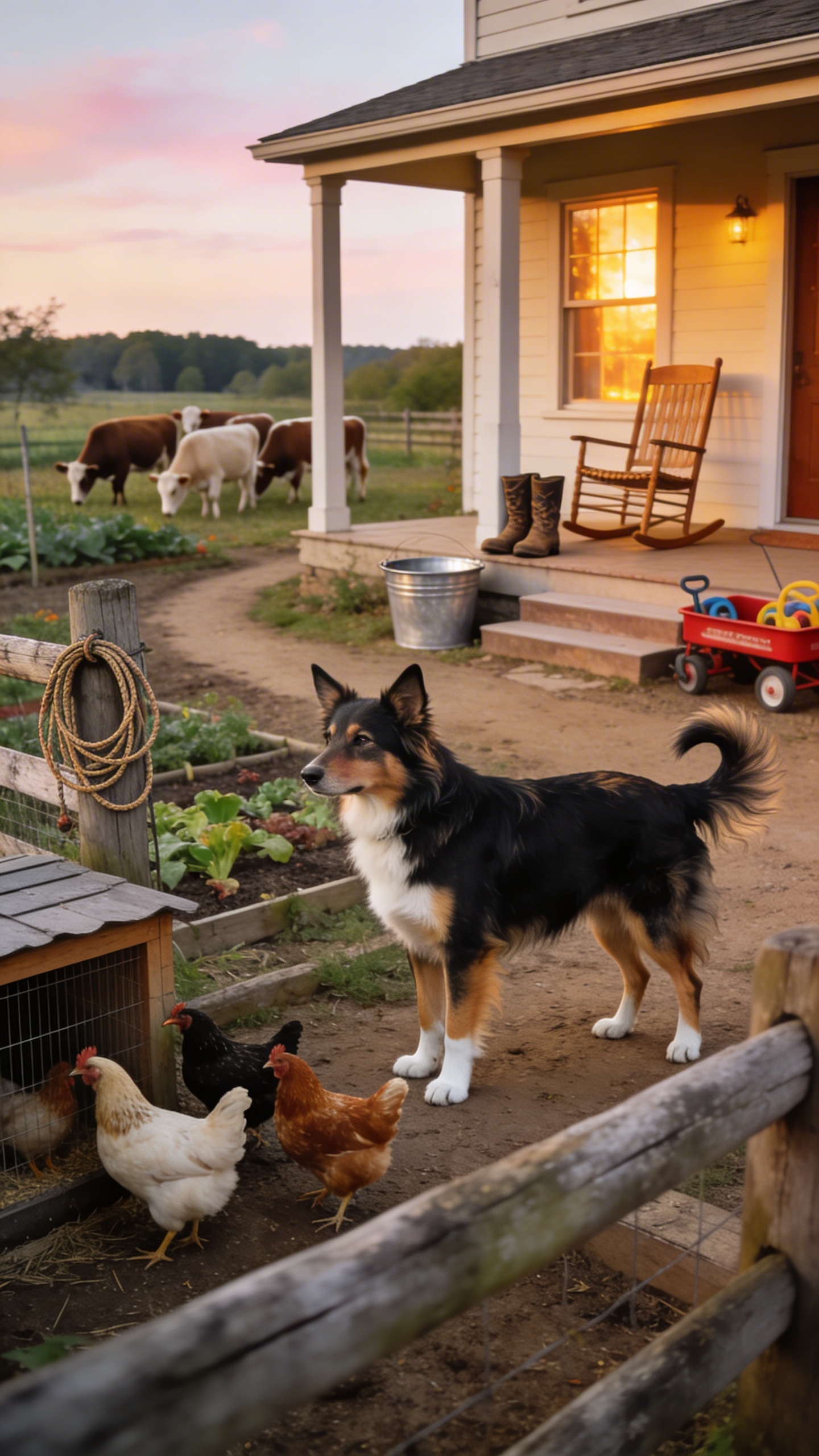
The English Shepherd feels like a dog your great-grandparents swore by. Versatile, biddable, and family-minded, they’ll gather the hens, heel the cattle lightly, and then nap on the porch like a Norman Rockwell painting come to life.
Strengths You’ll Notice Fast
- Multi-purpose worker—herding, guarding, vermin control, and kid supervision.
- Moderate energy with high trainability—busy but not frantic.
- Natural sense of “home”—excellent boundary respect when taught early.
Teach chores as routines: “check the coop,” “bring the goats,” “yard sweep.” They thrive on clear daily patterns. This breed shines on family homesteads with mixed tasks and a bit of everything. Benefit? One dog that elegantly stitches your whole operation together.
Choosing The Right Breed For Your Setup
- Predator Pressure High? Great Pyrenees, Anatolian, or Maremma.
- Precision Herding Needed? Border Collie or Australian Cattle Dog.
- All-Round Utility + Companionship? English Shepherd or Standard Schnauzer.
Consider acreage, fencing, daily time for training, climate, and the livestock you keep. Match the dog to the job first, the vibe second.
Training And Management Basics (Trust Me, These Matter)
- Start young with stock exposure and boundaries.
- Use routines—dogs love predictable chores and cues.
- Feed working calories—lean protein, joint support, and hydration checks.
- Vet and parasite control—ticks, fleas, and worms hit hard on farms.
- Solid fencing—even the best guardian can’t out-guard a broken fence.
The right foundations keep your dog confident and your animals safe. Don’t skip this—IMO, it’s the difference between chaos and cruise control.
Gear That Makes Life Easier
- GPS collar for wide-ranging guardians.
- Long line for controlled herding practice.
- Stock-safe muzzle for careful introductions when needed.
- Weatherproof shelter near the animals they guard.
- High-visibility ID tags for night checks.
Right tools, right dog, right routine—that’s the winning trifecta.
Common Mistakes To Avoid
- Turning guardians into house pets during bonding months—let them live with stock.
- Over-exercising puppies of giant breeds—protect those joints.
- Letting herders chase poultry for “fun”—manage and train impulse control early.
- Underestimating boredom—working breeds need jobs, not just yard time.
Fix these, and your success rate skyrockets—seriously.
Ready to level up your homestead? Pick the breed that fits your land, your chores, and your energy. With the right dog at your heels (or patrolling the fence line), every day runs smoother—and a lot more fun.
Share this content: