Decode Your Flock Fast Chicken Poop Chart (Printable): What Colors and Shapes Mean
Chicken poop tells on your flock faster than any thermometer. One glance in the coop and you’ll know who ate too many berries, who’s dehydrated, and who might need a vet. Glamorous? Nope. Useful? Absolutely. Let’s decode those droppings so you can catch problems early and save yourself a lot of guesswork.
Why a Poop Chart Actually Matters
Your hens don’t fake it—what comes out reflects hydration, diet, stress, parasites, and organ health. If you learn the basics, you’ll spot trouble before it snowballs.
Also, checking droppings takes seconds. You don’t need lab gear. Just your eyes, a flashlight, and maybe a strong stomach.
The Basics: What “Normal” Chicken Poop Looks Like
Normal varies, but it follows a pattern. A typical healthy dropping includes three parts:
- Brown or greenish solid – the digested feed.
- White cap – urates (that’s the bird version of urine).
- Moist but formed texture – holds together, not watery soup.
You’ll also see cecal poops 1–2 times a day. These look different and freak out new keepers.
Cecal Poop: The Stinky Outlier
Cecal droppings often look:
- Color: caramel to dark brown, sometimes reddish-brown
- Texture: pudding-like, sticky, very smelly (like something died… because bacteria did)
Totally normal. Don’t panic if you spot these a couple of times daily.
Color Guide: What Each Shade Can Mean
Use this as your quick cheat sheet. Context matters—check patterns over 24–48 hours, not just one stray blob.
Brown to Chocolate Brown
Usually normal. Especially if formed with a white cap. Cecal poops can be darker and looser.
Green
- Bright green: lots of greens in the diet (grass, veggies) or fasting birds.
- Neon or very watery green: stress, illness, or not eating enough.
If you see bright green plus lethargy or no appetite, time to investigate.
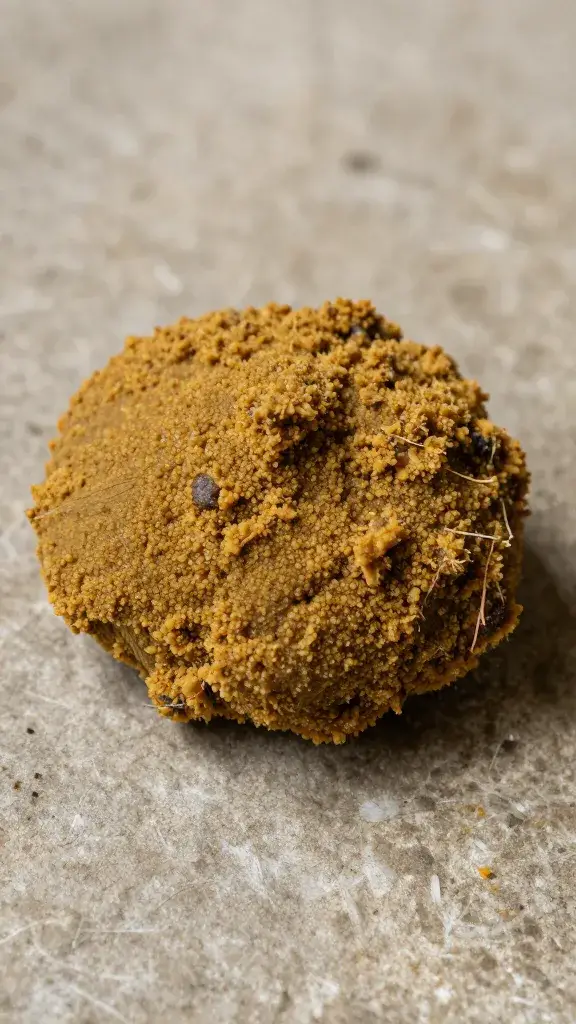
Yellow or Mustard
- Diet-related: corn-heavy feed or treats can tint things yellow.
- Warning sign: persistent yellow, foamy poop may signal intestinal irritation or parasites.
Red or Bloody
- Normal: occasional tiny streaks of intestinal lining shed in cecal poops.
- Not normal: visible blood, frequent red staining, or tarry clots.
Act fast if you see repeated blood—think coccidiosis in chicks or severe gut issues.
Black or Tarry
- Could be digested blood from higher up the gut (melena).
- Could be diet (blueberries, charcoal supplements, dark berries).
If diet doesn’t explain it, that’s a vet situation, IMO.
White or Chalky
White is usually the urates. All-white, pasty, or chalky could mean dehydration or kidney issues. Check water access and watch the flock closely.
Shape and Texture: Form Tells a Story
Color’s only half the picture. The shape and consistency give big clues.
Formed, Slightly Moist Logs
Gold standard normal. Keeps their shape, not crumbly, not soupy.
Loose or Watery
- Heat stress or lots of water: more liquid, especially in summer.
- Diet changes: sudden switch in feed or treats.
- Illness: if it lasts over 24–48 hours with lethargy or poor appetite.
Foamy or Bubbly
That foam screams gut irritation. Possible culprits: coccidia, bacterial imbalance, or too much rich feed. Monitor closely and consider a fecal test if it continues.
Stringy Mucus
A little mucus happens with cecal poops. Lots of mucus for days signals inflammation or parasites.
Undigested Bits
Seeing whole grains or grass? Either they bolted their food or you’re pushing too many whole treats. Grind size and grit availability matter.
Diet, Weather, and Stress: The Big Influencers
Chicken guts react fast to change. Here’s what shifts the spectrum.
Diet Swings
- Greens/veggies: greener, looser poop.
- Corn and scratch: more yellow, sometimes bulkier.
- Berries/charcoal: dark to black droppings.
- High-protein treats: stinkier output (sorry, neighbors).
Hydration and Heat
Hot day? Expect wetter droppings. Ensure cool water, shade, and electrolytes during heat waves.
Stress and Flock Drama
New coop mate? Predator scare? Travel? Stress can mean looser, greenish droppings for a day or two. It should normalize fast if birds eat and drink well.
Red Flags: When to Worry
Not every weird plop screams crisis. But these deserve action:
- Repeated blood or black, tarry poops
- Persistent watery diarrhea plus weight loss or lethargy
- Severe yellow/foamy poops for more than 48 hours
- All-white, chalky droppings with reduced drinking
- Worms visible in droppings (yes, it happens)
FYI: If a chick has bloody or chocolate-pudding diarrhea and acts droopy, call a vet—coccidia can escalate fast.
Printable Chicken Poop Chart: What to Include
You want a one-pager you can stick in the coop. Build it with:
- Color swatches with quick meanings (green = greens/stress; red = blood vs lining; black = berries vs melena)
- Texture icons (formed, loose, foamy, mucus)
- “Normal vs. Monitor vs. Act Now” columns
- Notes area to log date, bird ID, other symptoms
- Hydration checklist for hot days
Pin it near your feed bins. Snap a photo when something looks off and jot a note. Patterns beat guesses, IMO.
Sample Quick-Reference Key
- Normal: Brown with white cap, formed. Cecal: sticky brown, stinky.
- Monitor: Green watery (heat/stress), yellow foamy (diet/gut irritation), occasional mucus.
- Act Now: Repeated blood, black tarry without diet cause, chronic diarrhea, worms seen.
How to Check Droppings Without Losing Your Mind
Yes, you can do this in under five minutes.
- Scan under roosts each morning—fresh samples tell the best story.
- Match poop to birds if possible (crate a suspect for a couple hours with paper towels).
- Note behavior: puffed up, droopy wings, pale combs? That’s your context.
- Review feed and treats for the last 24 hours.
- Hydrate and clean any messy vents—prevents flystrike.
FYI: Wear gloves. Your future self will thank you.
FAQ
How often should I check chicken poop?
Do a quick glance daily when you open the coop. A deeper look once or twice a week works for most flocks. If you’re raising chicks or recently changed feed, check more closely for a few days.
Can treats cause weird poop?
Oh, 100%. Greens loosen it, corn yellows it, berries darken it, and too many high-protein snacks make it smell… ambitious. Keep treats under 10% of the diet and change things gradually.
What’s the difference between blood and shed lining?
Shed intestinal lining looks like thin, reddish, almost translucent tissue mixed in—common in cecal poops. True blood looks brighter or clotted and appears repeatedly. When in doubt, assume caution and monitor closely or call a vet.
Do worms always show up in poop?
No. You might not see them, even with a heavy load. Watch for weight loss, pale combs, and chronic diarrhea. A fecal exam from a vet gives you a straight answer and the right dewormer.
Are white, pasty droppings normal?
White urates on top are normal. All-white, chalky, or thick pasty droppings can point to dehydration or kidney strain. Check water access, add electrolytes in heat, and monitor urine output (the white part) over a day or two.
When should I isolate a bird?
If a hen shows repeated bloody or black tarry poop, severe diarrhea, or acts lethargic and fluffed up, isolate her with food, water, and shade. That lets you monitor her output directly and protect the rest of the flock while you plan next steps.
Conclusion
Poop happens—and it tells you a ton if you know how to read it. Keep a simple chart handy, watch for patterns, and connect droppings with behavior and diet. Catching small changes early keeps your flock healthier and your future self less stressed, IMO. Now go forth and supervise those little feathered compost machines like the pro you are.
Share this content: