Cold-Hardy Vs Heat-Tolerant Breeds: Quick Decision Guide
Choosing animals that thrive in your climate saves money, stress, and a lot of “why is everyone panting/shivering?” moments. Cold-hardy and heat-tolerant breeds aren’t just labels—they’re survival strategies with personalities. This quick guide helps you match the right breed to your weather, your setup, and your vibe. Ready to find animals that don’t hate your forecast?
1. Decode Your Climate Like a Local (Not a Tourist)
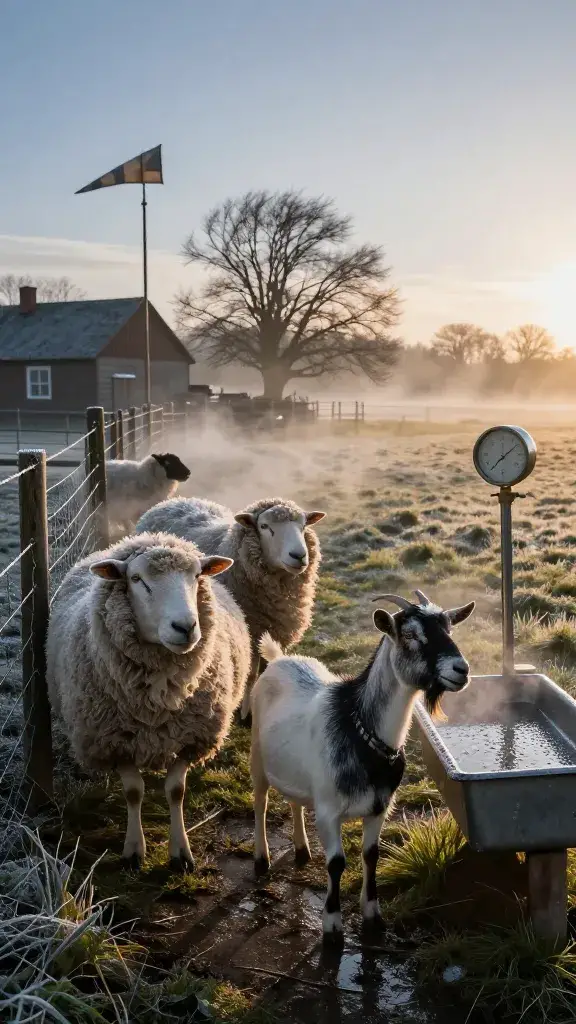
Before picking a breed, you need to know exactly what you’re up against. Averages lie. Extremes decide your success. The hottest week, the cold snap, the wind that slaps—those are the moments that test your animals.
Key Points:
- Track extremes: Note your annual “worst week” in winter and summer. That’s your baseline.
- Humidity matters: 95°F dry heat isn’t the same as 95°F with swampy humidity. Heat stress explodes in humidity.
- Wind and wet: Wet + wind + cold crushes animals fast. Dry cold is easier to manage.
- Microclimates exist: A breezy hilltop and a sheltered valley 500 feet apart can feel like different states.
Take one month to log temperatures, wind, and shade patterns around your property. IMO, that tiny homework step saves you years of frustration.
Best for: Anyone who wants a breed choice they won’t regret when the weather goes full drama queen.
2. Choose Your Champions: Cold-Hardy Breeds That Laugh at Winter
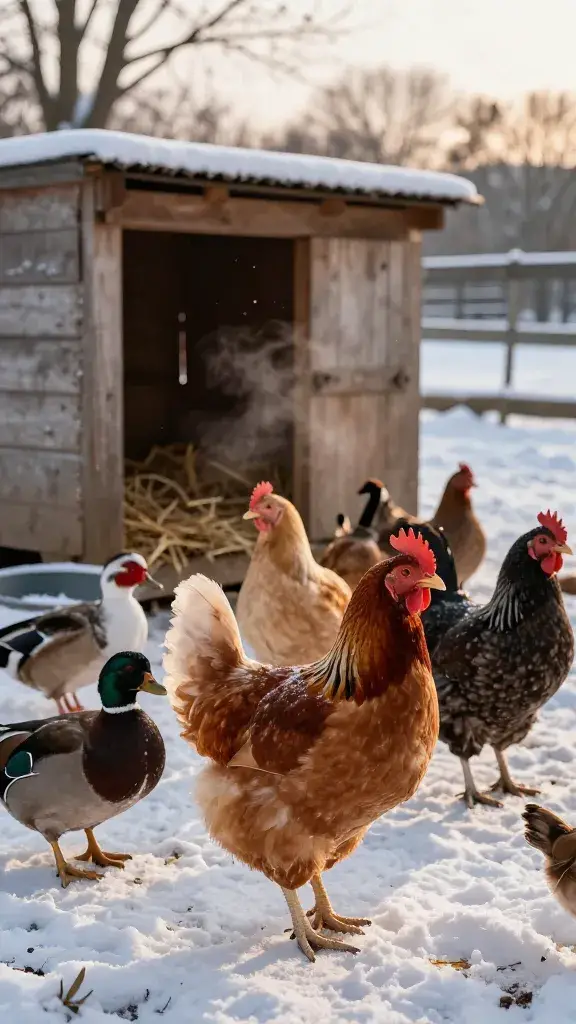
Cold-hardy breeds come wrapped in insulation, with bodies built to conserve heat and keep metabolism steady in frosty temps. They handle snow, wind, and short days better than their slick-coated cousins, especially with decent shelter and feed.
Standout Options by Species:
- Chickens: Brahma, Australorp, Plymouth Rock, Orpington, Wyandotte. Look for small combs (less frostbite risk), dense feathering, and calm temperaments.
- Ducks: Muscovy, Cayuga, Pekin. Ducks generally handle cold well if they can stay dry and out of wind.
- Goats: Nigerian Dwarf, Kiko, Alpine. Thick coats and hardy frames help, but draft-free shelters matter big time.
- Sheep: Icelandic, Shetland, Finnsheep. Wool breeds with dual coats do great when managed right.
- Cattle: Highland, Hereford, Angus. Thick hair and efficient feed conversion in cold weather.
Care Tips That Actually Matter:
- Dry > Warm: Keep bedding deep and dry. Moisture and drafts cause more problems than low temps.
- Comb and ear care: For chickens, use breeds with pea or rose combs. Still, watch for frostbite on tips.
- Water won’t freeze itself: Heated buckets or frequent checks = fewer headaches.
- Feed for heat: Slightly higher calories help bodies generate warmth. Add evening hay for ruminants.
Cold-hardy animals shine in regions with long winters, dry cold, or frequent wind. If your snowblower sees more use than your grill, start here.
3. Pick the Pros for Sizzling Summers: Heat-Tolerant Breeds That Keep Their Cool
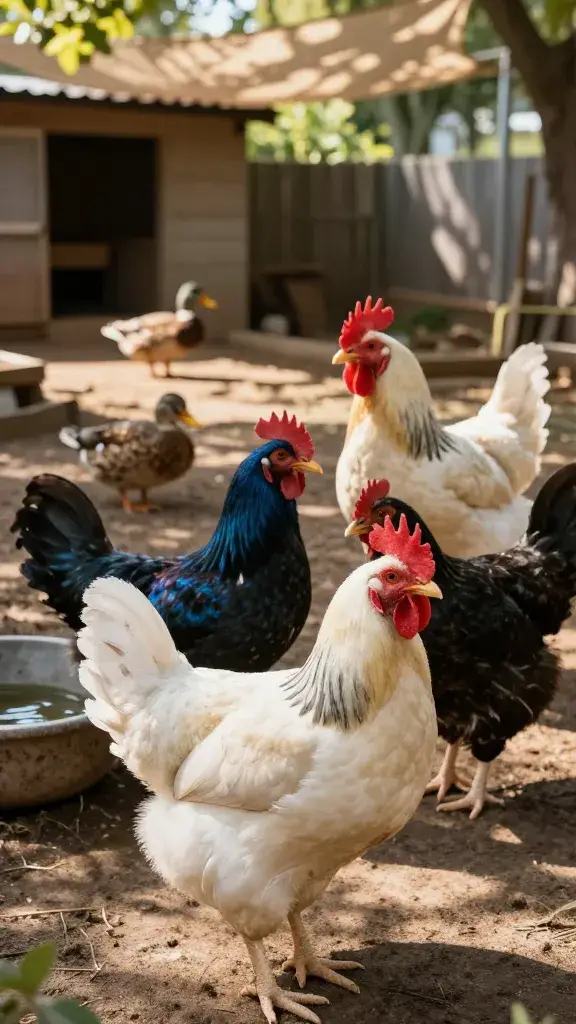
Heat-tolerant breeds shed heat fast, resist heat stress, and keep production going when everyone else flops into the shade. They usually have shorter coats, looser skin, or lighter plumage—basically, a built-in cooling system.
Standout Options by Species:
- Chickens: Leghorn, Andalusian, Minorca, Fayoumi, Naked Neck (yes, they look weird, and yes, they slay in heat). Light-bodied, large combs for heat release.
- Ducks: Runner, Khaki Campbell. Need shade and water access, but they handle heat with good airflow.
- Goats: Boer, Nubian, Spanish. Pendulous ears and slick coats help dump heat.
- Sheep: Dorper, Katahdin (hair sheep). No shearing, better in humidity, fewer parasites than wool breeds in hot zones.
- Cattle: Brahman and Brahman-crosses (e.g., Brangus), Senepol. Loose skin, heat tolerance, insect resistance.
Care Tips That Actually Matter:
- Shade isn’t optional: Trees beat tin roofs. If you only have metal, add insulation or shade cloth.
- Water everywhere: Multiple troughs far apart reduce crowding and heat stress. Refill often.
- Electrolytes: Offer during heat waves. Helps prevent crashes in poultry and ruminants.
- Ventilation > fans only: Design airflow. Open ridges, high vents, and cross-breezes beat box fan bandaids.
Heat-tolerant breeds rule in humid, tropical, or arid-hot regions. If your forecast reads “feels like the sun,” choose from this squad, seriously.
4. The Crossover Zone: Breeds That Handle Both (With Smart Management)
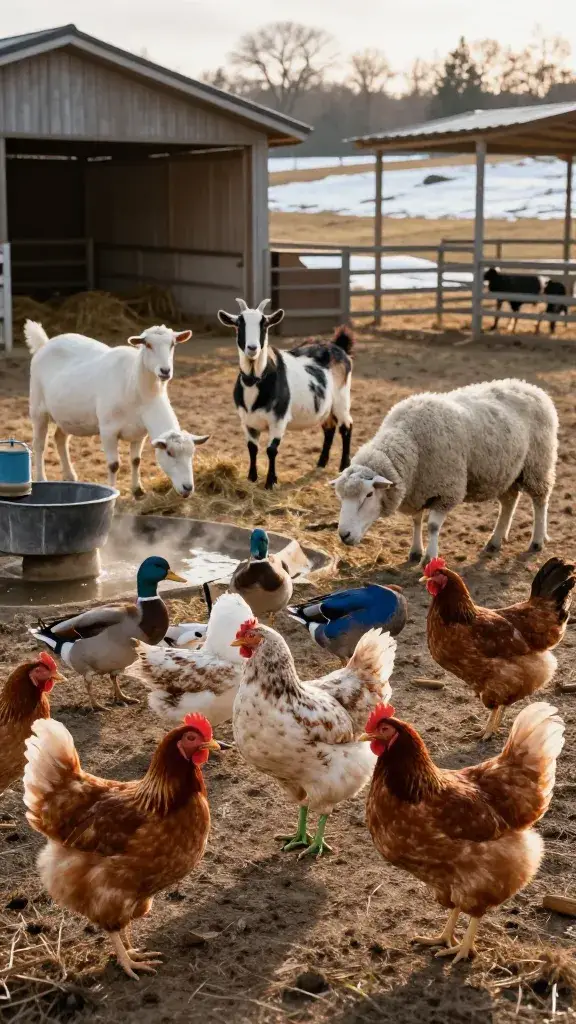
Live somewhere with icy winters and inferno summers? Welcome to the crossover club. You can still win with breeds that flex in both directions—if you manage housing, ventilation, and feed like a pro.
Flexible All-Rounders:
- Chickens: Rhode Island Red, Sussex, Easter Egger, Sussex, Buckeye. Medium frames, decent combs, adaptable personalities.
- Ducks: Welsh Harlequin, Swedish. Good layers, not divas about weather.
- Goats: LaMancha, Alpine. Thrive with shelter in winter and shade in summer.
- Sheep: Romney, Cheviot. Manageable in both seasons with shearing/timing and shade.
- Cattle: Red Angus, Hereford cross, South Poll. Balanced for variable climates and forage.
Management Moves That Make the Difference:
- Seasonal housing: Tight, draft-free shelter for winter; open, airy shade structures for summer.
- Rotate shade and windbreaks: Trees on the south/west for summer shade. Solid windbreaks for winter storms.
- Body condition is your buffer: Don’t let animals head into winter thin or into summer overweight.
- Timing is everything: Breed so late pregnancy and peak lactation avoid extreme temps when possible.
Cross-season champs suit “four-season rollercoaster” regions. With a little strategy, you’ll keep production steady year-round—without playing zookeeper 24/7.
Quick Comparison At A Glance:
- Cold-Hardy Traits: Dense coats/feathers, smaller extremities, calm demeanor, higher winter feed needs.
- Heat-Tolerant Traits: Slick coats/light plumage, large combs/ears, loose skin, relentless need for shade/water.
- Middle-Ground Traits: Moderate body size, adaptable feed efficiency, flexible coat or feather density.
Choose the trait stack that matches your worst weather week. That’s the real decider.
5. Your Fast-Track Decision Matrix (So You Can Just Pick Already)
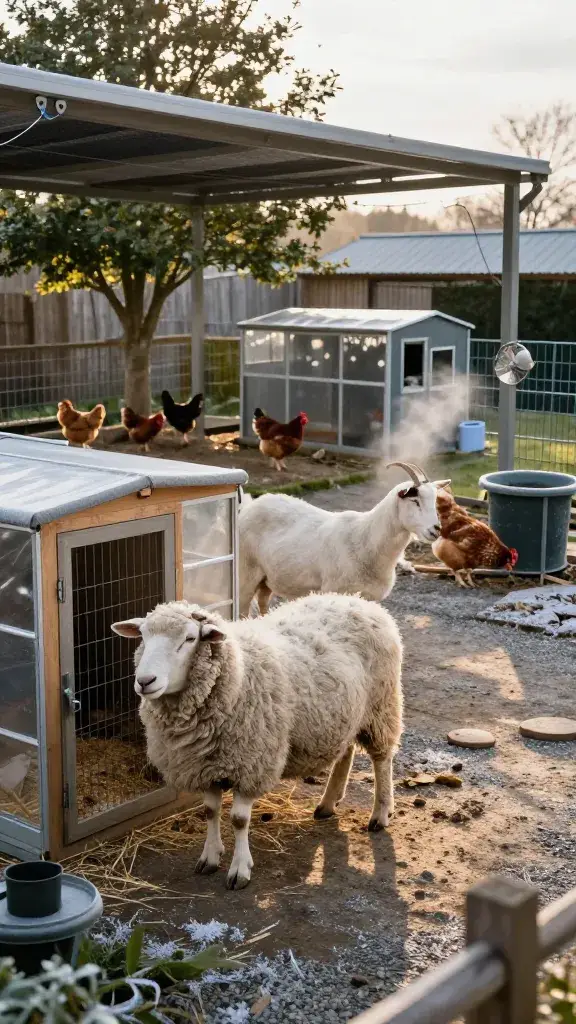
Let’s get you from “research spiral” to “animals in the yard” with a simple flow. No overthinking needed, FYI.
Step 1: Map Your Extremes
- Winters below 10°F for weeks? Prioritize cold-hardy breeds and tight winter housing.
- Summers above 95°F or high humidity? Go heat-tolerant and design aggressive shade/airflow.
- Both extremes? Pick crossover breeds and plan seasonal housing shifts.
Step 2: Match Your Management Style
- Hands-off caretaker? Hardy, low-maintenance breeds like Icelandic sheep, Kiko goats, Wyandotte chickens.
- Daily tinkerer? High-output breeds that need more finesse—Leghorns in heat, Brahmas in cold, Nubians with managed shelter.
Step 3: Factor Your Space
- Open pasture: Heat breeds with grazing stamina (Dorper sheep, Brahman-cross cattle) excel.
- Sheltered homestead: Cold-hardy poultry and small ruminants with robust shelters do great.
- Urban/suburban: Dual-purpose, quiet, medium-bodied poultry like Australorps or Sussex keep neighbors friendly.
Step 4: Pencil the Budget
- Cold setups: Higher winter feed, bedding, and maybe heated waterers.
- Heat setups: Shade structures, automatic waterers, and possibly misters or better ventilation.
- Breeding/production goals: Choose breeds known for consistent eggs/milk/meat at your temps, not just “cute on Instagram.”
Step 5: Reality Check With Local Wisdom
- Visit a nearby farm with your climate. Ask what actually thrived during last year’s worst week.
- Join a local group and search past discussions. Trends repeat for a reason.
When in doubt, start with a small test group. Track what thrives—and what sulks.
Bottom line: You don’t need the “perfect” breed. You need a good fit plus smart housing, water, and feed. That combo beats perfection, trust me.
Ready to match your weather with animals who actually like it? Pick your climate lane, grab a breed from the right list, and build a setup that backs them up. You’ll spend less time firefighting and more time enjoying healthy, productive animals—and that’s the whole point, right?
Share this content: