Chicken Pecking Order Problems? How to Prevent Bullying in the Flock Fast
Feathered drama in the backyard? Yep, your sweet hens can turn into tiny tyrants. A rough pecking order belongs in every flock, but bullying crosses the line fast. Bloody combs, missing feathers, terrified pullets—it’s not “chicken stuff” you should ignore. Let’s fix it so your hens go back to squabbling like siblings, not reenacting a medieval coup.
Pecking Order vs. Bullying: Know the Difference
A healthy pecking order looks like quick pecks and short chases. Everyone understands their rank, and life moves on. Bullying looks relentless: one or two birds target a specific hen, block her from food, or keep her trapped in the coop. If you see blood, bald patches, or constant cornering, you’ve got a bullying problem.
Red Flags You Shouldn’t Ignore
- One hen “guards” feeders or waterers and drives others away
- Repeated pecking at wounds (chickens love red—gross, but true)
- A hen hides on roosts in daylight or refuses to leave the coop
- Weight loss, pale comb, or decreased egg production in the victim
Set the Stage: Space, Layout, and Flock Math
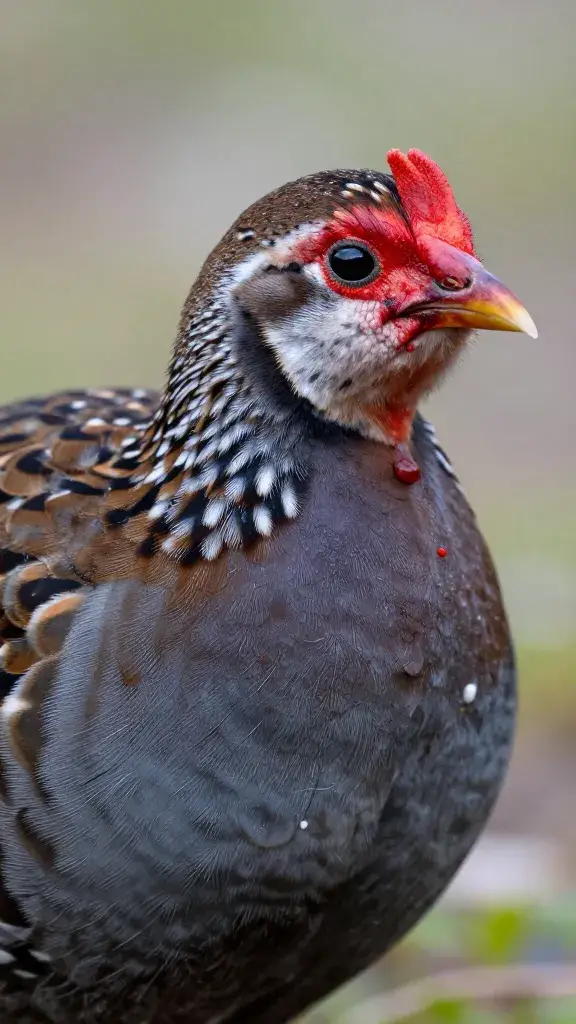
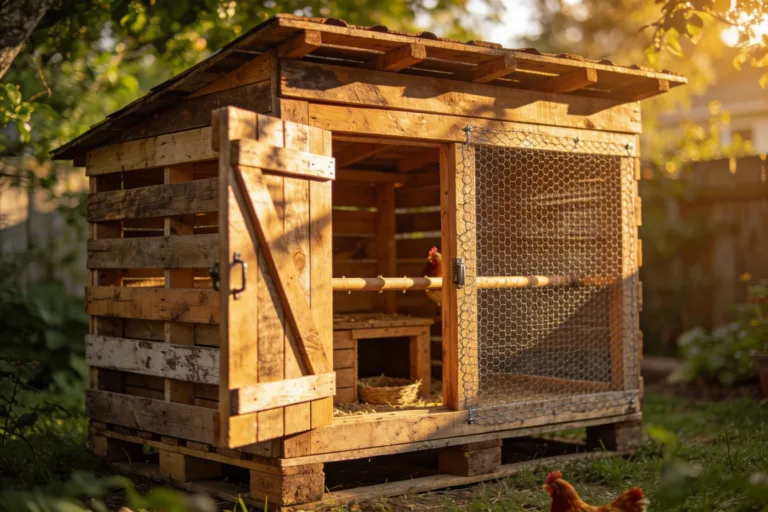
Chickens need square footage like you need personal space at a family reunion. Crowding causes fights. Give 4 square feet per bird inside the coop and 10 square feet per bird in the run—minimum. More space = fewer feathers flying.
Design for Escape Routes
Give the underdog a way out. Add:
- Multiple exits from the coop/run so no hen can trap another
- Visual barriers like pallets, shrubs, or boards to break line of sight
- Vertical space—perches at various heights to let birds dodge and chill
- Dust baths big enough for group spa days, not cage matches
Feeding Without Fights
Food fixes a lot—if everyone gets some. Use:
- 2+ feeders and waterers, placed far apart
- Long trough-style feeders so nobody gets monopolized
- Scatter feeding for scratch/treats to spread birds out
FYI: Hang treats (like cabbage heads) in the run to redirect pecks away from flockmates.
Introducing New Birds Without Chaos
New kids at school always get tested. You can’t avoid it, but you can control the vibe. Use a see-but-don’t-touch setup for 1–2 weeks. Let them share a fence, sniff the drama, and get used to each other’s faces first.
Step-by-Step Integration Plan
- Quarantine newbies for 2 weeks away from the flock to check health (mites, respiratory issues, parasites).
- Adjacent pens for visual contact and zero pecking.
- Mix during free-range time when space is huge and distractions abound.
- Nighttime move: pop them on the roost after dark so everyone wakes up “already roommates.”
- Monitor closely for 48 hours—intervene if a bird gets relentlessly targeted.
IMO, the biggest mistake? Tossing newbies straight in and hoping for the best. That’s not optimism; that’s chaos.
Boredom: The Silent Bully Fuel
Chickens get bored. Bored chickens invent problems. Provide daily enrichment:
- Forage piles: leaves, hay, or lawn clippings (untreated)
- Peck blocks or flock blocks to occupy beaks
- Rotating perches and stumps
- Scatter grains or black soldier fly larvae to encourage natural scratching
Also, let them roam if you can. Even a supervised half-hour of yard patrol burns off the bully energy.
Health Checks: Because Pain Makes Birds Mean
Sick or injured birds fall down the social ladder fast. The flock can sense weakness. Do quick weekly checkups:
- Feather condition: look for mites/lice at the vent and under wings
- Weight and keel bone: sharp keel = weight loss
- Comb and eyes: bright and red, clear and alert
- Feet and legs: bumblefoot, scaly leg mites = pain and stress
Fixing a mite problem or vitamin deficiency can magically “solve” pecking because your bird regains confidence.
Protein and Minerals Matter
Low-quality diets invite feather pecking. Ensure:
- 16–18% protein layer feed for adult hens; higher for growers
- Free-choice calcium (oyster shell) separate from feed
- Grit if you offer whole grains or treats
Treats should stay under 10% of the diet. Yes, even when they give you that judgy look.
Intervene Like a Pro: When to Step In
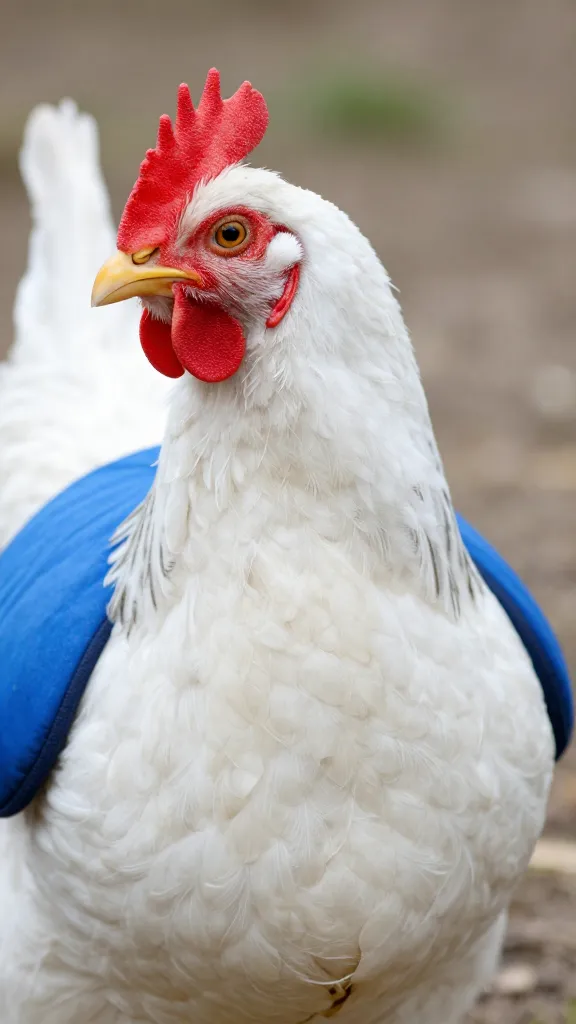
You can’t remove all squabbles, but you must stop actual harm. If a bird bleeds or gets cornered repeatedly, act now. Separate the victim first to let wounds heal out of sight—blood turns hens into tiny sharks.
Smart Separation Strategies
- See-but-don’t-touch crate inside the run for the injured bird, so she stays “part of the flock.”
- Hen saddles for back-pecking victims to protect regrowing feathers.
- Pinless peepers for chronic bullies to reduce targeting without full isolation.
- Remove the bully for a few days; reintroduce last so her rank drops. Works surprisingly well.
And please, cover wounds with a bluish/purple spray or ointment to disguise red. It’s like camouflage for chicken boo-boos.
Rooster Reality Check
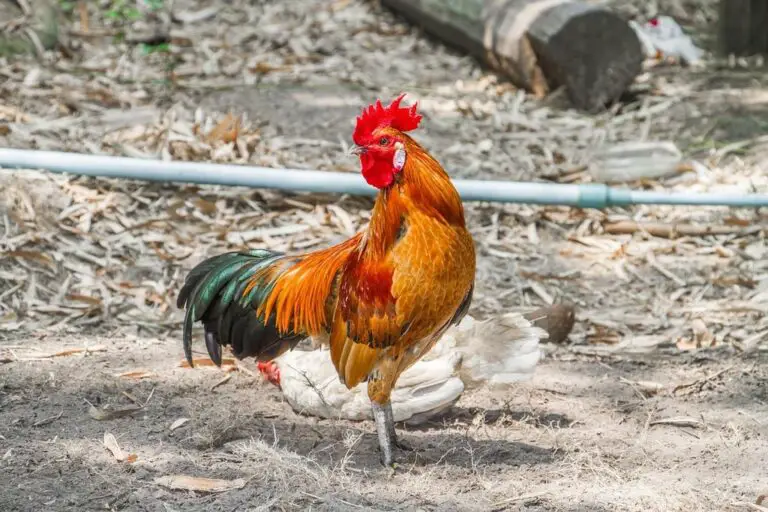
A good rooster breaks up fights and keeps order. A jerk rooster… ignites wars. If your roo over-mates hens or targets certain birds, rehome him or set up a bachelor pad. Roosters don’t fix bullying by default—they only help if they’re chill leaders.
Winter, Molt, and Other Drama Seasons
Cold months and molting crank up stress. Birds stay penned longer, and everyone’s extra cranky when naked feathers grow in. Combat this with:
- Extended daylight up to 14 hours using a timer (morning light, not night)
- Windproof but well-ventilated coops to reduce drafts and ammonia
- Extra protein during molt (18–20%) to support feather regrowth
FYI: Never handle birds roughly while they molt. New pinfeathers hurt, and they will remember your betrayal.
FAQ
How much pecking is normal?
Quick, harmless pecks and short chases count as normal. If you see sustained attacks, plucked skin, or one hen blocking resources, you’ve crossed into bullying. Normal pecking ends fast and everyone returns to business.
Should I isolate the bully or the victim?
Start by protecting the victim so wounds can heal and stress drops. If the bully fixates on others next, remove the bully for 3–5 days and reintroduce her last. That reshuffles rank and usually tones down her ego.
Do chicken “anti-pick” sprays work?
They help sometimes, especially the purple/blue ones that camouflage red. Bitter sprays? Mixed results. Use them alongside better space, enrichment, and multiple feeders—you can’t spray your way out of bad setup.
Will adding more hens stop bullying?
Maybe, but usually no. More birds in the same space can make it worse. If you want to add hens, increase space first and integrate slowly with the see-but-don’t-touch method.
Is declawing or beak trimming okay?
Hard no for backyard keepers. That’s painful, risky, and unnecessary. Use management strategies—space, barriers, pinless peepers, and temporary time-outs—rather than permanent alterations.
Can I keep different breeds together?
Absolutely, but watch size and temperament. Heavy breeds can overwhelm tiny bantams, and flighty birds get chased more. Mix with intention and give extra hideaways so smaller hens can slip out of sight.
Wrap-Up: Peace in the Pecking Order
You can’t delete the pecking order, but you can stop it from turning toxic. Space, smart layout, slow introductions, good nutrition, and quick intervention handle 90% of bullying problems. The rest? A dash of enrichment and a side of patience. Keep your setup dynamic, observe daily, and your flock will act like a squabbling family—minus the bloodshed, IMO.
Share this content: