Can Silkie Chickens Live in Cold Weather?
Silkies look like walking pom-poms with feet, so it’s fair to wonder how these fluffballs handle snow and ice. Good news: they can, but they need your help. Their fluffy feathers don’t repel water, their crests block vision, and those feathered feet? Ice magnets. With a few smart tweaks, you can keep your Silkie crew thriving all winter long.
So… Can Silkie Chickens Handle Winter?
Yes—within reason. Silkies tolerate cold temperatures if you keep them dry, out of drafts, and well-fed. Their fluff traps warmth, but it also soaks up moisture like a sponge. That combo can spell trouble in freezing weather.
The real threats aren’t cold alone—they’re moisture, wind, and poor nutrition. You manage those? Your Silkies will chortle through February like fuzzy snowballs.
Coop Setup: Warm Enough Without Turning It Into a Sauna
Your coop doesn’t need to feel like Miami. It needs to stay dry, draft-free, and ventilated.
- Ventilation over heat: Aim for steady airflow up high to carry out moist, warm air. No drafts at roost level.
- Deep, dry bedding: Pine shavings or chopped straw keep feet off cold floors. Add extra in serious cold.
- Block wind: Cover the windiest wall with plywood or clear plastic (properly secured) to stop gusts.
- Skip the space heater: Heaters create humidity and risk fire. Use them only in life-or-death cold snaps, IMO.
- Elevated roosts with grip: A 2×4 laid flat lets them cover toes with feathers. Add traction tape if needed.
What About Insulation?
You can insulate, but do it carefully. Trapped moisture causes frostbite faster than cold. If you insulate walls, keep vents wide open and the roof vent clear. FYI: most backyard coops do better with draft protection and good ventilation than full insulation.
Silkie-Specific Winter Quirks (a.k.a. The Fluff Factor)
Silkies aren’t built like your typical hens. Plan around their special features.
- Poofy crests: Trim around eyes slightly so they can see ice patches and avoid puddles.
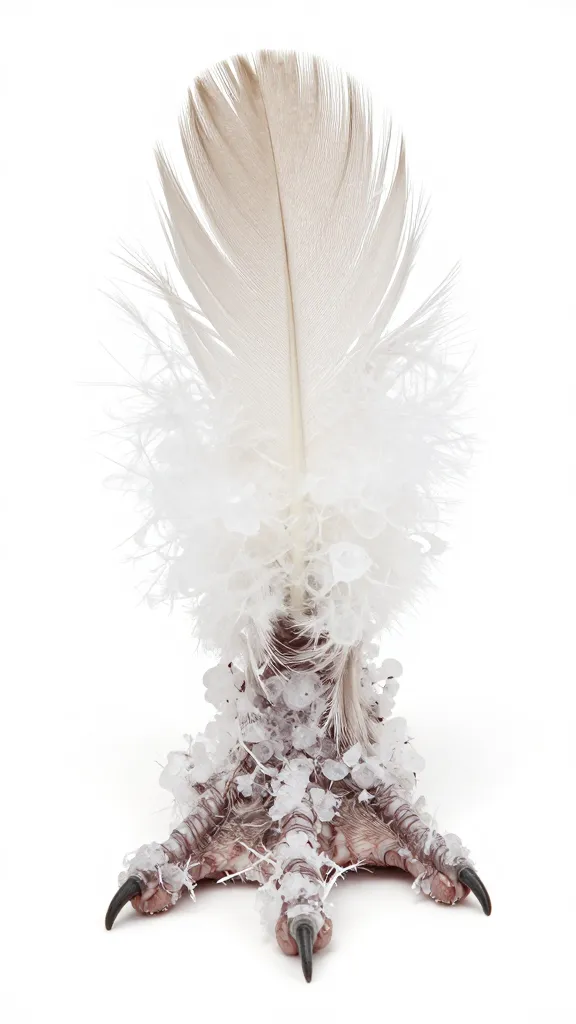
- Feathered feet: These collect snow and ice balls. Keep paths clear and bedding dry. Quick warm water dips melt ice—dry thoroughly after.
- Non-waterproof feathers: If they get wet, they get cold. Provide covered run space and avoid free-ranging on slushy days.
- Smaller size: Pair them with gentle flockmates. Big bullies hog the warmest spots.
Do Silkies Need Combs or Wattles Protected?
Their walnut combs are smaller and less prone to frostbite, which helps. Still, excess moisture can nip at wattles. Keep humidity down, and you rarely need ointments.
Feeding and Hydration: Fuel = Heat
Chickens are tiny furnaces. Give them the right fuel, and they burn it for warmth.
- Higher-calorie feed: Offer a quality layer feed. On extra-cold nights, add a small scoop of whole grains (like cracked corn) 1-2 hours before roosting.
- Protein bumps: A few mealworms or scrambled eggs help during molts or deep cold, but keep treats under 10% of the diet.
- Warm mash mornings: Mix their feed with warm water for a cozy breakfast. Encourages eating when it’s frigid.
- Unfrozen water 24/7: Use a heated base or swap jugs twice daily. Dehydration in winter? Way more common than you think.
Electrolytes or Vitamins?
Most healthy birds don’t need extras, but short-term vitamin/electrolyte mixes help stressed or molting Silkies. Use as directed—don’t overdo it.
Run and Outdoor Time: Yes, They Still Need It
Fresh air matters even in January. Let them out safely and they’ll stay healthier and less bored.
- Covered run: Add a roof tarp or clear plastic to block snow and sleet.
- Dry footing: Lay straw, wood chips, or sand for traction. Refresh when soggy or icy.
- Shovel “Silkie lanes”: Clear a small path so they’ll actually use the run. They hate deep snow (same).
- Windbreaks: Stack hay bales or add clear panels along the run’s windy side.
Enrichment Prevents Winter Drama
Bored birds pick on fluffier friends. Hang a cabbage, toss scratch in bedding for foraging, or add a log or low perch. Busy beaks = fewer issues.
Health Watch: What to Monitor When Temps Drop
Winter makes small problems big fast. Do quick checks during lockup and morning chores.
- Feet and toes: Look for ice buildup, redness, or blisters (frostbite). Keep roosts dry and wide.
- Breathing: Sneezing or bubbly eyes can mean respiratory irritation from ammonia or damp litter. Ventilate more, swap bedding.
- Weight and crop: Feel keel bones weekly. Underweight Silkies struggle in cold.
- Poop patrol: Very loose droppings plus lethargy can signal trouble. Hydrate and monitor.
- Mites/lice: Pests love warm, fluffy birds. Check under wings and near vents. Treat promptly.
When to Bring a Silkie Indoors
If a bird is soaked, lethargic, or injured, bring them to a warm, dry space until stable. Dry thoroughly with a towel and low heat from a hair dryer (keep it moving). Return only once fully dry and alert.
Heat or No Heat? The Spicy Debate
Most healthy adult Silkies do fine without constant supplemental heat if the coop stays dry and draft-free. However, I’ll level with you: in extreme cold (think sustained sub-zero Fahrenheit), a safe heat source like a radiant panel can help.
- Safer options: Radiant or oil-filled heaters secured away from bedding.
- Avoid: Open coil heat lamps—huge fire risk in coops.
- Don’t overheat: Birds acclimate to cold. If you crank heat, they’ll struggle when it fails.
IMO, focus on dry bedding, ventilation, and nutrition first. Heat should be your last tool, not your first.
Winter Care Checklist (Quick and Dirty)
- Ventilation open up high; no drafts at roost level
- Deep, dry bedding; change often
- Clear, covered run with dry footing
- Unfrozen water at all times; warm mash on brutal mornings
- Evening grain snack in severe cold
- Trim crest for visibility; check feet for ice balls
- Weekly health checks: weight, feet, breathing, pests
FAQ
How cold is too cold for Silkie chickens?
Healthy adult Silkies can handle temps well below freezing if they stay dry and out of drafts. Trouble starts when moisture and wind combine with single-digit or sub-zero temps. If your coop is dry, ventilated, and bedded deeply, they’ll surprise you with their hardiness.
Do Silkies need heat in winter?
Usually no. Good ventilation, dry bedding, and proper feed handle most winters. In extreme cold snaps, a safe radiant panel can help, but avoid constant high heat. FYI: heat dependency creates bigger risks if power fails.
Can Silkies go out in snow?
Yes, but they prefer packed paths and dry spots. Clear a small area, add straw or chips, and cover part of the run. Watch for ice balls on feathered feet and bring them in to thaw and dry if needed.
What should I feed Silkies when it’s freezing?
Stick with a quality layer feed, then add a small evening grain snack during bitter cold. Warm morning mash encourages intake. Offer occasional protein boosts during molt. Keep treats under 10% of the diet.
How do I prevent frostbite on Silkies?
Control humidity with strong high-level ventilation, keep bedding dry, and use wide roosts so they cover toes. Their small combs help, but moisture is the real villain. If wattles look at risk, ensure the waterer doesn’t wet their face.
Are chicks and older Silkies okay in winter?
Chicks need heat until fully feathered. Seniors or underweight birds may need extra care, sheltered spaces, and close monitoring. Group them with gentle flockmates and ensure easy access to feed and water.
Conclusion
Silkies and winter can totally get along—if you manage the big three: moisture, wind, and nutrition. Build a dry, draft-free coop with solid ventilation, keep their feet and fluff out of slush, and feed them like mini athletes. Do that, and your pom-pom flock will cruise through winter like champs. And hey, a Silkie strutting across crunchy snow? Peak backyard chicken joy, IMO.
Share this content: