Brown Eggs Vs White Eggs the Truth Cracked Open
Cracked open a carton and wondered if you should grab brown or white eggs? You’re not alone. The egg aisle turns rational shoppers into color theorists. Let’s cut through the chatter fast: both crack, both fry, both make killer omelets. The differences? They’re real—but probably not what you think.
So, What Actually Decides Egg Color?
Egg color comes down to the chicken’s genetics. That’s it. Different breeds lay different colors. White-feathered hens with white earlobes usually lay white eggs. Red-feathered hens with red earlobes usually lay brown eggs. Some breeds even lay blue or green eggs—shout-out to the Araucana and Ameraucana.
The quick science
– White eggs: No pigment added—clean and simple.
– Brown eggs: Hens deposit a pigment called protoporphyrin in the shell right before laying.
– Blue eggs: A pigment called oocyanin colors the shell through and through.
FYI: The color sits mostly in the shell. The inside? Basically the same.
Nutrition: Is One Healthier?
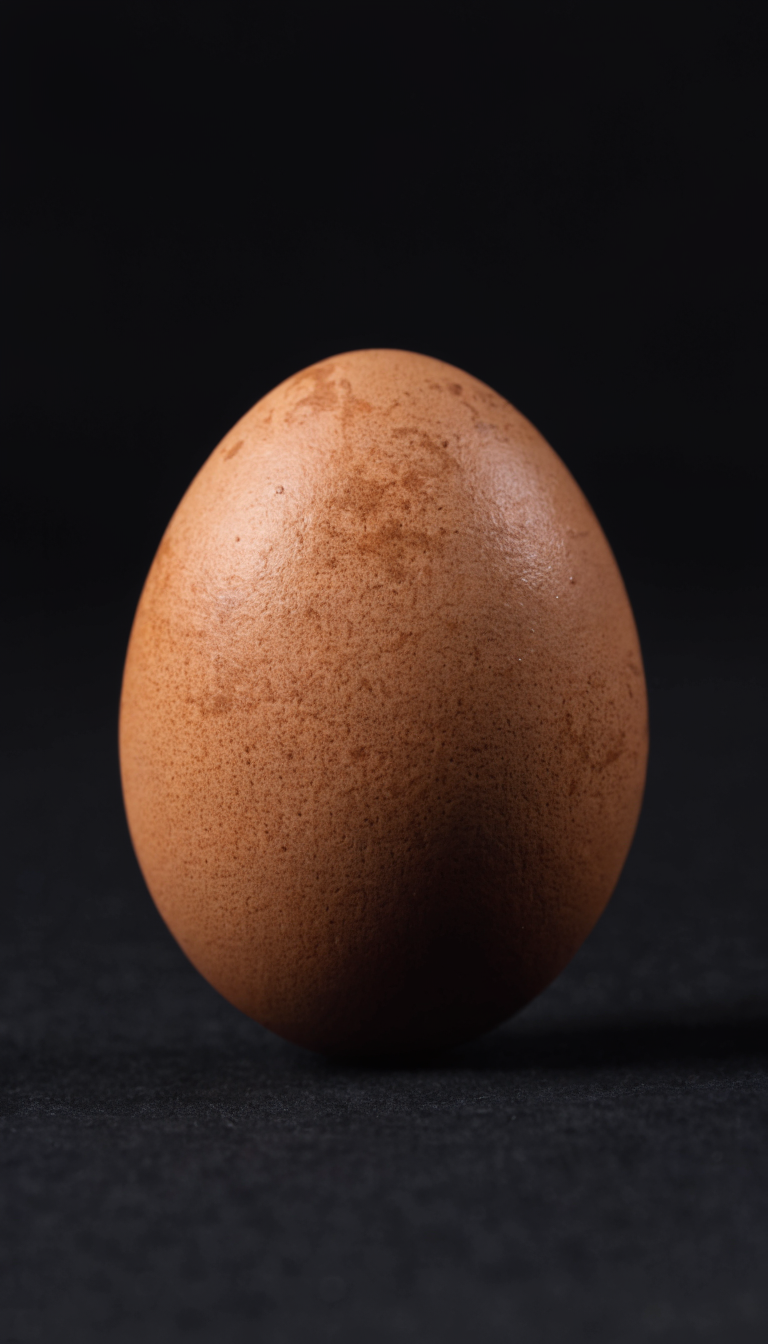
Short answer: No, not by color alone. Long answer: nutrition depends on the hen’s diet, age, and lifestyle—not the shell color.
What actually moves the needle
- Feed: Hens that eat omega-3 rich feed lay eggs with higher omega-3 fats.
- Sunshine and space: Pasture-raised hens may have eggs with deeper yellow yolks and slightly higher vitamins A and E.
- Freshness: Fresher eggs hold shape better and taste brighter (IMO), regardless of shell color.
If the carton says “brown” but the hen ate the same feed as a white-egg hen? You’ll see negligible differences on a nutrition label.
Taste and Texture: Can You Tell?
Taste wars get spicy, but blind taste tests usually reveal this: people can’t reliably tell brown from white when everything else stays equal. Flavor changes with the hen’s diet, freshness, and how you cook it. A pasture-raised white egg can taste richer than a battery-farmed brown egg. Color? Not a flavor.
Yolk color myth-busting
– Deeper yolk ≠ brown egg
– Deeper yolk = pigments in feed (like marigold, alfalfa, or grasses)
So yes, a golden yolk looks extra bougie. But it doesn’t shout “I’m a brown egg!” It whispers, “My chicken ate well.”
Why Do Brown Eggs Often Cost More?

You’re not imagining it. Brown eggs often cost more, but not because they’re “fancier.” Many brown-egg breeds (like Rhode Island Reds) run a little bigger and eat more feed. More feed = higher costs. Also, some farms market brown eggs as rustic or “farm-fresh,” which nudges the price up.
Key point: Price hikes come from breed and branding, not built-in nutrition. If you want to pay for better eggs, target farming practices over color.
What labels should you actually watch?
- Pasture-Raised: More outdoor time. Often better flavor and yolk color.
- Certified Humane or Animal Welfare Approved: Indicates better living conditions.
- Organic: Organic feed and no synthetic pesticides. Doesn’t guarantee outdoor access, though.
- Omega-3 Enriched: Feed boosts omega-3s in the egg.
Color doesn’t make this list for a reason.
Cooking: Any Differences in the Kitchen?
For everyday cooking, brown and white eggs behave the same. They scramble, poach, and bake identically—assuming freshness matches. However, a few tiny quirks exist, and they’re more about individual eggs than color.
Egg whites and baking
– Fresh eggs: Whites stay tight, great for poaching.
– Slightly older eggs: Whites whip faster and higher for meringue.
– Shell thickness: Some folks claim brown eggs have thicker shells. Reality: shell thickness varies with hen age and nutrition more than color.
Bottom line: Grab the freshest eggs you can for precision tasks. Color won’t save your soufflé.
Shell Strength, Cleanliness, and Storage
Let’s talk logistics. White shells show dirt more, so you might notice spots faster. Brown shells hide scuffs better. But that’s a cosmetic thing, not a safety thing.
Washing and bloom: Eggs have a natural protective layer called the “bloom.” In the U.S., producers wash eggs, which removes the bloom and extends refrigerated shelf life. That’s why you should refrigerate eggs in the U.S. In many other countries, eggs stay unwashed and can sit at room temp. Color plays zero role here.
Storage tips you’ll actually use
- Keep eggs in their carton to prevent odor absorption.
- Store pointy end down to keep the yolk centered.
- Use the float test: sinks = fresh, stands = older, floats = toss.
Buyer’s Guide: How to Choose the Right Eggs for You
Let’s make it easy. Decide what matters most, then match your carton to your priorities.
- Best taste and color: Look for pasture-raised or local farm eggs, brown or white.
- Nutrition boost: Choose omega-3 enriched. Shell color? Irrelevant.
- Budget-friendly: Standard white eggs usually cost less and perform great.
- Ethical sourcing: Seek Certified Humane or similar labels.
- Baking projects: Freshness matters most. Color doesn’t.
FYI: If a brand charges more just because the egg is brown, you’re paying for vibes.
FAQs
Do brown eggs have thicker shells than white eggs?
Sometimes—but because of the hen’s age and nutrition, not the shell color. Younger hens often lay eggs with slightly thicker shells. As hens age, shells can thin a bit. Color doesn’t call the shots here.
Are brown eggs more “natural” than white eggs?
Nope. Both come from chickens living their best (or not-so-best) lives. “Natural” depends on how the farm raises the hens, not the color of the shell. Look for pasture-raised or humane certifications if that’s your priority.
Why do some yolks look super dark and others pale?
Feed and foraging. Hens that munch on greens, bugs, and marigold-rich feed lay eggs with deeper golden yolks. Pale yolks don’t mean “bad,” they just reflect a different diet. IMO, darker yolks usually taste richer.
Can I swap brown and white eggs in recipes?
Absolutely. They measure, bake, and emulsify the same. If a recipe fails, blame technique or freshness—not egg color. Trust me, your cake doesn’t care.
Are blue or green eggs healthier?
They look cool, sure, and they impress brunch guests. But nutrient-wise, they don’t automatically beat brown or white. Again, hen diet and living conditions make the real difference.
Conclusion
Here’s the real crack: egg color doesn’t decide quality, taste, or nutrition. The hen’s diet, health, and lifestyle do. If you love the rustic look, buy brown. If your wallet prefers white, go for it. Pick eggs based on farming practices and freshness—not shell color—and your breakfast game will stay strong. Now, who’s making the omelets?
Share this content: