Brown Egg Layers Vs White Egg Layers (Does It Matter?) Truth
Thinking brown eggs taste richer than white? Or that white eggs come from “factory” birds? Let’s crack the myths and get to the good stuff. Breed, feed, and care matter way more than shell color, and the differences might surprise you. If you’re choosing hens for your coop or just your breakfast, this guide makes it easy—no fluff, just facts (with a little sass).
1. The Genetics: Why Shell Color Isn’t About Taste
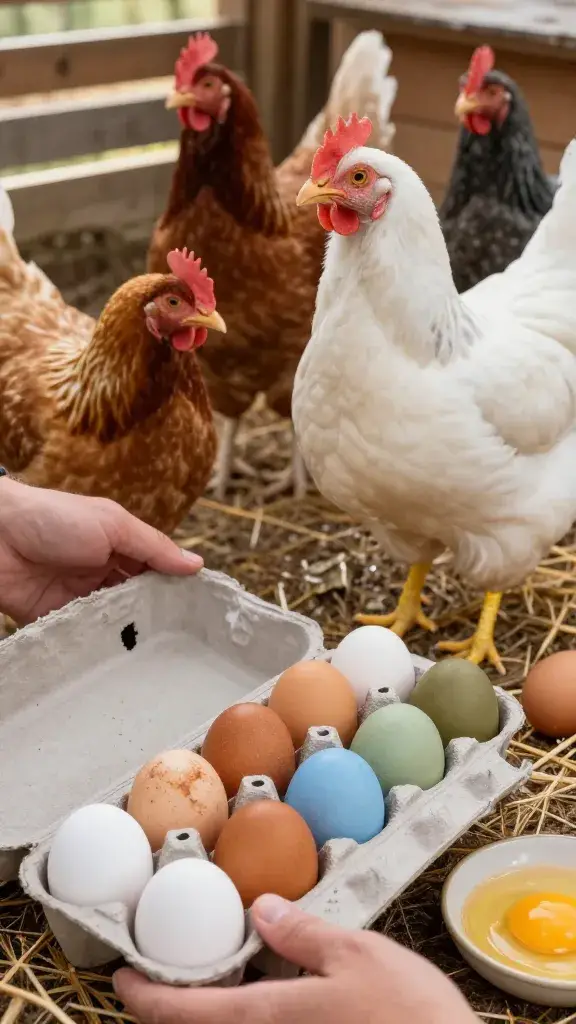
Shell color comes down to genetics, not magic. Hens deposit pigments onto the shell in the last hours before laying. Brown layers add protoporphyrin (brown pigment), while white layers add none—simple as that.
Key Points
- Breed decides shell color: White Leghorns lay white; Rhode Island Reds and Orpingtons lay brown; Ameraucanas lay blue; Olive Eggers lay green.
- Same inside: Shell color doesn’t change yolk flavor or nutrition.
- Thickness varies by diet and age: Not by color. Calcium intake and hen age drive shell strength.
The upshot: Choose color for aesthetics or carton variety. Your omelet won’t care.
2. Nutrition & Flavor: It’s All About What Hens Eat
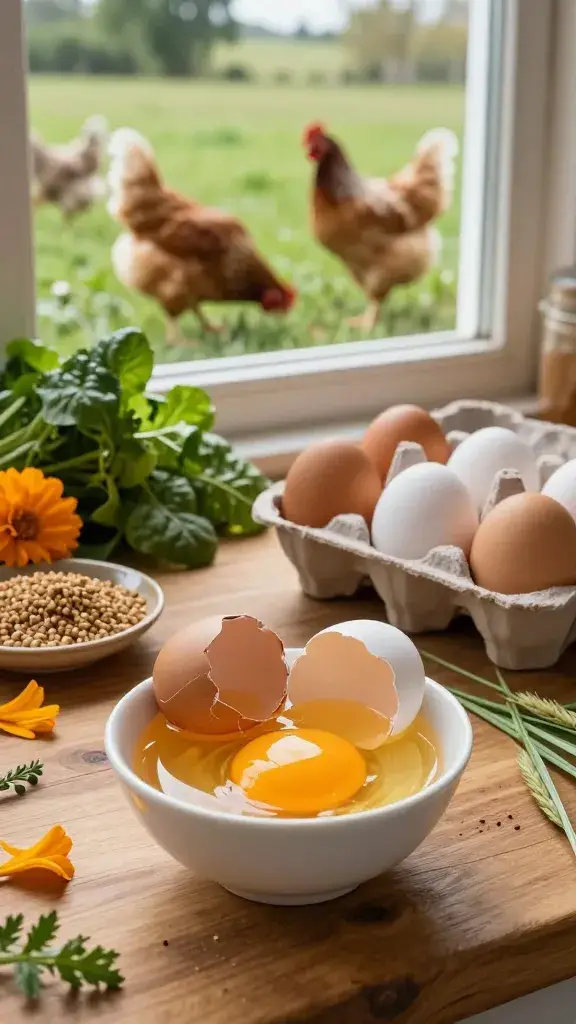
Flavor lives in the yolk, and yolk quality comes from diet. Pasture access, protein quality, and fresh greens produce richer color and taste, regardless of shell color. That deep golden yolk? That’s carotenoids from plants, not a brown shell flex.
What Actually Affects Taste
- Diet diversity: Grass, bugs, and garden scraps boost flavor and nutrients.
- Feed quality: Fresh, balanced layer feed (16–18% protein) keeps yolks firm and tasty.
- Storage and freshness: Older eggs lose quality fast. Fresher eggs = tighter whites, better frying.
Quick Tips
- Offer greens and safe kitchen scraps for better yolk color.
- Rotate pasture or give a “salad bar” planter. Your hens will demolish it, in a good way.
- Check use-by dates if buying. Ask your farmer about feed and pasture time.
Bottom line: Diet drives flavor. Shell color doesn’t. FYI, that’s great news because you control diet easily.
3. Production & Personality: Who Lays More, Who’s Chiller
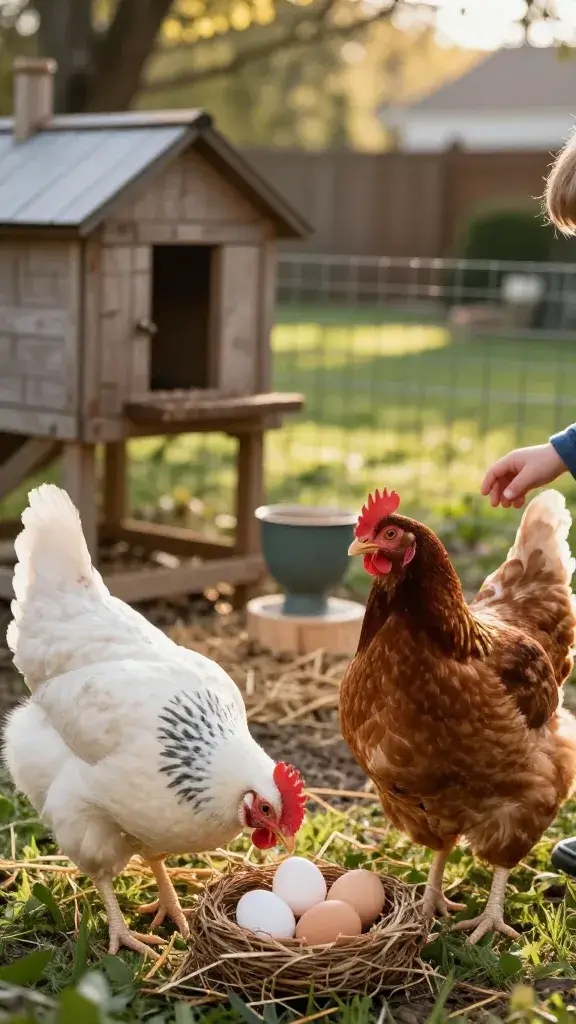
Here’s where differences matter for backyard coops. High-production white layers like Leghorns lay lots of large white eggs and stay lean and active. Many brown egg breeds lay a tad fewer but bring friendlier vibes—think sociable, fluffy hens that tolerate handling.
General Trends (Not Hard Rules)
- White layers (e.g., Leghorn): 270–320 eggs/year, efficient feed conversion, more flighty, great in heat.
- Brown layers (e.g., Rhode Island Red, Plymouth Rock, ISA Brown): 240–300 eggs/year, calm disposition, good dual-purpose body size.
- Hybrids (e.g., ISA Brown, Lohmann): Brown shells, high output, very friendly, slightly shorter peak laying window.
Care Considerations
- If you want maximum output, pick a white-layer breed or a production hybrid.
- If you want family-friendly pets, brown-layer heritage breeds shine.
- If you want cold-hardy birds, many brown layers carry more body mass and small combs (less frostbite).
Choose for your lifestyle: egg machine or cuddle-friendly foragers. Both deliver delicious eggs.
4. The Economics: Feed, Efficiency, and That Carton Price Tag
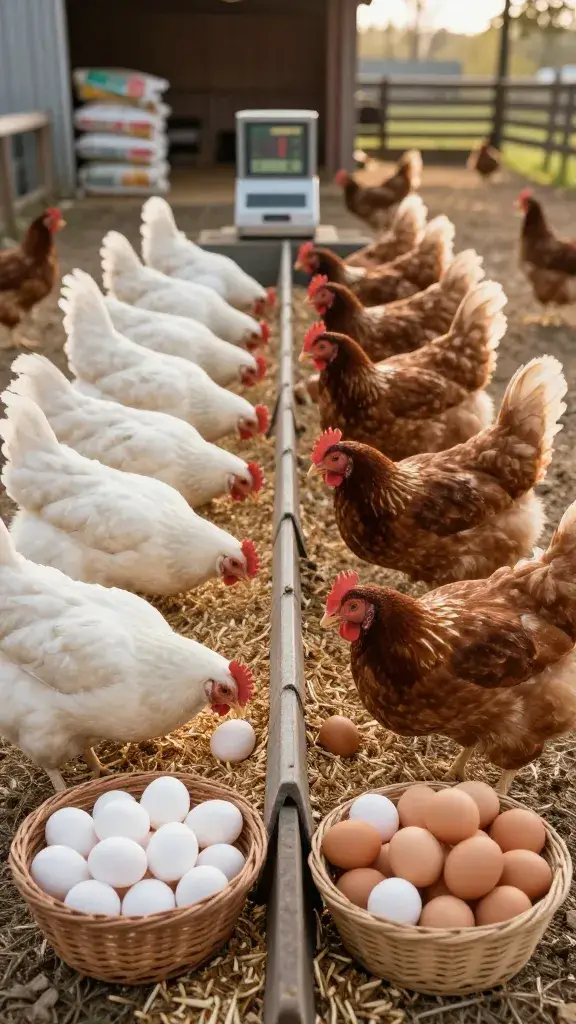
Let’s talk money, because feed isn’t cheap and egg prices keep swinging. White egg breeds typically win on efficiency: they eat less per egg and pump out more eggs over the year. Brown egg breeds often cost a little more to feed per dozen, especially if they have larger frames or you pick heritage types.
What Affects Your Costs
- Feed conversion: Leghorns = champions. Hybrids also score high.
- Egg size vs. shell color: Large and extra-large eggs come from both groups; size depends on breed and age.
- Peak laying window: Hybrids lay intensely early, then taper. Heritage breeds lay longer across years but slower per year.
Buying vs Raising
- Store-bought brown eggs often cost more due to marketing or breed choice, not better nutrition.
- Backyard math: Efficiency favors white layers if you want volume. If your heart wants a mixed rainbow carton, accept a slight cost bump.
Pick what fits your goals. Want budget-friendly breakfasts? Go white layers. Want photogenic egg baskets? Brown (plus blue/green) layers win the Instagram game.
5. Myths, Marketing, and What Actually Matters
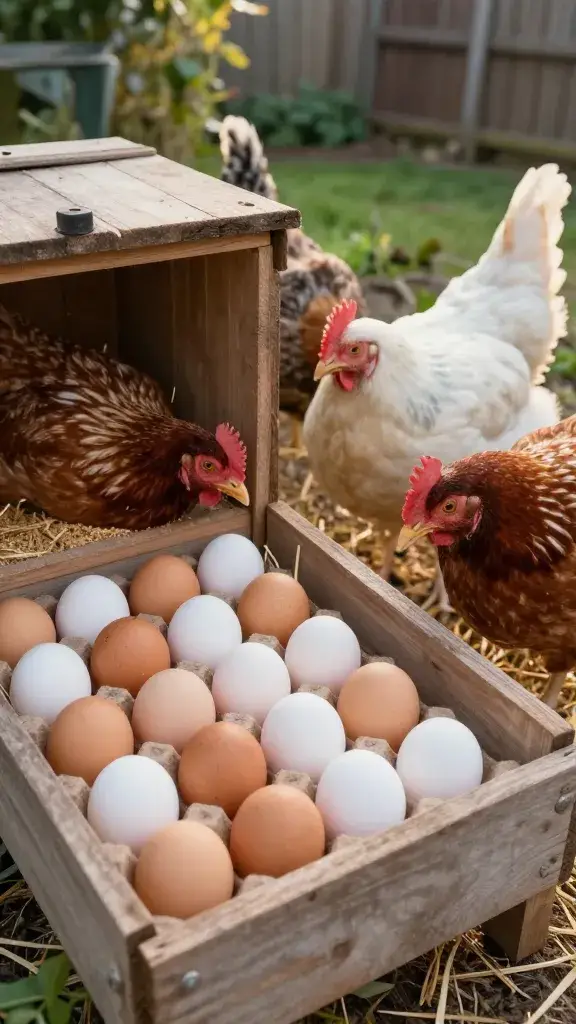
Let’s squash the big myths so you can shop or stock your coop with confidence. Shell color often gets used as shorthand for quality, but reality loves nuance. Focus on husbandry and freshness over pigments.
Myth-Busting Highlights
- Myth: Brown eggs are healthier. Fact: Nutrients depend on diet and hen welfare, not shell color.
- Myth: White eggs are factory farm only. Fact: Plenty of small farms keep white layers. Color ≠ ethics.
- Myth: Brown shells are thicker. Fact: Shell thickness depends on calcium, vitamin D, hen age, and overall health.
- Myth: Yolk color comes from shell pigment. Fact: Yolk color comes from carotenoids in feed (marigold, alfalfa, greens).
How To Choose Eggs You’ll Love
- Look for pasture-raised or ask your farmer about outdoor time and feed.
- Buy fresh and store cold. Use within 3–5 weeks for best quality.
- For backyard flocks, mix breeds: one high-output white layer, a friendly brown layer, and a blue/green layer for fun.
When should you care about color? When you want a pretty carton. Otherwise, focus on freshness, feed, and happy hens—seriously.
Ready to put the myths to bed? Whether you crack a brown shell or a white one, your taste buds won’t know—your hens’ diet and care will. Build a flock that matches your vibe, pair it with great feed and sunshine, and enjoy better breakfasts without overthinking the shell color. IMO, that’s the real win.
Share this content: