Bloom Boss Beginner’S Guide to Starting a Cut Flower Garden at Home
You want armfuls of homegrown blooms without spending your weekends doom-scrolling flower catalogs? Same. Starting a cut flower garden at home doesn’t need acres, a greenhouse, or saint-level patience. You just need a sunny spot, a small plan, and a few plants that don’t throw tantrums. Let’s get you growing bouquets you’ll brag about.
Pick Your Patch (and Don’t Overthink It)
You don’t need a giant backyard. A sunny strip along the driveway, raised beds, or even large containers will work. Aim for at least 6 hours of sun per day and decent drainage. If water puddles and lingers, pick another spot or build a raised bed.
Keep the layout simple. One or two beds or a cluster of large pots is perfect for beginners. Leave space to walk and harvest without trampling your future bouquets. Trust me, stepping on your dahlias feels personal.
Soil Setup Without the Drama
– Remove weeds and grass. A flat shovel and some determination get it done.
– Loosen the soil 8–12 inches deep. Add compost to improve texture and fertility.
– Mix in a balanced organic fertilizer. Follow the label because “more” does not equal “better.”
– Mulch after planting to keep moisture in and weeds out.
Pro tip: Do a quick soil test if you can. It helps you avoid guesswork, and your plants will thank you by not sulking.
Choose Flowers That Actually Thrive
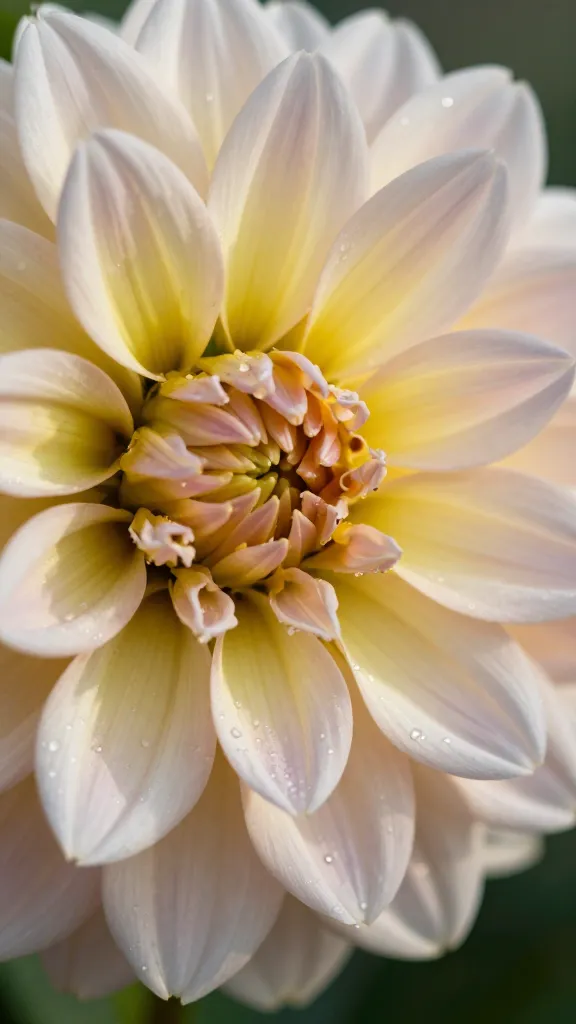
Start with strong, generous bloomers. You want plants that keep producing after each snip, not one-and-done divas. Also, mix easy seeds with a few special showpieces for that “wow, I grew that” feeling.
Beginner-friendly MVPs:
– Zinnias (endless colors, bloom like crazy)
– Cosmos (airy, tall, effortless)
– Sunflowers (single-stem or branching; bees will RSVP)
– Snapdragons (cool-season workhorses with great vase life)
– Calendula (cheerful, edible petals, grows in meh soil)
– Sweet peas (fragrant climbers, cool season)
– Dahlias (tuber-grown stunners; a little extra care, huge payoff)
– Nigella (pretty flowers, magical seed pods)
– Strawflower (papery blooms, dries like a dream)
Plan for Continuous Blooms
Stagger your lineup by season:
– Early: Sweet peas, snapdragons, larkspur
– Mid: Zinnias, cosmos, sunflowers, strawflower
– Late: Dahlias, rudbeckia, amaranth
IMO: Mix shapes too—spikes (snaps), disks (zinnias), airy fillers (cosmos foliage or dill). Your bouquets will instantly look pro.
Seeds vs. Starts: What’s Worth It?
Some flowers love direct sowing. Others prefer pampering indoors first. Pick your battles wisely.
Direct-sow champs:
– Sunflowers
– Zinnias
– Cosmos
– Calendula
– Nigella
– Amaranth
Start indoors or buy as plants:
– Snapdragons (cool temps help them root)
– Sweet peas (soak seeds, start cool, give a trellis)
– Dahlias (plant tubers after frost)
– Lisianthus (advanced level—save for later, FYI)
Timing Cheat Sheet
– Check your last frost date. Your local extension website or a gardening app has it.
– Cool-season annuals go in 4–6 weeks before last frost, with protection if needed.
– Warm-season annuals wait until after all frost danger passes and the soil warms.
Succession planting: Sow small batches every 2–3 weeks for steady blooms. It’s like setting a reminder for future bouquets.
Smart Spacing, Staking, and Support
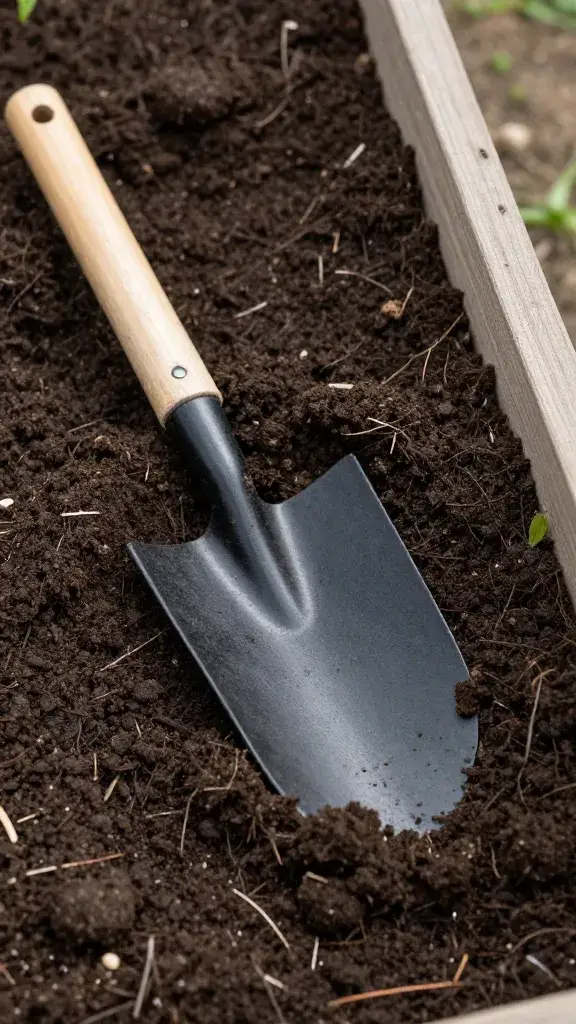
Yes, spacing matters. Overcrowded plants compete for everything and then sulk. Follow seed packet guidance, or use these general rules:
– Zinnias: 9–12 inches apart
– Cosmos: 12–18 inches
– Sunflowers: 6–18 inches depending on variety
– Snapdragons: 6–9 inches
Stake taller types early. Use:
– Bamboo stakes and twine
– Netting stretched across low posts (aka horizontal support)
– Fences or trellises for climbers like sweet peas
Don’t wait until a windstorm flattens your sunflowers. Ask me how I know.
Watering, Feeding, and (Minimal) Pest Drama
Water deeply and less often to grow strong roots. Aim for 1 inch of water per week, more in heat waves. Drip irrigation or soaker hoses are chef’s kiss for efficiency.
Feed with a balanced organic fertilizer or a compost top-dress every 4–6 weeks. Too much nitrogen = leafy plants and no blooms. We want flowers, not a jungle.
Pests? They exist. Keep calm.
– Encourage beneficial insects with diversity and herbs like dill and basil.
– Hand-pick larger pests early in the morning. Glamorous? No. Effective? Yes.
– Use insecticidal soap or neem only if needed, and never when pollinators actively visit.
Weeds: Outsmart, Don’t Outmuscle
– Mulch with straw or shredded leaves.
– Weed weekly for 10 minutes. Tiny weeds pull easy. Big ones mock you.
The Magic of Cutting: Harvest Right, Get More Blooms
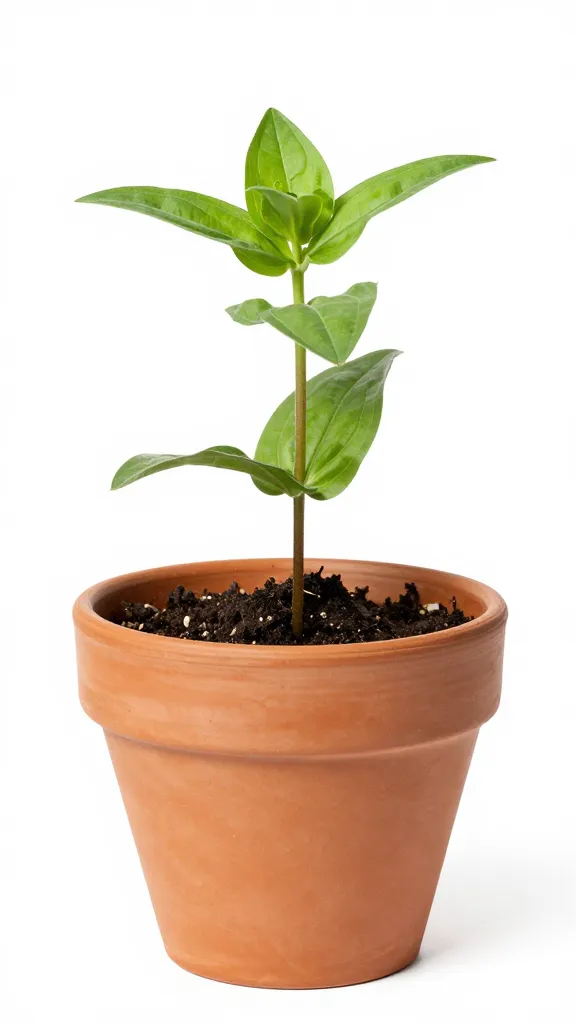
Cut flowers in the cool morning and pop stems into water immediately. Use clean, sharp snips. Dirty scissors spread disease faster than gossip.
Stage matters:
– Zinnias: Do the “wiggle test.” Mature stems stay firm when you shake them.
– Sunflowers: Cut when petals just start to unfurl.
– Cosmos: Cut in early bloom; too tight and they may not open.
– Snapdragons: Harvest when the bottom third of flowers open.
– Dahlias: Cut fully open or almost—buds don’t open in the vase.
Strip foliage below the water line. Recut stems at an angle. Change vase water every 1–2 days. Add a floral preservative or a tiny pinch of sugar and a drop of bleach if you want to nerd out.
Cut-and-Come-Again All-Stars
– Zinnias
– Cosmos
– Calendula
– Snapdragons (with a mid-season haircut to reflush)
– Sweet peas (pick constantly or they stop blooming—divas)
Designing Bouquets: Simple Rules, Big Payoff
Keep a rough recipe in mind:
– 1–2 focal blooms (sunflower, dahlia, big zinnia)
– 2–3 secondary flowers (snaps, cosmos, calendula)
– 1 filler (feathery foliage, herbs, grass heads)
– 1 texture or accent (nigella pods, strawflower, amaranth tassels)
Cluster colors or go wildflower-rainbow. Either way, keep stem lengths varied and don’t cram the vase. Let flowers breathe. Drama belongs in your TV queue, not your arrangements.
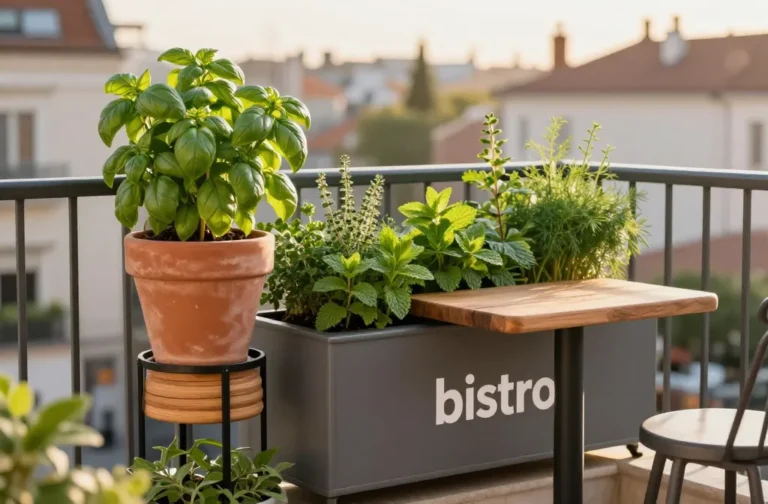
Grow Your Own Foliage
– Basil (aroma = instant luxury)
– Dill or fennel fronds (floaty and elegant)
– Dusty miller (soft silver, long-lasting)
– Lemon balm or mint (keep them in pots unless you like chaos)
FYI: Foliage elevates everything. Don’t skip it.
FAQ
How big should my first cut flower garden be?
Start with a 4×8 bed or 6–8 large containers. That size gives you dozens of stems weekly without overwhelming your schedule. Nail the basics first, then scale up.
Can I grow cut flowers in shade?
You can grow a few tolerant plants in partial shade (think foxgloves or some hydrangeas), but most cut flowers need full sun. If you only get 3–4 hours of light, pivot to foliage and shade-loving ornamentals. Honesty check: sunlight makes or breaks this game.
Do I need special tools?
Nope. You need sharp snips, a hand trowel, a watering setup, and maybe garden gloves. A hori-hori knife and a kneeling pad feel fancy but they’re optional. Keep it simple so you actually use your tools.
What’s the easiest way to keep flowers blooming?
Cut them often and deadhead the rest. Plants exist to set seed; your scissors convince them to keep trying. Also, feed lightly and water consistently. Stress = fewer blooms.
Why did my stems come out short and floppy?
Usually not enough light, too much nitrogen, or overcrowding. Thin plants, space correctly, and ensure full sun. For tall varieties, add support early so stems grow straight and strong.
Can I save seeds from my cut flowers?
Absolutely. Let a few flowers mature fully and dry on the plant. Collect seeds on a dry day, label them (future you will forget), and store cool and dark. Just note that hybrids won’t come true to type, IMO still fun to try.
Conclusion
You don’t need perfection to start a cut flower garden—you need a sunny spot, a short plant list, and the nerve to snip your blooms. Grow easy workhorses, cut often, and learn as you go. By midsummer, you’ll have jars of color on every surface and neighbors “just dropping by.” Ready to plant? Your future bouquets are.
Share this content: