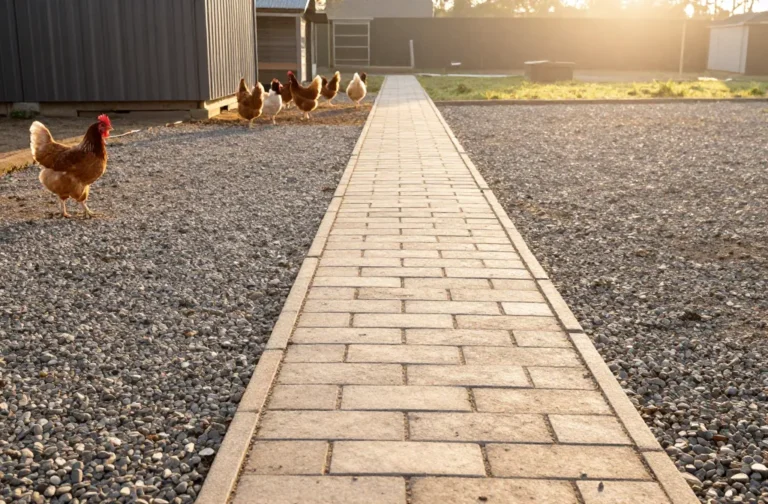
Surprising Benefits of Keeping Chickens at Home
Chickens pay rent in eggs. They turn kitchen scraps into breakfast, fertilize your yard for free, and strut around like tiny dinosaurs with zero self-awareness. If you want a simple, satisfying way to level up your home life, a small backyard flock delivers. No fluff—just feathers, fresh eggs, and a lot of personality.
Fresh Eggs You Can Actually Trust
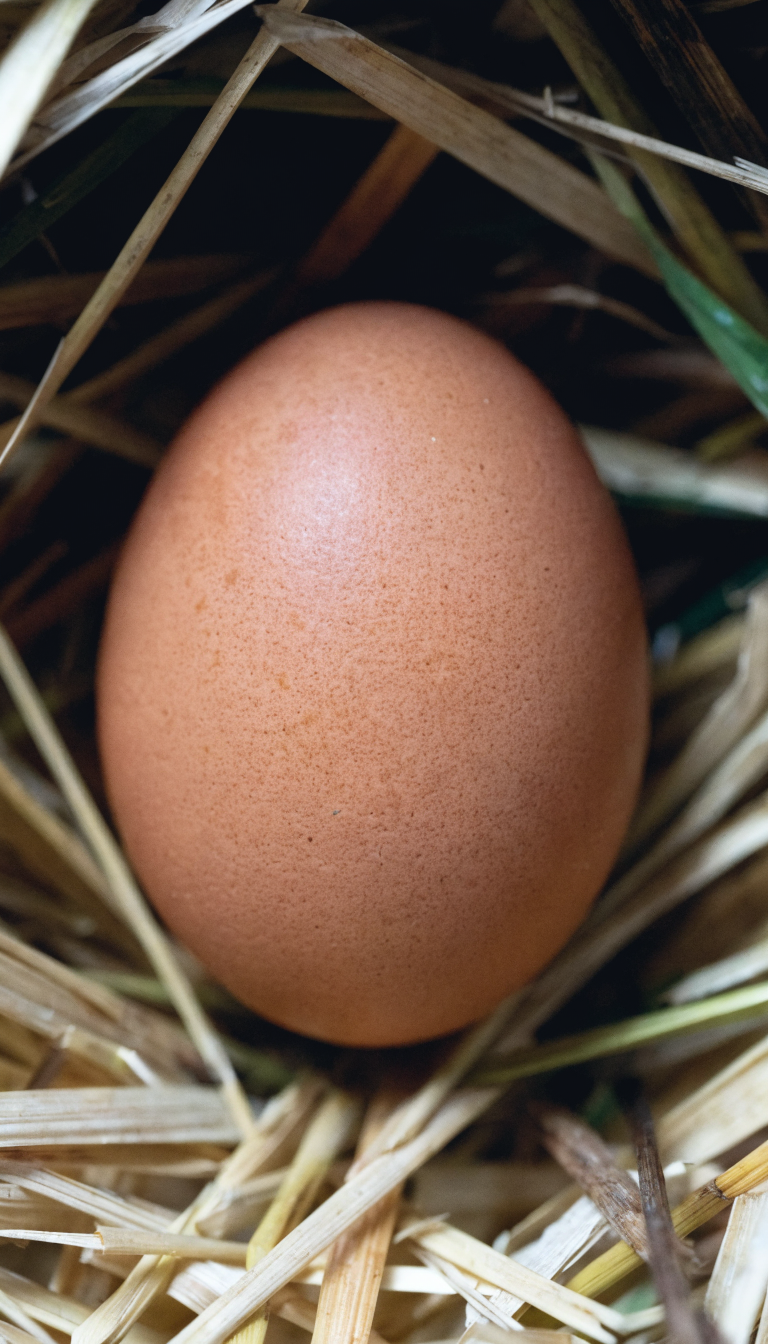
Crack a backyard egg next to a store-bought one and you’ll see it instantly. The yolk stands tall and glows that deep golden-orange that screams nutrition and happy hens. You control the feed and living conditions, so you know exactly what goes into your eggs.
Backyard eggs typically offer:
- Richer flavor and creamier texture (scrambles taste like a diner chef made them)
- Higher omega-3s and vitamins when you let hens forage
- Zero mystery about handling or freshness
How many eggs do you actually get?
A healthy hen lays around 4–6 eggs per week, depending on breed, age, and daylight. A flock of four hens can give you 15–20 eggs weekly. That’s omelets, bakes, and bragging rights.
Free Fertilizer and a Stronger Garden

Chickens turn weeds, pests, and kitchen scraps into premium compost. Their manure packs nitrogen, phosphorus, and potassium—basically a booster shot for your soil. With a little composting, you’ll supercharge your garden beds.
Use chicken power to:
- Compost faster with nitrogen-rich manure
- Improve soil structure and water retention
- Grow tastier veggies without synthetic fertilizers
Manure management 101
Don’t put fresh manure straight on plants—it’s too “hot.” Compost it for 6–12 months (or hot-compost 4–6 weeks) to mellow it out and kill pathogens. Layer bedding, poo, and browns (leaves, straw) and turn it. Boom: black gold.
Pest Control That Clucks
Your flock will hunt down beetles, ticks, slugs, and grubs like tiny velociraptors. They’ll scratch and peck through yard debris and cut down pests without chemicals.
Best practices for pest patrol:
- Let them into the garden between plantings or in the off-season
- Supervise around delicate seedlings—they will “help” by excavating them
- Rotate access areas to avoid over-scratching a single patch
Will they eat all your plants?
If you let them, yes. They love tender greens, berries, and your favorite lettuce that took weeks to sprout. Use fencing, chicken tractors, or row covers to protect prized beds while still reaping the weed-and-bug control benefits.
Lower Waste, Lighter Footprint
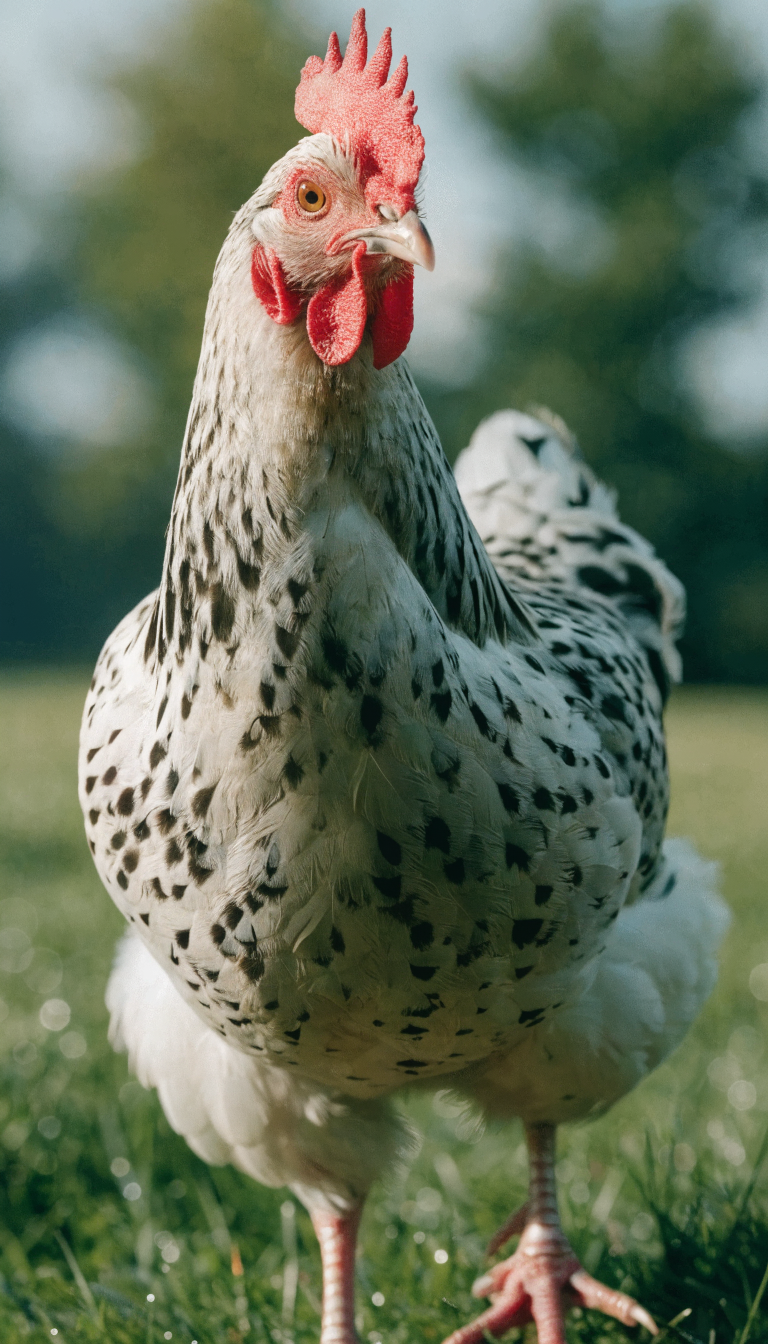
You can feed hens a surprising amount of scraps: wilted greens, veggie peels, stale bread, spent garden plants. They’ll convert it into eggs and compost. Less trash, more breakfast—easy win.
Great scraps for chickens:
- Leafy greens, broccoli stems, squash guts
- Cooked rice, oats, and pasta (in moderation)
- Fruit peels and cores (go easy on citrus)
Skip these:
- Raw or dried beans (toxic), avocado pits/skins, green potato peels
- Chocolate, caffeine, salty or moldy foods
- Onions and garlic in large amounts (flavor issues, IMO)
Surprising Mental Health Perks
Chickens calm the brain. Watching them peck and murmur lowers your shoulders two inches. Morning egg collection gives you a tiny, wholesome routine that anchors the day—and yes, tiny things matter.
Expect these feel-good bonuses:
- Daily fresh-air breaks
- Low-stakes responsibility that feels rewarding
- Family bonding (kids adore naming them ridiculous things)
Yes, they have personalities
Some hens cuddle. Some sass. Some plot little heists to steal blueberries. You’ll pick favorites. It happens. FYI, chickens remember faces and can learn simple routines—treat training totally works.
Backyard Entertainment (and Education)
Chickens offer endless comedy for the price of grain. They sunbathe like divas, sprint for treats, and hold full-on gossip sessions. Plus, they teach kids where food actually comes from.
Teach with chickens:
- Life cycles: chicks, pullets, productive hens, retirement
- Ecology: soil health, composting, insect control
- Responsibility: feeding, watering, and coop care
Money Talk: Do Chickens Save You Cash?
Short answer: sometimes. Long answer: it depends on your setup and self-control at the farm supply store. You can absolutely offset egg costs, especially if you DIY.
Ways to keep costs reasonable:
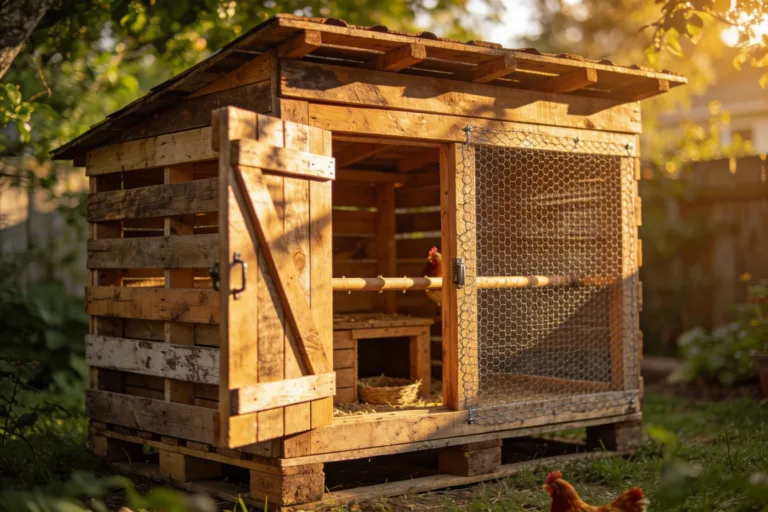
- Build a simple, secure coop from reclaimed materials
- Use deep-litter bedding to reduce waste and create compost
- Free-range safely to cut feed bills (supervise to avoid predators)
- Buy quality feed and supplement with scraps and garden weeds
Realistic numbers
Starter costs vary widely, but you can set up a small flock for a few hundred dollars if you get crafty. Ongoing costs include feed, bedding, and occasional health supplies. If eggs run $4–7 per dozen near you, your flock can compete, especially with 4–6 hens. Not every hobby pays—it’s okay. The lifestyle value counts, IMO.
What You Need to Get Started
Keep it simple and safe. Chickens don’t ask for much—just shelter, food, and protection from whatever thinks “chicken nugget” when it looks at them.
Basic setup checklist:
- Secure coop with good ventilation (no drafts), predator-proof locks, and easy-clean design
- Run or yard with hardware cloth (not flimsy chicken wire) and a covered top if hawks lurk
- Nesting boxes: about 1 per 3–4 hens, filled with clean bedding
- Roosts higher than nesting boxes (they prefer to sleep elevated)
- Feeders, waterers, and grit/oyster shell on the side
Daily/weekly routine:
- Daily: fresh water, feed check, quick look-over for health
- 2–3x/week: poop-scoop high-traffic spots, refresh bedding as needed
- Monthly: deep clean coop, inspect for mites, tighten latches and patch gaps
Breed picks for beginners
- Buff Orpington: calm, fluffy, great layers
- Plymouth Rock: hardy, friendly, good in mixed flocks
- Australorp: egg-laying machine with a sweet temperament
- Easter Egger: colorful eggs and quirky personalities
FAQs
Do I need a rooster for eggs?
Nope. Hens lay eggs without a rooster. You only need a rooster if you want fertilized eggs for hatching—or you enjoy 5 a.m. karaoke with feathers.
How much space do chickens need?
Aim for at least 3–4 square feet per bird inside the coop and 8–10 square feet per bird in the run. More space means happier hens, fewer squabbles, and cleaner conditions. If you free-range, supervise and rotate areas for safety and lawn health.
Are chickens noisy or smelly?
Chickens chat, but they usually stay quieter than dogs. Smell only becomes an issue if you skip cleaning or cram too many birds into a tiny space. Use dry bedding, good ventilation, and regular spot-cleaning and you’ll keep it fresh.
What about predators?
Everything loves chicken dinner—foxes, raccoons, hawks, neighbor’s dog. Use hardware cloth (not chicken wire), lock coops at night, bury apron fencing to stop digging, and cover runs. Motion lights and secure latches help a lot.
Do they lay eggs year-round?
Hens slow down in winter because daylight triggers laying. Add a safe, low-watt light to extend “daylight” if you want consistent eggs, or let them rest seasonally. Both choices work—your call.
How long do chickens live and lay?
Many backyard hens live 5–8 years, sometimes longer. Peak laying hits in the first 2–3 years, then tapers. Plan for a gentle retirement or integrate new pullets yearly for steady eggs.
Conclusion
Chickens turn ordinary backyards into tiny ecosystems that produce food, compost, and laughs. They reward a bit of daily care with eggs you’ll brag about and a garden that thrives. Start small, build safe, and enjoy the clucks and quirks—your breakfast (and your mood) will thank you. FYI: once you name them, you’re in deep.
Share this content: