Backyard Garden Mistakes Beginners Make and How to Fix Them Fast
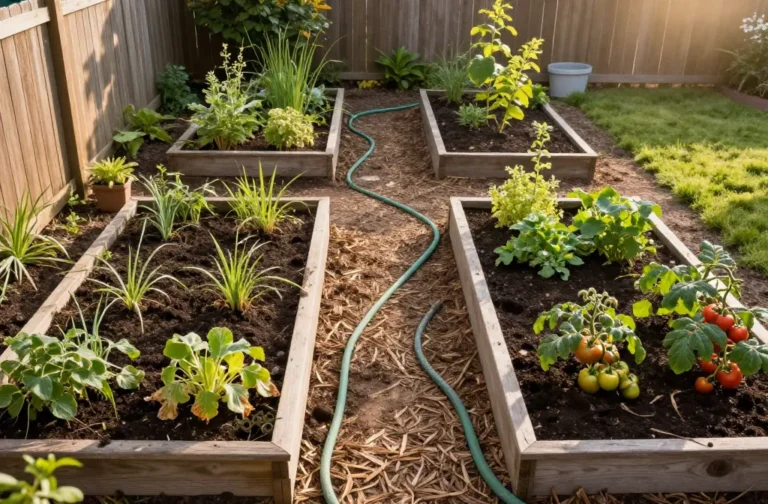
Your backyard can become a lush little paradise—or a chaotic jungle you swear you’ll deal with “next weekend.” Most beginner gardeners stumble on the same avoidable mistakes, then wonder why their tomatoes ghost them. The good news? You can fix almost everything with a few smart tweaks. Let’s rescue your garden (and your sanity) fast.
Planting Without a Plan (aka Garden Chaos)
You don’t need a blueprint worthy of an architect, but you do need a game plan. Randomly buying cute plants and shoving them into the ground invites disappointment. Some need sun, some crave shade, and some want to take over the neighborhood like botanical raccoons.
Fix it:
- Map your light. Watch your yard for a day and note where you get 6+ hours of sun (full sun), 4-6 (partial), and under 4 (shade). Label these zones.
- Group by needs. Put sun-lovers together, shade folks together, and match water needs so you don’t drown one while another begs for a drink.
- Think in layers. Tall in back, medium in middle, low in front. Your future self will thank you when you can actually see the marigolds.
Starter Layout That Works
- One 4×8 raised bed for veggies (full sun)
- One shady corner with hostas/ferns (low maintenance)
- A narrow herb strip near the kitchen door (you’ll use them more)
Ignoring the Soil (Your Plants’ Entire World)
Plants don’t eat “plant food.” They eat nutrients in soil. If your dirt looks like dusty beach sand or sticky clay, you can baby your plants all season and still get meh results. IMO, soil quality decides 80% of your success.
Fix it:
- Do a simple soil test. Grab an inexpensive test kit or send a sample to your local extension office. You’ll learn pH and nutrient levels.
- Add organic matter. Mix in compost 1-2 inches deep once or twice a year. Compost = better structure, drainage, and nutrients. Magic.
- Mulch like a pro. 2-3 inches of mulch locks in moisture, shades out weeds, and keeps soil happy. Keep it an inch away from stems.
Clay or Sand? Quick Fixes
- Clay: Add compost and coarse material (like pine fines). Avoid tilling wet clay—you’ll make bricks.
- Sandy: Add compost and coconut coir to hold moisture. Water deeply but less often.
Overwatering and Underwatering (Pick Your Poison)
Beginner gardeners love to “check in” with the hose. Friendly, but deadly. Roots want deep, less frequent water—not a daily sprinkle that barely wets the top inch.
Fix it:
- Use the knuckle test. Stick a finger into the soil up to the second knuckle. Dry at that depth? Water. Still damp? Wait.
- Water deeply. Aim for 1 inch of water per week for most veggies and flowers. Soak the root zone, not the leaves.
- Time it right. Water early morning so leaves dry quickly and disease stays low. Evening watering = fungi party.
Drip for the Win
Drip irrigation or soaker hoses deliver slow, targeted water. You’ll reduce waste, keep leaves dry, and save time. FYI, a simple battery timer costs little and feels like cheating (the good kind).
Planting Too Early or Too Late
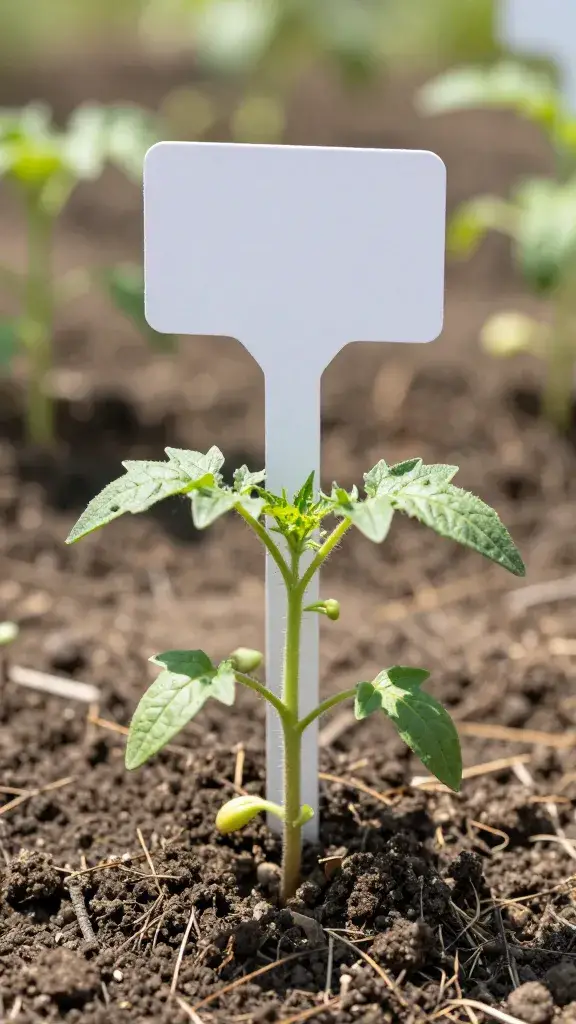
Seed packets and plant tags aren’t lying to you—you just need to match them to your local frost dates. Putting tomatoes out before your last frost basically invites them to shiver dramatically and die.
Fix it:
- Know your frost dates. Look up your area’s last spring and first fall frost. Plan warm-season crops (tomatoes, peppers, basil) after last frost only.
- Harden off seedlings. Transition them outside over 7-10 days. Start in shade for a few hours, then build up sun and time. No “cold shock” meltdowns.
- Use season extenders. Row covers, cloches, and cold frames buy you a couple extra weeks. That can mean actual tomatoes instead of broken dreams.
Overcrowding (The Produce Fight Club)
Cramming plants together looks efficient… until mildew shows up, airflow dies, and everyone fights for nutrients. Seed packets list spacing for a reason. IMO, fewer, happier plants beat a packed bed every time.
Fix it:
- Follow spacing guides. Thin seedlings ruthlessly. Yes, it hurts. Do it anyway.
- Stagger harvests. Sow smaller amounts every 2-3 weeks (carrots, lettuce, radishes) so you don’t drown in greens one week and starve the next.
- Use vertical space. Trellis cucumbers, beans, and peas to save room and improve airflow.
Spacing Cheatsheet
- Tomatoes: 18-24 inches apart (caged), 24-36 inches (staked)
- Peppers: 12-18 inches
- Leaf lettuce: 8-10 inches or cut-and-come-again rows
- Carrots: thin to 2 inches
Forgetting to Feed (or Feeding Like a Firehose)
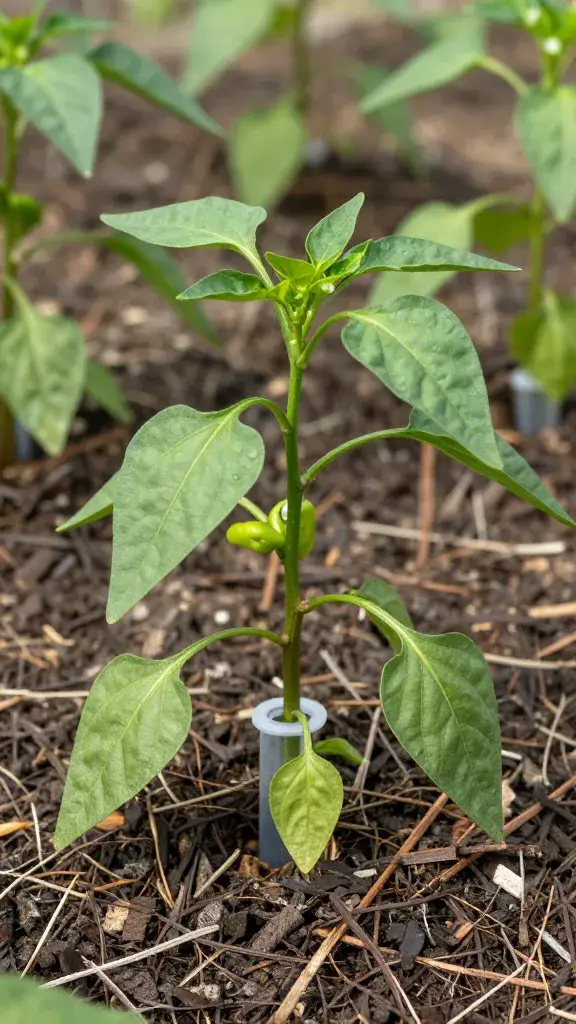
Fertilizer isn’t a vibe; it’s a schedule. Overfeeding burns roots, underfeeding starves plants. Choose your approach and stick to it.
Fix it:
- Start with compost. Mix in compost at planting for slow, steady nutrition.
- Pick one fertilizer strategy.
- Organic slow-release: Top-dress with composted manure or organic granulars every 4-6 weeks.
- Liquid feed: Fish/seaweed emulsion every 2-3 weeks during heavy growth.
- Match feed to the plant. Leafy greens love nitrogen; fruiting plants want balanced early, then more phosphorus/potassium.
Signs You’re Off Balance
- Too much nitrogen: Big leaves, few flowers or fruit.
- Too little: Pale, slow growth, smaller leaves.
Ignoring Pests Until It’s a Soap Opera
One day you admire your kale. The next, it looks like lace lingerie. Pests move fast. You don’t need to spray everything—just watch, prevent, and act early.
Fix it:
- Scout weekly. Flip leaves, check new growth, look for eggs and droppings.
- Use barriers first. Row covers keep cabbage worms and beetles out without chemicals.
- Spot-treat smartly. Hand-pick, blast with water, or use insecticidal soap/neem on soft-bodied pests. Keep beneficials safe.
- Encourage allies. Plant dill, alyssum, and yarrow to attract ladybugs and lacewings. Nature’s tiny bouncers.
Common Culprits and Quick Moves
- Aphids: Hose off, then soap spray. Ladybugs help.
- Slugs: Beer traps, iron phosphate bait, and remove hiding spots.
- Tomato hornworms: Hand-pick at dusk. If you see white cocoons on them, leave them—parasitoids are working for you.
Skipping Maintenance (Weeds, Pruning, and The “I’ll Do It Later” Lie)
A garden needs tiny bits of love often, not heroic weekend marathons. Ten minutes here and there beats a 3-hour weeding rage every time.
Fix it:
- Set a weekly rhythm. Water check Monday, weed and mulch Wednesday, prune and harvest Saturday. Done.
- Prune and stake early. Tie tomatoes before they flop. Snip dead or diseased leaves to boost airflow.
- Harvest on time. Pick beans, cukes, and zucchini young so plants keep producing. Monster zucchini are just bragging rights.
FAQ
How do I start a garden on a tight budget?
Focus on soil first: compost and mulch stretch dollars the farthest. Grow high-value crops you actually eat (herbs, salad greens, tomatoes). Start with seeds for easy plants like radishes and beans, and buy just a few starter plants for fussier crops like tomatoes or peppers. Reuse containers and snag free mulch (leaves, grass clippings) when clean.
What are the easiest veggies for beginners?
Start with lettuce, radishes, bush beans, cucumbers (on a trellis), and cherry tomatoes. They grow fast, forgive small mistakes, and reward you early. FYI, cherry tomatoes outperform big slicers in tricky weather and still taste amazing.
How often should I water?
Aim for deep watering once or twice a week depending on heat and soil, not daily sprinkles. Use the knuckle test and watch plant posture—perky in morning, droopy at midday (normal), still droopy at night (needs water). Mulch helps you stretch time between waterings.
Do I really need to rotate crops?
If you grow in the ground, yes—rotate plant families yearly to reduce diseases and nutrient drain. Move tomatoes/peppers/eggplants (nightshades) to a different bed each year. In small spaces, at least avoid planting tomatoes in the exact same spot back-to-back, and refresh soil with compost. Containers? Replace or heavily amend potting mix annually.
Can I grow veggies in shade?
You can grow some. Leafy greens, herbs like mint and parsley, and root crops like beets and carrots tolerate partial shade. Fruiting crops (tomatoes, peppers, cucumbers) need 6-8 hours of sun to truly thrive. If shade rules your yard, IMO a salad garden will make you happiest.
Why do my seedlings get tall and floppy?
They’re stretching for light. Give them stronger, closer light (2-3 inches above with LEDs), run a small fan for sturdier stems, and avoid overwatering. When you move them outside, harden off gradually so they don’t collapse from sun and wind shock.
Conclusion
You don’t need a green thumb—just a few smart habits. Plan your layout, feed the soil, water deeply, space plants right, and keep an eye out for drama (bugs, disease, weeds). Fix those basics and your garden will reward you with fresh food, brag-worthy blooms, and fewer “what happened?” moments. And hey, if something fails, compost it and call it “learning.” That’s basically gardening in a nutshell.
Share this content: