Are Silkie Chickens Good for Beginners? (Pros, Cons & What to Expect)
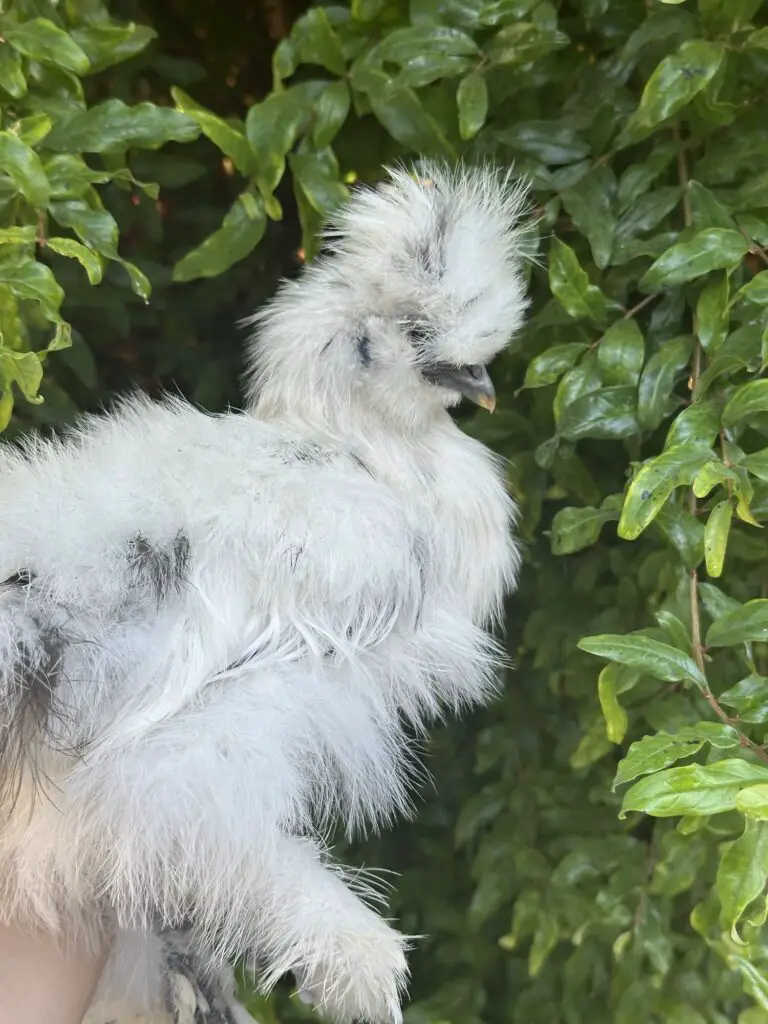
Silkies look like chickens that crashed a feather boa party and never left. They’re fluffy, sweet, and surprisingly weird—in the best way. But are they actually good for beginners, or just adorable divas? Let’s skip the fluff (well, not literally) and get into what you can expect if you bring home these pom-pom birds.
What Makes Silkies So Popular?
Silkies win hearts fast. They’re small, gentle, and look like feathered puffballs. Kids love them. Neighbors ask about them. Instagram eats them up.
They also come in fun colors—white, black, blue, splash, partridge—and have unique traits like black skin, turquoise earlobes, and extra toes. Yep, they often have five toes per foot, like they missed the memo. If you want a pet-like chicken that’s calm and cuddly, Silkies sit at the top of the list.
The Big Pros: Why Beginners Love Silkies
- Sweet, friendly temperament: Silkies act more like lap pets than livestock. Many enjoy being held and follow you around the yard like feathery puppies.
- Great for small spaces: They’re bantam-sized in many regions (and small even when they’re “large fowl”), so they don’t need massive coops.
- Quiet birds: Hens cluck softly. Roosters crow (because roosters gonna rooster), but overall they’re less noisy than many breeds.
- Excellent mothers: These gals go broody a lot and raise chicks like pros. They’ll even mother other breeds’ babies.
- Cold-tolerant bodies: Despite the fluff, they handle cool weather okay if kept dry and out of the wind.
Beginner-Friendly Vibe
If you want chickens that won’t bully you—or your kids—Silkies deliver. They tolerate handling better than most breeds, which makes routine care and health checks easier. IMO, they’re one of the best starter breeds for folks who want “pet chickens” rather than a hardcore egg factory.
The Cons: What Trips People Up
Every breed has quirks. Silkies just have cuter ones. Here’s what can cause headaches:
- Not power layers: Expect around 100–150 small to medium eggs per year per hen. If you want six eggs a week, choose a different bird.
- Broody… a lot: That motherly instinct kicks in often. A broody Silkie stops laying and parks on anything egg-shaped—golf balls included.
- Feather care matters: Their fluffy “silk” feathers don’t repel water well. Wet Silkies chill fast and get muddy easily.
- Can’t see well: That poof on their heads (the crest) can block vision. Birds with huge crests may miss predators or bump into things.
- Lower predator awareness: Because of their calm nature and vision issues, they make easy targets if you free-range without supervision.
- Foot feathering: Those fuzzy feet collect mud and ice in winter. You’ll need to check them regularly.
Are They “Fragile”?
Not exactly fragile, but they need extra common sense care. Keep them dry, trim crests if needed, and protect them from bullies and predators. Do that, and Silkies live long, cozy lives.
Housing and Setup: Get This Right
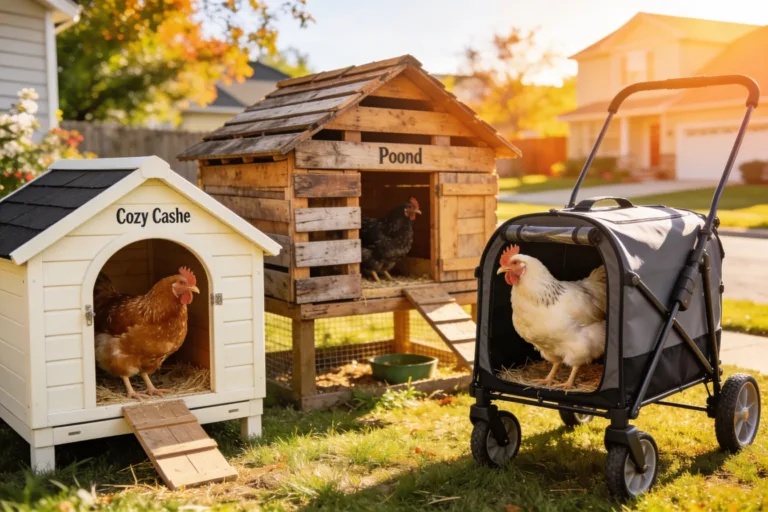
Coop: Aim for 3–4 square feet per bird inside the coop. Add good ventilation without drafts. Keep the floor dry and clean.
Run: Give 8–10 square feet per bird and cover it. Silkies can’t fly well and won’t jump fences like acrobats, but hawks love an easy meal. A roof or netting helps.
Roosts: Provide lower roosts (12–18 inches high). Their fluffy feet and limited vision make high perches risky.
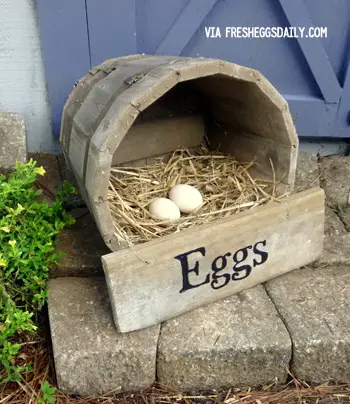
Nesting boxes: Standard boxes work (12×12 inches), but line them deep with shavings. A broody Silkie basically moves in, so make it comfy.
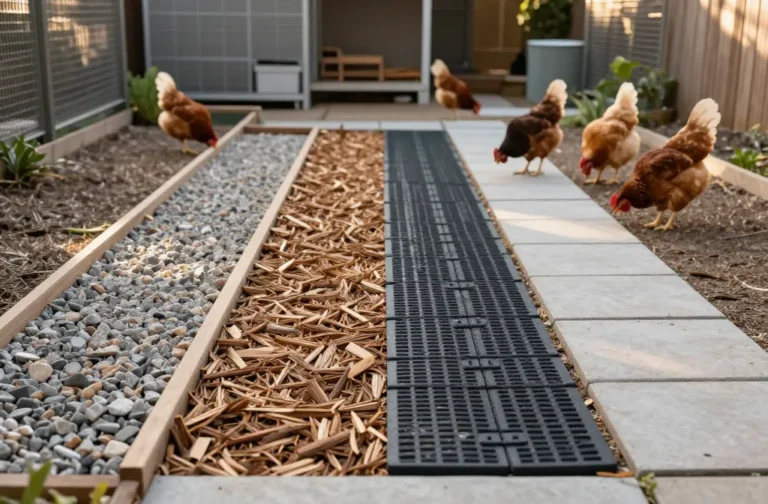
Flooring: Dry equals everything. Use pine shavings or chopped straw and spot-clean often.
Weather Tips
- Rain: Keep them out of wet weather. Their feathers soak up water like a sponge.
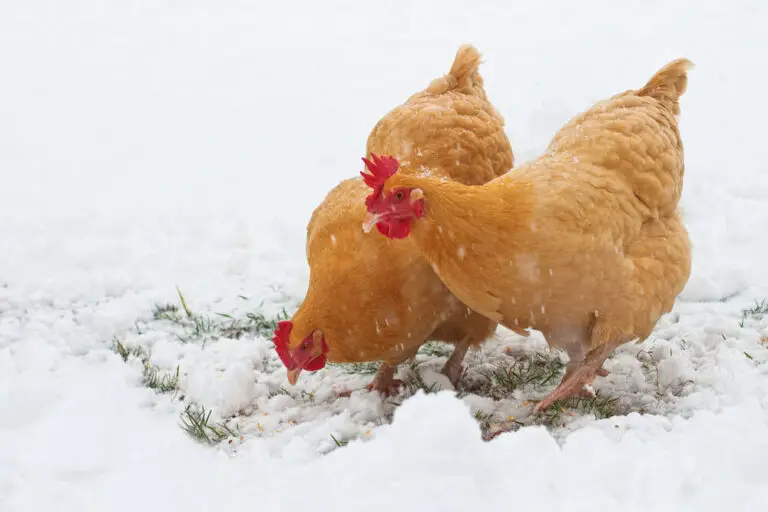
- Cold: They handle cold if dry and draft-free. Ice on foot feathers? Bring them in, thaw gently, and dry.
- Heat: Offer shade, fresh water, and ventilation. That feather coat runs hot.
Feeding and Health Basics
Feed: Start with a quality starter feed for chicks, then move to a 16–18% protein layer feed for hens. Offer oyster shell on the side for calcium. Treats? Keep them under 10% of the diet.
Grit: If they get anything besides commercial feed (like greens or scratch), provide grit so they can digest properly.
Water: Clean, fresh water at all times. Elevate waterers slightly to keep feathers from dragging through and turning the run into a soup.
Health Watchlist:
- Scaly leg mites: Check those feathered legs and toes regularly.
- External parasites: Fluff hides lice and mites well. Do monthly checks, especially around the vent and under wings.
- Eye irritation: Big crests can poke eyes. Trim a little around the eyes if they can’t see where they’re going.
Grooming Silkies (Yes, Really)
You don’t need a full spa day, but:
- Snip a tiny fringe around eyes for better visibility.
- Comb out mats from foot feathers and trim if they drag.
- Spot-clean mud with a damp cloth. Full baths only when absolutely necessary.
Eggs, Broodiness, and Chicks
Eggs: Expect cream or tinted eggs, smaller than standard layers. Production often dips in winter and whenever broodiness kicks in.
Broody Mode: When a Silkie goes broody, she fluffs up, growls (adorably), and hogs a nest box. You can either:
- Let her hatch: Give her fertile eggs and a safe, separate nest area.
- Break the brood: Use a well-ventilated crate with no nesting material for a few days. Food and water included, of course.
Raising Chicks: Silkies crush it as moms. They’ll adopt chicks you slip under them at night. FYI, their calm temperament helps them raise even spicy-breed babies without drama.
Silkies for Kids and Families
They’re one of the best family breeds. Gentle, patient, and small-handed-kid-friendly. Just teach kids to hold them low to the ground and support their feet. Silkies tolerate cuddles, but they still appreciate snacks as payment.
Silkies vs. Other Beginner Breeds
If you want eggs first, go for Australorps, Plymouth Rocks, or ISA Browns. If you want pets you also happen to collect eggs from sometimes, Silkies win. They also mix well in flocks with other calm breeds—but avoid housing them with pushy bullies like some Leghorns or game-type birds.
Mixing Flocks: A Quick Note
Silkies sit lower on the pecking order. If you combine flocks:
- Provide multiple feeders and waterers.
- Offer hiding spots and perches at different heights.
- Supervise introductions and separate any chronic bullies.
What to Expect Day to Day
Here’s your typical Silkie routine:
- Morning: Let them out, refresh water, check for mud on feet, quick health glance.
- Day: Supervised free-range time if your yard is secure; otherwise keep them in a predator-proof run.
- Evening: Collect small-but-cute eggs, shoo any broody queen off the nest for a snack, lock up tight.
- Weekly: Clean coop surfaces, fluff bedding, check for mites and mats.
It’s simple, but it rewards consistency. IMO, a tidy Silkie is a happy Silkie.
FAQ
Do Silkie chickens lay blue eggs?
Nope. Silkies lay cream or tinted eggs, not blue. If you want blue eggs, look at Ameraucanas or Easter Eggers.
Can Silkies live with standard-size chickens?
Yes, but manage the pecking order. House them with calmer breeds, add multiple feeding stations, and watch for bullying. If someone targets your Silkies, separate the offender.
Are Silkies good in cold climates?
They handle cold fine if they stay dry and out of drafts. Focus on ventilation, deep bedding, and dry feet. Wet plus wind equals trouble for Silkies.
How often do Silkies go broody?
Frequently. Many hens go broody several times a year. It’s adorable until you need eggs—then you either let her hatch or break the cycle.
Do Silkies need special feed?
No special brand required. Use a standard balanced layer feed once they mature, plus oyster shell on the side. Offer grit if they get treats or forage.
Are Silkie roosters aggressive?
Usually not. Silkie roosters tend to be gentler than many breeds, though temperament varies bird to bird. Socialize them early and handle them kindly.
So… Are Silkies Good for Beginners?
Absolutely—if you want sweet, hands-on birds more than a mountain of eggs. Silkies shine as friendly pets, kid companions, and adorable backyard mascots. Give them dry housing, low roosts, predator protection, and a little grooming now and then. Do that, and your fluffy squad will repay you with cuddles, occasional eggs, and a lot of backyard charm. FYI: once you get one, you’ll probably get three. Don’t say I didn’t warn you.
Share this content: