9 Best Flowers for a Pollinator Garden That Blooms All Season Guide
Want a buzzing, fluttering backyard that explodes with color from spring to frost? Build a pollinator buffet. These flowers don’t just look gorgeous—they feed bees, butterflies, and hummingbirds nonstop. Pick a few, mix them smartly, and you’ll have a living rainbow that basically maintains itself. Ready to give your garden main-character energy?
1. Coneflower Power: Echinacea That Won’t Quit
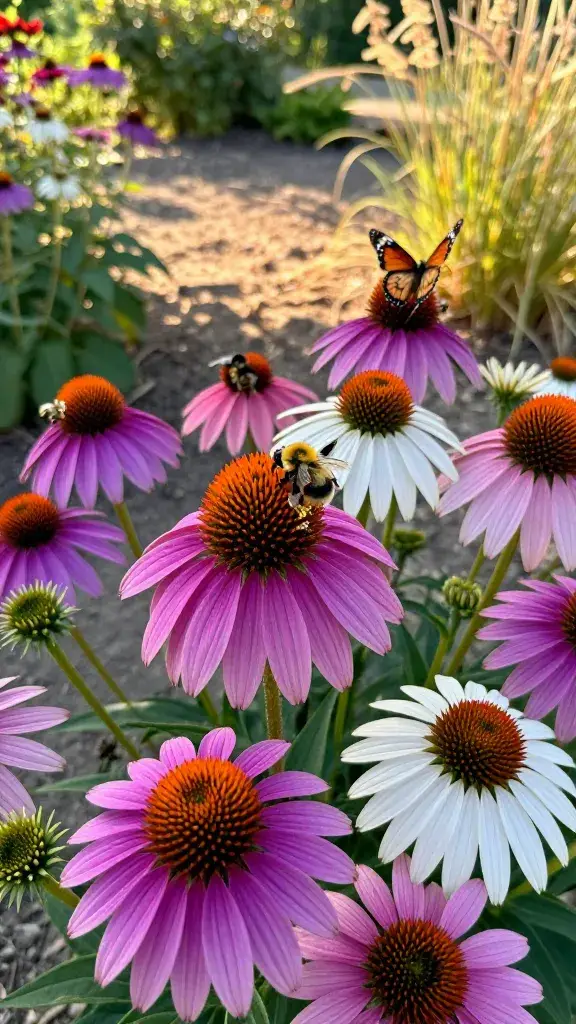
These cheerful, daisy-like blooms crank out color for months and pull in bees like a magnet. Echinacea handles heat, drought, and your occasional “oops, I forgot to water” moment. Plus, birds love the seed heads in fall—free entertainment.
Why It’s Awesome
- Long bloom window: Early summer through fall
- Colors: Purples, pinks, whites, and wild hybrids
- Pollinators: Native bees, bumbles, butterflies
Plant them in full sun with well-drained soil, then deadhead to keep the show going. Leave seed heads for goldfinches—trust me, it’s adorable.
2. Black-Eyed Susan, The Summer Crowd-Pleaser
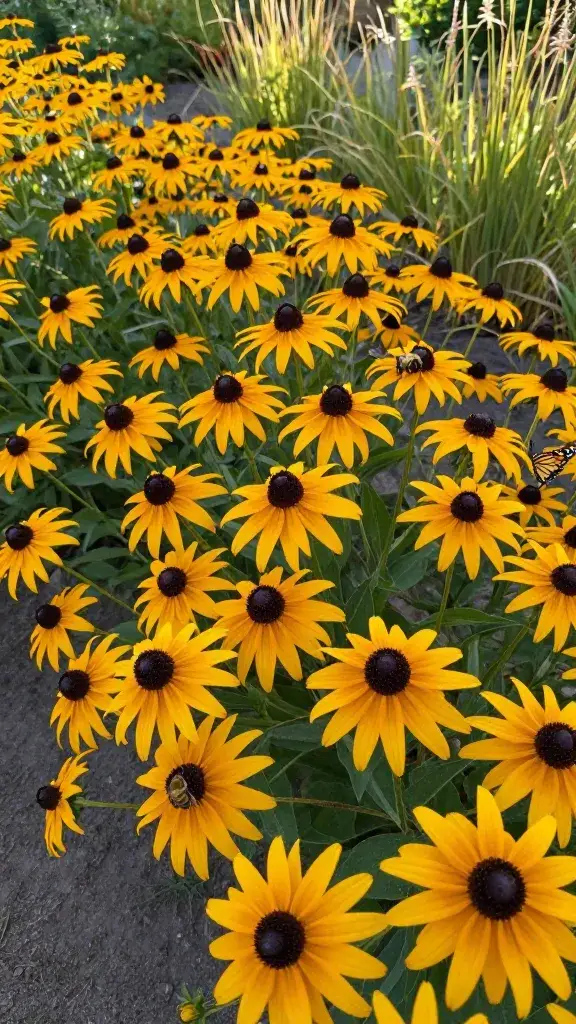
Rudbeckia turns on the sunshine when midsummer heat kicks in. Those golden petals with dark eyes bring serious contrast and carry your garden through late summer like a champ.
Key Points
- Bloom time: Mid to late summer into fall
- Low maintenance: Thrives in poor soil and full sun
- Wildlife bonus: Great nectar now, great seeds later
Use it as a backbone plant in borders or mass it for a wildflower look. It keeps pollinators fed when many spring flowers tap out.
3. Salvia, The Hummingbird Hotline
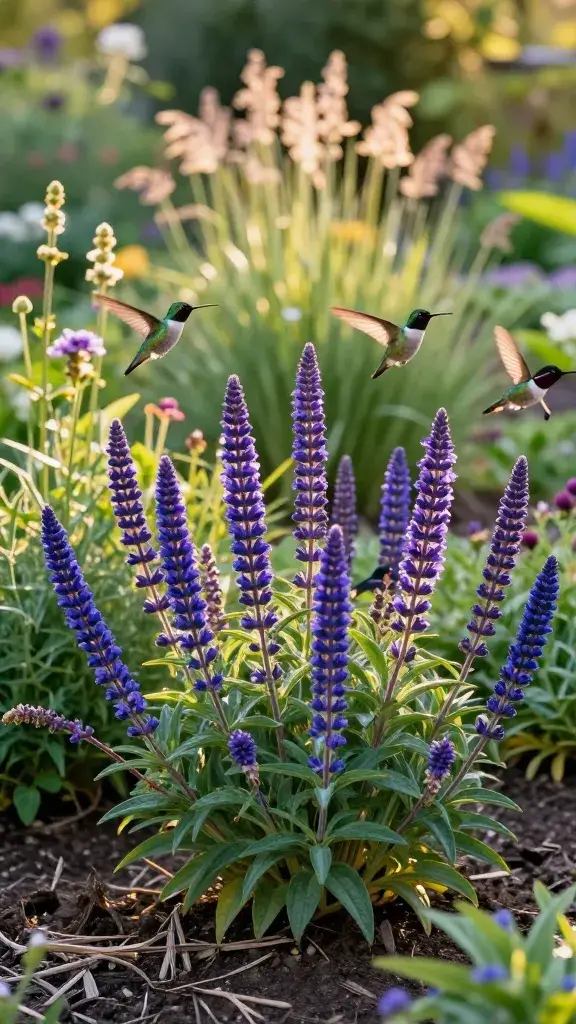
Salvia shoots up spiky blooms that practically shout “free nectar!” Hummingbirds answer that call daily. You get waves of color if you shear the spent spikes—no drama, just results.
Tips
- Bloom booster: Cut back after first flush to rebloom
- Varieties: ‘May Night’, ‘Caradonna’, ‘Victoria Blue’ (and many native sages)
- Placement: Full sun, front-to-mid border for that vertical pop
Salvia bridges spring to fall, so it’s your reliable nectar station when other plants take breaks. FYI: Deer usually ignore it—win.
4. Lavender, The Fragrant Bee Buffet
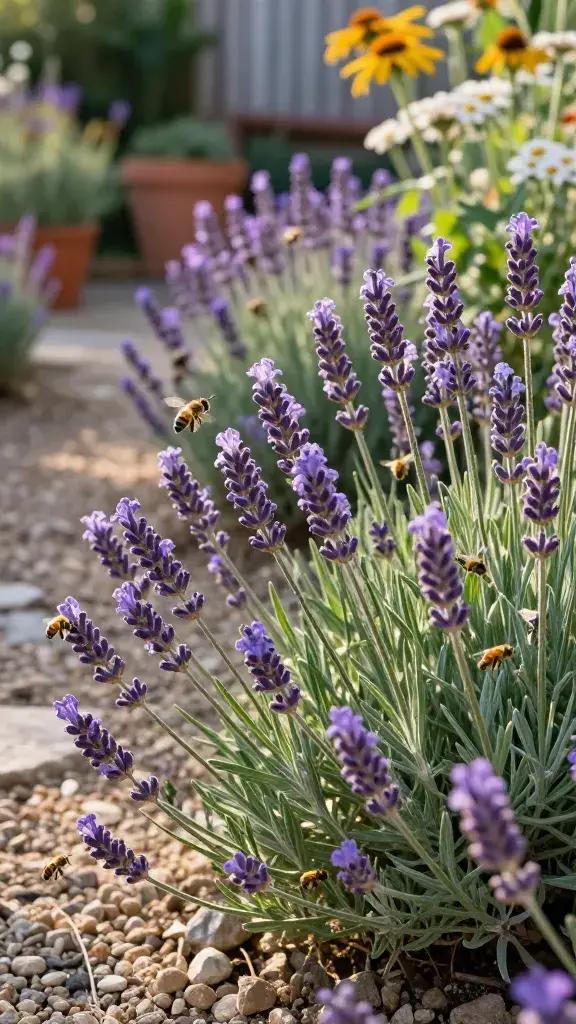
Want a garden that smells like a Provencal daydream and hums with bees? Plant lavender. It thrives on neglect, laughs at poor soil, and gives you flowers you can dry for sachets if you’re feeling fancy.
Good-To-Know
- Soil: Sharp drainage is non-negotiable
- Sun: Full sun, heat-loving
- Pruning: Lightly shape after bloom to prevent legginess
Lavender’s early-to-mid-summer bloom feeds pollinators when spring ephemerals fade. Plus, you’ll look like you planned an entire aesthetic. IMO, that’s priceless.
5. Bee Balm, AKA Monarda, AKA The Party Hat Flower
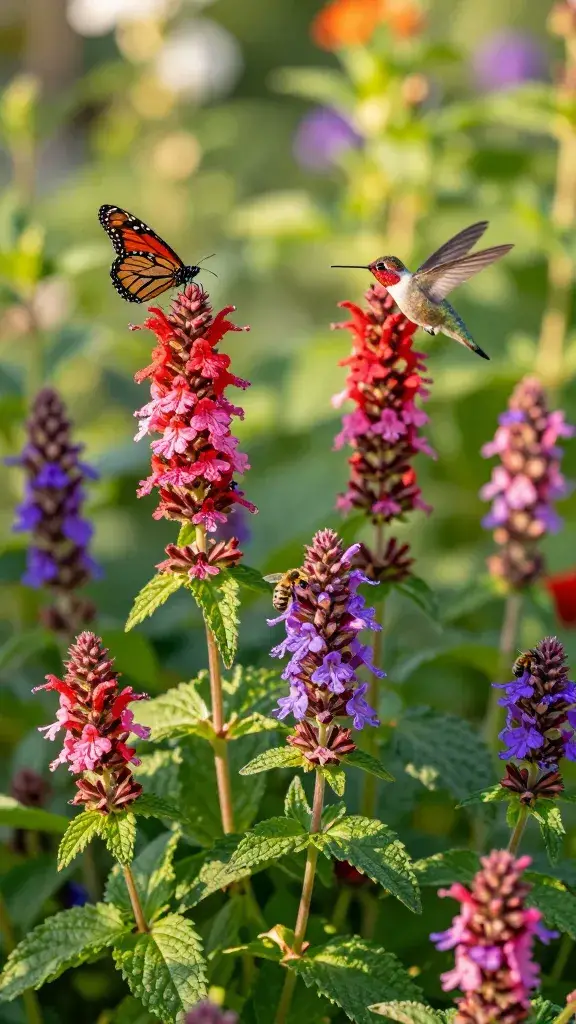
Bee balm throws shaggy fireworks of color that bees, butterflies, and hummingbirds can’t resist. It smells minty-fresh and brings drama without diva behavior—just give it some air flow.
Key Points
- Bloom time: Mid to late summer
- Moisture: Likes even moisture, especially in heat
- Spacing: Don’t crowd—prevents mildew
Use reds for hummingbirds and pinks/purples for bees and butterflies. It’s your midseason headliner when you want color and constant winged visitors.
6. Catmint: The Chill, Long-Blooming Workhorse
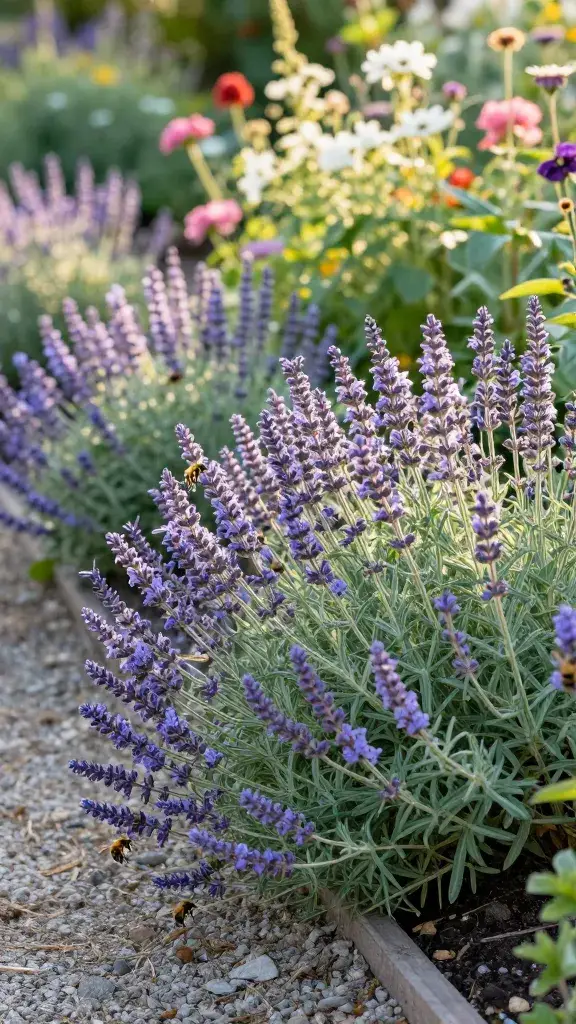
Catmint (Nepeta) spills in soft-blue clouds for ages, and pollinators treat it like an all-you-can-eat brunch. It thrives in full sun and dry-ish soil, then reblooms with a quick trim. Easy, breezy, ridiculously dependable.
Why Gardeners Love It
- Rebloom trick: Shear by one-third after first flush
- Varieties: ‘Walker’s Low’, ‘Cat’s Pajamas’, ‘Six Hills Giant’
- Design use: Edge paths, soften hard lines, fill gaps
Catmint bridges early summer to fall, making it a legit backbone plant in a pollinator garden. Serious staying power with minimal fuss.
7. Zinnias: The Color Riot That Delivers Daily Visitors
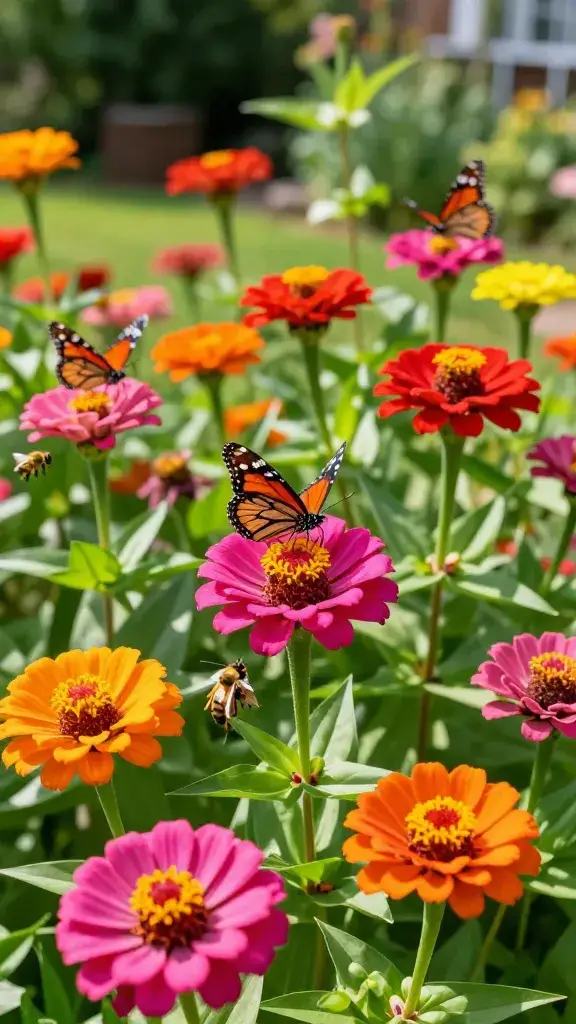
Want instant gratification? Grow zinnias from seed and get neon blooms all summer. Butterflies pile on like it’s a block party, and you’ll cut buckets for vases without hurting the display.
Grower Tips
- Sun + heat: The more, the better
- Spacing: Good air flow fights powdery mildew
- Deadhead: Cut often to keep flowers coming
Choose single or semi-double forms for easier nectar access. They fill summer gaps and make the garden feel alive—seriously, the vibe is unmatched.
8. Asters, Your Fall Finale With Fireworks
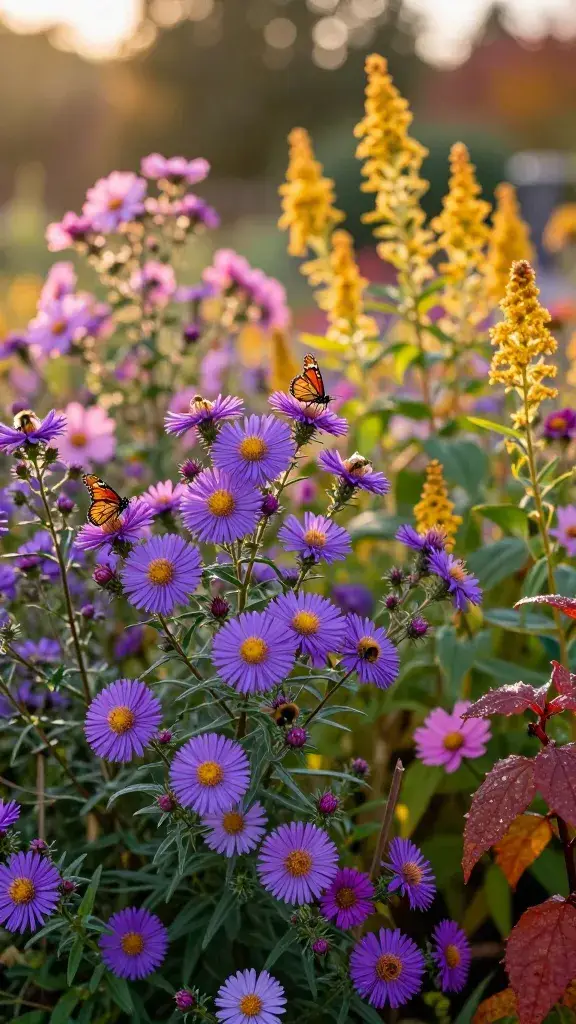
When most plants yawn and call it quits, asters clock in. Their late-season bloom fuels migrating butterflies and hungry native bees when resources run low.
What To Plant
- New England Aster (Symphyotrichum novae-angliae): Tall, bold, purple or pink
- New York Aster (S. novi-belgii): Slightly shorter, tons of color
- Staking: Pinch early or stake if they get leggy
Place asters near goldenrod for the ultimate fall nectar bar. Your garden ends the season with a mic drop instead of a whimper.
9. Milkweed: Monarch Magnet And Biodiversity MVP
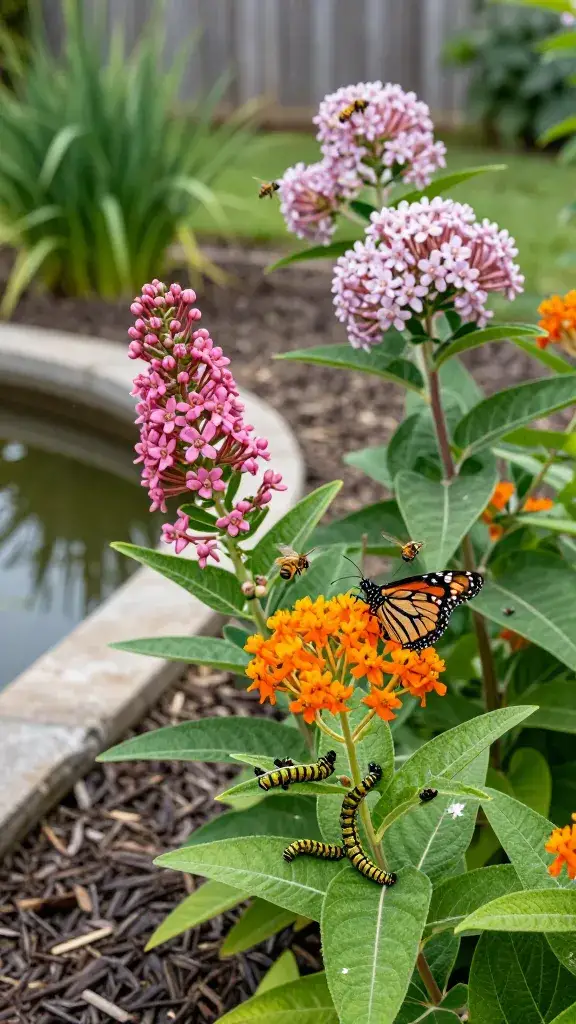
Milkweed isn’t just pretty—it’s essential. Monarch butterflies lay eggs only on milkweed, and the nectar-rich flowers feed a parade of pollinators. Choose region-appropriate species and you’ll turn your yard into a conservation win.
Smart Choices
- Butterfly Weed (Asclepias tuberosa): Orange, drought-tolerant, compact
- Swamp Milkweed (A. incarnata): Pink, loves moist soil, great near rain gardens
- Showy/Common Milkweed (A. speciosa/A. syriaca): Big, fragrant, best in larger spaces
Plant a patch and skip pesticides. You’ll support monarchs through their whole life cycle—eggs, caterpillars, chrysalides, the works.
Designing For All-Season Bloom (Quick Guide)
- Stagger bloom times: Early (catmint, lavender), mid (coneflower, bee balm, zinnias), late (asters)
- Mix flower shapes: Spikes (salvia), disks (coneflower, rudbeckia), clusters (milkweed, bee balm)
- Plant in patches: 3–5+ of each species helps pollinators forage efficiently
- Go chemical-free: Ditch neonics and harsh pesticides
- Water smart: Deep, infrequent watering builds tougher roots
Extra Perks You’ll Notice
- Fewer pests: Healthy predator insects move in
- Better blooms: Cross-pollination = more flowers and seed set
- Low maintenance: Once established, many of these thrive on benign neglect
Ready to roll? Start with three from the early, mid, and late lists, then layer in the rest as you go. Your garden will buzz, flutter, and glow from spring to frost—no gatekeeping here. Go plant the buffet, and let the pollinator party begin!
Share this content: