7 Raised Bed Garden Mistakes Beginners Make and How to Avoid Them Exposed
You built a raised bed, dumped in some dirt, and planted tomatoes. Boom—instant garden glory, right? Not exactly. Raised beds help a ton, but they don’t forgive everything. A few small mistakes can turn that dream salad into limp lettuce and vibes of regret. Let’s fix that before your cucumbers file a complaint.
Choosing the Wrong Location
You can’t outsmart bad sun. Plants need light to photosynthesize, and no, they don’t care that your fence is “cute.” Most veggies want 6–8 hours of direct sun daily. Watch your yard for a day and see what gets the most light. That spot wins.
Also check:
- Proximity to water: If you can’t reach it with a hose, you’ll water less. That’s not a moral failing; it’s physics and convenience.
- Access: You’ll walk to this bed every day in peak season. Don’t hide it behind the shed like a gremlin.
- Drainage: Avoid low spots where water pools. Raised beds help, but they don’t fix swamps.
Quick Sun-Test Hack
Set a timer and snap photos of the bed area every 2 hours from 8–6. If it looks shady in more than two photos, choose another spot. Yes, this is low-tech. It works.
Building Beds Too Deep (or Not Deep Enough)
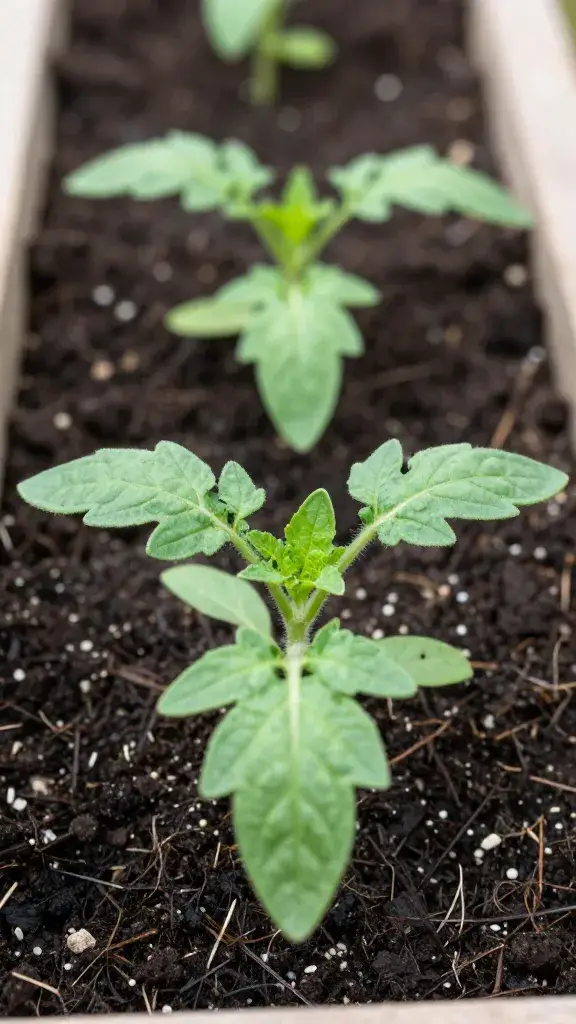
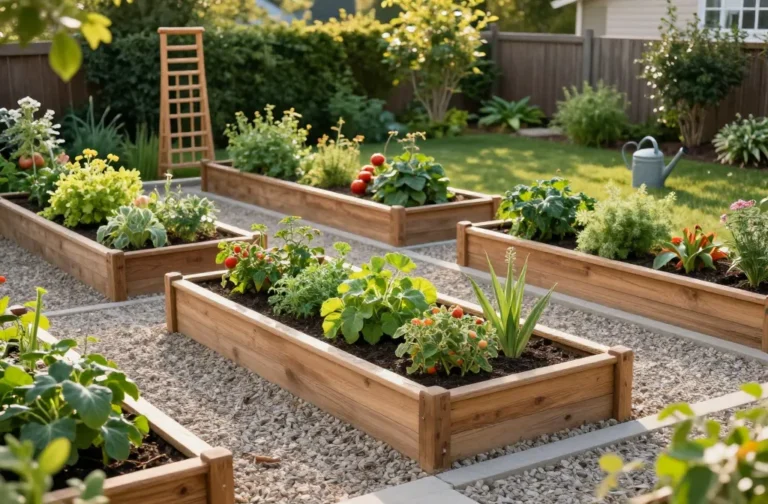
You don’t need a planter box the height of a toddler. Most plants thrive in 10–12 inches of good soil. Deeper beds cost more and dry out faster. Shallow beds (less than 8 inches) restrict roots and stunt growth.
Sweet spot: 10–12 inches for general veggies, 12–18 inches if you want carrots, parsnips, or potatoes.
Frame Materials That Don’t Fight You
- Cedar or redwood: Long-lasting, looks great, not cheap.
- Untreated pine: Budget-friendly, lasts fewer seasons.
- Modern pressure-treated: Generally safe for edibles (FYI, today’s treatment is different from the old chromium stuff), but line the inside if you still feel weird about it.
- Metal beds: Durable, resist rot, warm up fast in spring.
Filling with the Wrong Soil Mix
I get it—you saw “topsoil” on sale and bought six bags. Topsoil alone compacts and chokes roots. Potting mix drains too fast and collapses. You want a fluffy, nutrient-rich blend that drains well but doesn’t dry out in a day.
Go-to raised bed recipe (by volume):
- 40% high-quality compost (a blend of sources if possible)
- 40% topsoil (screened, not heavy clay)
- 20% aeration (coarse perlite, pine fines, or composted bark)
Bonus amendments:
- Worm castings: A little goes a long way for microbial life.
- Slow-release organic fertilizer: Blood/bone/feather meal or a balanced organic granular.
- Biochar (charged first): Holds nutrients and moisture. IMO, excellent for long-term soil health.
Skip This, Please
- Fresh manure: Too “hot” and full of pathogens. Compost it first.
- Landscape fabric at the bottom: Blocks roots and traps water. Use cardboard instead to smother weeds; it breaks down.
Planting Like Every Plant Has the Same Personality
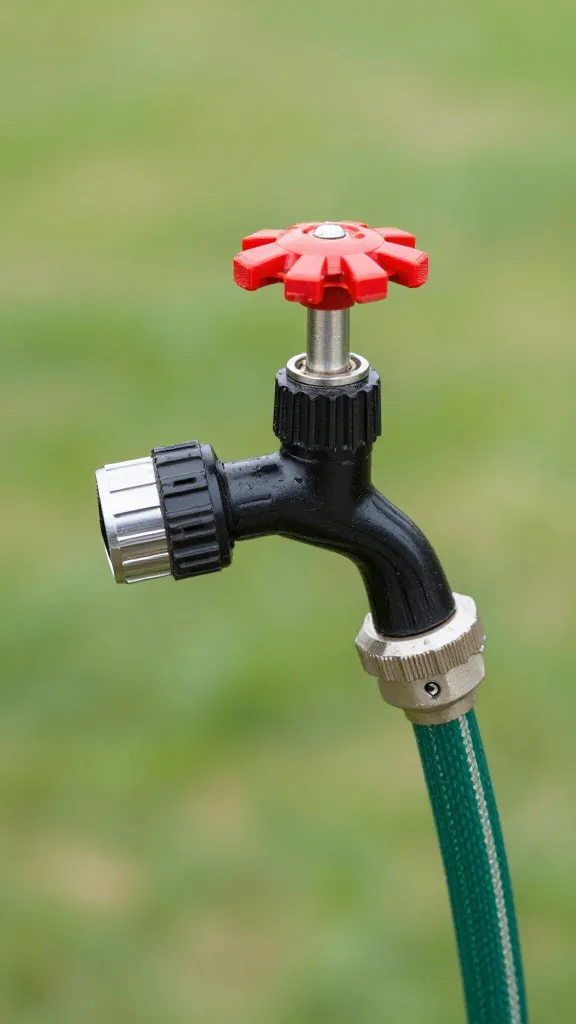
Tomatoes and lettuce aren’t roommates. Tomatoes want heat and space; lettuce bolts when life gets mildly inconvenient. Group plants by needs and spacing. Overcrowding turns beds into mildew parties and starves plants of airflow.
General spacing guide (per square foot):
- Tomatoes/peppers: 1 plant per 2–4 sq ft, staked or caged
- Leafy greens: 4–9 per sq ft (harvest often)
- Root crops: 9–16 per sq ft (thin early)
- Vining squash/cukes: Trellis or give them a bed edge to spill over
Companion Planting That Actually Helps
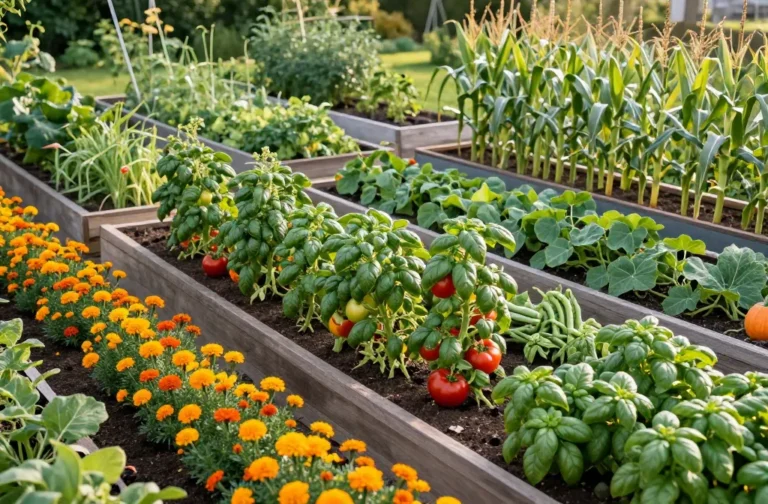
- Basil + tomatoes: Repels some pests and boosts flavor (IMO).
- Marigolds + anything: Attracts beneficial insects; looks cheerful.
- Onions/garlic near greens: Helps deter pests that chew leaves.
Watering by Vibes Instead of Strategy
If you water every day because you “feel like it,” you’ll either drown roots or train them to stay shallow. Raised beds drain faster, so you must water deeply and less often.
Simple watering rules:
- Check before you water: Stick your finger 2 inches down. Dry? Water. Damp? Chill.
- Morning wins: Less evaporation and fewer fungal issues.
- Deep, infrequent watering: Aim for 1–1.5 inches per week total, adjusted for heat and wind.
- Mulch: 2–3 inches of straw, shredded leaves, or wood chips (not against stems) to lock in moisture.
Drip Irrigation = Sanity
A cheap timer + drip lines saves water and your schedule. Top-tier laziness? Maybe. Top-tier results? Absolutely.
Ignoring Soil Life and Fertility
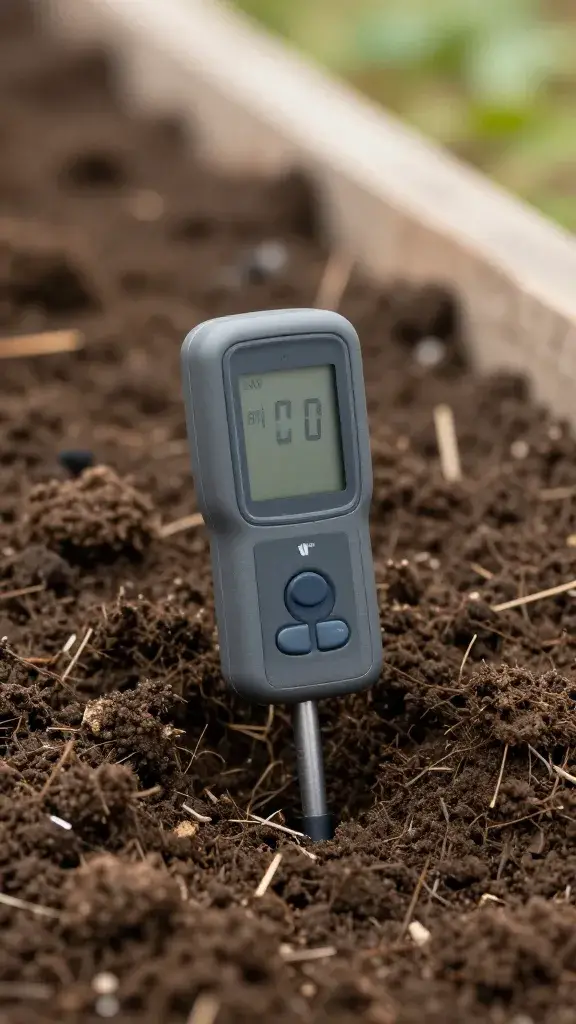
Your soil isn’t just dirt—it’s an ecosystem. If you feed plants but starve microbes, your bed becomes a nutrient desert. Add organic matter every season and use balanced fertilizers.
Seasonal routine:
- Spring: Mix in 1–2 inches of compost and a balanced organic fertilizer.
- Mid-season: Side-dress heavy feeders (tomatoes, squash, corn) with compost or slow-release organic feed.
- Fall: Plant a cover crop (crimson clover, oats) or add leaves/compost and cover with mulch.
pH: The Quiet Saboteur
Most veggies prefer pH 6.0–7.0. Test once a year. If it’s low (acidic), add garden lime. If it’s high (alkaline), add sulfur or more compost. Don’t guess—test.
Skipping Pest and Disease Prevention
If you wait until hornworms eat your tomatoes to act, congrats—you just hosted an all-you-can-eat buffet. Prevent problems early.
Preventive moves:
- Crop rotation: Don’t plant the same family in the same spot every year. Rotate nightshades, brassicas, legumes, and cucurbits.
- Airflow: Prune lower leaves on tomatoes and give plants breathing room.
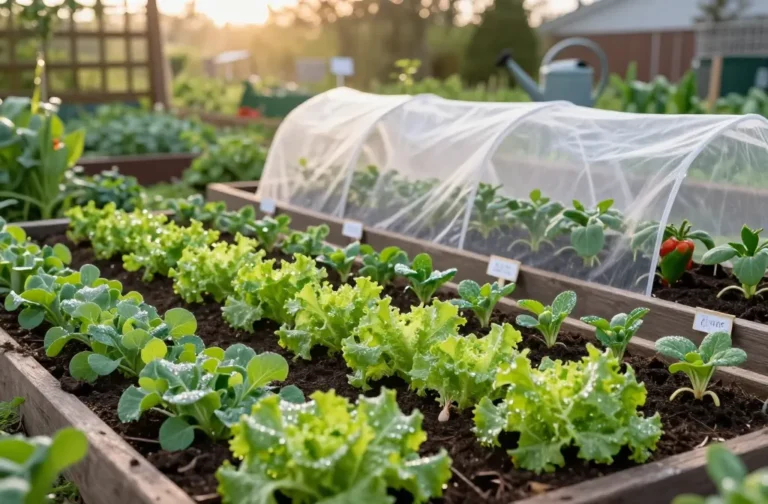
- Row covers: Lightweight fabric keeps flea beetles and cabbage worms off brassicas.
- Hand-picking: Check plants every morning. Smash eggs and pests (sorry, not sorry).
- Invite allies: Flowers like alyssum and dill attract beneficials. Birds eat caterpillars; give them perches.
When to Use Sprays
Use targeted options only when you need them:
- Bt: For caterpillars on brassicas.
- Insecticidal soap or neem: For soft-bodied pests like aphids.
- Copper or biofungicides: For recurring fungal issues. Apply early, not in crisis mode.
Always read labels. “Organic” doesn’t mean “use recklessly.”
FAQ
Do I need to line the bottom of my raised bed?
Use cardboard or several layers of newspaper to smother weeds and grass. Skip plastic or landscape fabric, which trap water and block roots. Hardware cloth works under the bed only if you fight burrowing pests like gophers.
How often should I replace the soil?
You don’t replace it; you refresh it. Add 1–2 inches of compost each season and top up as soil settles. Every few years, fork in more coarse material (perlite or bark fines) if compaction creeps in.
Can I use logs or sticks to fill the bottom (hugelkultur style)?
Yes, but understand the trade-offs. Wood steals nitrogen as it decomposes, so add extra compost and a high-nitrogen fertilizer the first year. Also, bed height may sink faster. FYI, it works great for deep beds on a budget.
What’s the best mulch for raised beds?
Shredded leaves, straw (not hay), or pine straw for paths and around plants. Wood chips work great on paths and around perennials but can tie up nitrogen if mixed into soil. Keep any mulch a few inches off stems to prevent rot.
Why do my plants look stunted even though I water and fertilize?
Check sunlight, soil compaction, and pH first. Crowding and root-bound transplants also cause stunting. Sometimes you used too much fertilizer—salts build up and burn roots. Flush the bed with a deep watering and adjust.
Can I grow perennials like blueberries in raised beds?
Absolutely, but match the soil. Blueberries love acidic soil (pH 4.5–5.5), so blend peat moss or pine fines and use an acid fertilizer. Dedicate a bed to them rather than mixing with neutral-pH veggies.
Conclusion
You don’t need a farm degree to crush it with raised beds—you just need good sun, a smart soil mix, sensible spacing, and consistent watering. Treat the soil like a living thing, defend early against pests, and tweak as you learn. Do that, and your garden stops surviving and starts thriving. IMO, that first perfect tomato will make you forget every misstep.
Share this content: