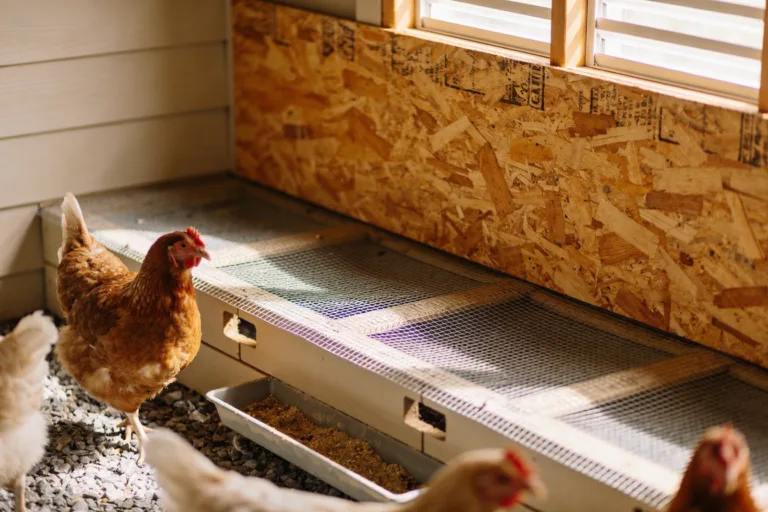
7 Genius Raised Bed Covers & Toppers to Keep Chickens Out (Hoops, Lids, Netting + Diy Frames) Unbeatable Ideas
Chickens are adorable little garden wrecking balls. One afternoon of “foraging” and your lettuce looks like a salad bar after a toddler birthday party. The fix? Smart covers and toppers that block beaks and claws while still letting your plants thrive. These seven ideas look good, work hard, and won’t turn your beds into Fort Knox—promise.
1. Hoop Tunnels With Bird Netting (The Lightweight MVP)
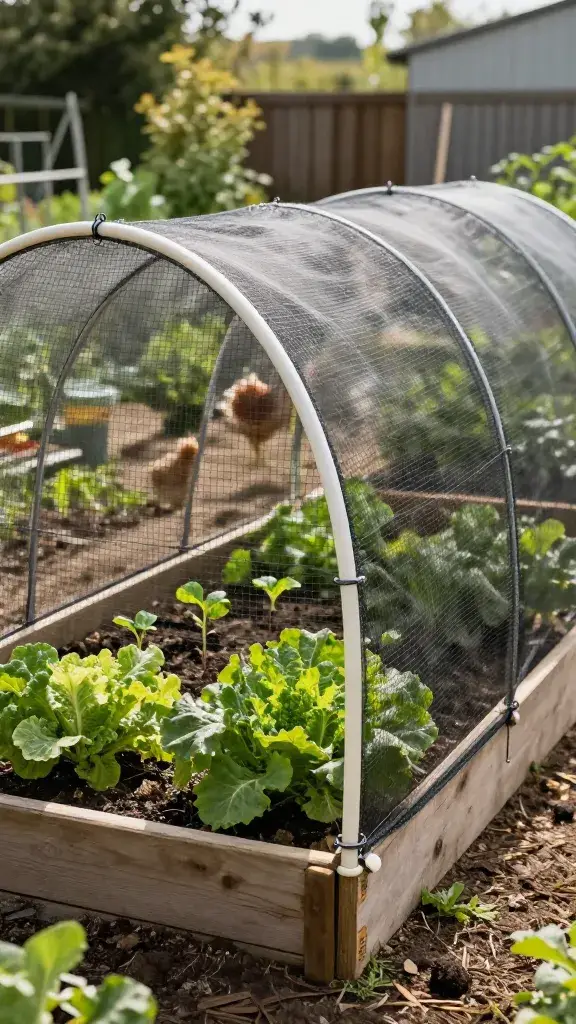
Want fast, flexible coverage that keeps hens out and airflow in? Classic hoop tunnels deliver. They set up in minutes, look tidy, and let you swap covers seasonally—netting now, frost cloth later.
Materials
- 1/2-inch PVC or heavy-duty wire hoops (EMT conduit with bender if you want pro-level)
- Bird netting (1/2-inch mesh or smaller)
- Clips or spring clamps
- Ground staples or stakes
Sink hoops every 2–3 feet for stability. Drape netting taut and clamp it to the bed edges so chickens can’t shimmy under. Need to harvest? Pop off a couple clamps and fold the netting back like a convertible top.
Best for: Quick installs, long beds, and gardeners who want modular protection without heavy lifting.
2. Hinged Wood Lids With Hardware Cloth (The Fortified Classic)
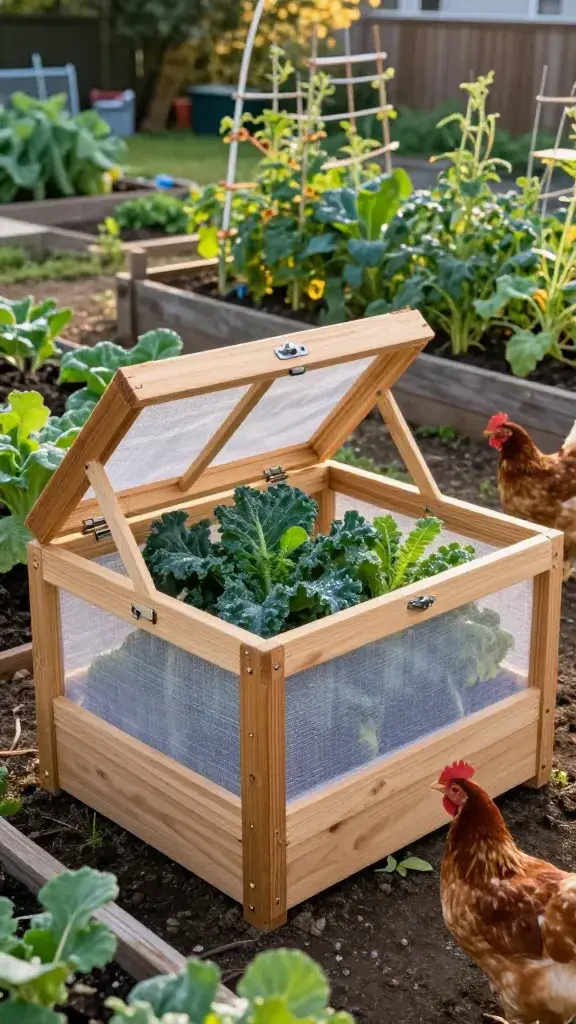
When you want “no nonsense, zero entry,” build a framed lid with hardware cloth. It opens like a treasure chest, but the treasure is your kale. Chickens can peck all they want—nothing gets through.
Key Build Notes
- Use 1×2 or 2×2 cedar or treated lumber for a lightweight frame
- Staple 1/2-inch hardware cloth across the frame—pull tight
- Add outdoor hinges and a simple latch; consider lid supports for larger spans
Measure each bed and build lids to match. If you grow tall tomatoes, split the lid into sections so you can fence off one part and let trellised plants rise free. Paint or stain the frames to match your garden vibe—rustic, modern, whatever says “I care and I own a drill.”
Best for: Permanent, tough protection and high-traffic chicken zones where curiosity levels run high.
3. Pop-Up Net Cages (Instant Gratification, Zero Tools)
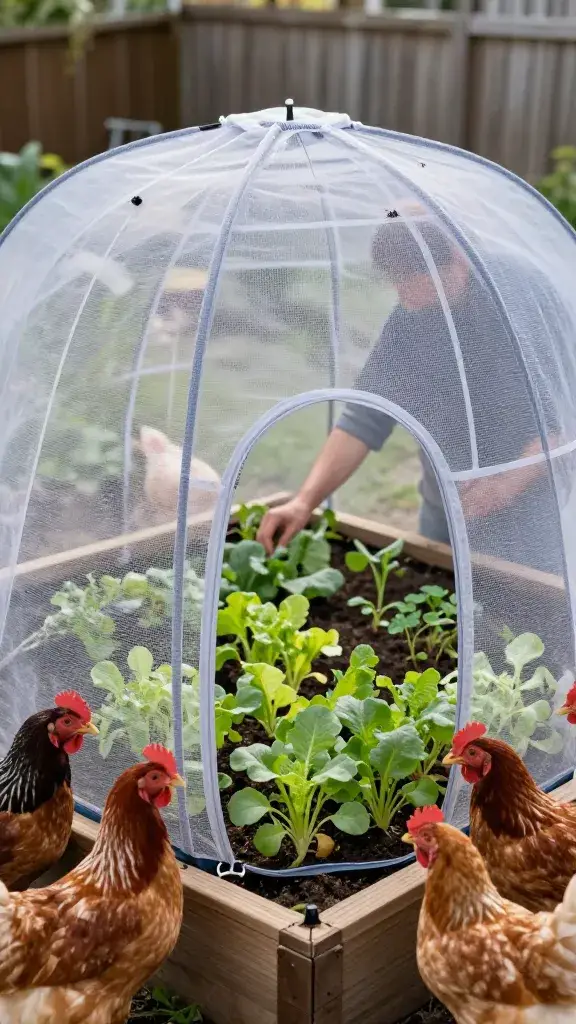
No time to build? Pop-up garden cages save the day. They’re pre-formed, lightweight, and ridiculously easy to stash when you rotate crops.
What To Look For
- Fine bird mesh, not insect mesh (you want airflow and pollinators when in bloom)
- Ground stakes that actually hold—add extra tent stakes if your flock body-slams things
- Zip openings so you can harvest without removing the whole cage
They work great for low greens, new seedlings, and anything that needs babying for 4–8 weeks. FYI, big, determined hens can collapse flimsy models—choose sturdier frames for heavy breeds.
Best for: New gardeners, renters, and anyone who wants fast cover that still looks tidy.
4. Arched Cattle Panel Frames (Industrial-Chic And Bombproof)
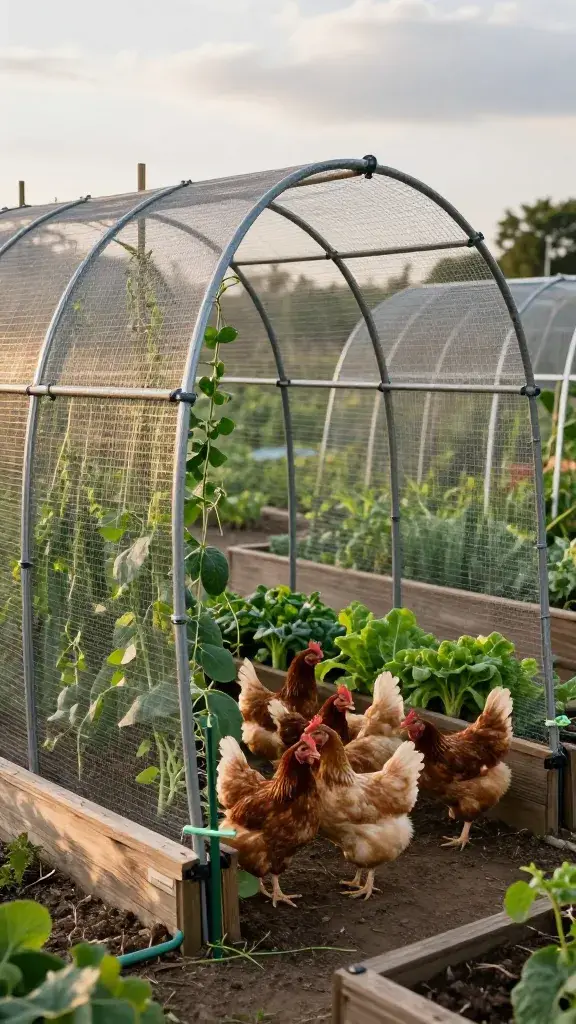
Cattle panels make stunning arched tunnels that laugh at flapping wings and rogue gusts. They create serious vertical space for climbing crops and still block your flock from scratching around the base.
Setup Basics
- Use 16-foot cattle panels and bend into arches over 3–4-foot beds
- Secure to inside of bed walls with heavy-duty pipe straps or T-posts
- Wrap sides with hardware cloth or sturdy bird netting up to 24–30 inches
You can leave the tops open for pollinators and light, and just shield the lower half where chickens attack. Or, fully net the arch during seedling stage and remove later—flexibility for the win.
Best for: Windy sites, climbers (cukes, beans), and gardeners who like a “wow” moment.
5. Removable Mesh Panels (Modular, Stackable, And So Satisfying)
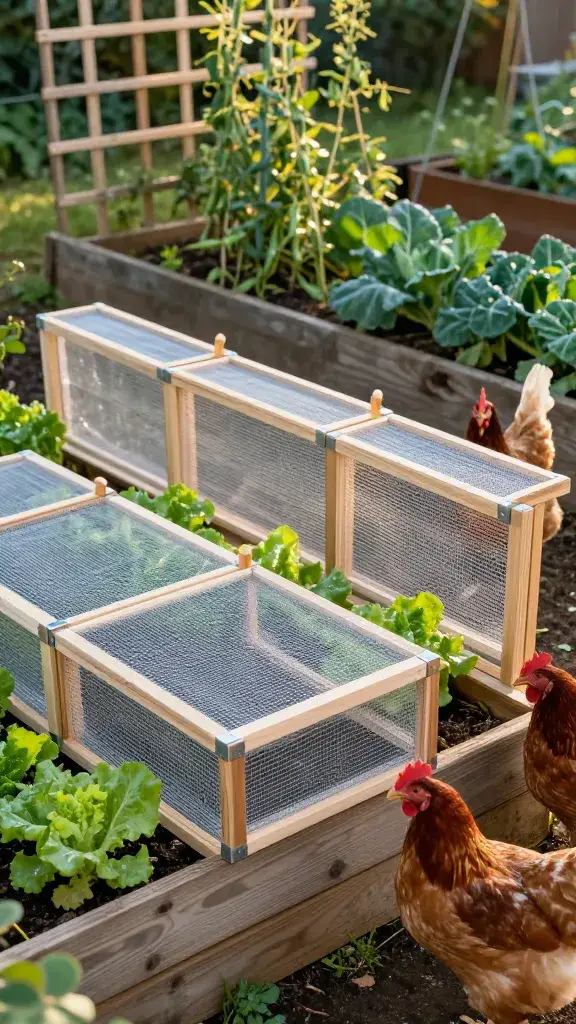
Build a few lightweight mesh panels that drop right onto your beds. Mix and match coverage, reconfigure on the fly, and store them flat. It’s like garden Legos, but less likely to destroy your feet.
How To Build
- Make 2×3 or 2×4 panels with 1×2 lumber
- Attach 1/2-inch hardware cloth or 1/4-inch for extra security
- Add corner braces for rigidity and simple pull handles on top
Line up panels to cover the bed fully, or just shield a row of seedlings. Swap panels for trellises mid-season if you’re fancy. Seriously, a small stack of these turns into your all-season toolkit.
Best for: People who love modular systems and tidy storage; mixed plant heights in one bed.
6. Low Cloche Domes (Seedling Bodyguards With Style)
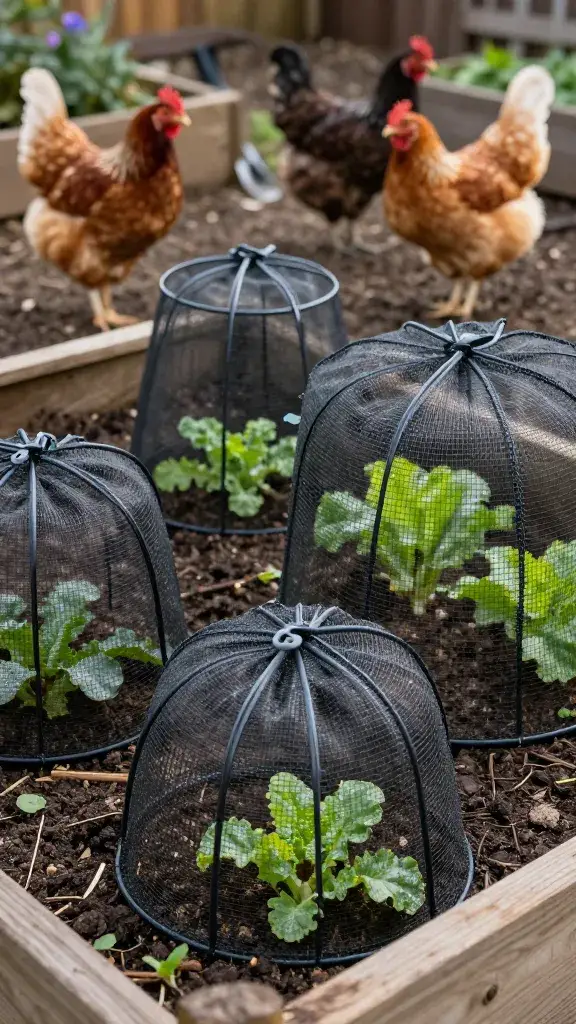
When your greens just sprouted and your flock thinks you grew them a snack bar, use low cloches. They hug the soil, keep beaks off sprouts, and warm things up a smidge in shoulder seasons.
DIY Options
- Wire wastebaskets flipped over seedlings and staked down
- Tomato cages wrapped in bird netting
- Flexible garden edging bent into circles with netting clipped on top
Space cloches a few inches apart and overlap netting seams if you connect multiples. Remove them once plants outgrow pecking height. IMO, they’re the fastest way to save a salad mix after a “who let the hens out” moment.
Best for: Early crops, succession sowing, and micro-protection in chaotic chicken yards.
7. Dual-Duty Shade And Net Frames (Summer Saver, Chicken Stopper)
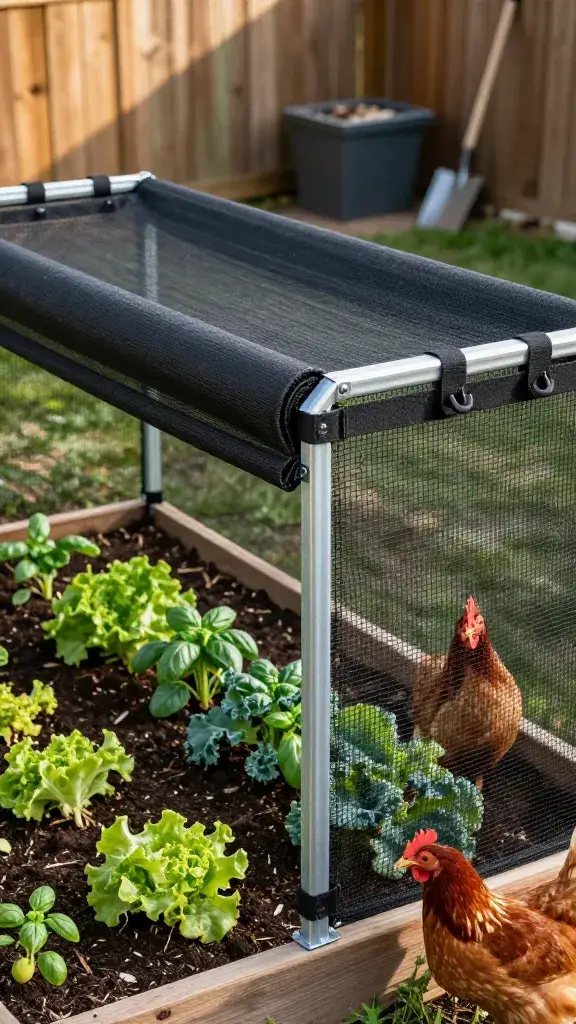
Hot summers? Build frames that carry both bird netting and shade cloth so you can swap as needed. You protect seedlings from chickens and sun scorch without juggling a garage full of gear.
Frame Recipe
- Simple 2×2 or EMT conduit rectangle sized to your bed
- Hook-and-loop straps or grommets along the top rails
- Two covers: 30–40% shade cloth and 1/2-inch bird netting
Clip on netting when plants are small and irresistible. Switch to shade when temps spike, or layer both if you’ve got spicy hens and scorching heat. Trust me, this combo keeps lettuces crisp, soil cooler, and beaks off your basil.
Best for: Hot climates, tender greens, and gardeners who like one frame to rule them all.
These covers don’t just block chickens—they boost germination, reduce wind stress, and make pests cry a little. Pick the style that fits your garden rhythm and run with it. Your flock can still free-range, and your veggies can finally live to harvest—win-win, seriously.
Share this content: